
Leatt Pedals
Leatt Pedals bring the same biomechanical precision the brand applies to its protection and footwear range right down to your contact points with the crank. Whether you're running flats or clips, these are pedals designed with a clear system logic - pair them with Leatt MTB and gravel shoes and the shoe-to-pedal interface tightens up noticeably, thanks to WaffleGrip Pro and RideGrip compatibility built into both surfaces.
The foundations are solid across the range. Oversized chromoly axles run in IGUS bushings and sealed cartridge bearings, which matters when you're hosing mud off after a January session on the South Downs or picking grit out of your drivetrain after a Peak District loop. Unsealed bearings in those conditions don't last a season. Leatt's approach is to build the axle assembly tough enough that you're servicing on your schedule, not because something has seized.
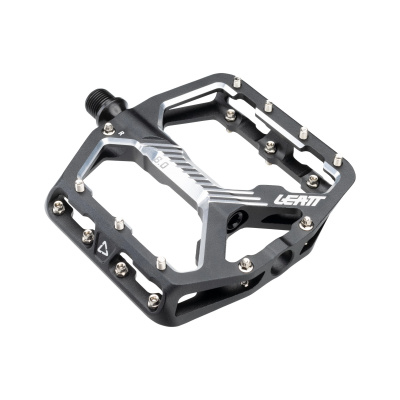
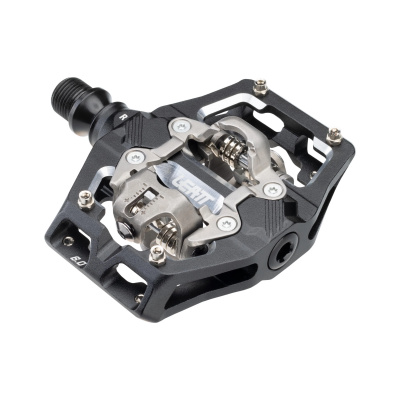
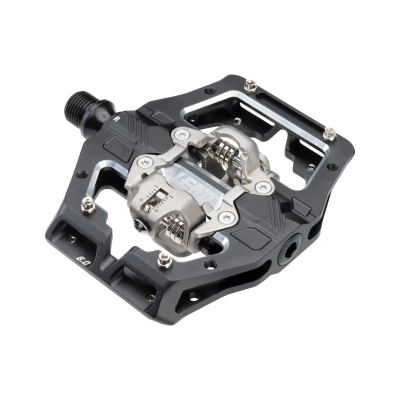
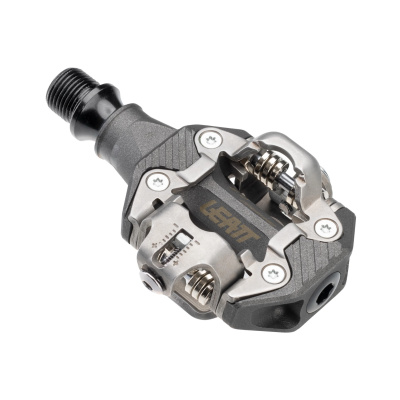
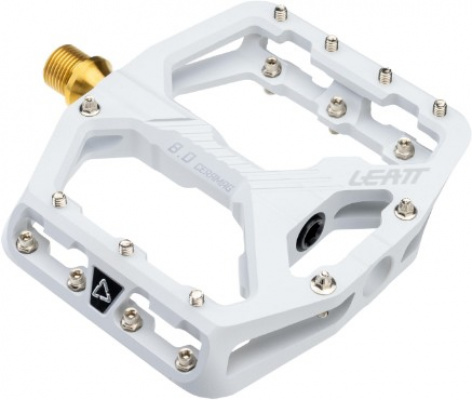
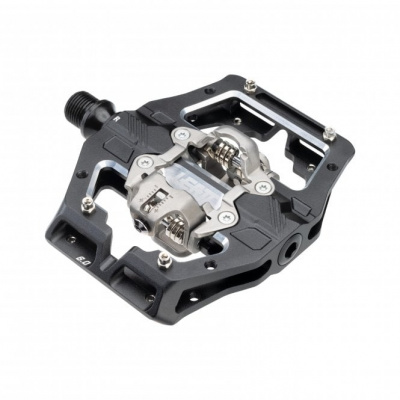
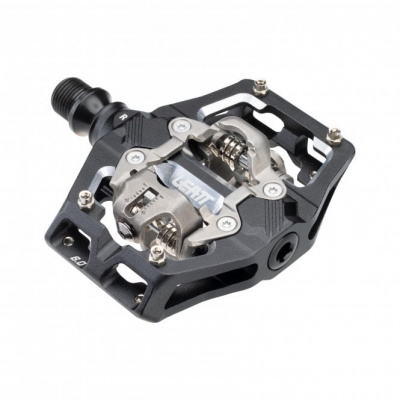
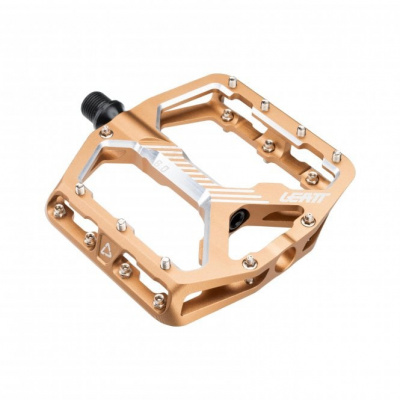
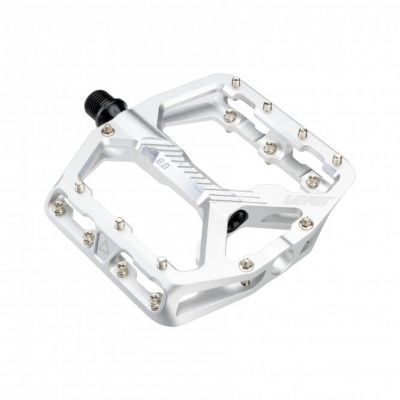
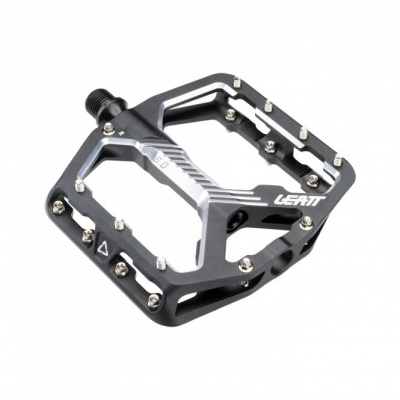
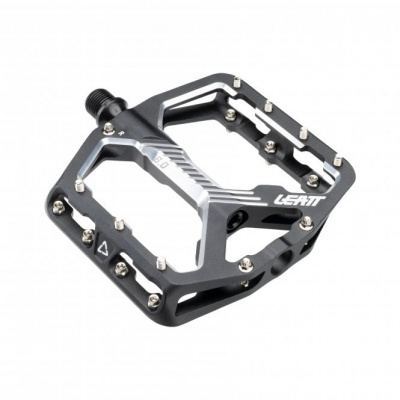
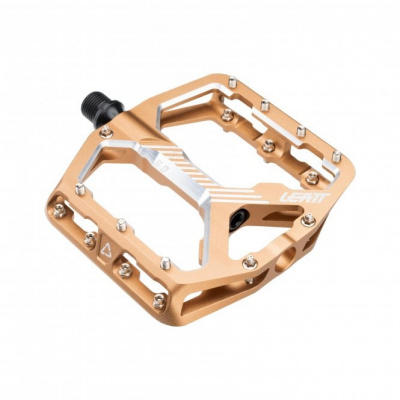
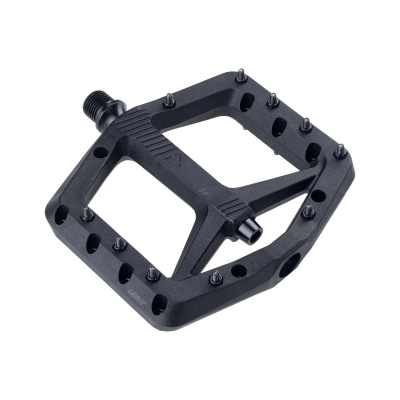
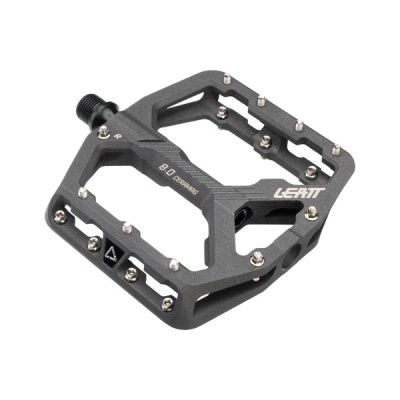
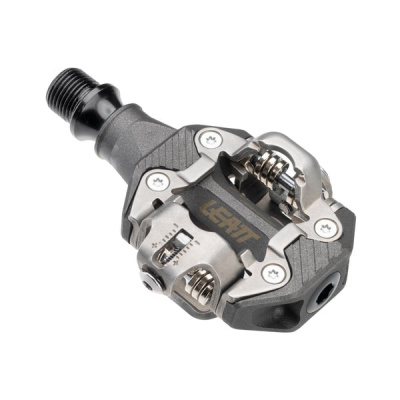
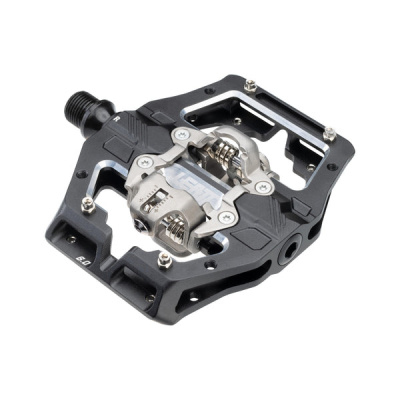
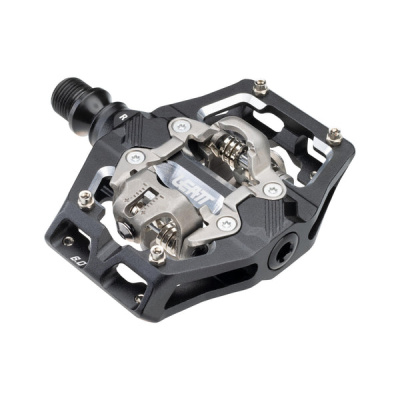
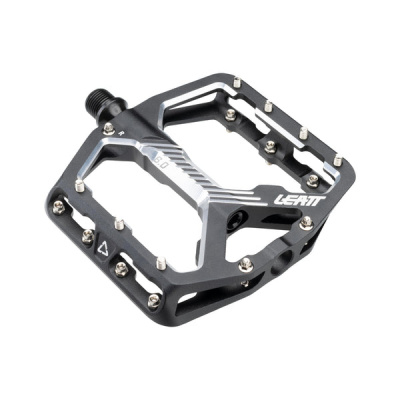
Forged alloy bodies with CNC machining keep weight honest without compromising the platform stiffness you need when you're pushing hard through a loose corner. Adjustable pin heights on the flat models and tunable release tension on the clipless options mean you can dial things in rather than accepting a factory-default compromise. Use the grid below to compare current UK pricing across the range.
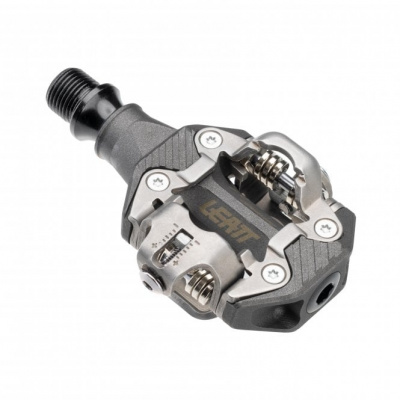
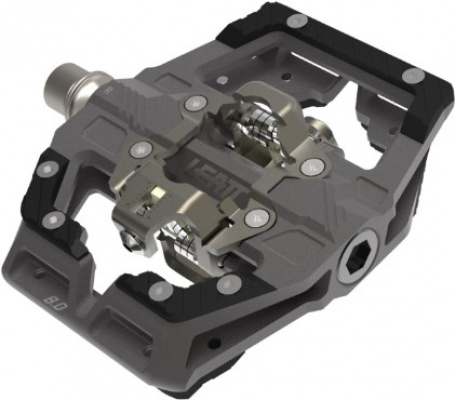
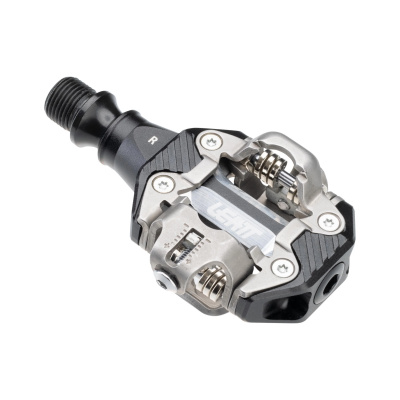
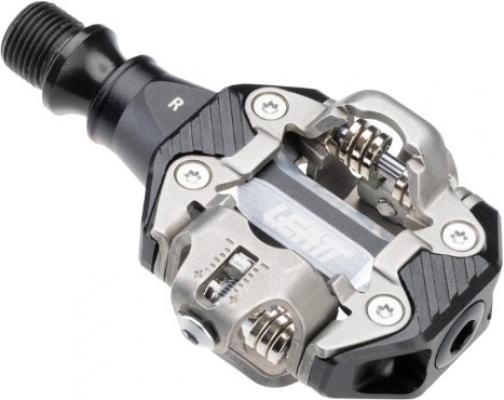
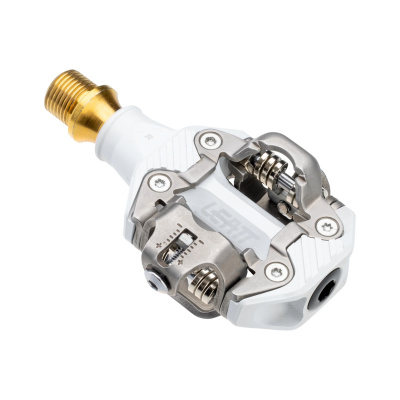
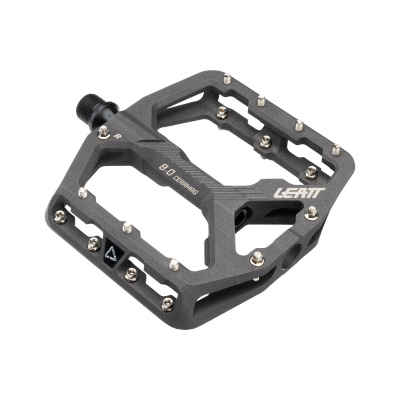
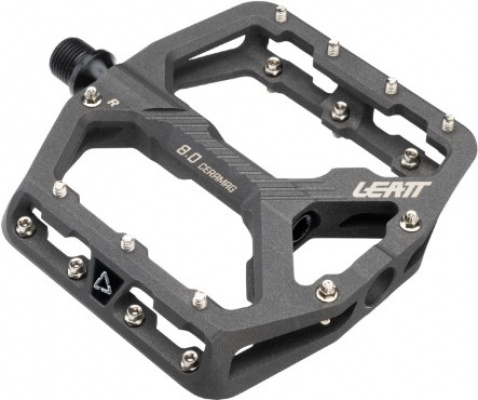
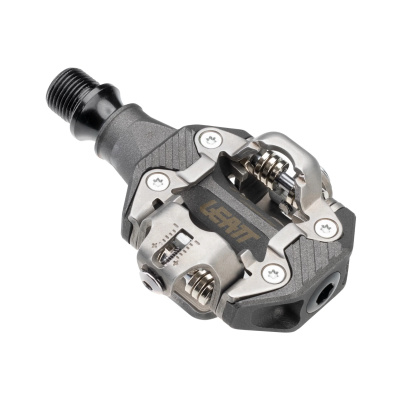
Prices and availability can change quickly. Delivery charges are not always included in listed prices.
Final price, stock status and delivery terms are set by retailer. We may receive a commission on purchases made.
Fitment and Standards: What You Need to Know Before Buying
Every Leatt pedal runs a standard 9/16-inch axle thread, so they'll fit any modern MTB crank - two-piece, three-piece, or direct-mount. Nothing exotic, nothing proprietary at the crank interface. That said, platform size does vary across the range, and it's worth matching pedal footprint to your shoe size. Larger platforms suit bigger feet where you want the load spread across the whole sole; smaller riders often find a mid-sized platform more precise because there's less dead area around the edges of the shoe.
Q-factor - the outward offset of the pedal body from the crank centreline - affects knee tracking over long days. Leatt's flat pedals sit within normal MTB tolerances here, but if you've had knee issues with wider-stance setups, it's worth checking the axle dimensions listed in the product specs before committing.
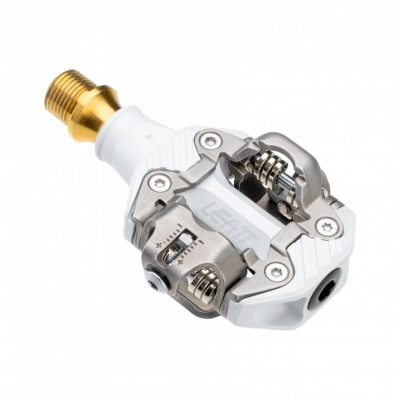
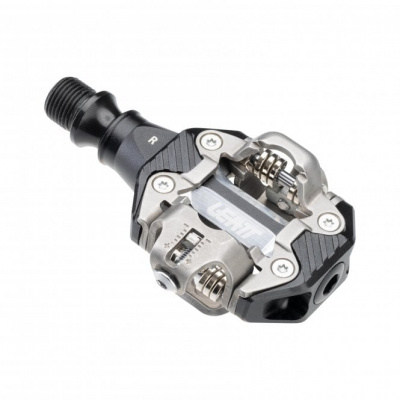
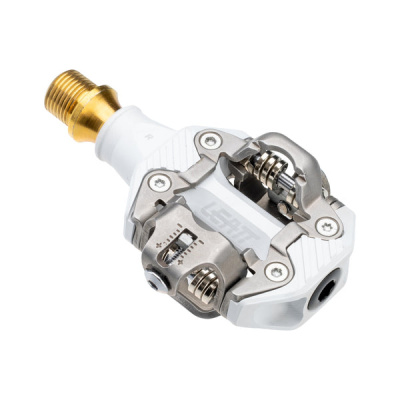
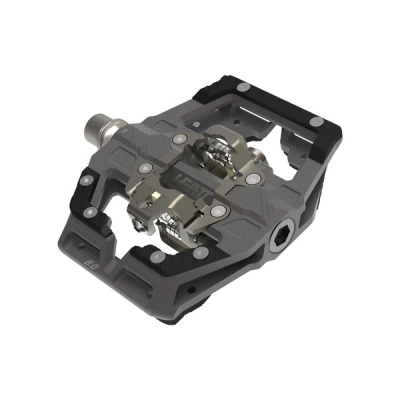
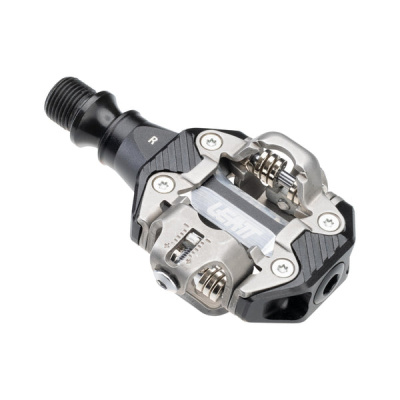
For the clipless models, the mechanism is standard SPD-compatible, which means your existing Shimano SPD cleats will engage and release as normal. Leatt also offers their own proprietary cleats with slightly different float characteristics if you want to experiment with release angle. If you need replacement engagement hardware or rebuild kits, please visit our dedicated Leatt Cleats or Leatt Pedal Spares pages - these cover all the small parts required to keep your pedals running smoothly.
Flat vs. Clipless: Where Each Option Fits
Leatt's pedal range splits broadly into flat platform and clipless categories, with a few tiers within each that reflect rider discipline and budget.
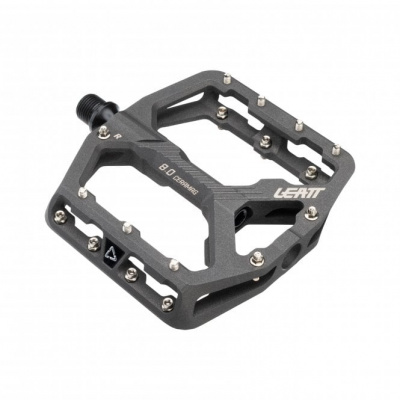
The flat pedal options are where most trail and enduro riders will start looking. The AllMtn flat sits at the accessible end - reasonable platform size, a solid pin count, and enough concavity to lock your foot in position without feeling like a vice. Move up toward the Gravity-spec flat and you're getting more aggressive pin geometry, a wider footprint for stability on steeper lines, and more precise CNC machining on the body to trim weight while keeping stiffness. The difference in feel between entry and top-spec flats is real: the higher-spec bodies flex less under load, which translates to more consistent traction pin contact when you're mashing through a rutted descent.
Traction pins are adjustable in height across the range, which is more useful than it sounds. Lower pins suit riders who shift foot position frequently or who use softer-compound flat shoes. Raise them if you want maximum grip and you're happy with a more locked-in feel. Compare Leatt's pin configuration with what Burgtec pedals or DMR pedals offer at similar price points and you'll find the adjustability is one of Leatt's clearer differentiators.
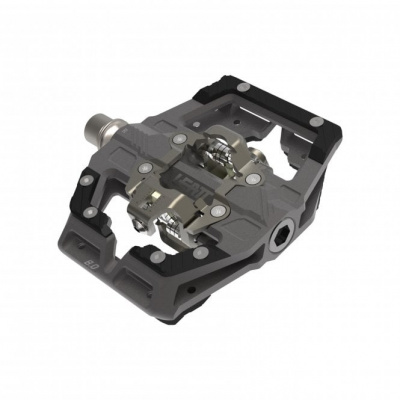
On the clipless side, the key factors are mud clearance in the mechanism and release tension range. UK winters - think saturated Welsh trail centres or thick clay on the North Downs - clog clipless mechanisms fast if the design doesn't allow mud to pass through. Leatt's clipless pedals are built with wide-open mechanism clearance to reduce packing. Adjustable release tension means lighter riders or those coming from road SPD setups can soften the engagement before they're comfortable, then tighten it up as muscle memory kicks in. The Endurance-spec clipless models also prioritise a slightly larger platform area than pure XC pedals, which gives you somewhere sensible to put your foot on technical sections where you need a dab.
For reference, Crank Brothers pedals take a different approach to mud clearance with their four-sided engagement, while Hope pedals lead with UK-manufactured flat platform options - worth knowing if you're weighing up the alternatives.
Surviving UK Winters: Bearings, Mud, and Rock Strikes
The bearing setup in any pedal is the detail that separates a two-season pedal from one that's still running smoothly in year four. Leatt uses IGUS bushings alongside sealed cartridge bearings on the axle, a combination that resists water ingress better than basic loose-ball setups. IGUS bushings are self-lubricating polymer units - they don't need frequent greasing and they tolerate the grinding paste effect of Peak District gritstone mixed with rainwater rather well.
That said, no pedal is entirely maintenance-free. A reasonable service interval is every six months for regular UK riders, or after any sustained period of wet riding. The process isn't complicated: remove the end cap and axle nut with a standard socket, pull the spindle, clean out any contamination, and re-grease before reassembly. It's a twenty-minute job and it keeps the bearing surfaces from developing play that gradually ruins your power transfer. If you notice any lateral movement in the platform, don't leave it - play in the axle accelerates bearing wear quickly.
Rock strikes on the flat pedal body are an inevitability rather than a risk. Leatt's forged alloy construction handles impacts well, but individual traction pins will bend or disappear. All Leatt flat pedals use replaceable steel traction pins, threaded directly into the body. When you're fitting new pins - use a 2mm hex key - put a small drop of blue threadlocker (Loctite 243 is the standard) on the thread before installation. Without it, pins vibrate loose within a few rides, especially on chattery hardpack or rough rock sections. A fresh set of pins on a worn body transforms the grip, so don't overlook it as a cheap fix before writing the pedal off entirely.
Pairing your pedals with the right kit makes a difference too - Leatt MTB baggy shorts and Leatt body armour complete a coherent protection system if you're building out your kit from scratch. And if you're comparing the durability credentials of Leatt's flat pedals against something like Nukeproof pedals, both brands take the sealed bearing route seriously - the distinction comes down to pin configuration and platform shape preference.
Leatt Pedals FAQs
Are Leatt clipless pedals compatible with Shimano SPD cleats?
Yes. Leatt's clipless pedals use a standard SPD-compatible mechanism, so your existing Shimano SPD cleats will clip in and release as normal. If you want to adjust float angle or release characteristics, Leatt's own proprietary cleats are also available as an alternative - useful if you're fine-tuning for a specific riding style or knee alignment.
How do I service the bearings on Leatt pedals?
Remove the end cap and axle nut using a standard socket, then pull the spindle out of the body. Clean off any contamination from the IGUS bushings and cartridge bearing surfaces, re-grease, and reassemble. It's a straightforward job with basic tools. Do it every six months if you ride UK winters regularly - or sooner if you feel any lateral play developing in the platform.
Can I replace bent or missing pins on Leatt flat pedals?
Yes, all Leatt flat pedals use replaceable steel traction pins threaded into the body. Swap damaged pins using a 2mm hex key. Apply a small drop of blue threadlocker - Loctite 243 works well - before threading each pin in. Skip the threadlocker and they'll vibrate loose within a few rides, particularly on rough or rocky ground.