
Leatt MTB & Gravel Shoes
Leatt MTB shoes have built a serious reputation on gravity-fed descents and long gravel hauls alike - and the range shows exactly why. Rooted in protection engineering, Leatt has transferred that same obsession with contact-point performance into footwear that genuinely thinks about what happens between your foot and the pedal. Every sole compound, every lacing choice, every midsole density has a reason behind it.
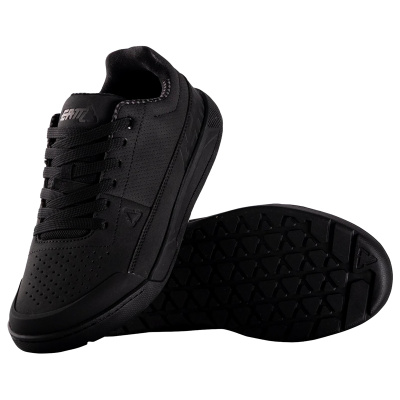
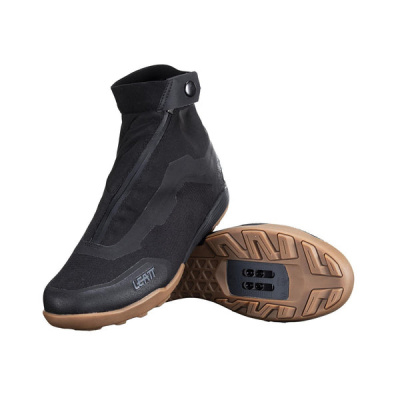
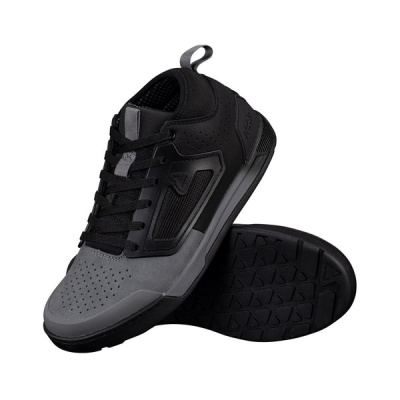
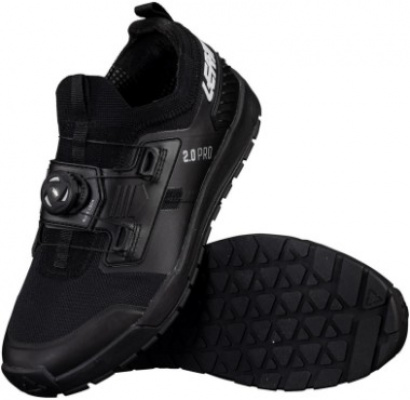
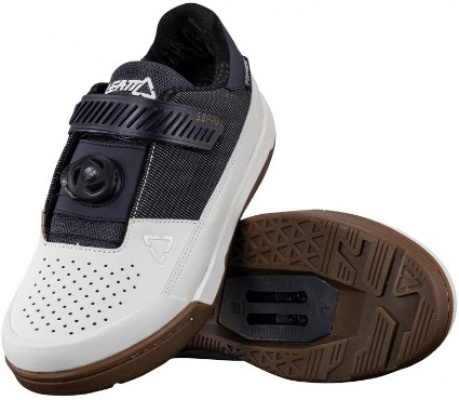
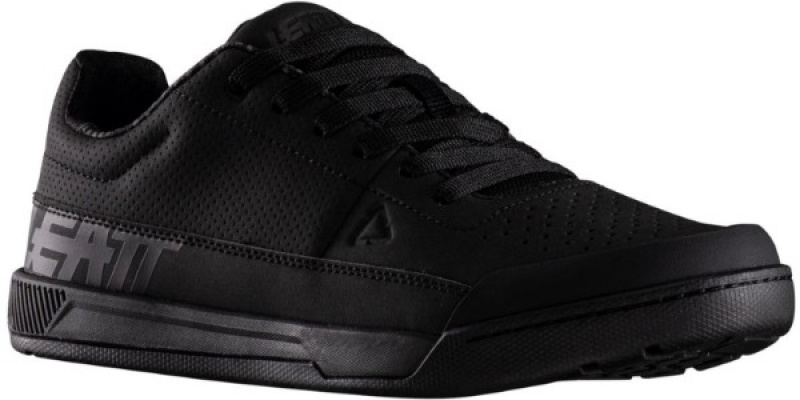
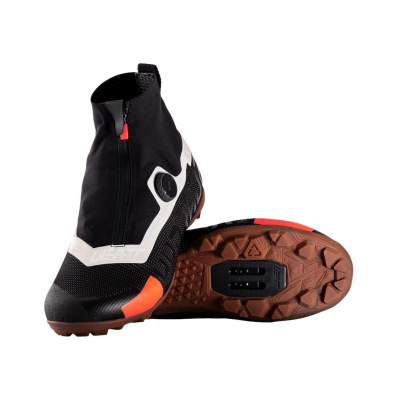
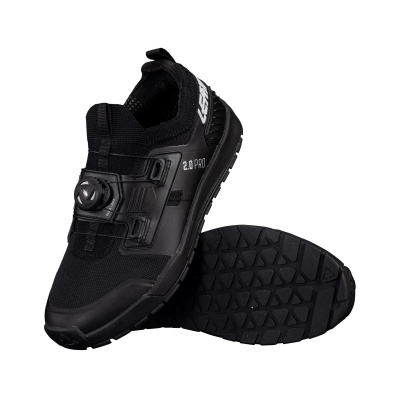
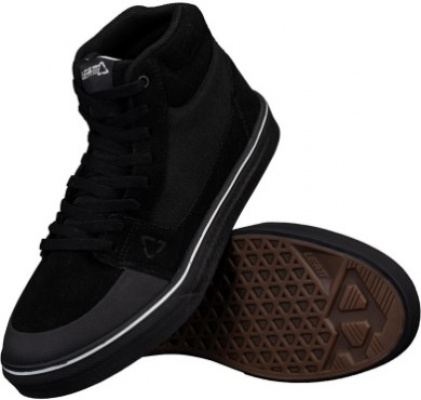
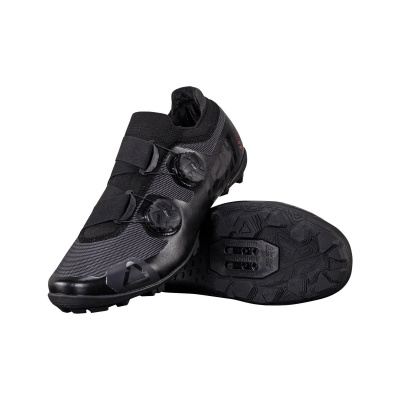
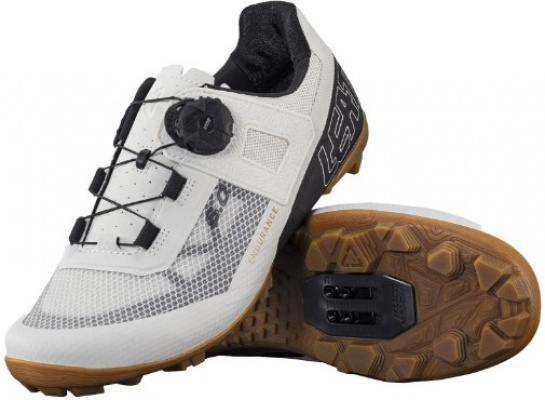
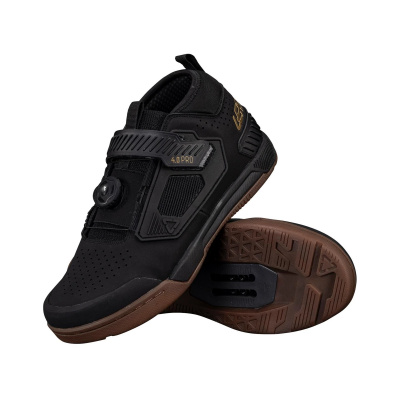
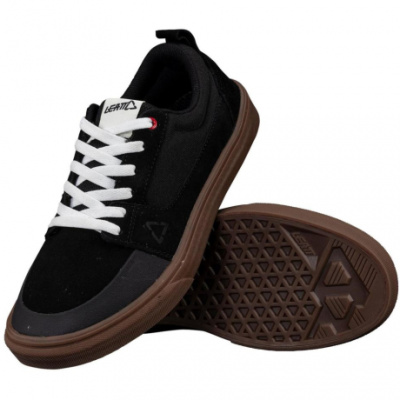
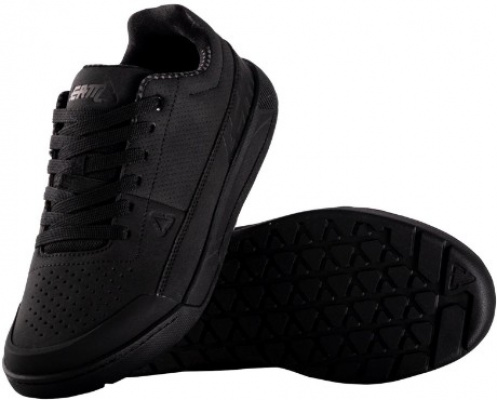
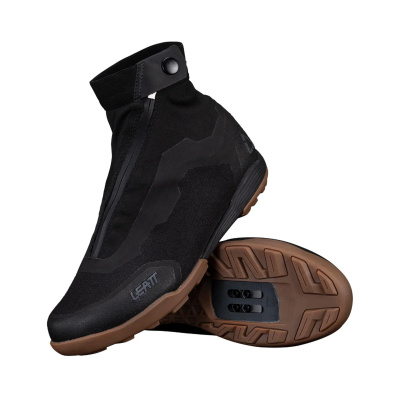
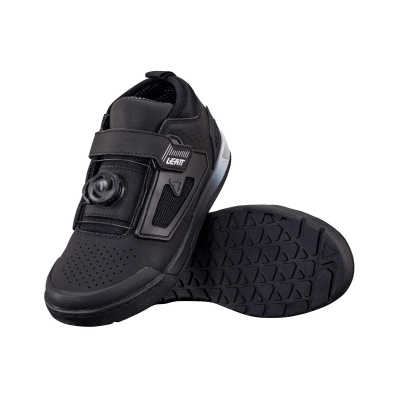
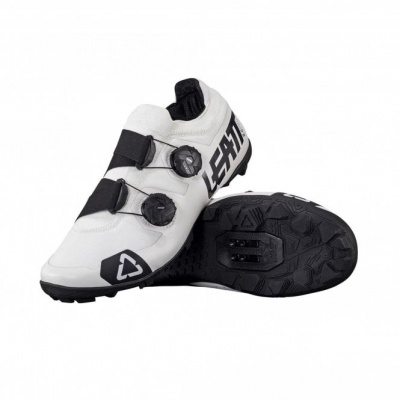
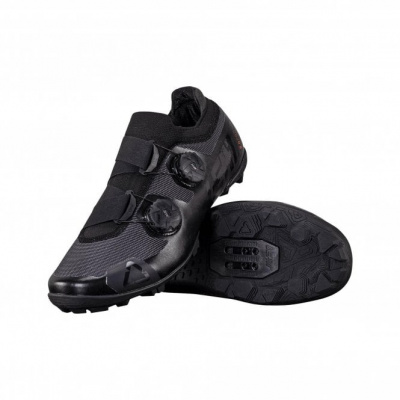
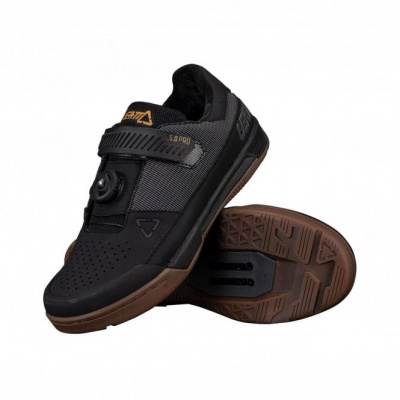
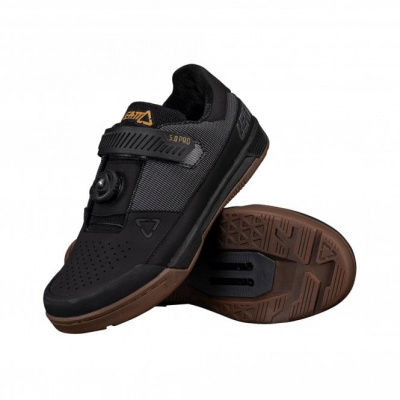
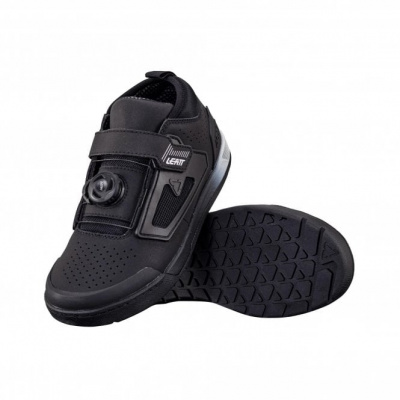
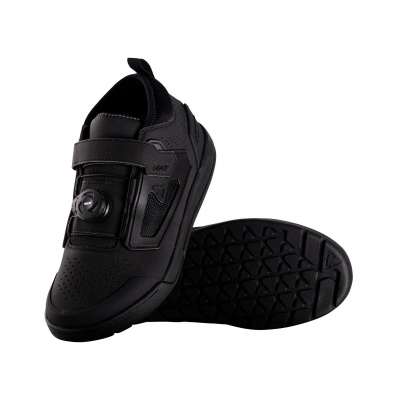
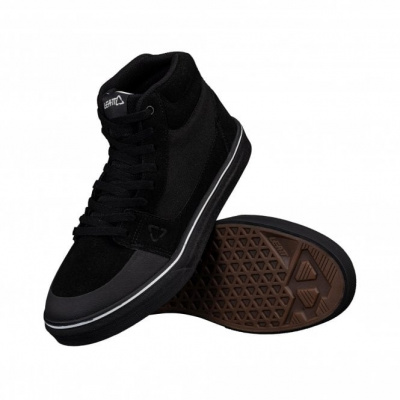
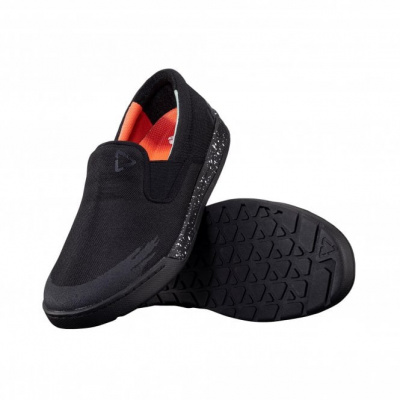
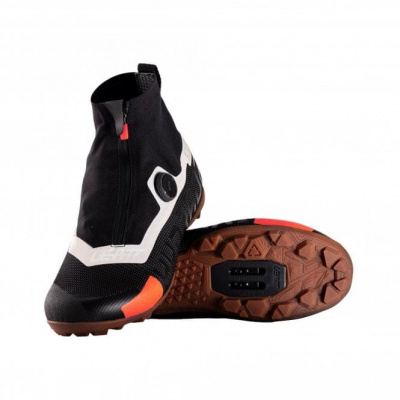
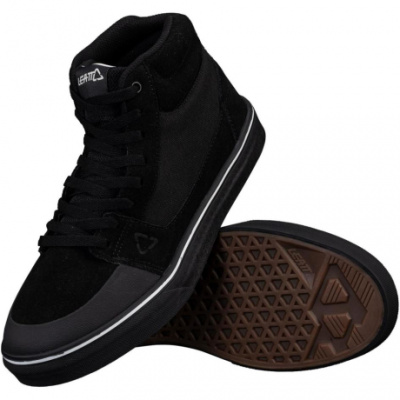
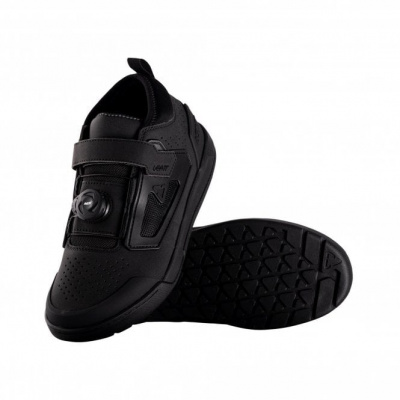
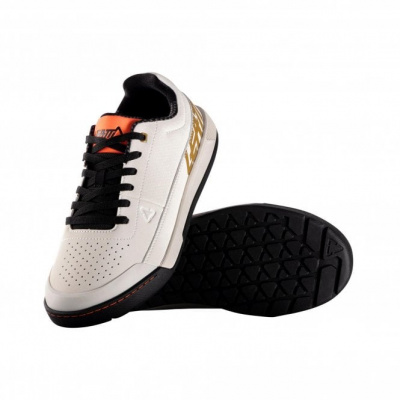
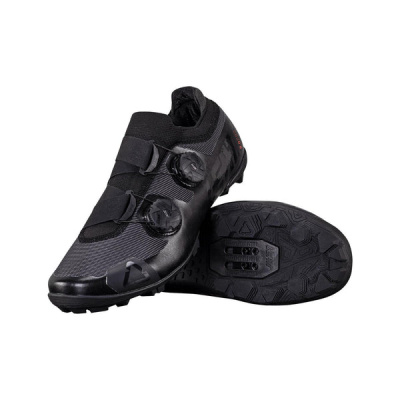
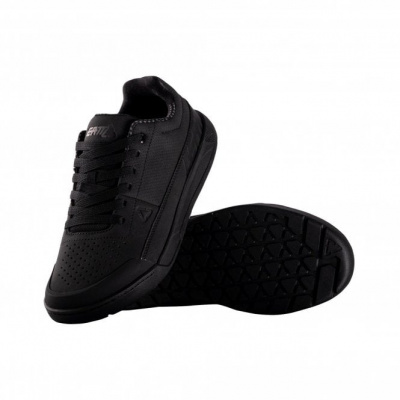
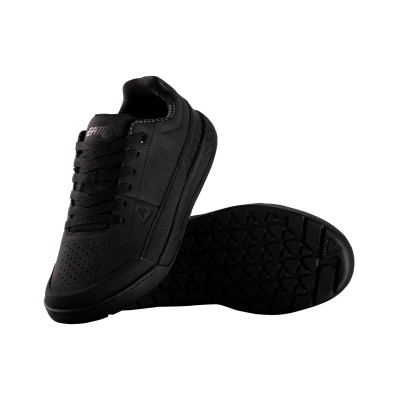
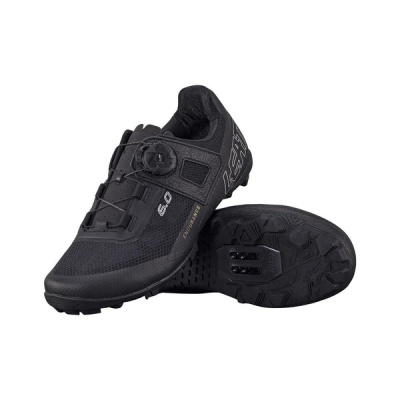
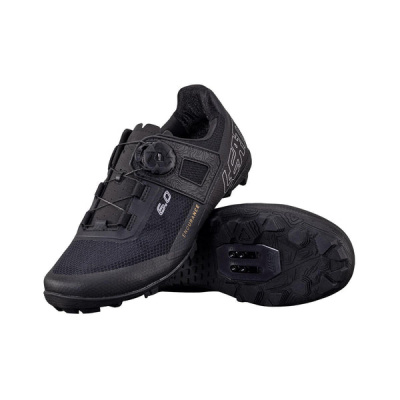
The range splits cleanly into Leatt flat pedal shoes and Leatt clipless mountain bike shoes, covering everything from casual trail days to race-focused riding where stiffness and power transfer matter. Flat models lean on the RideGrip Pro compound and WaffleGrip pattern to lock your foot to the pins without clipping in. Clipless versions add a reinforced shank and an extended cleat channel that's genuinely useful on UK mud - where standard channels pack solid in about five minutes on a wet Welsh descent.
Uppers combine synthetic leather with breathable mesh panels, keeping weight down on summer gravel rides while shedding the kind of clay-heavy mud you get grinding through the Peak District in November. The anti-compression EVA midsole cushions heavy landings without turning squashy underfoot. Whether you're chasing trail centre laps or bridleway miles, there's a Leatt shoe built around how you actually ride.
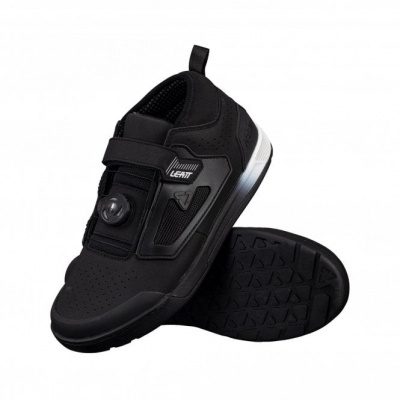
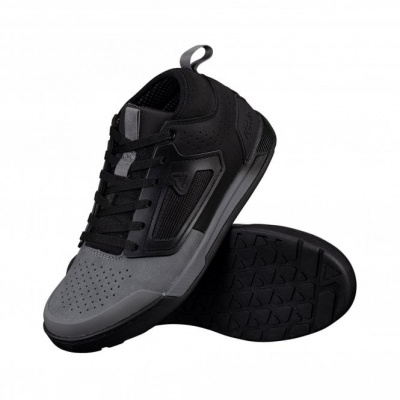
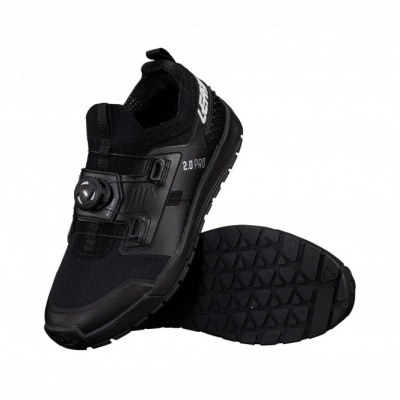
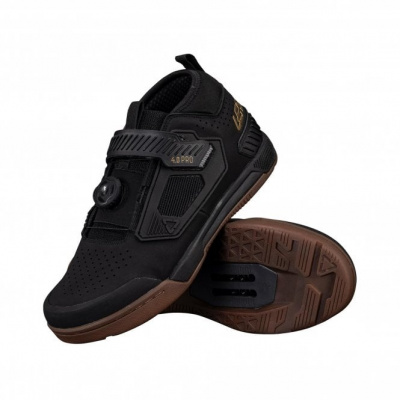
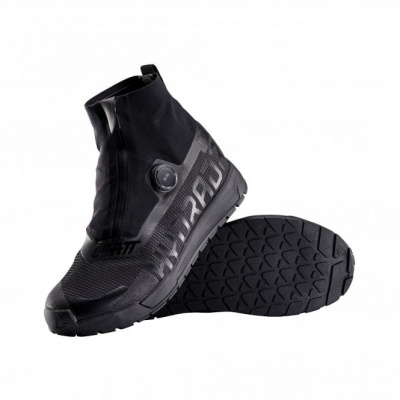
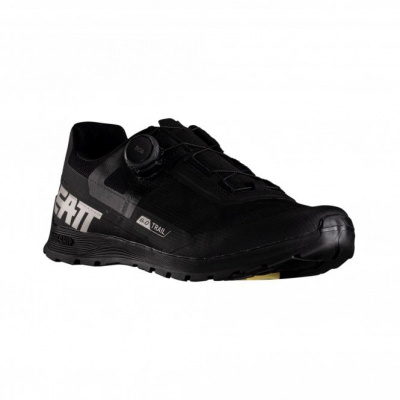
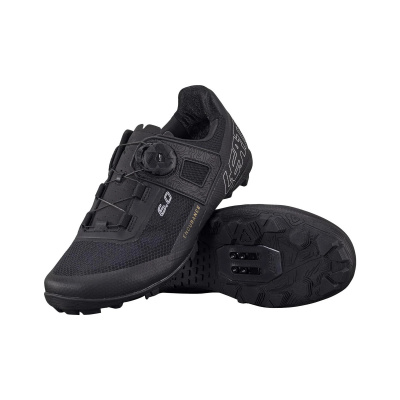
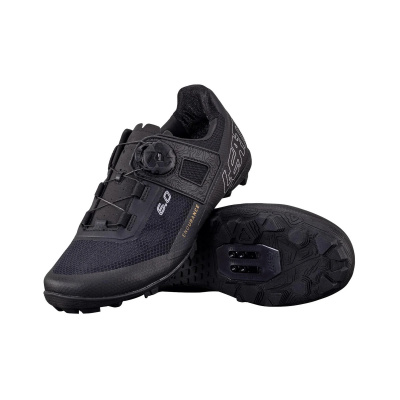
Prices and availability can change quickly. Delivery charges are not always included in listed prices.
Final price, stock status and delivery terms are set by retailer. We may receive a commission on purchases made.
Sole Technology and How It Handles UK Conditions
The grip story starts with the rubber, and Leatt runs two distinct compounds across the range. Standard RideGrip offers solid durability and reliable traction for most conditions - fine for dry trail centres or summer gravel. RideGrip Pro is the one worth knowing about for UK riding: it's a softer, tackier formulation engineered to stay grippy on wet roots and slick limestone, the kind of surfaces that make cheaper rubber feel like soap. It also resists tearing better under sustained pin contact, which matters if you're logging serious hours on aggressive flat pedals.
The WaffleGrip Pro pattern works with the compound rather than against it. Those raised lugs are shaped to channel around individual pedal pins, creating a mechanical interlock rather than just surface friction. On a loose, wet descent in the Brecon Beacons, the difference between a shoe that grips and one that just sits on the pedal is immediately apparent. Leatt's pattern optimises that engagement without the sole feeling stiff or unresponsive underfoot.
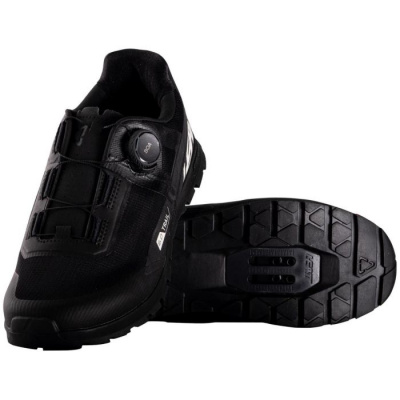
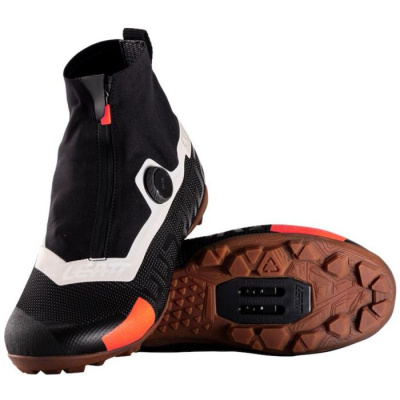
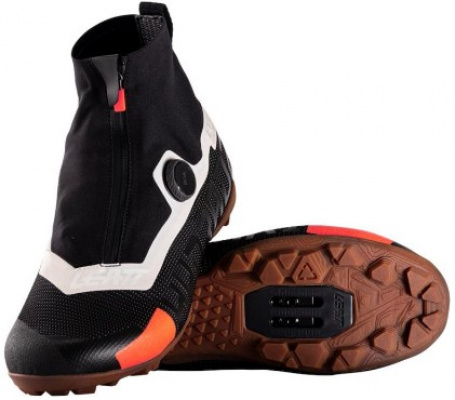
For wet UK winters, mud clearance is a real consideration. Leatt's extended cleat channels on clipless models are cut wide enough to shed thick mud rather than pack it in - a detail that sounds minor until you're halfway up a hike-a-bike section and your cleat won't engage. On the upper, synthetic panels dry faster than natural materials, and the breathable mesh zones stop your feet cooking on longer gravel efforts when the sun occasionally shows up. It's a practical balance rather than a compromise.
Understanding the Leatt Shoe Range and Getting the Fit Right
Leatt uses a numerical naming system - broadly running from 1.0 at the accessible end through to 7.0 at the race-focused top - that signals where each shoe sits in terms of stiffness, features, and intended use. Lower numbers lean towards comfort and walkability, useful if your rides involve significant hike-a-bike or you're commuting to the trailhead. Higher numbers progressively stiffen the shank for more aggressive power transfer, with carbon-reinforced soles appearing towards the top of the range where every watt counts.
Fit across the range runs snug and performance-oriented - Leatt shapes these shoes to hold the foot without allowing movement, which pays dividends on technical riding but can feel firm if you're used to a roomier last. Most riders find them true to size, though if you typically ride in thicker waterproof socks through winter, sizing up half a size gives you the breathing room you need without losing that locked-in feel. The directional heel lining is a subtle but effective detail: it's shaped to resist heel lift during hike-a-bike sections, keeping the shoe planted rather than slipping with each step on steep ground.
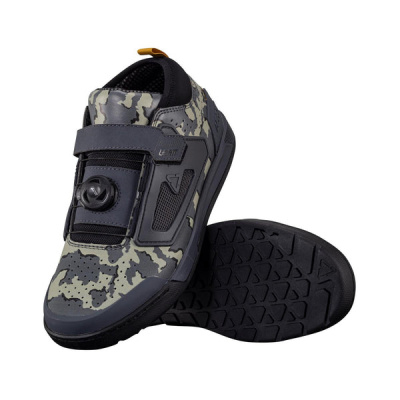
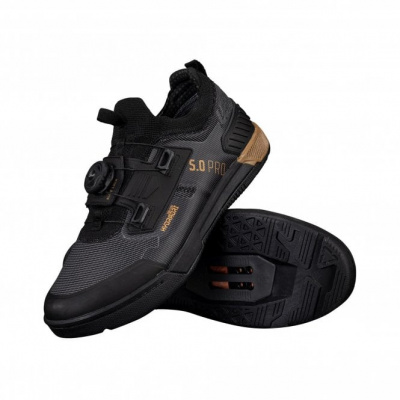
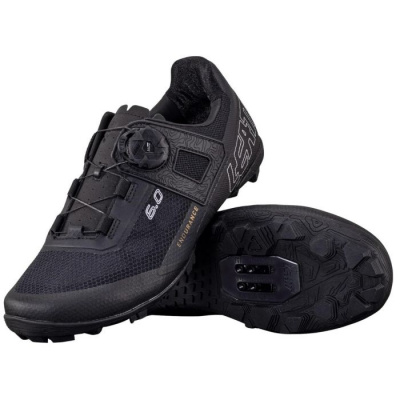
Lacing splits between traditional laces on more trail-oriented models and the ATOP dial system on higher-spec options. The ATOP system lets you make micro-adjustments on the fly - worth having on longer days where foot swelling changes the fit, or when you want to loosen off slightly for a technical hike without stopping to faff with laces. It's a genuine functional addition rather than a cosmetic upgrade. If you're also interested in Leatt road shoes or footwear for younger riders, our dedicated Leatt kids shoes page covers those separately - the MTB range here focuses purely on off-road adult footwear.
Need something to compare against? Five Ten MTB shoes remain a strong flat pedal benchmark, while Ride Concepts MTB shoes offer a broader last that suits riders finding Leatt's performance fit too narrow.
Pedal Pairing and Looking After Your Shoes
Leatt shoes work with any quality flat or clipless pedal, but they're tuned with Leatt pedals in mind - the pin height and spacing on those platforms is matched to the WaffleGrip sole depth, so if you're already riding Leatt pedals, the engagement is noticeably dialled. That said, paired with other reputable flat pedals the RideGrip Pro compound still performs well; you're not locked into an ecosystem.
For SPD compatible clipless models, take a moment when setting up cleats to use the full length of the extended cleat channel. Positioning the cleat towards the rear of the channel increases mud clearance underneath - a small adjustment that keeps engagement clean on days when the trail is more slurry than singletrack. Worth doing before you head out, not after you're already caked.
Care is straightforward but the basics matter. Rinse mud off with cold water and a soft brush after rides; avoid hosing directly into the sole-upper bond. Don't machine wash - the adhesives that bond the anti-compression EVA midsole to the upper don't respond well to sustained heat and agitation. Equally, keep them away from radiators or direct heat for drying; stuff with newspaper and leave them somewhere with airflow overnight. It's dull advice, but it's the difference between shoes that last two seasons and ones that start delaminating by spring. Pair them with Leatt gloves and Leatt knee pads for a consistent contact-point setup across the whole ride.
If you're building out a full kit alongside, Leatt jerseys and Leatt MTB baggy shorts are worth a look - the brand's fit philosophy carries through the apparel range consistently. And if the Leatt fit doesn't quite work for you, Fox MTB shoes offer an alternative with a slightly different last shape that some riders find more accommodating.
Leatt MTB & Gravel Shoes FAQs
Are Leatt MTB shoes true to size?
Generally, yes - Leatt MTB shoes run true to size, but the fit is snug and performance-oriented by design. If you regularly wear thick waterproof socks for winter riding, going up half a size gives you the room you need without losing the locked-in feel the shoes are built around.
What is the difference between Leatt flat and clipless shoes?
Leatt flat pedal shoes use the WaffleGrip Pro sole pattern to interlock mechanically with pedal pins - no clipping in required. Clipless models have a stiffer shank for efficient power transfer and an extended cleat channel that accommodates SPD-style cleats while actively shedding mud, which is useful on UK winter trails.
Are Leatt MTB shoes waterproof?
Most Leatt MTB shoes are not fully waterproof, but the synthetic uppers are highly water-resistant and the materials are chosen to dry quickly after wet rides. For sustained rain or deep puddles, pairing them with waterproof riding socks is the most practical fix and keeps your feet dry without compromising breathability on drier days.