
Fox MTB & Gravel Shoes
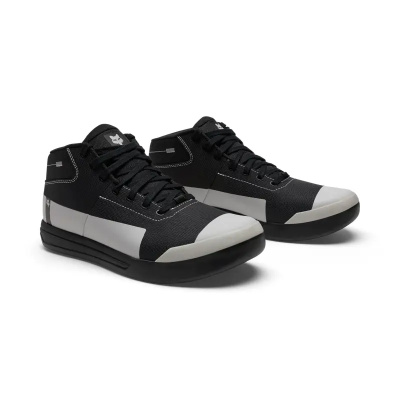
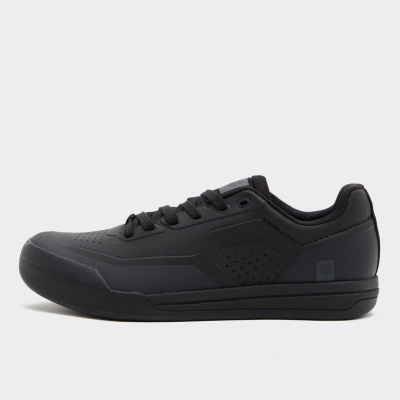
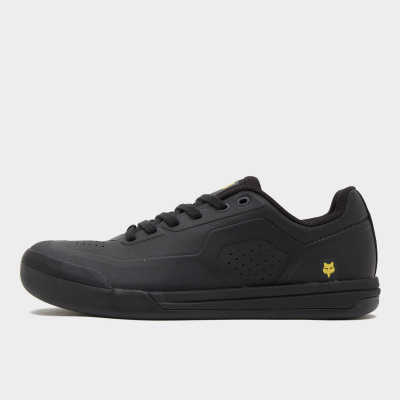
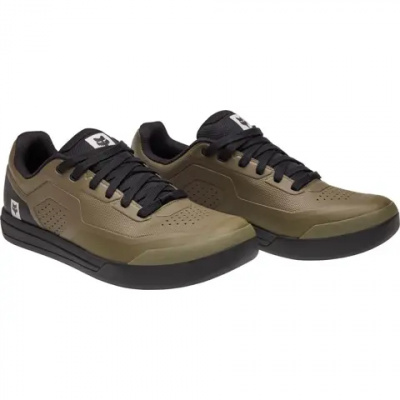
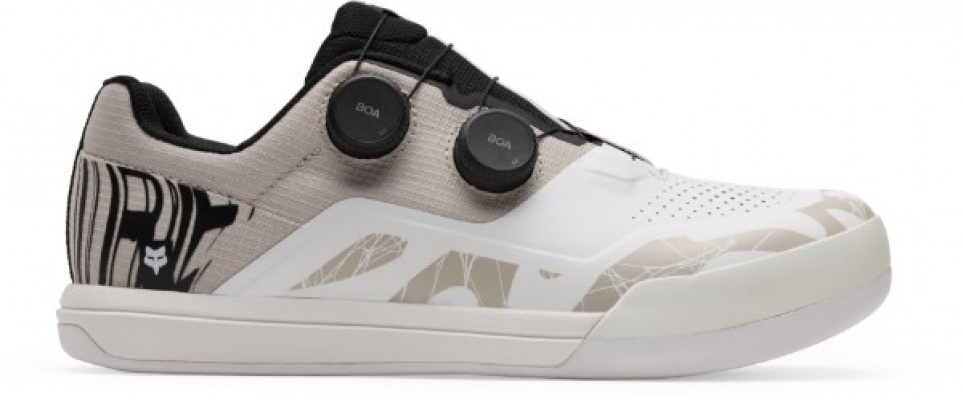
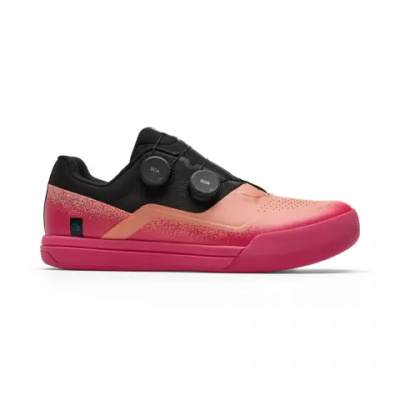
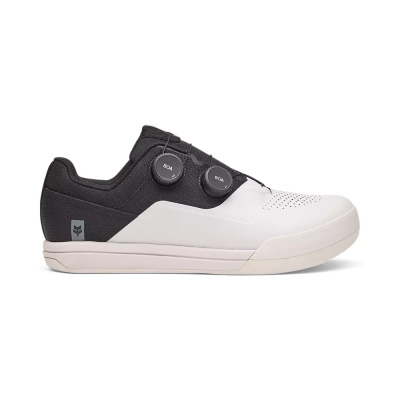
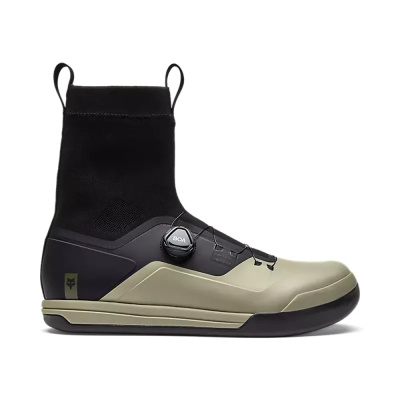
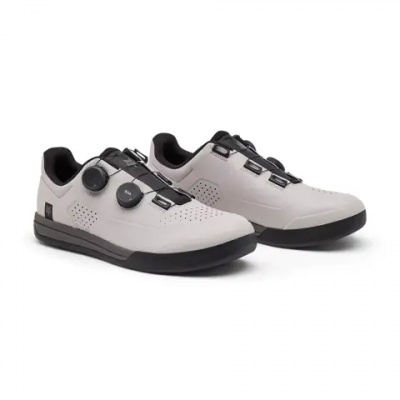
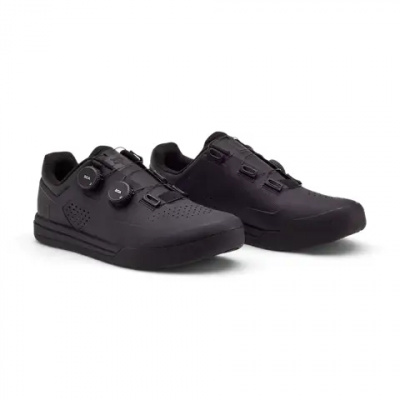
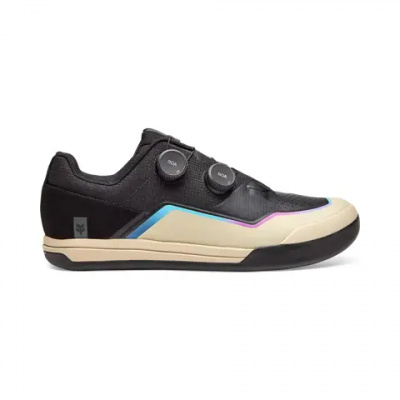
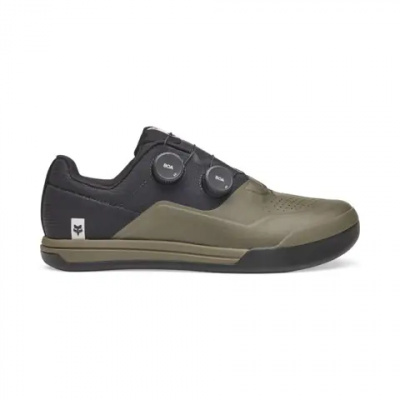
Fox MTB & Gravel Shoes have been refined through years of gravity racing and enduro punishment, and that pedigree shows the moment you pick one up. The construction is serious: welded, seamless uppers that shed trail spray and caked chalk mud before you've even reached the van, molded toe caps that shrug off rock strikes without bulking out the profile, and Fox's proprietary Ultratac™ rubber compound underfoot - a hex-lug outsole that grips pedal pins like they're magnetised and keeps you planted on slick roots during hike-a-bike sections.
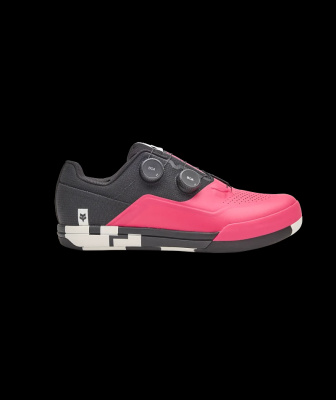
Whether you're after the raw pedal feel of a flat shoe or the locked-in efficiency of a BOA Li2-dialled clipless setup, the range covers both ends without compromise. The clipless models pair an SPD compatible recessed cleat box with a stiff internal nylon shank for clean power transfer on long Peak District climbs, while the flat variants tune their flex zone specifically for pin engagement and foot movement on the pedal. The custom-tuned EVA midsole in both families absorbs trail chatter so your feet aren't wrecked after a full day's riding. Practical, protective, and built for the kind of conditions that make British riding so interesting - and so messy.
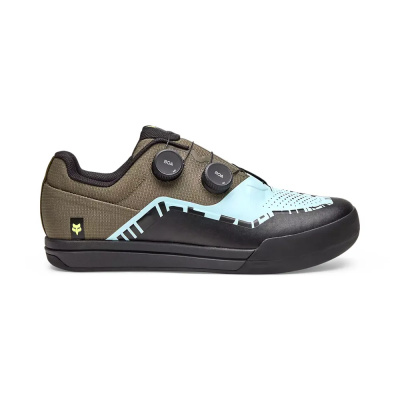
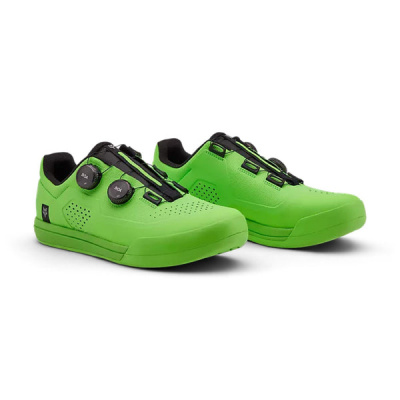
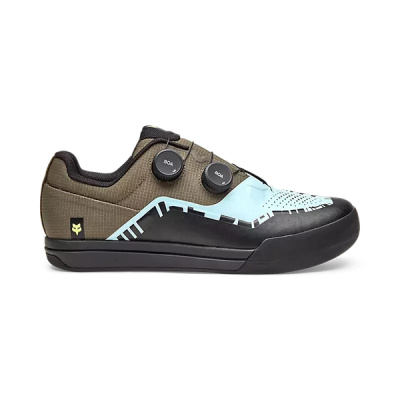
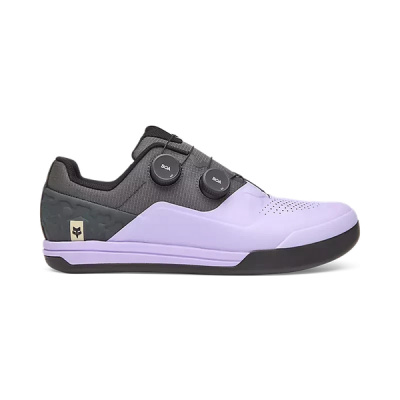
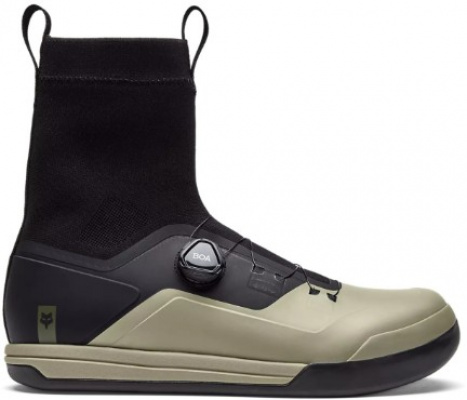
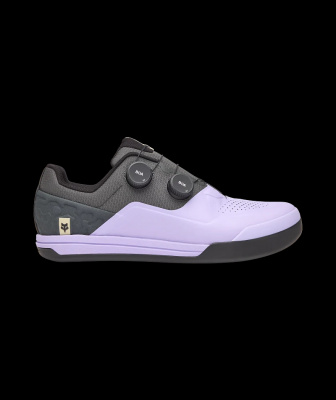
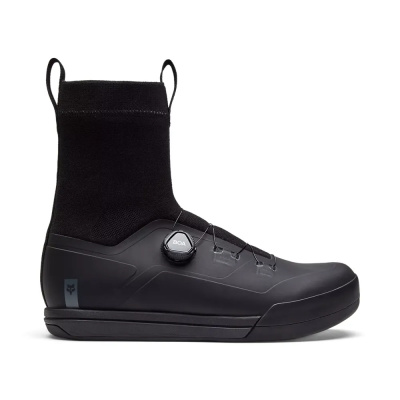
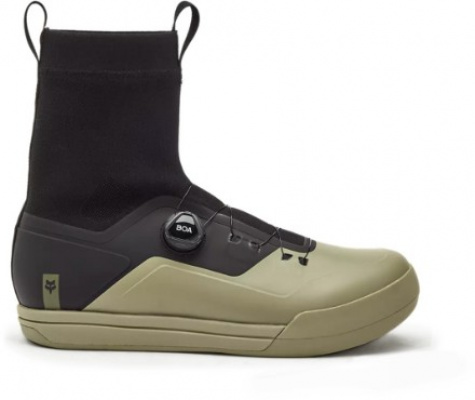
Prices and availability can change quickly. Delivery charges are not always included in listed prices.
Final price, stock status and delivery terms are set by retailer. We may receive a commission on purchases made.
Construction & Weather Performance
The first thing to understand about Fox's shoe construction is that the upper isn't stitched together from multiple panels - it's welded. That one-piece, seamless build means there are no seam gaps for mud or water to funnel through, which matters enormously when you're hammering wet singletrack in the Brecon Beacons or navigating chalk slurry on the North Downs. Post-ride cleanup is faster too: a quick hose-down and the mud slides off rather than embedding itself in stitching. The welded upper also holds its shape better over time, resisting the stretch and deformation that hits traditional fabric shoes after a hard season.
Underneath, the Ultratac™ rubber compound is where Fox puts a lot of its development effort. The hex-shaped lug pattern does two distinct jobs: on the pedal, the flat zones between lugs give pedal pins a wide, consistent surface to bite into, creating that locked-on sensation that flat pedal riders chase. Off the bike - on a hike-a-bike up a greasy Lakeland fell, say - the lug edges dig into soft ground and wet rock alike, providing genuine hike-a-bike grip rather than the skating-rink experience you get from soles tuned purely for pedal contact. The EVA midsole sits between the outsole and your foot, damping the constant micro-vibrations from rough trail surfaces so your soles aren't beaten raw on longer days out.
Reinforced heels and a molded toe cap round out the protection package. These aren't decorative - if you've ever clipped a boulder mid-pedal stroke or had your foot dragged through a rock garden, you'll know exactly why they're there.
The Fox Shoe Range: Flat Versus Clipless, and Where Each Fits
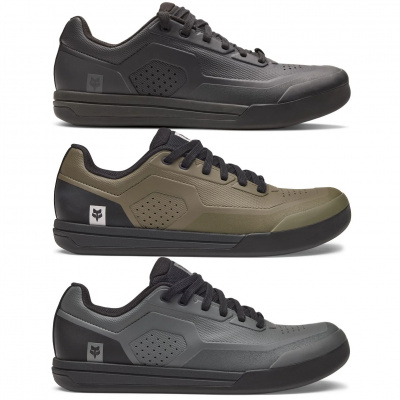
Fox's footwear line centres on the Union family, which breaks into four distinct models. Getting the right one matters, so it's worth being clear about what each does.
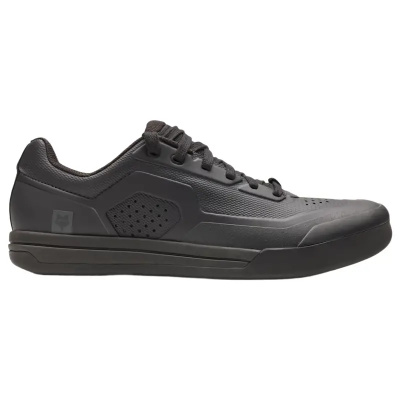
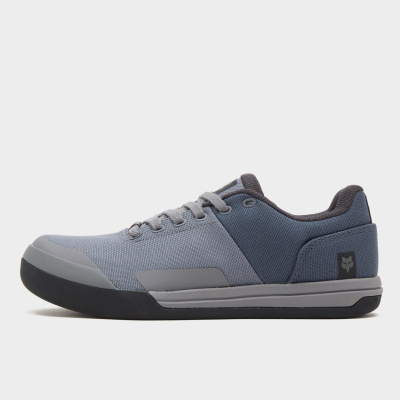
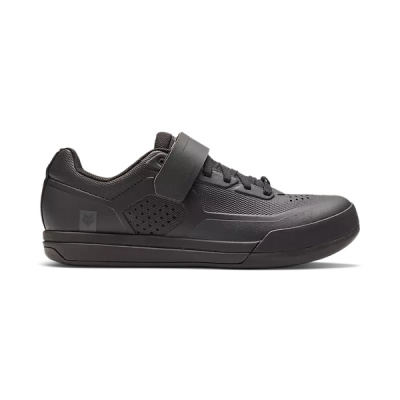
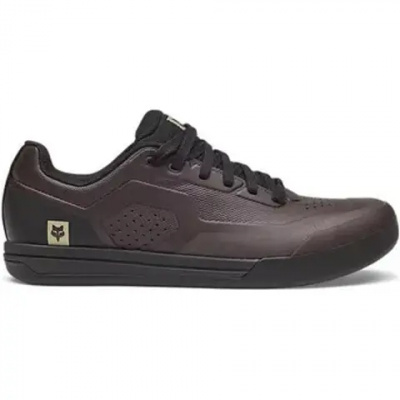
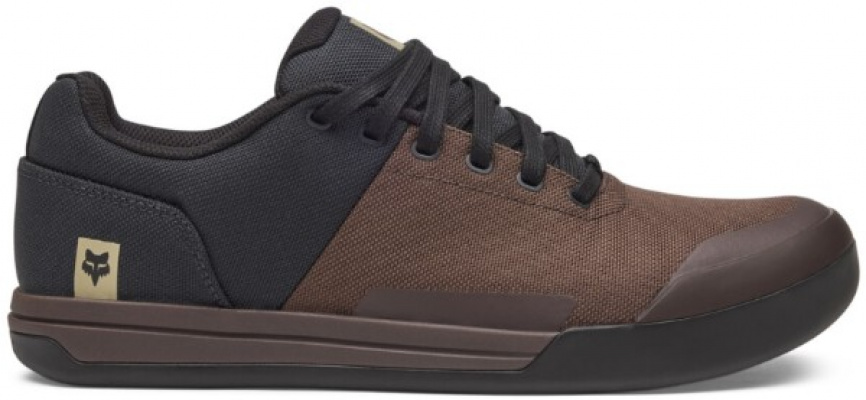
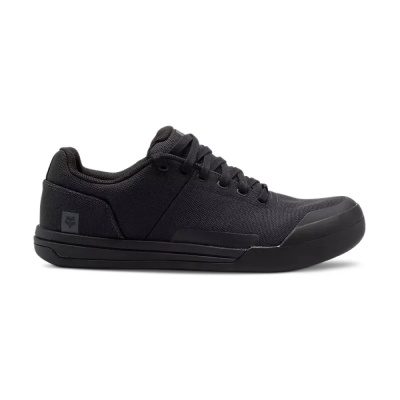
The Union Canvas sits at the casual end - a low-key, skate-influenced shoe that works well for dirt jumping and bike park laps where you want something comfortable enough to walk around in. It's not built for technical enduro or long days in the saddle. The Union Flat is the proper trail shoe: stiffer than the Canvas but with a deliberately tuned flex zone that lets you feel the pedal beneath your foot, read grip changes, and weight the bike intuitively. The Ultratac outsole here is optimised entirely for flat pedal pin engagement, with no cleat compatibility to worry about.
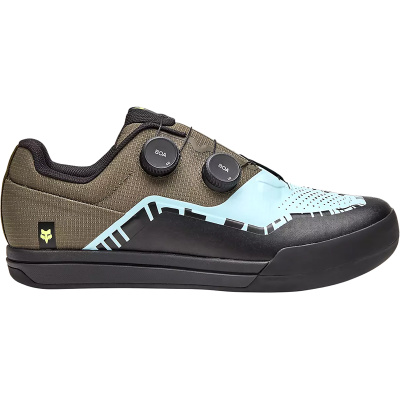
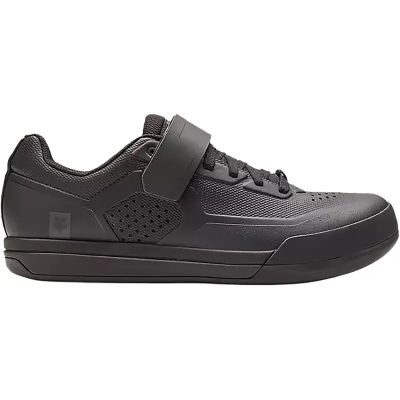
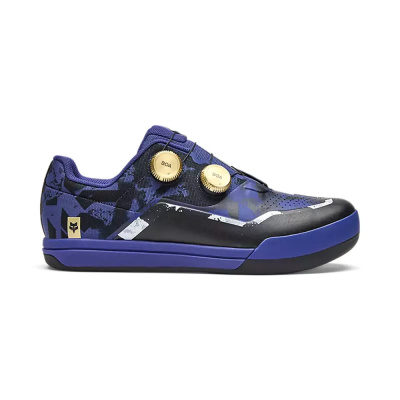
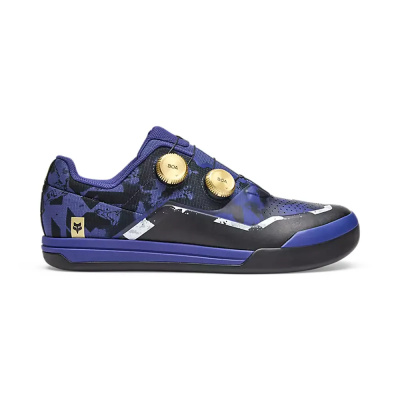
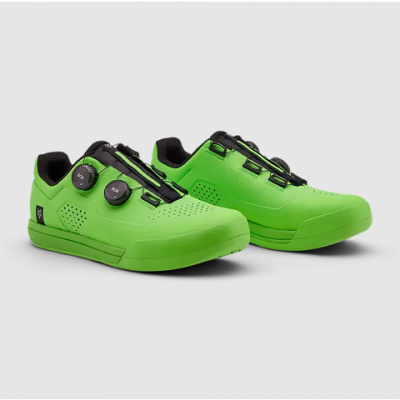
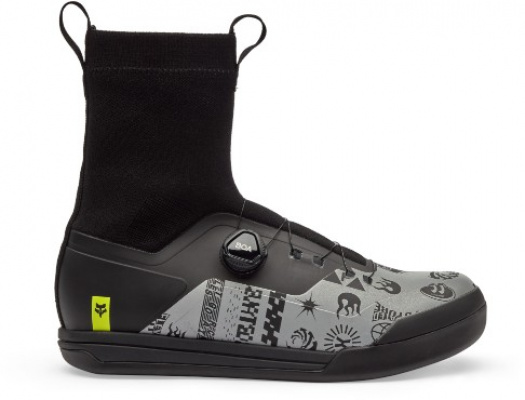
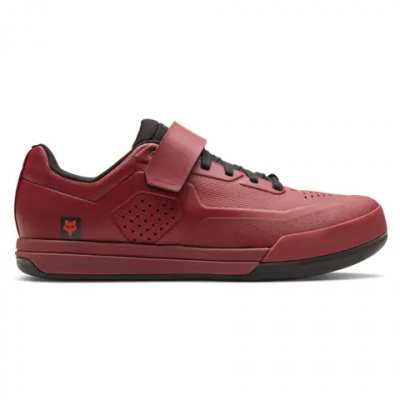
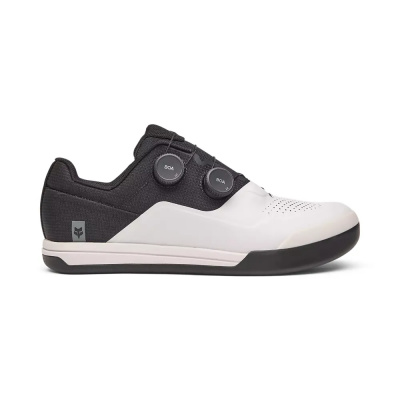
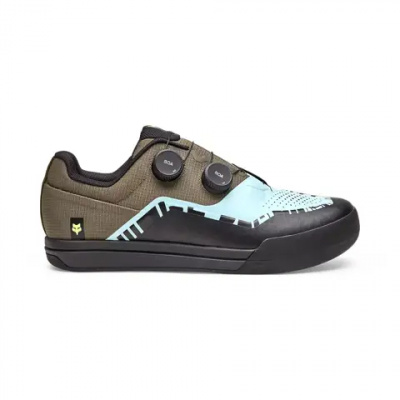
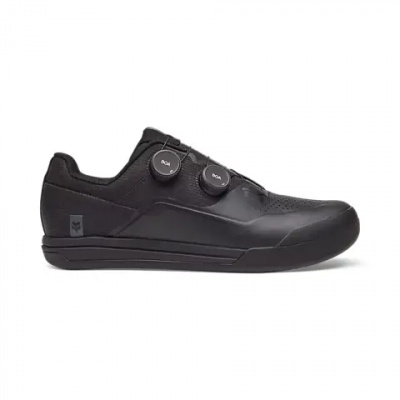
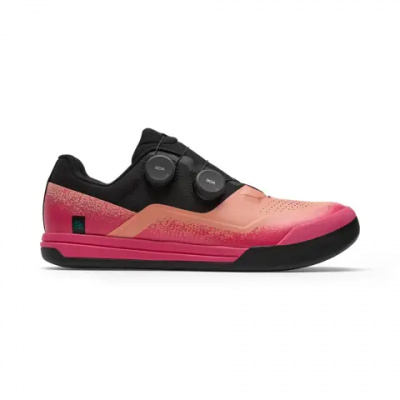
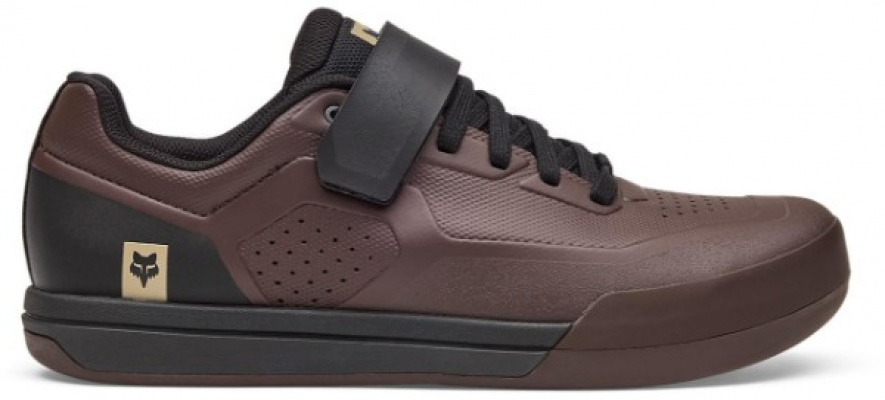
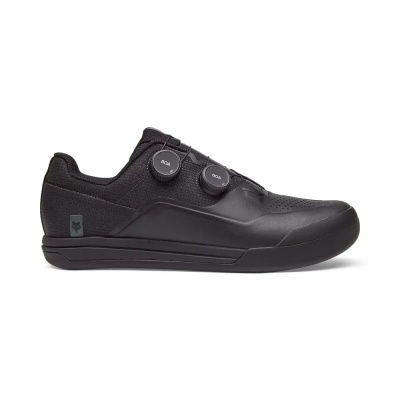
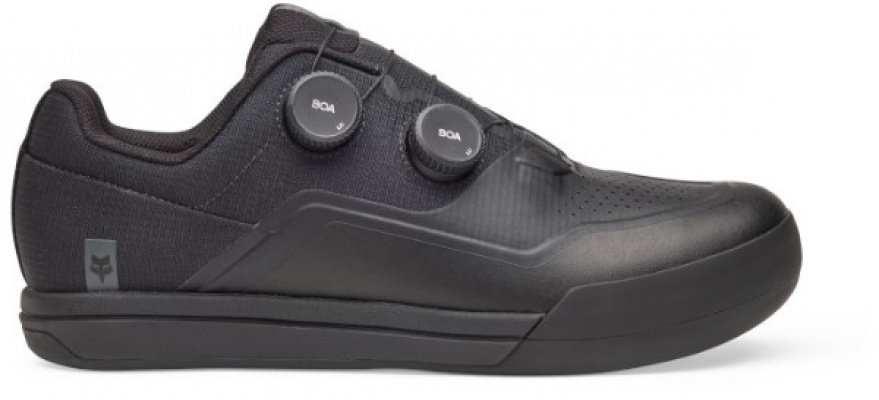
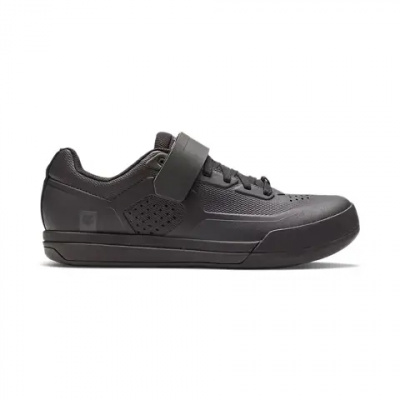
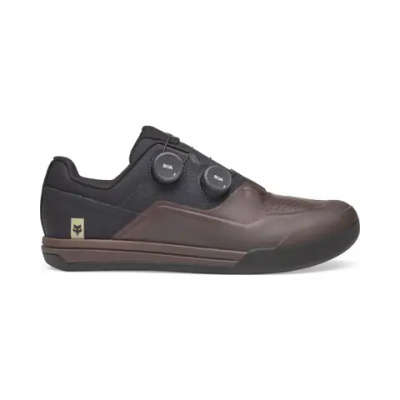
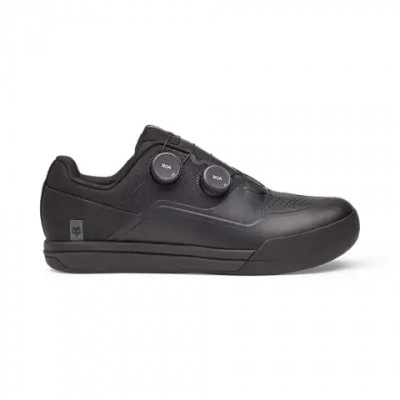
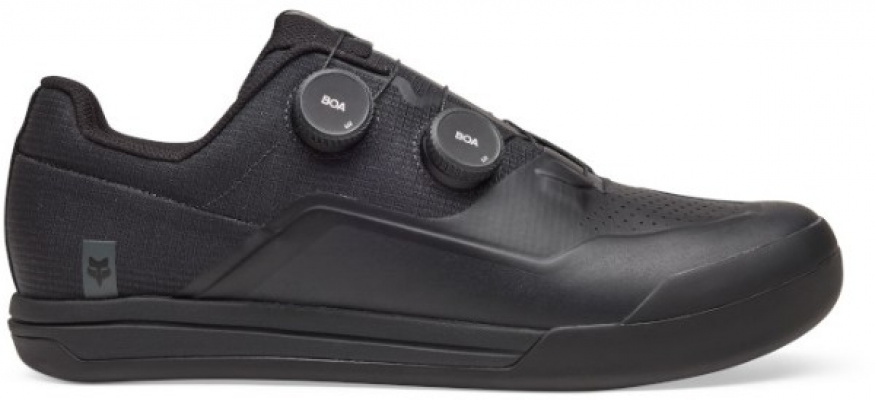
Step up to the Union clipless model and you get a recessed SPD cleat box - your cleats sit flush, so you can still walk normally - combined with an internal nylon shank that stiffens the stiffness index considerably versus the flat models. That rigidity translates directly into power transfer: every watt you put through the cranks goes into forward motion rather than being absorbed by a flexing sole. Lacing is traditional, which some riders prefer for even pressure distribution. If you want to ditch the laces entirely, the Union BOA tops the range with dual BOA Li2 dial closures - two independent micro-adjustment dials that let you tweak tension across the forefoot and instep separately, even mid-ride with gloves on. That level of on-the-fly adjustability is genuinely useful on long enduro stages where your feet swell over the course of the day.
Compared to the likes of Five Ten MTB shoes - which lean heavily on Stealth rubber for pure flat pedal grip - Fox's clipless models offer a more rounded choice if you switch between disciplines. Ride Concepts MTB shoes compete at a similar price point with a comfort-first build, while Crank Brothers MTB shoes integrate their own cleat system rather than standard SPD, which locks you into their pedal ecosystem. Fox's SPD-compatible approach keeps your options open.
Fit runs standard width with a secure heel cup that holds your foot in place under hard braking and cornering loads. There's no unusual narrowing in the toe box, so most riders find their regular shoe size works without issue. If you're comparing models, the flat variants have a marginally roomier feel through the forefoot given the absence of a cleat plate stiffening the structure.
Year-Round Riding & Keeping Them in Good Shape
These shoes are genuinely usable through a British winter, but a couple of adjustments make that more comfortable. The quick-drying internal materials handle damp reasonably well, but for back-to-back riding weekends in genuinely wet conditions - think a Highlands trip in October - pairing the shoes with waterproof socks is the sensible call. If you go that route, size up by half a size before you buy; waterproof socks add meaningful volume and a snug fit turns uncomfortable fast. Pair them with Fox socks designed for the same conditions and you've got a system that works rather than just layers of kit fighting each other.
Care is straightforward but there are two rules worth knowing before you wreck a decent pair of shoes. First: wipe the welded uppers down with a damp cloth or soft brush and mild soap after muddy rides. The seamless construction makes this quick. Second, and this is non-negotiable - don't put them in the washing machine, and don't dry them on a radiator or near a direct heat source. The adhesives that bond the Ultratac sole to the midsole degrade fast under sustained heat, and once delamination starts, it's not fixable. Stuff them with newspaper after a wet ride and leave them somewhere with airflow overnight. They'll be ready by morning.
Beyond footwear, if you're building out a full kit setup, Fox MTB baggy shorts and Fox jerseys are designed with the same riding conditions in mind - and Fox gloves complete the contact-point picture if you're standardising around the brand's fit.
Fox MTB & Gravel Shoes FAQs
Are Fox MTB shoes true to size?
Yes, Fox MTB shoes run true to size with a standard width fit and a heel cup that holds firm under load. The one exception: if you plan to wear waterproof socks for winter riding, go half a size up to keep circulation comfortable and avoid a pressure-point fit.
What is the difference between Fox Union flat and clipless shoes?
The Union Flat uses a solid Ultratac rubber outsole tuned for pedal pin grip, with a deliberately flexible sole that lets you feel and weight the pedal naturally. The clipless Union models add a recessed SPD cleat box and a stiff internal nylon shank for power transfer - the Union BOA also gives you dual micro-adjustable dials rather than laces.
How do you clean Fox mountain bike shoes?
Wipe the welded uppers down with a damp cloth or soft brush and mild soap after every muddy ride - the seamless construction makes this quick work. Never machine-wash them or dry them near direct heat; both will degrade the adhesives bonding the Ultratac sole and cause delamination that can't be reversed.