
Fox Socks
Fox MTB socks are engineered from the ground up to keep your feet comfortable, dry, and properly planted on the pedals - because foot comfort is more directly linked to bike control than most riders give it credit for. Ignore your socks and you'll know about it on lap two.
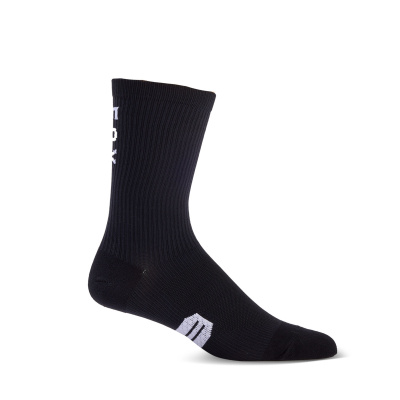
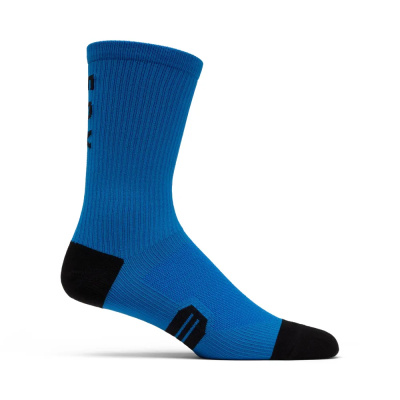
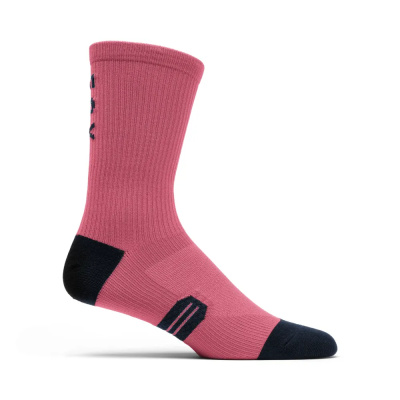
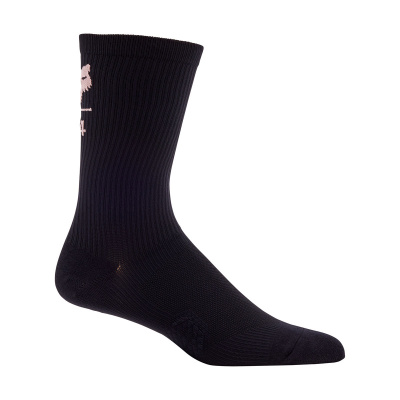
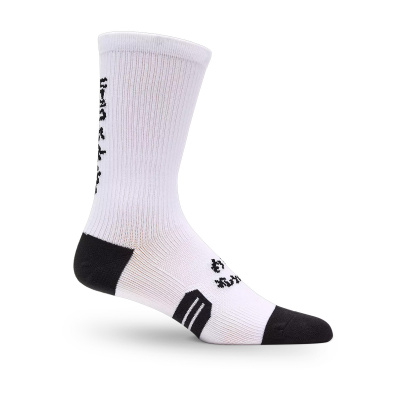
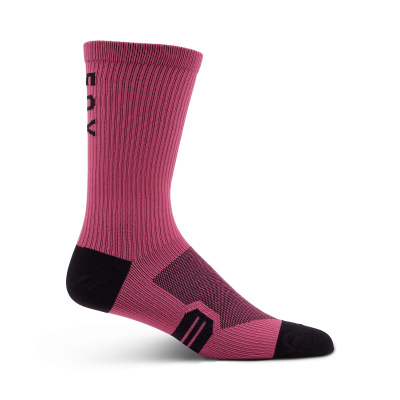
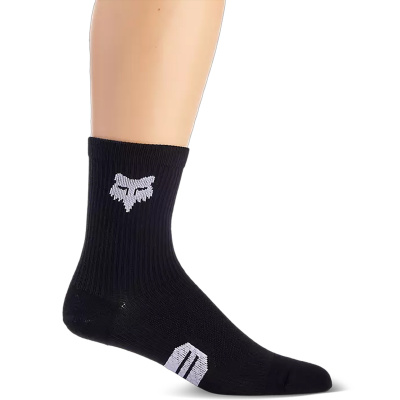
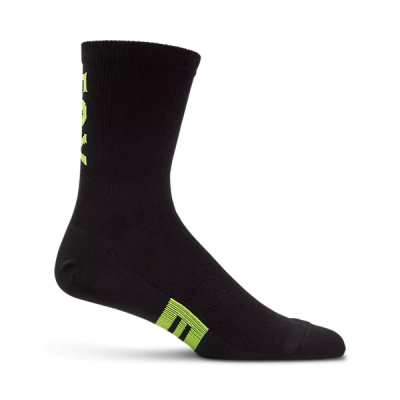
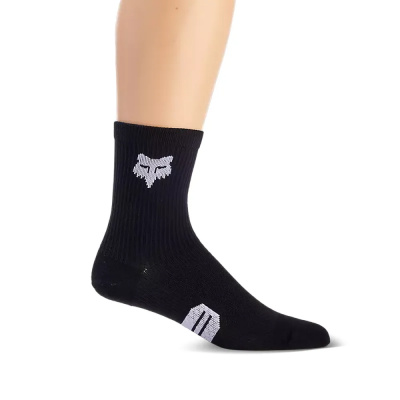
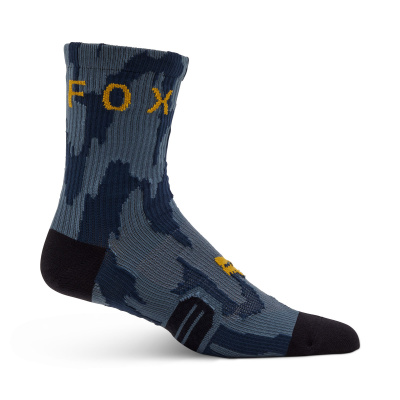
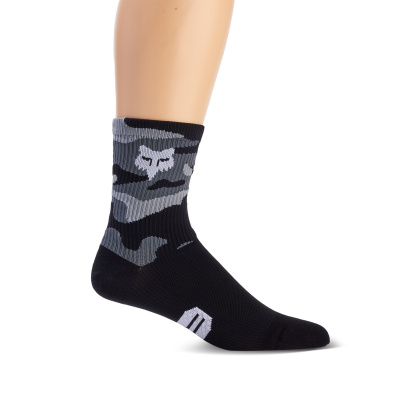
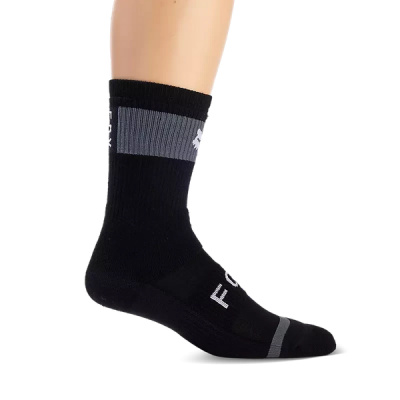
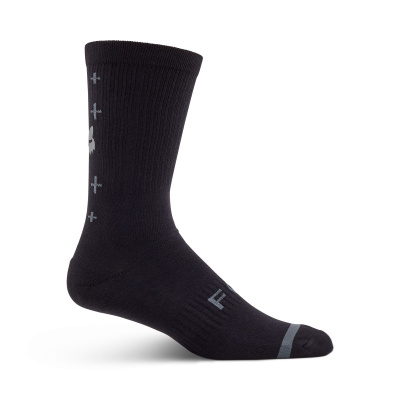
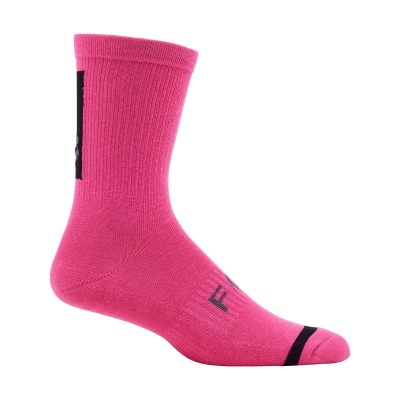
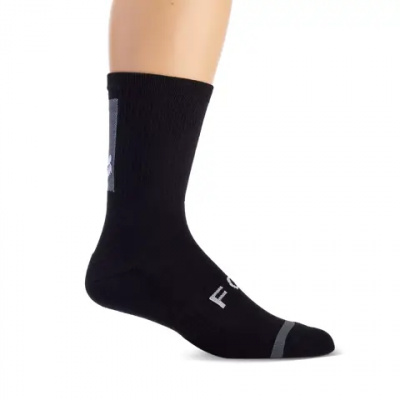
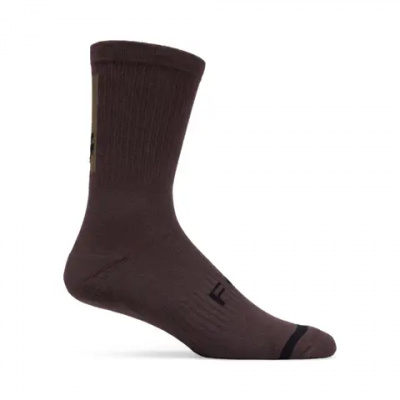
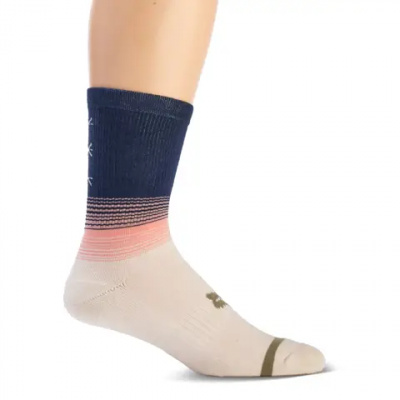
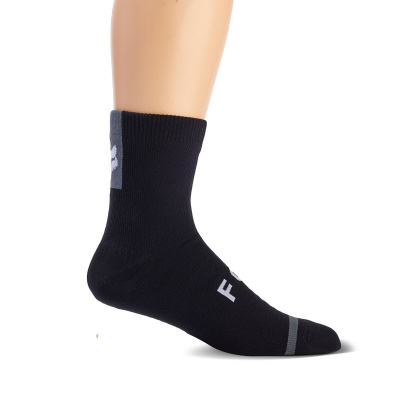
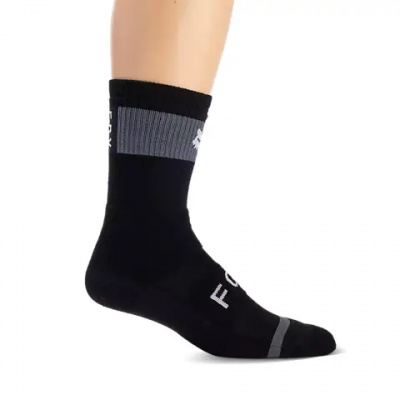
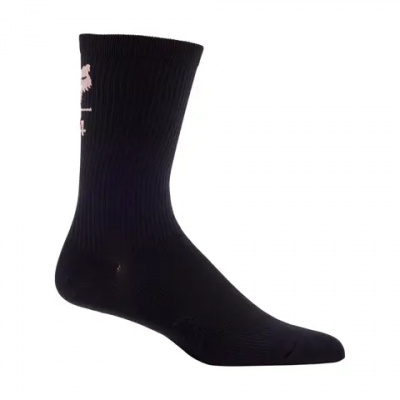
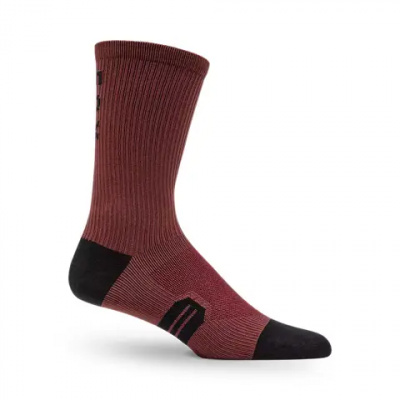
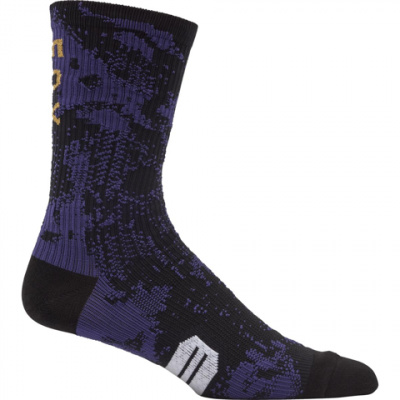
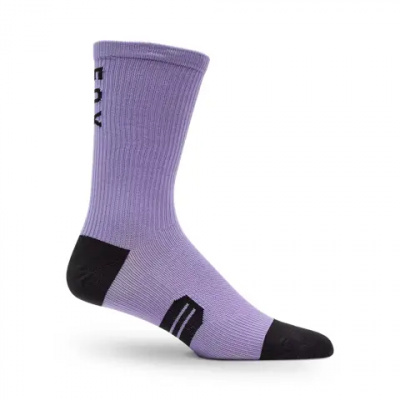
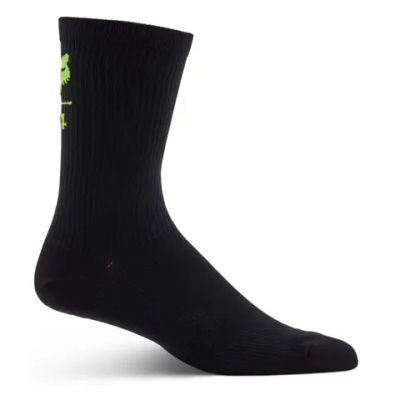
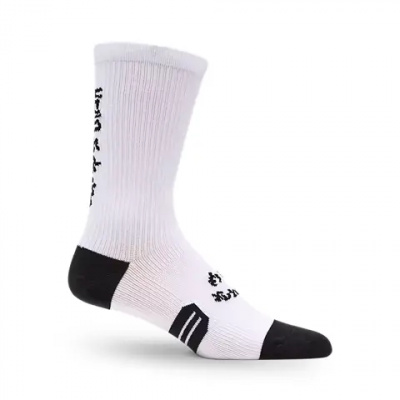
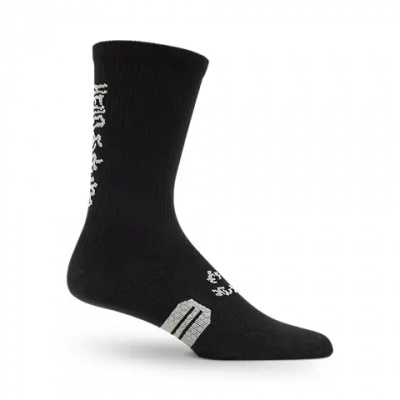
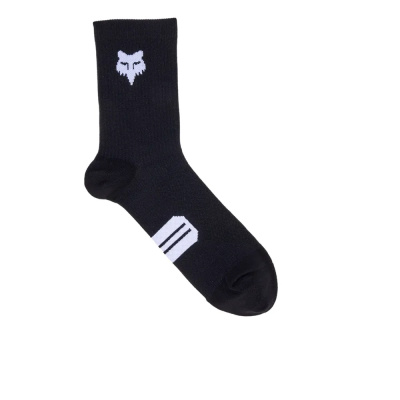
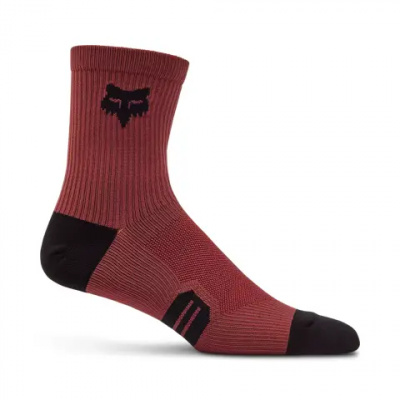
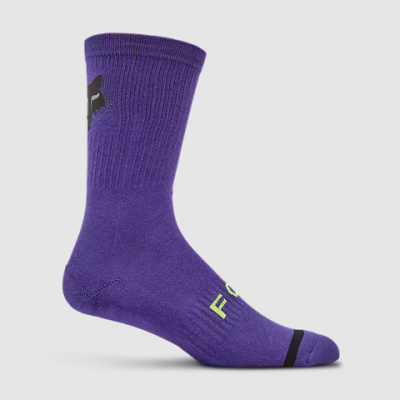
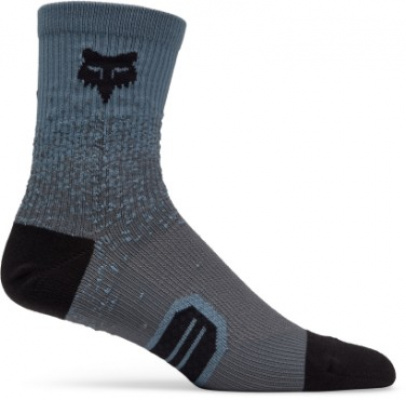
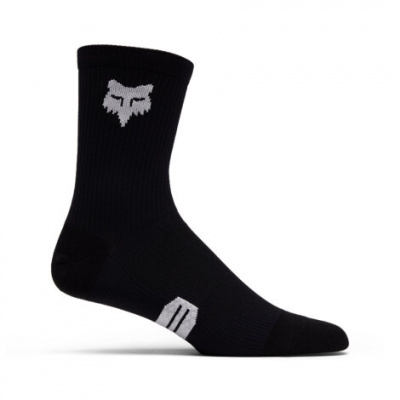
Fox splits its sock lineup into three clear performance tiers. The Ranger is the everyday trail workhorse - balanced weight, breathable, and versatile enough for most rides you'll throw at it. The Defend steps up for gravity and enduro riding, with thicker knit construction and reinforced zones where your boot eats into the fabric. The Flexair is the stripped-back, race-weight option for hot summer days when you want as little between your foot and the pedal as possible.
Across the range, Fox uses flat-stitch toe construction to remove that irritating seam ridge that causes blisters on longer days out. Compressive arch support stops the sock bunching up inside your MTB shoe mid-ride. And depending on which model you pick, you're getting either breathable mesh panels, Merino wool blends for cold and wet days, or polyurethane membrane waterproofing for when the trail resembles a Somerset drain ditch. Solid kit, properly thought through.
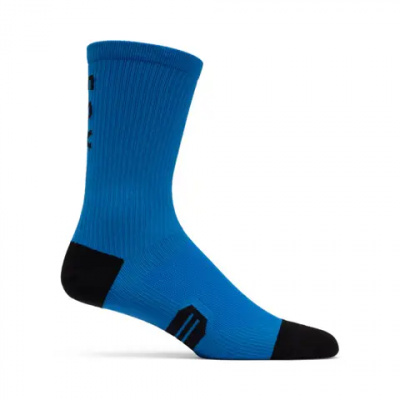
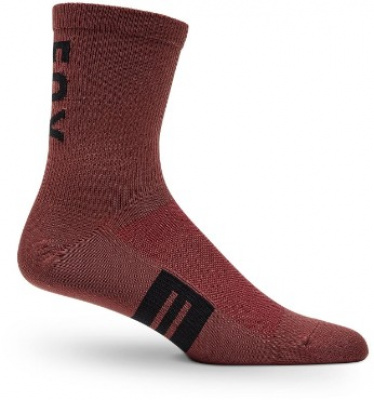
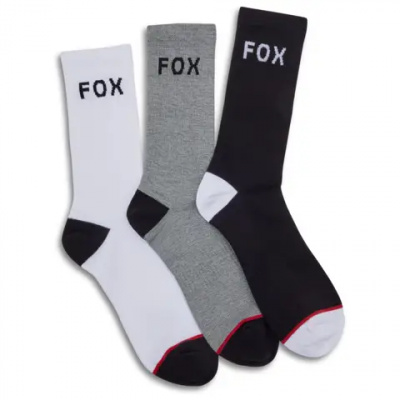
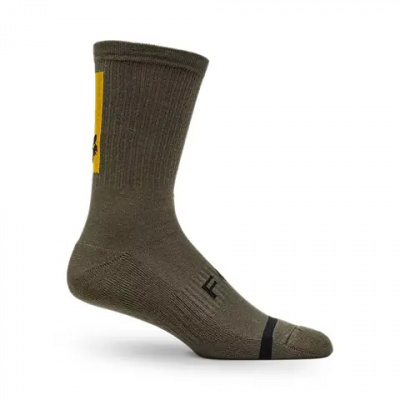
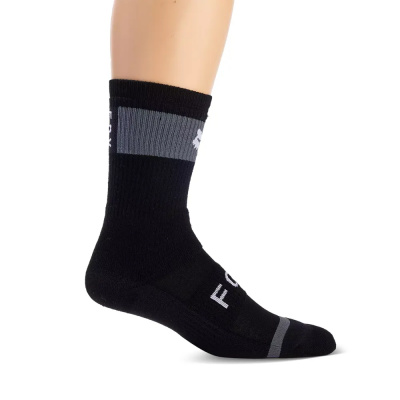
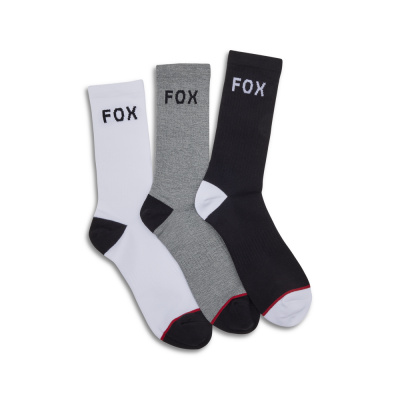
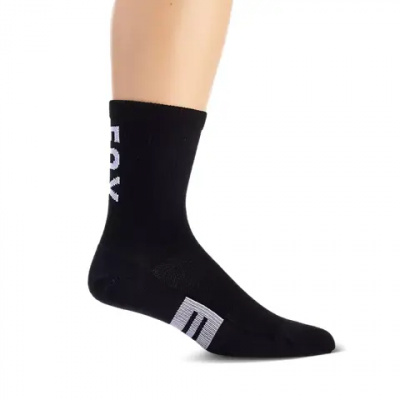
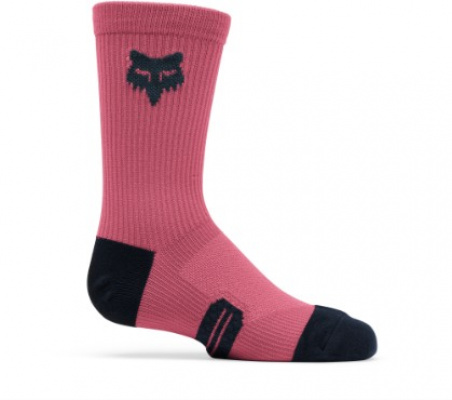
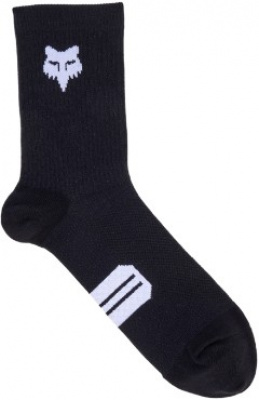
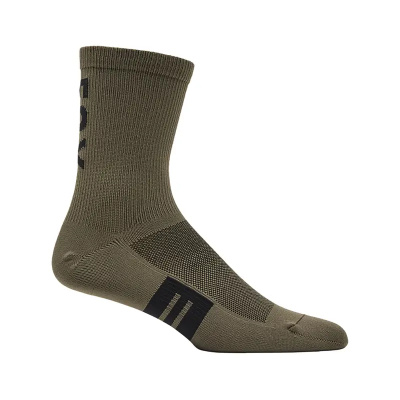
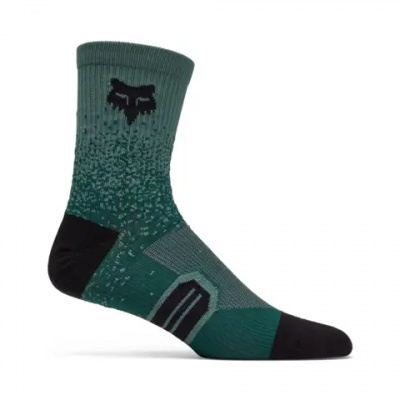
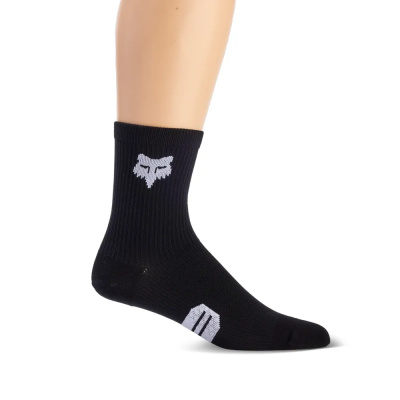
Prices and availability can change quickly. Delivery charges are not always included in listed prices.
Final price, stock status and delivery terms are set by retailer. We may receive a commission on purchases made.
Fabric Tech and How It Handles UK Weather
The material story across the Fox sock range is genuinely varied - this isn't one base fabric stretched across different colourways. The Flexair and Ranger lines lean on breathable mesh panels positioned across the foot and ankle to shift sweat during humid summer climbs. If you've ever cooked your feet on a long fireroad grind in the Chilterns in August, you'll know how much that matters. Moisture-wicking synthetic blends pull sweat away fast, and they dry quickly enough that a puddle splash on the descent won't ruin the next hour.
For colder, wetter months - which describes a significant chunk of the UK riding calendar - Fox uses Merino wool blends in its winter-oriented models. Merino is worth understanding here: it regulates temperature by trapping a thin layer of warm air when dry, and crucially, it retains a degree of thermal performance even when damp. That matters on a day in the Brecon Beacons where you're wet before you've left the car park. It also resists odour better than pure synthetics, which is a bonus after a muddy three-hour loop.
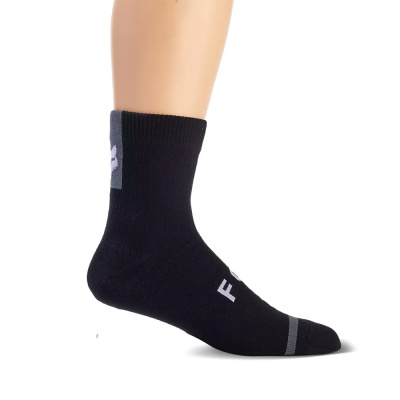
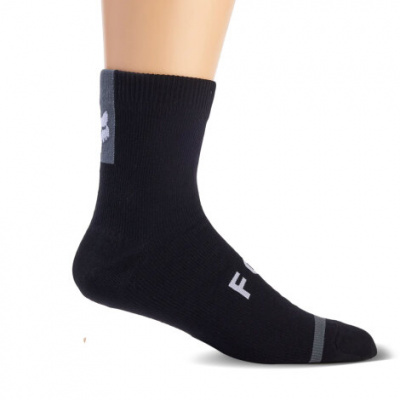
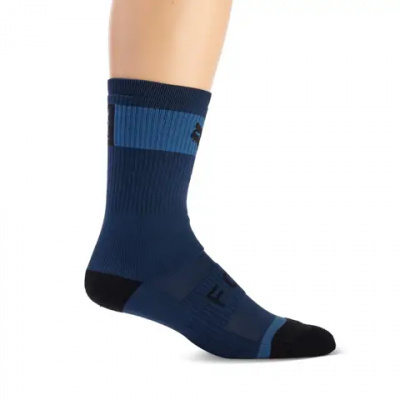
The Defend Water socks go further still, using a polyurethane membrane with a Teflon-based coating to block trail spray and puddle splash. They won't keep your feet dry through a full stream crossing, but for the kind of bog-edged, wheel-spray-heavy riding you get across Scottish and northern English trails from October through March, they make a meaningful difference. Quick-drying synthetic blends in the outer construction mean the exterior sheds water rather than soaking it up like a sponge.
Breaking Down the Range: Ranger, Defend and Flexair
Fox trail socks aren't one-size-fits-all, and it's worth picking the right tier for how you actually ride rather than just grabbing whichever colour works with your kit.
The Fox Ranger socks are the most versatile option in the lineup. A ribbed knit upper keeps them sitting exactly where you put them - no creeping down into the heel of your shoe mid-climb - and the crew length works with most MTB footwear. The weight sits in the middle of the range, which means they're not sweltering on warm days but they're not going to leave you cold on a brisk morning in the Peak District either. Fox Ranger socks are the ones most riders will reach for most of the time.
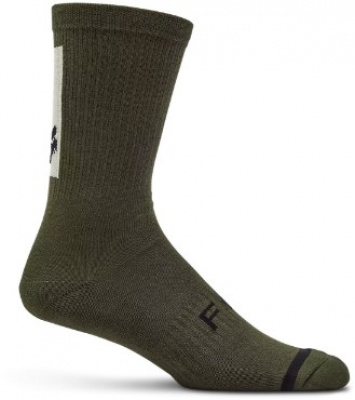
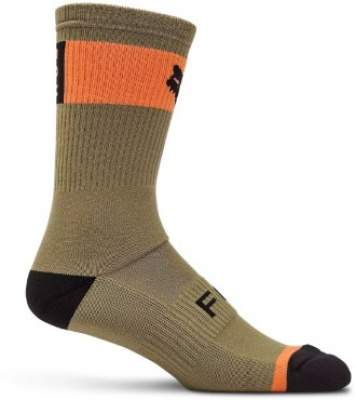
The Fox Defend range is built for harder use. Thicker knit construction across the foot and reinforced heel and toe zones mean these handle the abrasion that comes from aggressive riding - repeated foot strikes, rough boot liners, roots catching your ankle. If you're riding enduro stages, bike parks, or overgrown British woodland where brambles are a genuine hazard, the Defend's durability pays off. The Defend Water variant adds the waterproof membrane for winter-specific use. For comparison, if you're looking at alternatives from other brands, Dexshell socks take a similar waterproofing approach worth considering alongside Fox's offering.
The Flexair sits at the other end of the spectrum. Minimal construction, ultra-low weight, and maximum airflow make these the hot-weather pick. Race-day riders and those who simply run warm will appreciate how little thermal mass is there. The trade-off is durability - these aren't the sock you want if you're riding aggressive lines regularly or your boot fit is on the tighter side.
One practical sizing note: Fox socks use a compressive arch fit, which keeps them locked in place inside your shoe. If you're sitting between sizes, go up. Forcing a smaller size over a wider foot over-stretches the breathable mesh panels and shortens the sock's life noticeably. Brands like Endura and GripGrab take a similar compressive approach, so if you know your size works in those, Fox sizing should translate cleanly.
Fitting Fox Socks Into Your UK Riding Kit
A sock is only as good as the system around it. If you're running Defend Water socks through a wet winter, pair them with Fox MTB trousers or waterproof trail trousers that sit over the sock cuff rather than tucking inside. Water running down your leg and pooling inside the sock defeats the membrane entirely - it's a surprisingly common mistake and easy to avoid.
For warmer months, Ranger or Flexair socks work well with Fox MTB shorts, keeping the ankle exposed and airflow unrestricted. If you're layering for variable British spring weather - and if you're riding regularly in the UK you'll know the temperature can drop ten degrees between the valley floor and the ridge - a Merino-blend sock under a thinner shin guard gives you warmth without bulk.
Care matters more than most people think, especially with Merino and waterproof models. Wash at 30°C on a gentle cycle using a tech-specific or mild detergent. Avoid fabric softener entirely - it coats the fibres and destroys both the moisture-wicking performance and any DWR waterproof treatment in one wash. Air dry away from direct heat; draping them over a radiator degrades Merino fibres and breaks down membrane bonding faster than anything else you can do. Treat them properly and they'll last significantly longer than budget alternatives.
If you're building out a full Fox kit, Fox jerseys and Fox gloves use similar moisture-wicking and weather-resistant fabric logic, so the layering principles apply across the range.
Fox Socks FAQs
Are Fox Ranger or Defend socks better for mountain biking?
It depends on how you ride. Fox Ranger socks are the more versatile pick - breathable, well-balanced, and suited to everyday trail and cross-country riding. Fox Defend socks are built tougher, with a thicker knit and reinforced heel and toe for gravity, enduro, or heavily overgrown trails where abrasion is a real factor. Most trail riders will get on best with the Ranger; bike park regulars should look at the Defend.
Do Fox MTB socks run true to size?
Generally yes. Fox socks use a compressive arch fit that holds the sock in place inside your shoe without bunching. The fit runs snug by design. If you're between sizes, go up - stretching a smaller size over a wider foot puts stress on the breathable mesh panels and shortens how long they last.
How do I wash Fox Merino or waterproof cycling socks?
Use a cool, gentle cycle at 30°C with a mild or tech-specific detergent. Fabric softener is worth avoiding completely - it wrecks moisture-wicking performance and degrades any waterproof treatment. Always air dry rather than using a tumble dryer or radiator, which damages both Merino fibres and membrane bonding.