
Fox Jerseys
Fox MTB jerseys have long sat at the top of the trail-kit conversation, and when you look at what's actually going on with the fabrics and construction, it's not hard to see why. The range is built around Fox's proprietary TruDri technology - a moisture-wicking system that pulls sweat away from your skin during hard efforts and dumps it fast, which matters enormously on those muggy summer climbs or when a Welsh shower rolls in mid-ride and you're still an hour from the car.
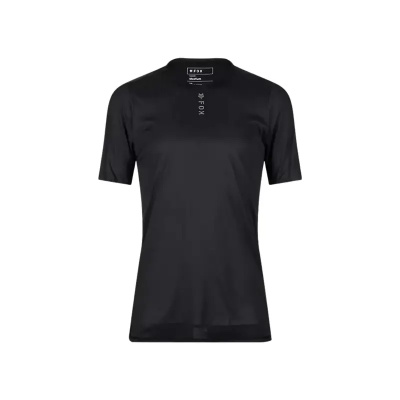
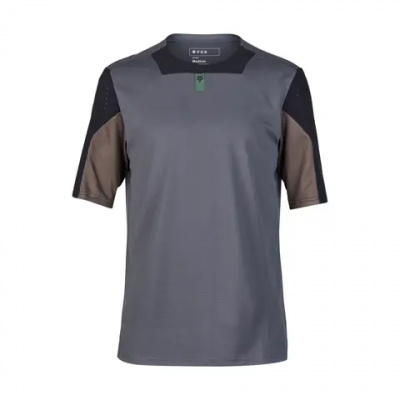
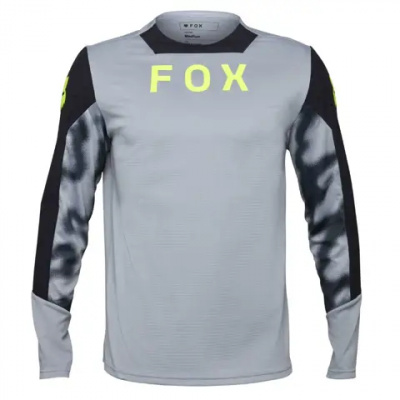
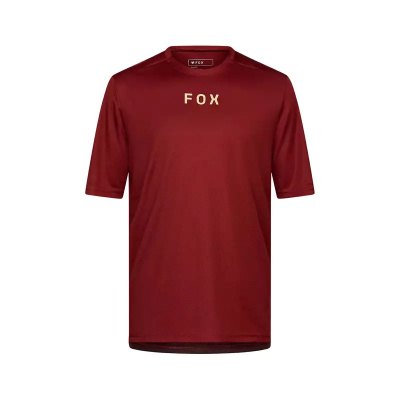
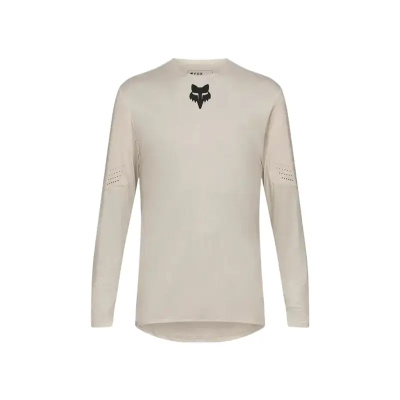
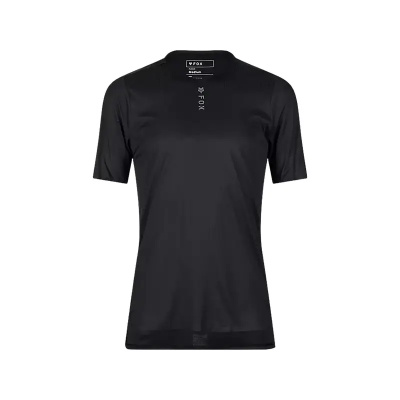
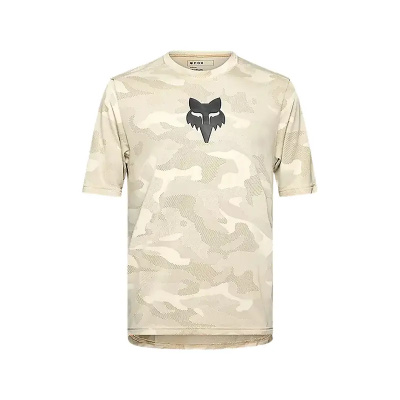
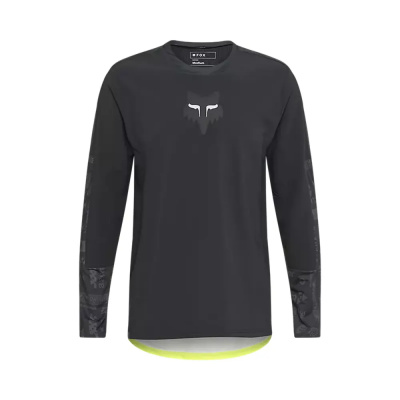
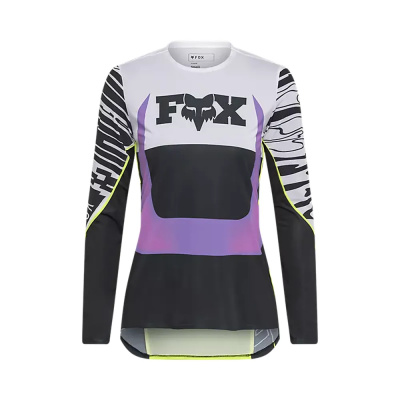
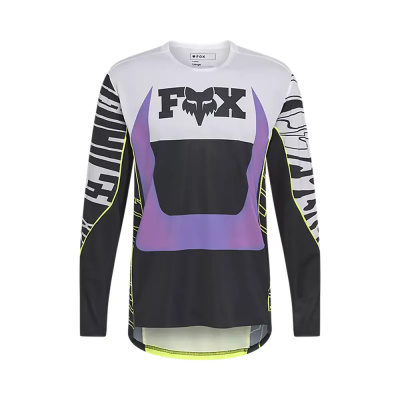
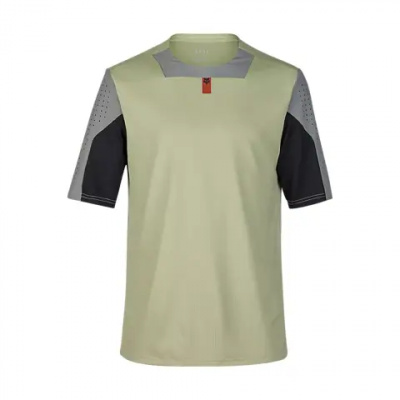
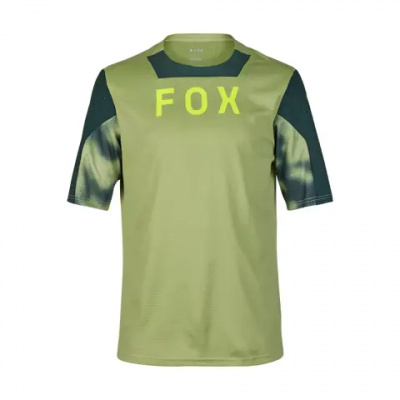
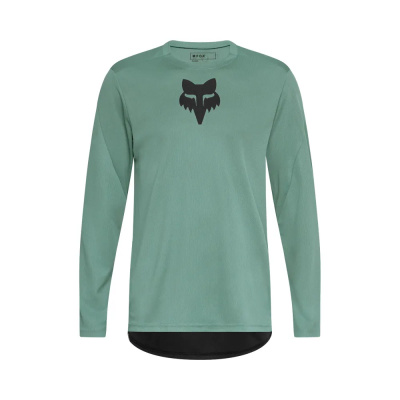
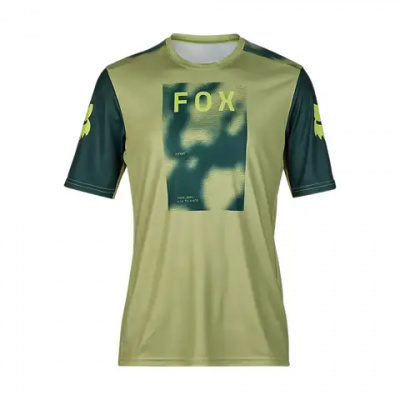
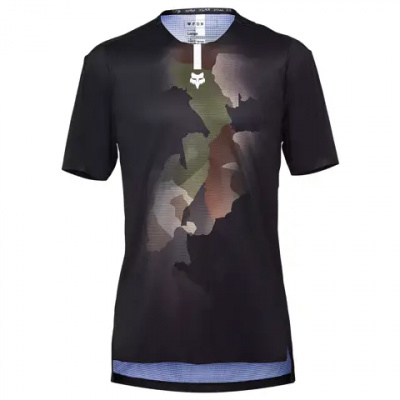
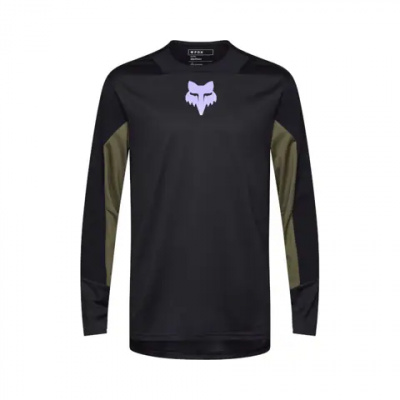
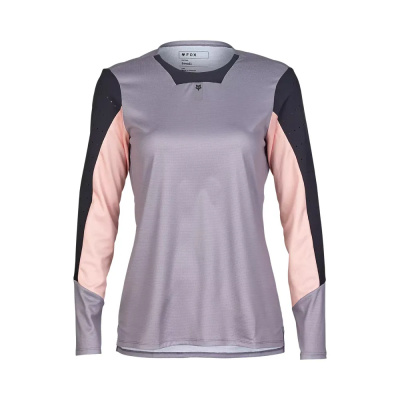
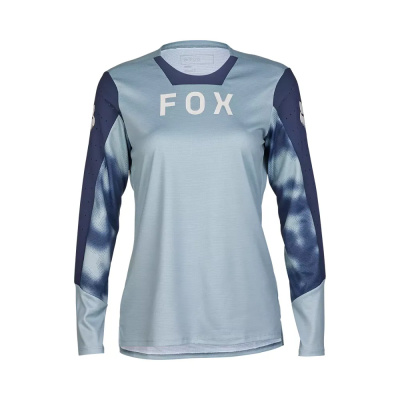
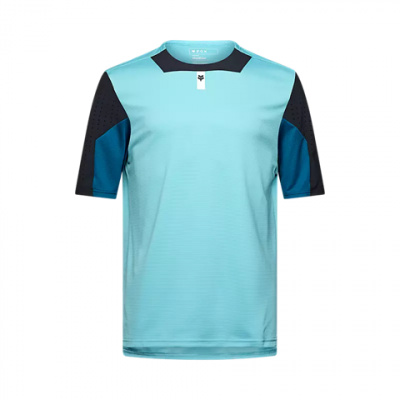
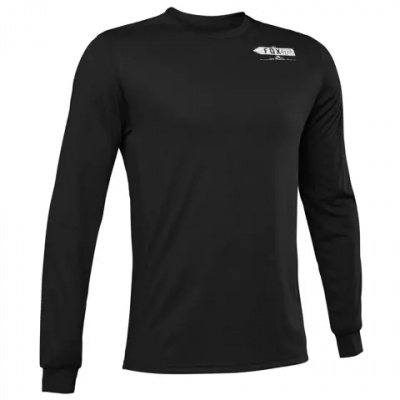
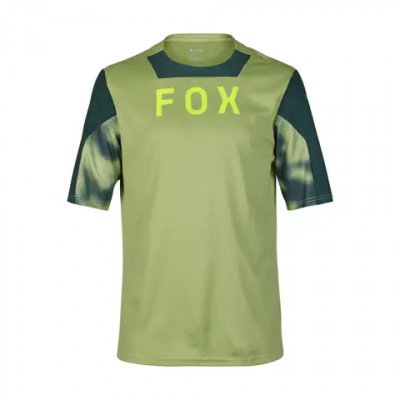
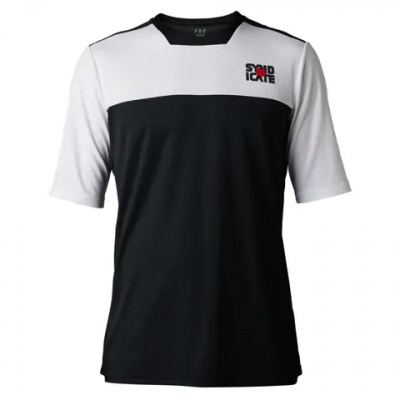
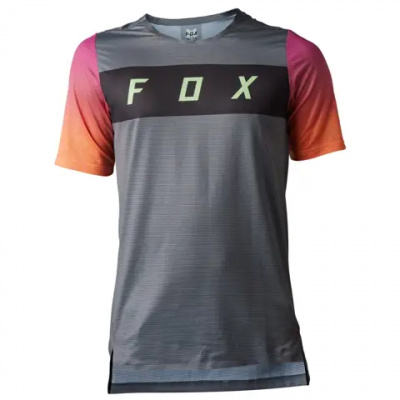
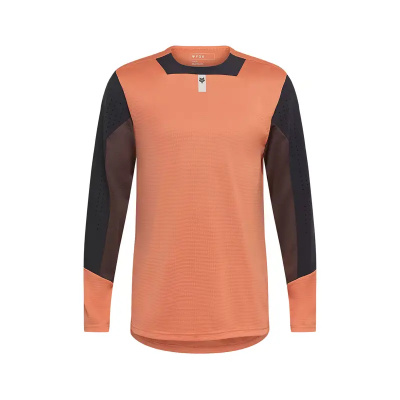
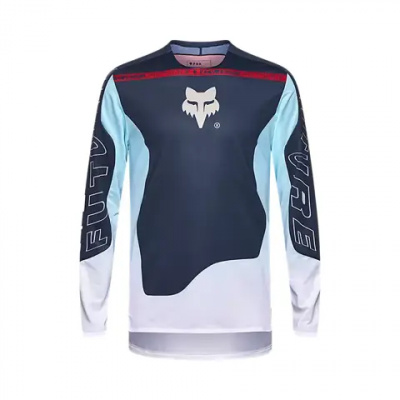
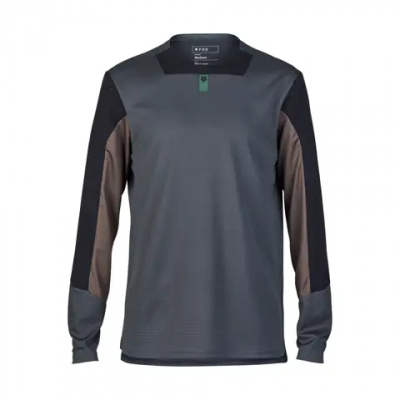
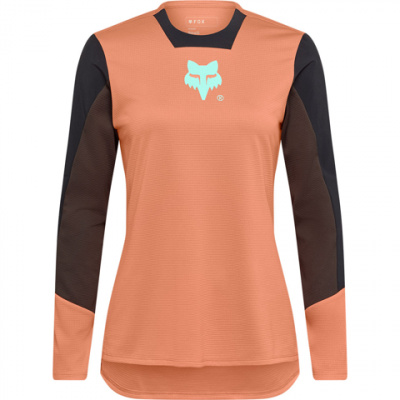
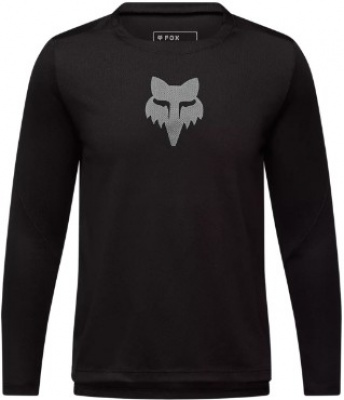
There are three distinct lines to get your head around. The Ranger is the workhorse: a relaxed, versatile cut that works for everything from evening loops in the local woods to full-day trail centre missions. The Defend steps things up with reinforced construction for riders who spend more time in the rough stuff. The Flexair is Fox's weight-obsessed race option - barely-there fabric, maximum airflow, tailored close to the body. Each jersey uses a drop tail design to keep your lower back covered when you're bent over the bars, and all three are cut with genuine mountain-bike articulation rather than a road-jersey silhouette squeezed into a different colourway.
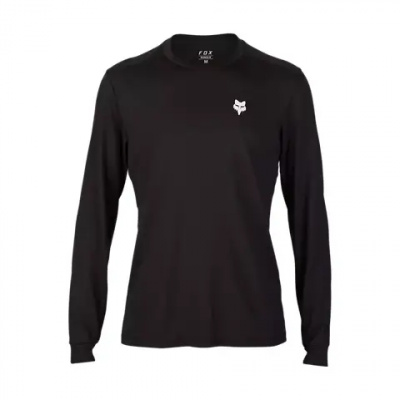
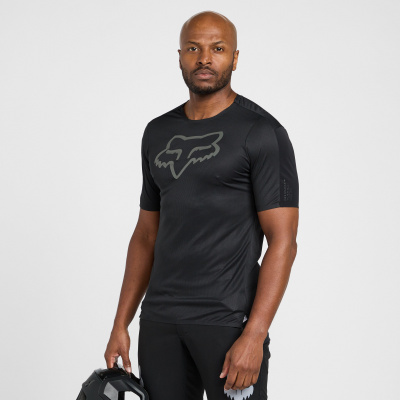
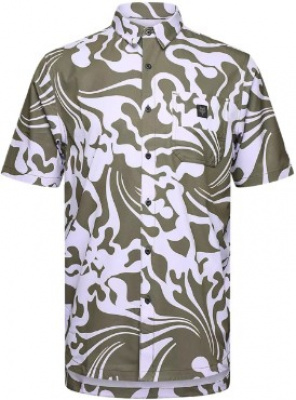
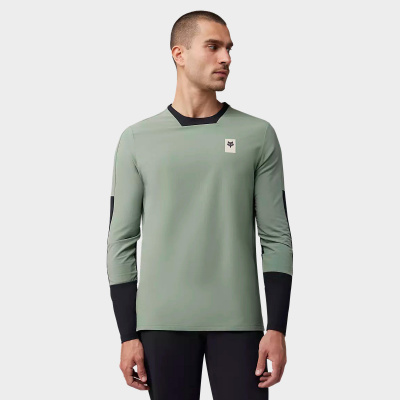
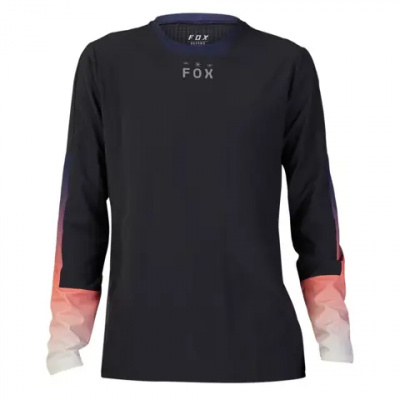
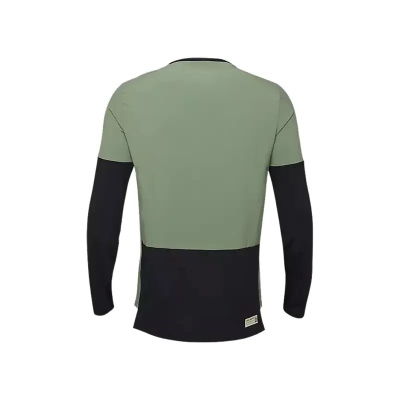
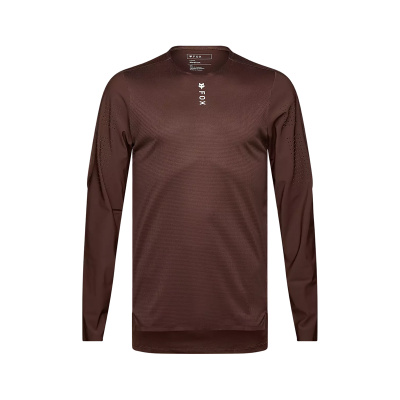
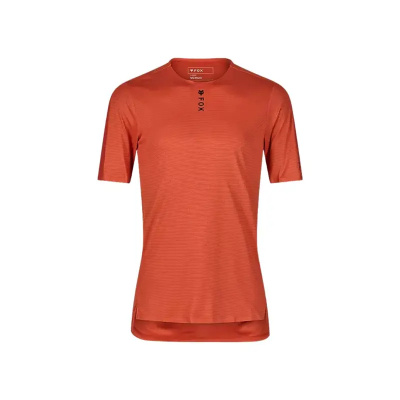
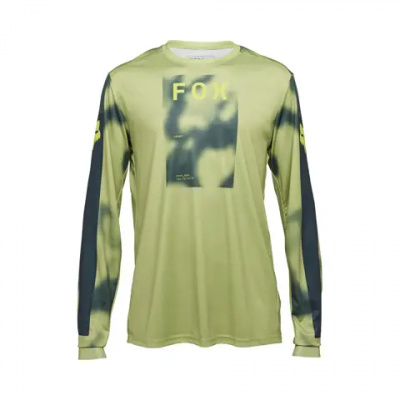
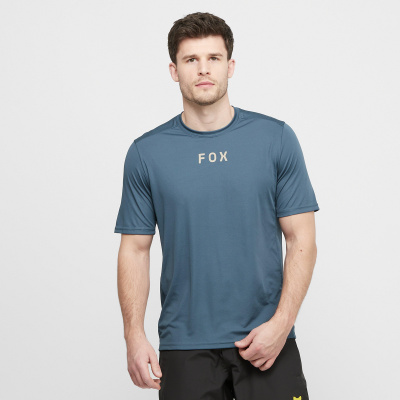
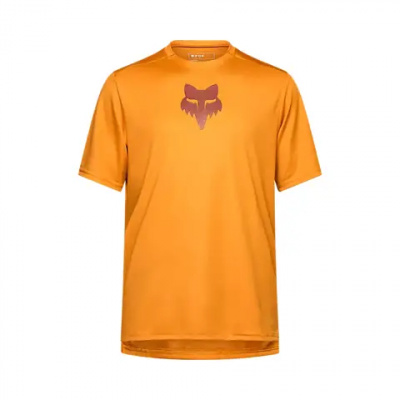
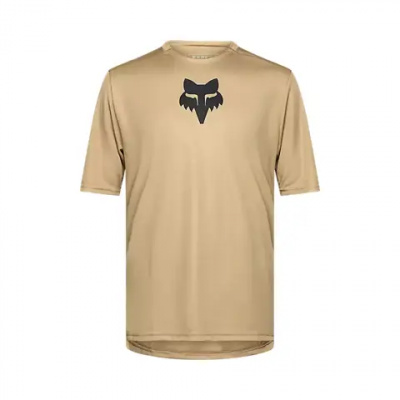
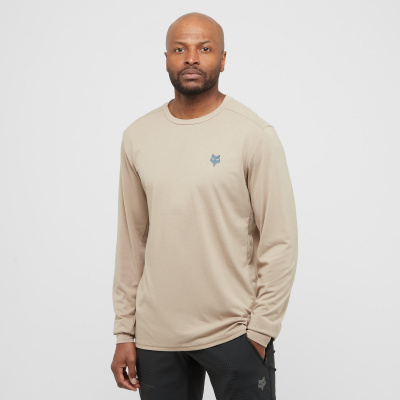
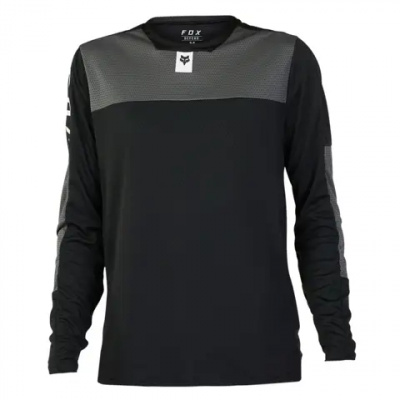
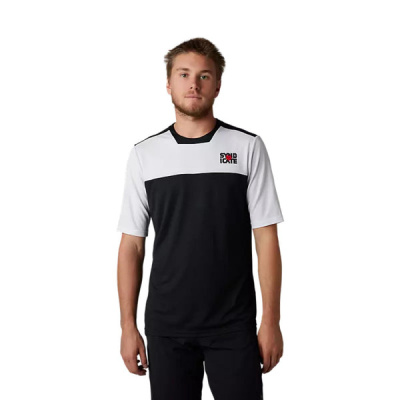
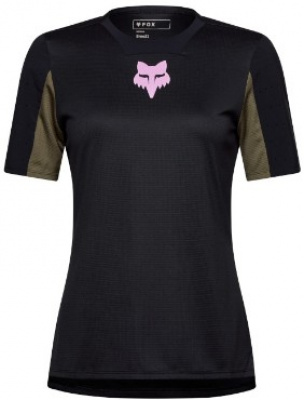
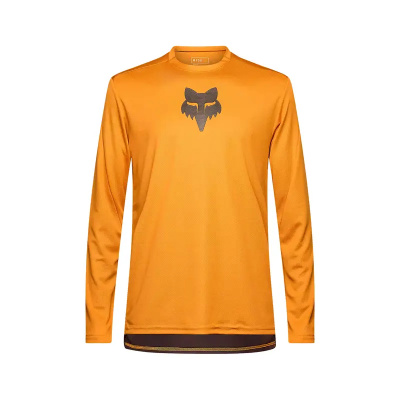
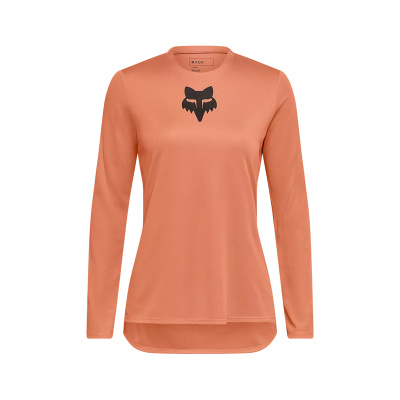
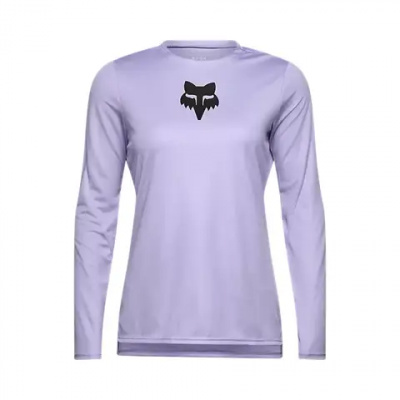
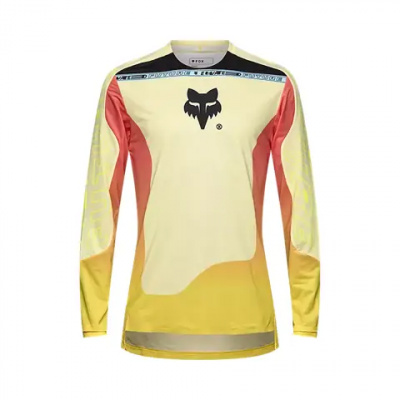
Prices and availability can change quickly. Delivery charges are not always included in listed prices.
Final price, stock status and delivery terms are set by retailer. We may receive a commission on purchases made.
Fabric Tech & Weather Performance
TruDri moisture-wicking technology is the common thread across the Fox jersey lineup - it's a fine-knit fabric construction that accelerates evaporation rather than just pulling sweat sideways into the next panel. On a hard climb, that distinction is real. Damp fabric clinging to your back on a breezeless Forest of Dean grind is miserable; TruDri keeps things noticeably drier through sustained effort.
In the Flexair range, Fox layers in Polartec Delta cooling fabrics - a dual-sided construction where the face fabric feels smooth against your skin but the reverse side has a raised geometric structure that increases surface area and airflow simultaneously. Think of it as engineered turbulence inside the jersey. It's most noticeable on faster, more exposed descents where there's actual air moving, and it's one reason the Flexair is genuinely worth considering for summer enduro days rather than being purely a cross-country race niche.
The Defend range takes a different approach to weather performance - less about pure breathability, more about resilience. Cordura fabric panels are built into the shoulders and sleeves: a tightly woven nylon that offers serious abrasion resistance without adding much bulk. If you've ever caught a bramble at speed across a bare forearm on an overgrown singletrack in late summer, you'll understand why this matters in a UK context. The Cordura isn't stiff or scratchy - it sits naturally - but it handles gorse, grit, and the occasional low-speed off considerably better than standard jersey fabric. The TruDri base fabric underneath still does its job, so you're not sacrificing breathability for the extra protection.
Laser-cut perforations appear across several models in mapped ventilation zones - typically the back panel and underarm gussets - where heat builds most during climbing. It's a simple idea executed well, and combined with the drop tail design that seals against your shorts waistband, the overall airflow management feels considered rather than decorative.
Understanding the Fox Fit & Range
The Ranger sits closest to a classic trail jersey silhouette: a relaxed chest and shoulder fit, slightly longer body length, and enough room through the torso that you won't feel packaged in on a long day out. It's the one to reach for if you ride varied days - shuttle runs, natural trails, trail centres - and want a jersey that doesn't demand a specific body type or riding style. Sizing runs true to Fox's standard mountain-bike cut, with the drop tail adding rear coverage without bunching at the waist.
The Defend is cut with a similar relaxed philosophy but with slightly more room built into the shoulder and upper arm specifically to accommodate chest and shoulder pads underneath. Wearing body armour under a Ranger or Flexair is possible - but if you're regularly riding with a protective base layer or lightweight armour inserts, the Defend's geometry accommodates that stack without compressing the pads or restricting your movement on the bike. It's worth trying your armour setup before you commit to a size, but the Defend is the more forgiving option of the three.
The Flexair is the outlier. It's cut close - closer than most Fox riders will be used to - and the fabrics have very little mechanical stretch compared to the Ranger. That's intentional: the race-day fit keeps material from flapping at speed and positions the ventilation panels exactly where they're mapped to work. If you're between sizes, size up. If you're planning to wear anything substantial underneath, the Flexair isn't your jersey. Fox does offer youth sizing across several lines - if you're kitting out younger riders, the Fox kids' range carries coordinating kit worth looking at alongside the jerseys.
Compared to what brands like Alpinestars and 100% offer at similar price points, Fox's range is notably wider in terms of genuine functional differentiation. You're not choosing between colourways - you're choosing between genuinely different fabric technologies and construction priorities.
Layering & Care for UK Riding
A Fox jersey on its own handles a surprising range of UK conditions, but the autumn-to-spring window on most British trails calls for something underneath. Pairing any of the three ranges over a technical base layer extends their usable season considerably - the TruDri fabric works better when it's pulling moisture through from a wicking layer below rather than sitting directly against cold, clammy skin. We won't go into base layer tech here, but the pairing is worth building into your kit decisions.
On warmer days, the Flexair works as a standalone. The Ranger is versatile enough to handle a lot on its own. The Defend, given its Cordura construction, is naturally the heaviest of the three and sits better in cooler conditions anyway.
Washing: cold machine wash, gentle cycle. UK clay - particularly the stuff you'll pick up on Peak District or Surrey Hills rides - bonds to fabric quickly once it dries, so getting the jersey in the wash the same day matters. Turn it inside out, keep the cycle short, and air dry rather than tumble drying, which degrades the TruDri fibres over time. The critical point is to skip fabric softener entirely. It coats the individual fibres and physically blocks the moisture-wicking channels in TruDri fabric - after a few washes with softener, the jersey effectively stops working as designed. It's not a temporary effect; it's cumulative and largely irreversible. Plain detergent, cold water, done.
For a full kit build, Fox's own trail trousers and gloves are designed around the same fit philosophy as the jersey range, so proportions tend to work well together. If you want to mix brands, Dakine jerseys are worth comparing at the versatile end of the market - different aesthetic, similar functional brief to the Ranger tier.
Fox Jerseys FAQs
What is the difference between Fox Ranger, Defend, and Flexair jerseys?
The Ranger is a relaxed, do-everything trail jersey that handles varied riding comfortably. The Defend adds Cordura panel reinforcement at the shoulders and sleeves for crash and bramble resistance, and is cut with extra room for pads underneath. The Flexair is a close-fitting, ultra-lightweight option using Polartec Delta fabrics - built for maximum airflow on race days or hot summer rides, not layering.
Do Fox MTB jerseys run true to size?
Generally yes - Fox uses a mountain-bike-specific cut rather than a road-influenced silhouette, so sizing is fairly predictable. The drop tail adds rear coverage without affecting the chest or shoulder sizing. If you're planning to run body armour or a protective insert underneath a Ranger or Flexair, size up. The Defend is already cut to accommodate pads, so standard sizing typically works there.
How do I wash my Fox jersey to keep it performing well?
Cold machine wash on a gentle cycle, turned inside out. Air dry - don't tumble dry. The most important thing: no fabric softener. It physically coats and blocks the TruDri moisture-wicking fibres, and the effect builds up over repeated washes until the jersey stops managing sweat properly. Plain detergent is all you need.