
Fox Base Layers
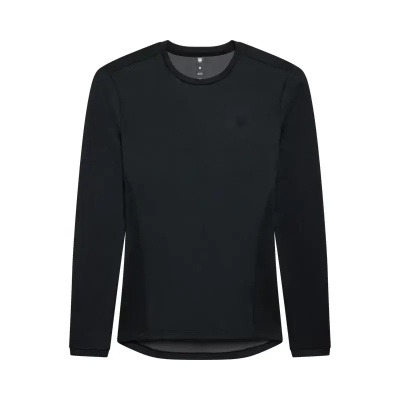
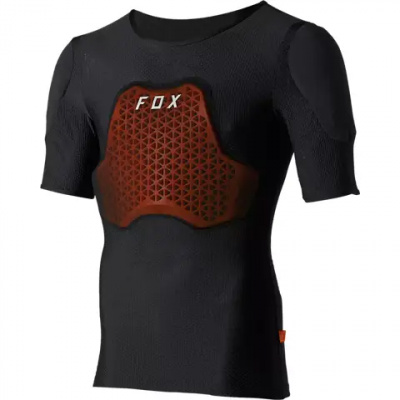
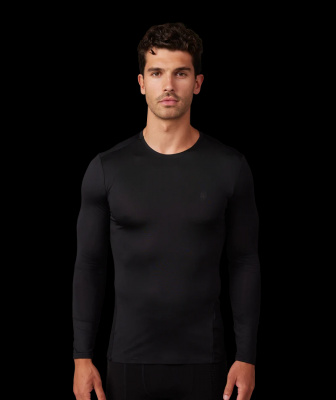
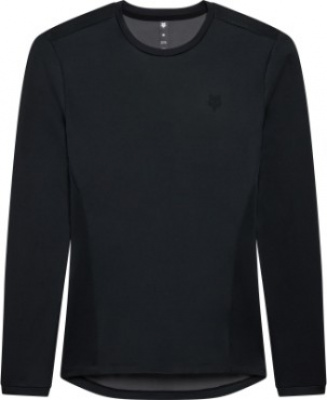
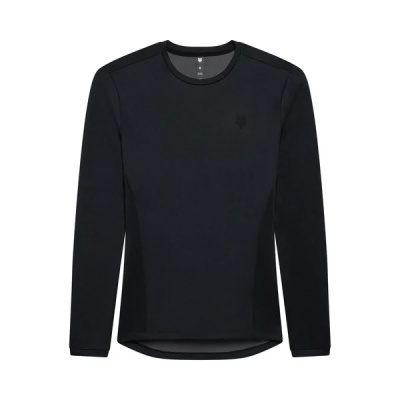
Fox base layers are engineered from the skin out, and that foundation matters more than most riders give it credit for. Your jersey and jacket can only do so much if the layer closest to your body is holding sweat against your skin. Fox builds their range around proprietary Tecbase fabrics - a next-to-skin material designed to pull moisture away quickly, so the chill you feel cresting a moorland ridge after a hard climb doesn't turn into a proper shiver-fest on the way down.
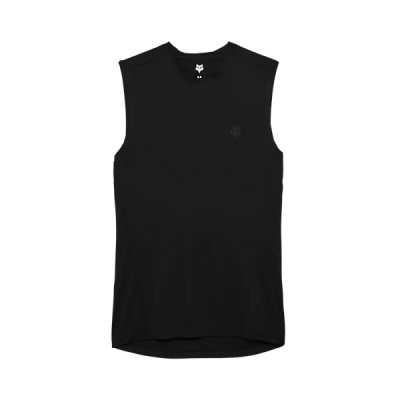
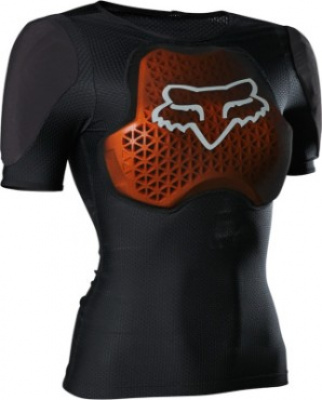
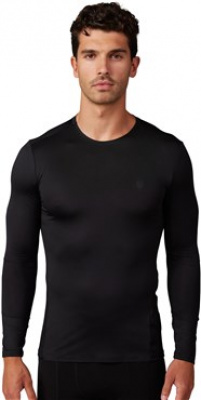
The range covers both ends of the calendar. Lightweight, sleeveless cuts work well for summer trail sessions when you need minimal coverage and maximum breathability. Move into autumn or a grim February morning and the thermal long-sleeve options, some integrating Polartec® for heat retention, become the thing you're glad you packed. Four-way stretch means you're not fighting the fabric through corners or rooty rock sections. Flatlock seams keep pressure points away when you're running body armour or a hydration pack over the top. It's a focused, well-considered lineup - and understanding which version suits your riding is how you get the most from it.
Prices and availability can change quickly. Delivery charges are not always included in listed prices.
Final price, stock status and delivery terms are set by retailer. We may receive a commission on purchases made.
Fabric Tech and Weather Performance: The Tecbase Advantage
Fox MTB base layer design centres on Tecbase fabric, and it's worth knowing what that actually means in practice. Tecbase is Fox's own moisture-wicking construction built for the specific sweat output of mountain biking - where you're grinding uphill at near-maximum effort, then dropping into a fast descent with wind cutting straight through your jersey. That swing in thermal demand is brutal on a standard base layer. Tecbase's four-way stretch moves with you on the climb, and its wicking properties push sweat outward fast enough that you arrive at the top damp on the outside of the layer rather than soaked against your skin.
For winter-specific models, Fox integrates Polartec® into the construction. Polartec adds genuine thermal retention without the kind of bulk that makes you feel like you're wearing a sleeping bag under your jacket. On a freezing Peak District morning, that combination - active wicking plus trapped warmth - is what keeps your core temperature stable rather than yo-yoing between too hot and too cold as conditions shift. Exposed moorland riding in the UK means weather can change within a single lap, and a base layer that handles both states without compromise is a practical necessity rather than a luxury. Anti-microbial treatments are baked into the fabric too, which matters when you're riding hard, repeatedly, and not always near a washing machine.
If you're comparing options across the market, Mons Royale base layers lean into merino wool for natural odour resistance, while Endura base layers offer a broad synthetic range with strong UK weather credentials. Fox sits in the performance-synthetic camp - faster drying, more durable wash after wash, and built specifically around the demands of trail riding.
Getting the Fit Right Across the Range
A base layer that doesn't fit correctly is essentially just an expensive inner t-shirt. The next-to-skin fit isn't a style choice - it's functional. Tecbase fabric needs close contact with your skin to wick moisture efficiently. Any looseness creates a gap where sweat pools rather than transfers. That said, Fox's four-way stretch means wearing it tight doesn't mean wearing it restrictive. You can reach forward into an aggressive position, drop your elbow on a sharp switchback, or throw your weight back on a steep descent without the fabric pulling or binding.
Flatlock stitching is the detail that separates a base layer designed for MTB from one borrowed from running or gym use. Standard raised seams press into your skin under the shoulder straps of a hydration pack, or under the harness of a back protector, in a way that becomes genuinely painful over two or three hours. Flatlock seams lie completely flat, distributing pressure evenly so there's nothing to dig in. If you're regularly riding with Fox liner shorts and full body armour, this matters more than any other single construction detail. Check the sleeve length on long-sleeve options too - Fox cuts theirs to stay in place under gloves rather than riding up mid-descent.
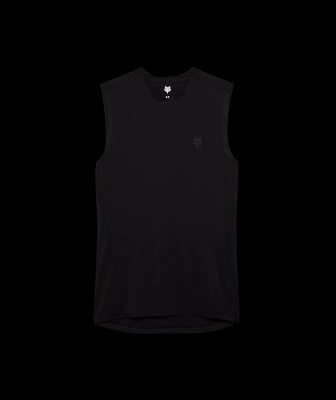
The Fox sleeveless base layer suits riders who run warm or spend time in summer conditions where even a short sleeve feels excessive. Sleeveless cuts also work cleanly under roomy trail jerseys without bunching at the arm. The sleeveless format is particularly popular among riders who want the wicking benefit without added coverage - a reasonable call for a hard XC race or a sweaty summer enduro day.
Building Your Layering System for UK Conditions
The base layer is where the system starts, not where it ends. For mild autumn days, pairing a Fox Tecbase layer with a Fox jersey over the top gives you enough coverage without overheating on the climbs. Drop into proper winter and that same base layer goes under a Fox jacket - ideally something windproof and water-resistant across the shoulders. The base handles moisture management; the jacket handles the weather. Trying to ask one layer to do both jobs is where most riders go wrong.
UK riding throws mud, grit, and persistent damp at your kit, so wash care matters. Wash Fox base layers at 30 degrees - hot water degrades both the Tecbase wicking structure and the anti-microbial treatment faster than riding will. Skip fabric softener entirely. It coats the micro-fibres in a waxy residue that blocks the moisture-transfer channels and kills the wicking performance within a few washes. Air dry where you can; tumble drying on a low setting occasionally won't ruin them, but repeated heat exposure shortens the lifespan of the stretch fibres. If you're buying multiples to rotate through a muddy UK winter - which is the sensible approach - you'll extend each layer's performance life noticeably by following that routine.
Riders looking at broader synthetic base layer alternatives will find Gore base layers worth considering, particularly for commuting or road crossover use where windproofing at the front panel becomes a priority. For pure trail riding, Fox's Tecbase construction remains tightly focused on what MTB riders actually need from the layer closest to their skin.
Fox Base Layers FAQs
Are Fox base layers good for winter riding?
Yes. Fox produces thermal base layers using thicker Tecbase constructions and Polartec® integration, which trap body heat while still pulling sweat away from your skin. Pair a long-sleeve thermal option with a windproof jacket and you've got a solid foundation for cold UK trail days - the kind where your fingers are numb on the chairlift but you're still sweating on the way up.
How should a mountain bike base layer fit?
Snug and flush against the skin, with no bunching or loose fabric. That close contact is what allows the wicking fabric to actually transfer moisture rather than just sit next to it. Fox's four-way stretch means a proper tight fit doesn't restrict your movement on the bike - you want it fitted, not compressive.
What is Fox Tecbase material?
Tecbase is Fox's proprietary base layer fabric engineered for next-to-skin comfort in mountain biking conditions. It combines four-way stretch for unrestricted movement, rapid moisture-wicking to keep sweat off your skin, and anti-microbial treatments to manage odour across repeated hard sessions. Some winter models blend Tecbase with Polartec® for added thermal retention.