
Fox Jackets
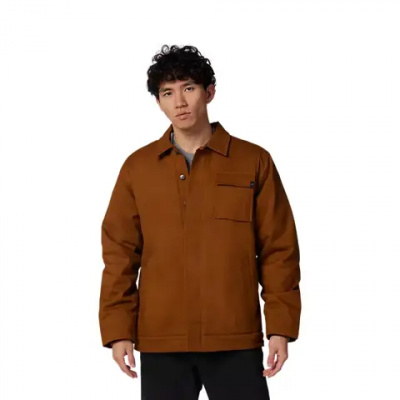
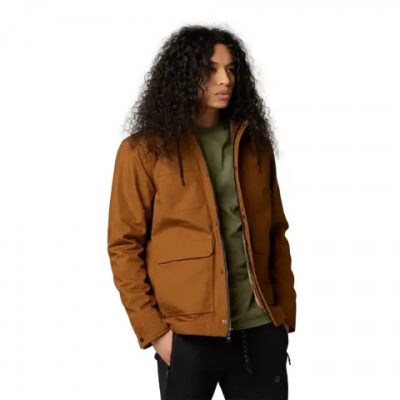
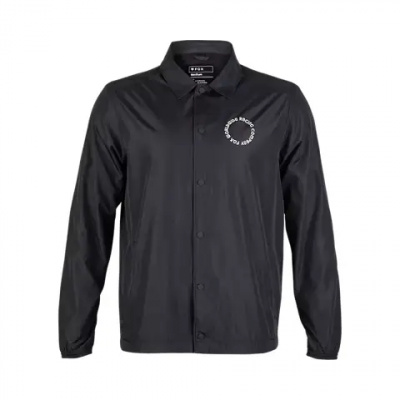
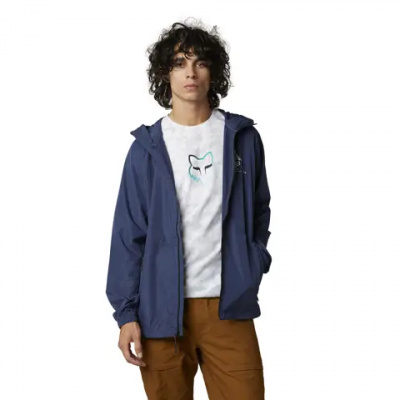
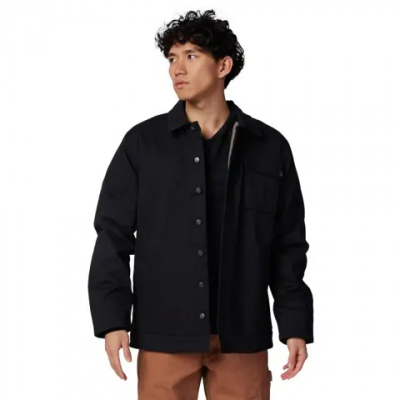
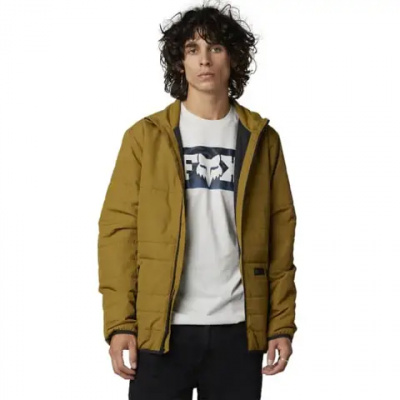
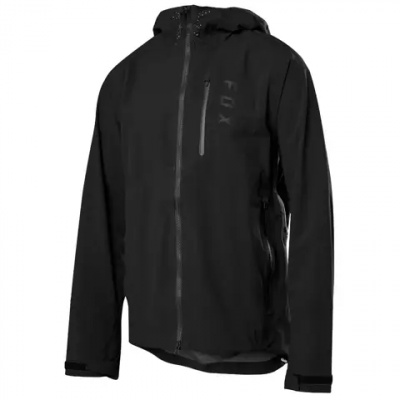
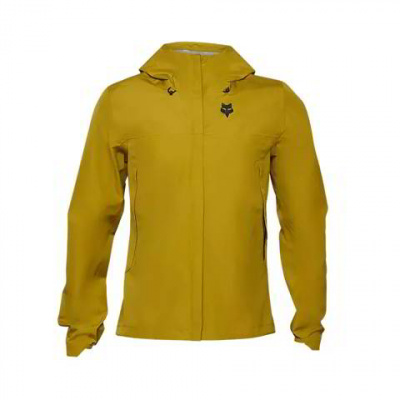
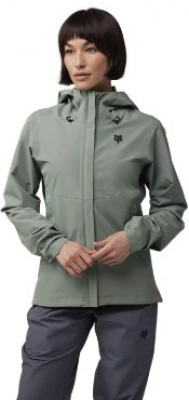
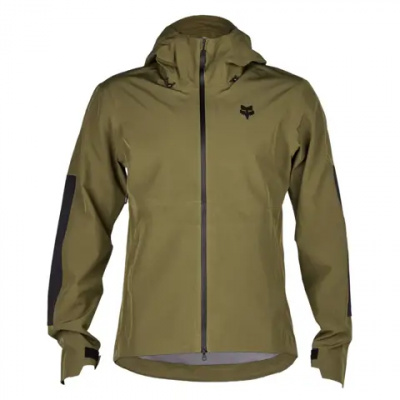
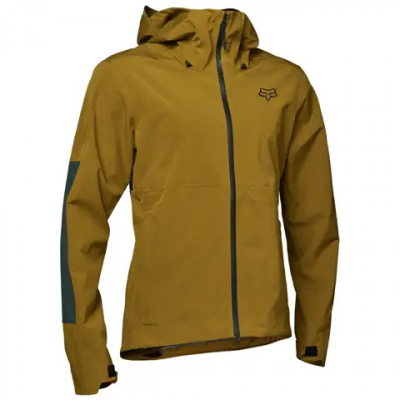
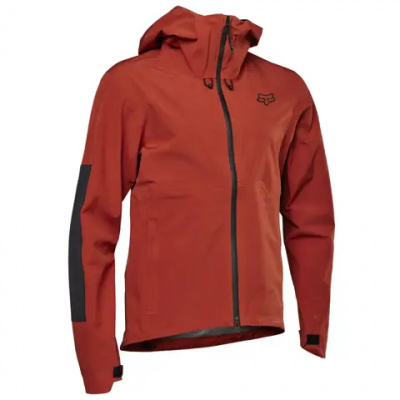
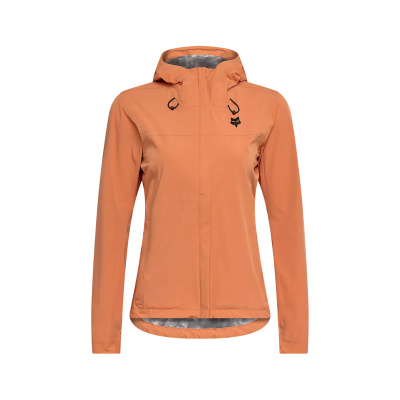
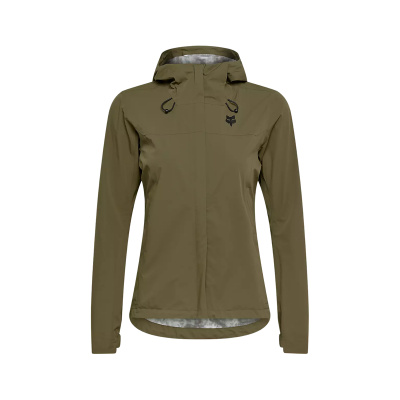
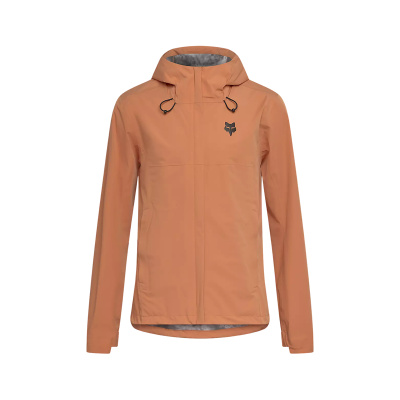
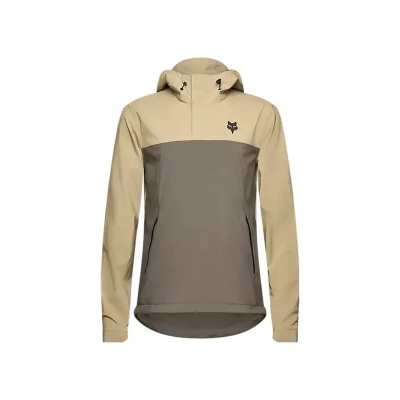
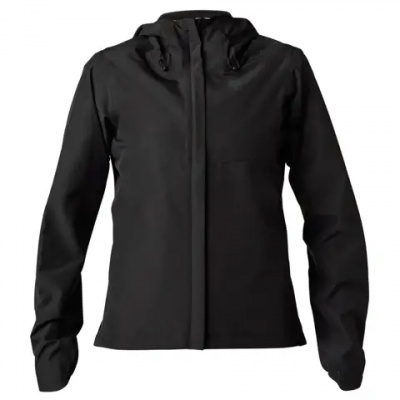
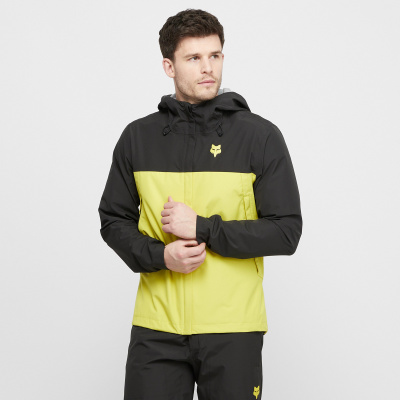
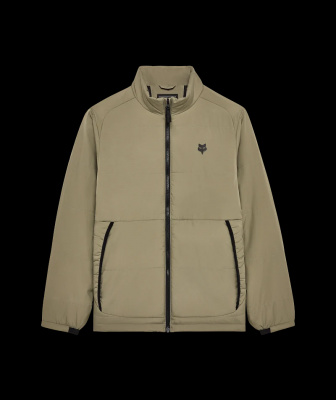
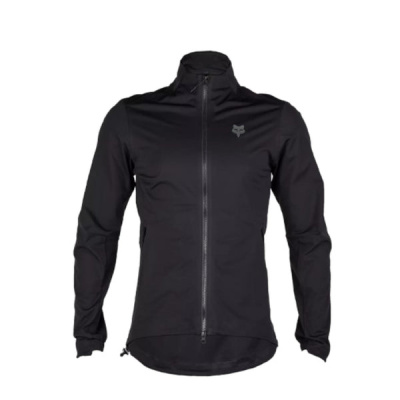
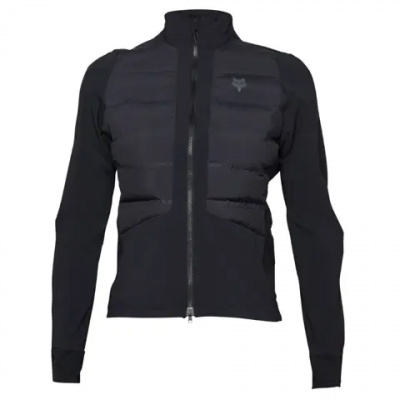
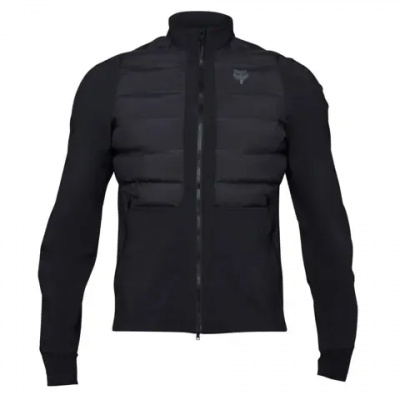
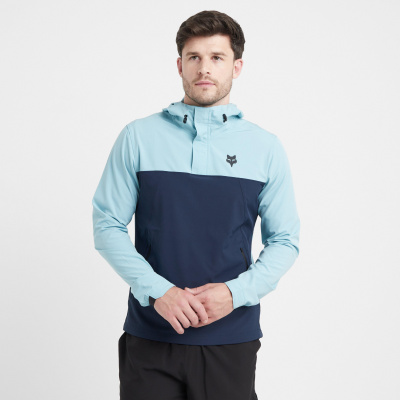
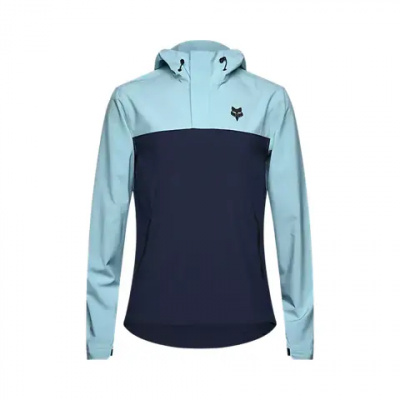
Fox MTB jackets are built around one simple idea: grim weather shouldn't cost you a ride. Whether you're threading singletrack in a Welsh trail centre drizzle or grinding up a Peak District climb before a long exposed descent, Fox's outerwear range is engineered to keep you comfortable without the clammy, overheated misery that plagues lesser kit. The dropped tail means you've got rear coverage when you're tucked over the bars, and the pre-curved sleeves sit naturally the moment you reach for the grips - no bunching, no tugging. Fox splits its jacket lineup across three distinct ranges. The Ranger handles everyday trail riding with versatile, packable design. The Defend brings Cordura ripstop toughness for gravity days when slides happen. The Flexair goes lightweight and highly breathable for those high-output XC and trail efforts where a heavy jacket would have you boiling inside a minute. Across the range, Fox's proprietary TruSeal technology and DWR coating keep water on the outside - the difference between them matters, and it's worth knowing which you actually need before you buy.
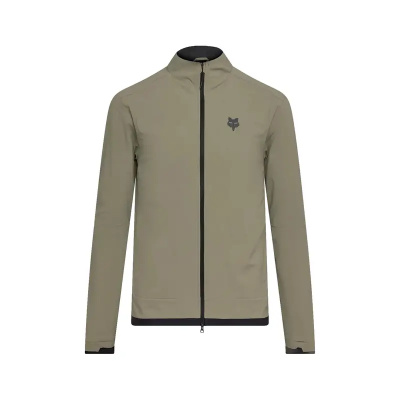
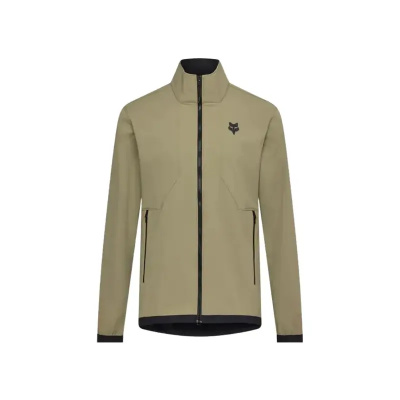
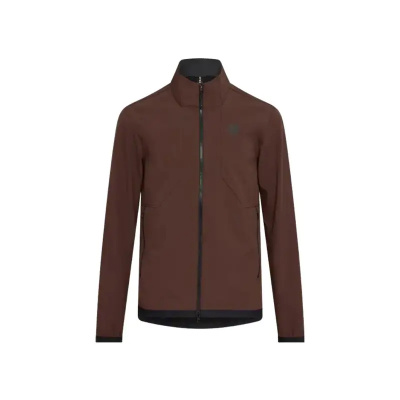
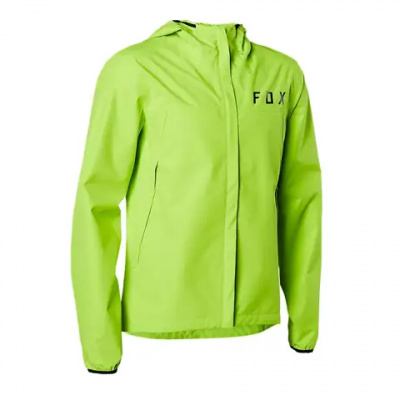
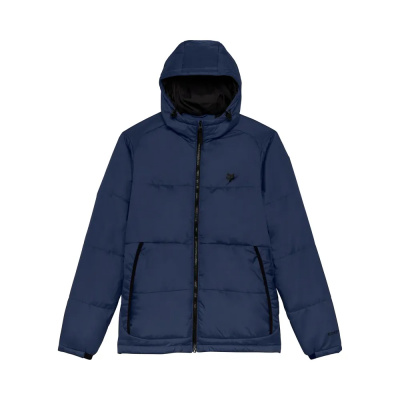
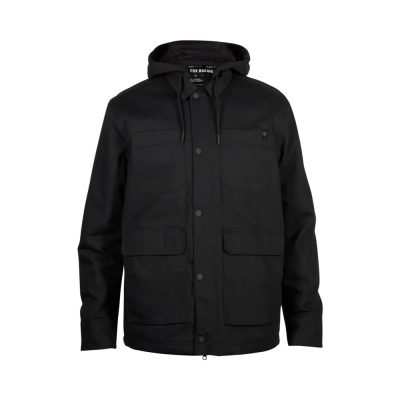
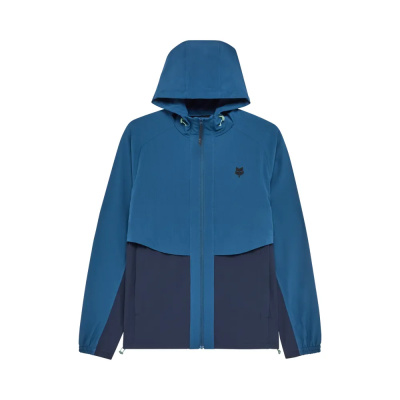
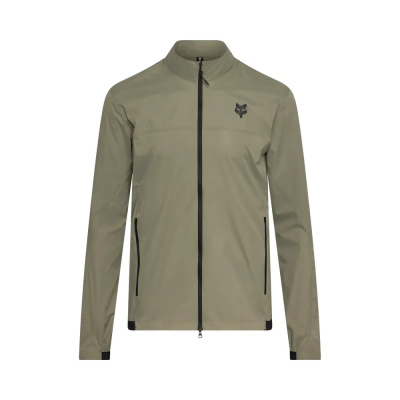
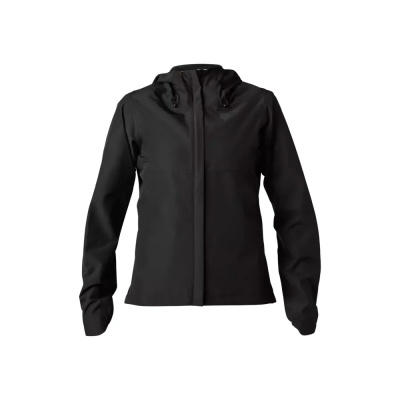
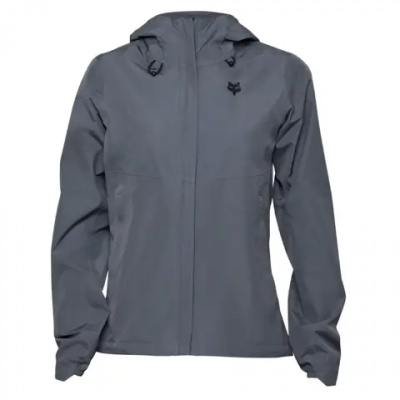
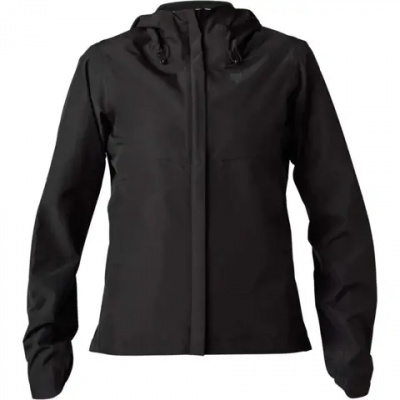
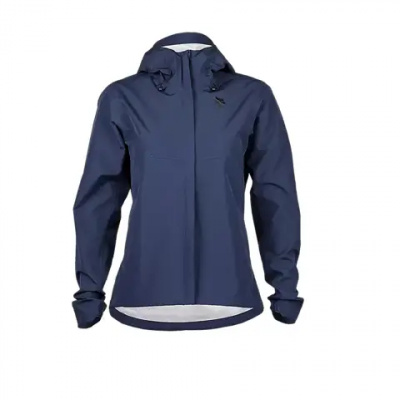
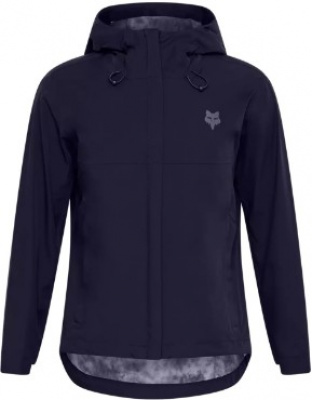
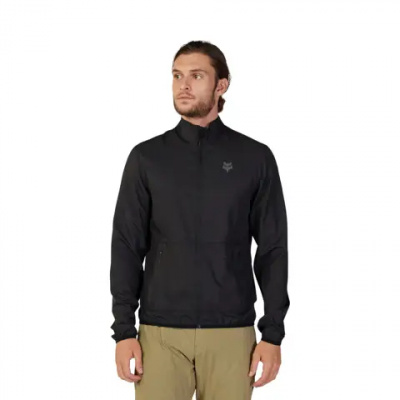
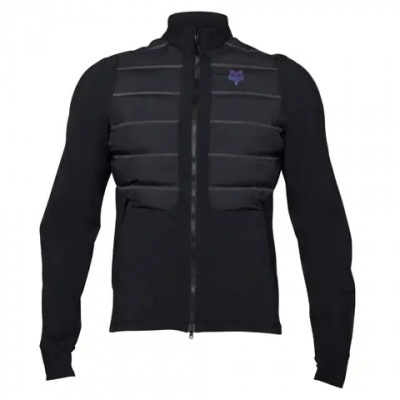
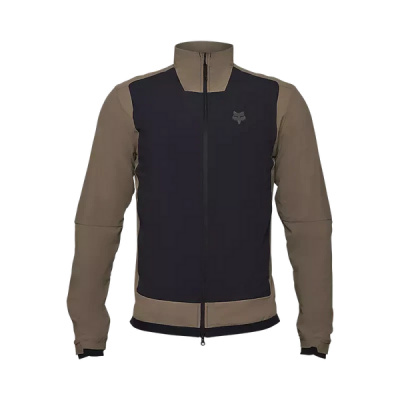
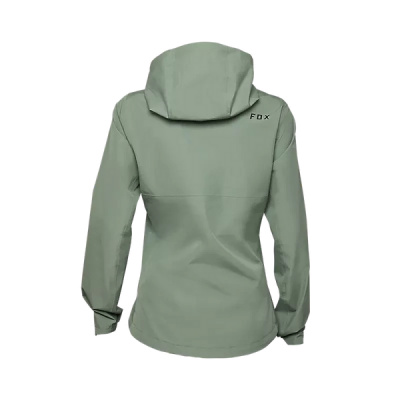
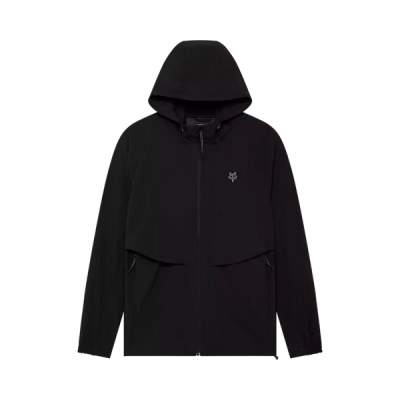
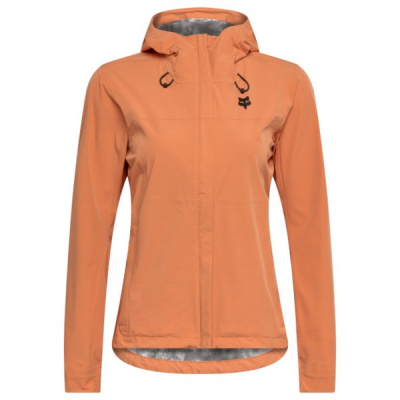
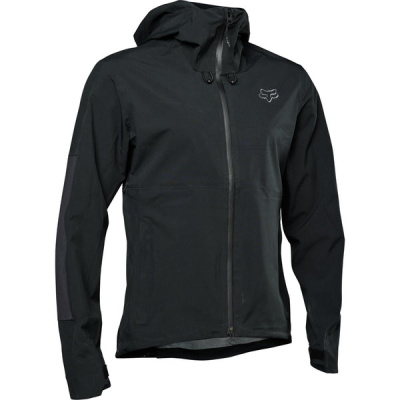
Prices and availability can change quickly. Delivery charges are not always included in listed prices.
Final price, stock status and delivery terms are set by retailer. We may receive a commission on purchases made.
Fabric Tech and Weather Performance: TruSeal vs DWR
Not all Fox jackets offer the same level of weather protection, and the distinction is worth getting straight before you commit. Jackets carrying the TruSeal label - typically those with 'Water' in the model name, such as the Ranger Water or Defend Water - feature fully taped seams and a minimum 10,000mm waterproof / 10,000g breathability rating. That's proper waterproofing: the kind that holds up through a sustained Scottish downpour or a full Welsh winter day in the saddle. If you're regularly riding in heavy, prolonged rain, this is the tier you want.
Standard Fox jackets without TruSeal use a DWR coating - durable water repellent finish - which beads moisture off the face fabric and keeps you dry through showers and brief wet spells. They're genuinely useful for UK riding, where you're often dealing with light drizzle and wind rather than sustained deluges. The trade-off is simple: DWR jackets breathe more freely and pack down smaller, but in a proper downpour they'll eventually wet out, and once the face fabric saturates, you'll feel it. Think of them as smart, packable windbreakers for changeable days rather than storm armour.
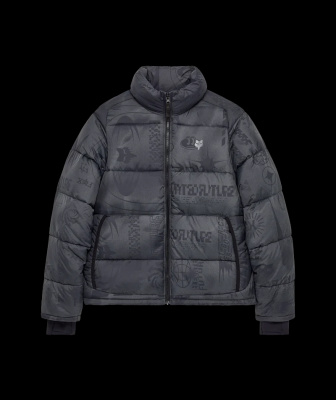
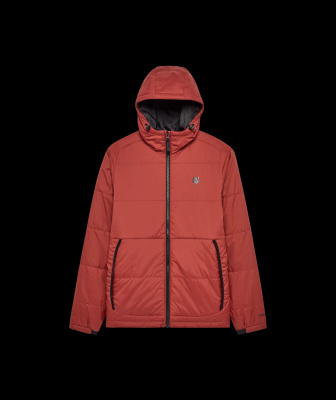
For winter riding specifically, Fox's use of Polartec Alpha insulation in selected jackets changes the equation. Polartec Alpha is an active insulation - it regulates heat during effort rather than trapping it, which means you're not swinging between overheating on the climb and freezing on the descent. It's a meaningful upgrade for those who ride hard through November to February without wanting to manage multiple mid-layers. That said, it does add some bulk, so if your priority is packability, the DWR windbreaker layers remain the leaner option. Worth comparing Fox's offering here against Endura jackets, which take a similarly technical approach to insulation and breathability for UK winters.
Understanding the Fox Range: Ranger, Defend, and Flexair
The three ranges exist for genuinely different riders, so picking the right one matters more than it might seem at first glance.
The Ranger is Fox's do-everything trail jacket. It's the one most riders will spend the most time in - versatile enough for a mid-week after-work loop or a full weekend at a trail centre, without being overbuilt or overly heavy. Packable designs sit in this range, which is handy when you stuff a jacket into a pack and forget about it until the sky turns grey. Good value across the board, and a sensible starting point if you're not riding full-on enduro or racing XC.
The Defend range is the one you reach for on gravity days. Cordura panels across the shoulders and elbows add meaningful abrasion resistance - relevant if you ride in abrasive UK mud and grit, or if you occasionally meet the ground at speed. It's heavier and less packable than the Ranger, but on a bike park day or a demanding enduro route, that durability is worth the trade. Cordura construction also holds up better against repeated contact with thorny hedgerows and rocky outcrops - the kind of terrain that quietly destroys thinner fabrics over a season. Brands like 100% jackets compete in this tougher-built gravity space if you want to compare options.
The Flexair is the premium, weight-conscious pick. It's built for riders who generate a lot of heat on technical, sustained climbs and need the jacket to keep pace with their output. High breathability and ultra-lightweight construction are the priorities here, and the fit is close enough to minimise flap and distraction at pace. If you're doing XC races or long mountain days where every gram counts, the Flexair earns its place. It does cost more, and it's less durable under crash conditions than the Defend - clear trade-off, worth knowing upfront. Altura jackets offer a similarly weight-focused approach if you want broader comparison.
Looking for core warmth without the sleeves? Check out our range of Fox Gilets. For post-ride warmth on the drive home, browse our Fox Jerseys to complete your layering setup.
Layering Smart and Keeping the DWR Alive
The jacket is only part of the system. If you're wearing a cotton tee underneath a Fox waterproof and wondering why you feel cold and clammy on descents, the jacket isn't the problem. Pair any Fox outerwear with a proper moisture-wicking Fox base layer to pull sweat away from your skin - TruDri fabric does exactly this in Fox's own base layer range, moving moisture outward before it has a chance to chill you. Add a Fox jersey between base and jacket and you've got a system that actually breathes and manages heat properly across the full effort range of a UK ride.
On care: UK mud is genuinely destructive to DWR coatings, and most riders don't realise it until the jacket stops shedding water. Washing with standard detergent and fabric softener degrades the DWR finish fast - softener in particular clogs the fibres and kills water repellency. Use a dedicated tech-wash like Nikwax Tech Wash or Grangers Performance Wash instead, and follow up with a DWR re-proofing treatment every few washes. Tumble drying on a low heat setting after washing also helps reactivate the DWR coating - it's one of those steps that actually makes a difference and takes about two minutes of effort. Don't skip the re-proofing treatment and then wonder why your jacket feels heavy and saturated after an hour in the wet.
Fox Jackets FAQs
Are Fox MTB jackets fully waterproof?
Only jackets with 'Water' in the model name - such as the Ranger Water or Defend Water - carry TruSeal technology with fully taped seams and genuine waterproof ratings. Standard Fox jackets use a DWR coating that handles light showers well but will wet out during heavy, prolonged rain.
What is the difference between Fox Ranger, Defend, and Flexair jackets?
The Ranger is your versatile everyday trail option, while the Defend adds Cordura reinforcement for crash resistance and tougher gravity riding. The Flexair is the premium lightweight pick - highly breathable and weight-conscious, best suited to high-output XC and trail riding where bulk is a genuine hindrance.
How should a Fox MTB jacket fit?
Fox jackets are cut for the riding position, so the dropped tail and articulated sleeves may feel slightly long or roomy when you're standing upright. Stick to your normal size - the cut already accounts for a base layer and jersey underneath, and sizing up will introduce unwanted bulk and sleeve flap.