
Fox Gilets
Fox gilets sit at the sharp end of the MTB apparel market for good reason - a well-chosen Fox gilet can genuinely transform how you ride through a British autumn or an unpredictable spring day. The concept is simple: lock in core warmth, block the wind, and keep your arms free to move without cooking you on every punchy climb. Fox has engineered their range around exactly that balance, with MTB-specific cuts, drop-tail hems for coverage when you're in an aggressive riding position, and DWR coatings to deal with the persistent drizzle and rear-wheel spray that UK trails specialise in serving up.
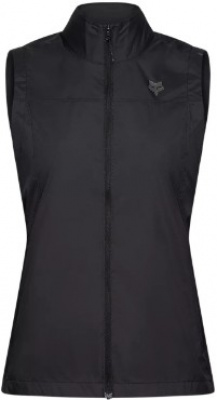
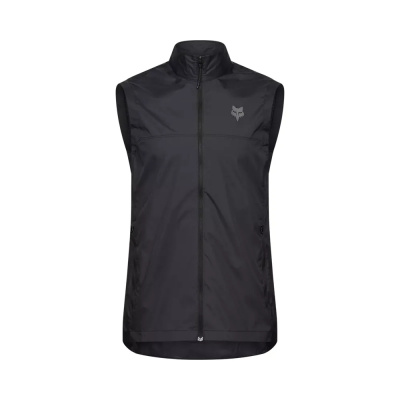
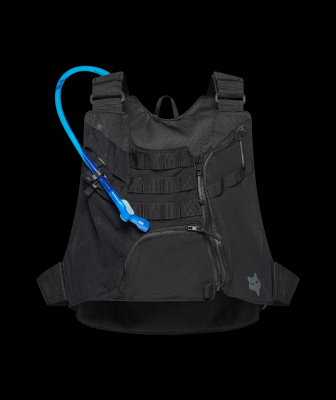
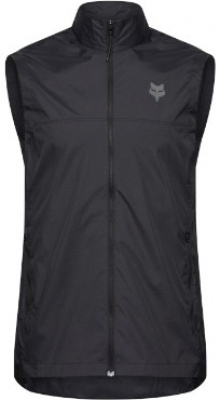
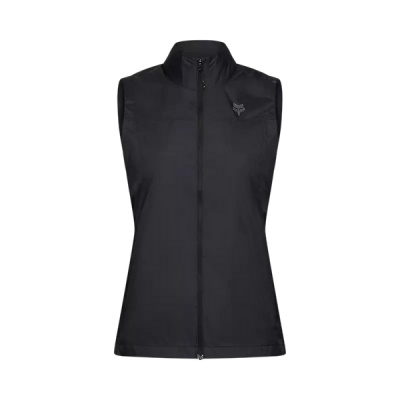
The range breaks into clear characters. The Flexair is your ultra-packable, barely-there layer that lives in a hip pack until conditions demand it. The Ranger covers versatile, everyday trail riding with a balanced approach to weather protection and breathability. The Defend series adds Cordura ripstop panels for abrasion resistance against trailside rock and scrub. And if you're riding through December into January, the Fire sub-range brings Polartec Alpha insulation into the equation - active warmth that doesn't trap heat when you're working hard. Whatever your riding calendar looks like, there's a Fox gilet built to slot into it.
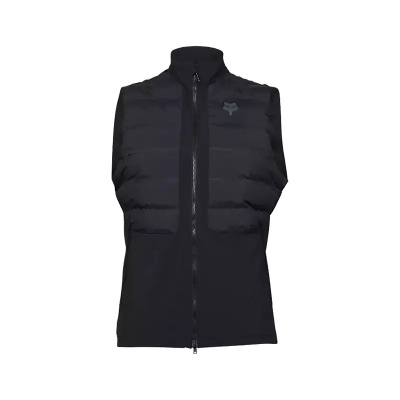
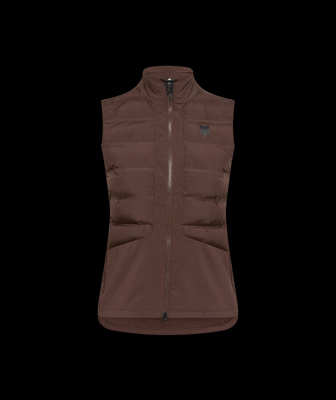
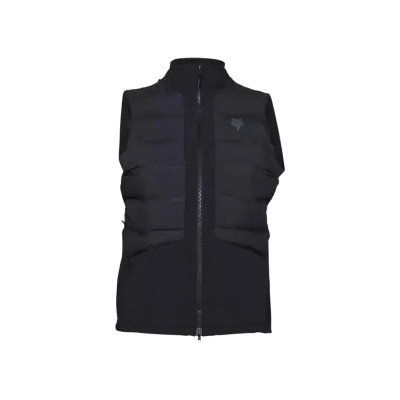
Prices and availability can change quickly. Delivery charges are not always included in listed prices.
Final price, stock status and delivery terms are set by retailer. We may receive a commission on purchases made.
Fabric Tech and Weather Performance: Blocking Wind and Spray
The front panel on a Fox gilet works like a windbreak for your core - on a fast moorland descent with the temperature dropping ten degrees in thirty seconds, that wind resistance is the difference between arriving at the bottom comfortable and arriving shivering. Fox uses tightly woven, wind-resistant face fabrics on the chest and shoulders to do exactly that job, cutting airflow without adding bulk. It's a straightforward idea executed well.
The DWR (Durable Water Repellent) finish is where Fox gilets earn their keep in genuinely British conditions. This coating causes light rain and puddle splash to bead and roll off the outer fabric rather than soaking in and chilling you from the outside. It won't hold up against a sustained Welsh downpour - no DWR finish will - but for the kind of unexpected shower that arrives mid-ride on the South Downs or the North York Moors, it buys you real protection without the weight of a full jacket. Worth noting: Fox gilets are windproof and DWR-treated but not fully waterproof. If the forecast is genuinely grim, a seam-taped Fox jacket is the better call.
Equally important is what happens at the back. Riding hard on a technical climb generates serious heat, and a gilet with a solid fabric back would trap that moisture fast. Fox uses mesh back panels and, on select models, laser-cut perforations to create a heat-dump zone that lets excess warmth escape. The result is a gilet that keeps your chest protected while letting your back breathe freely - a genuinely useful trade-off that cheaper options often miss. Compared to something like an Endura gilet, the Fox approach leans into more aggressive venting on the rear, which suits riders who run hot on climbs.
The Fox Range Explained: Flexair, Ranger, Defend, and Fire
Getting the right Fox gilet comes down to matching the model to how you actually ride, not just how cold it looks outside.
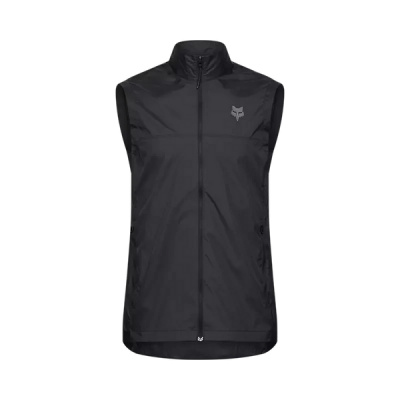
The Flexair gilet is the one you barely notice you're carrying. Minimal weight, maximum packability - it compresses down small enough to stuff into a jersey pocket or the side pouch of a hip pack without thinking about it. The trade-off is that it prioritises breathability and low bulk over serious insulation. It's your emergency layer, not your January workhorse.
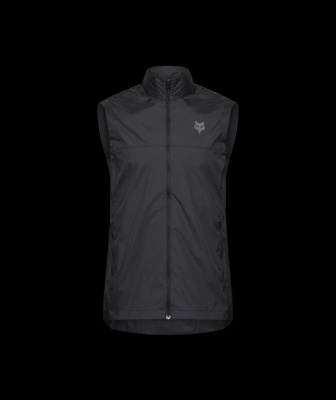
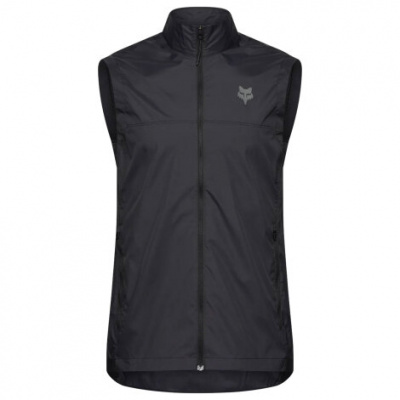
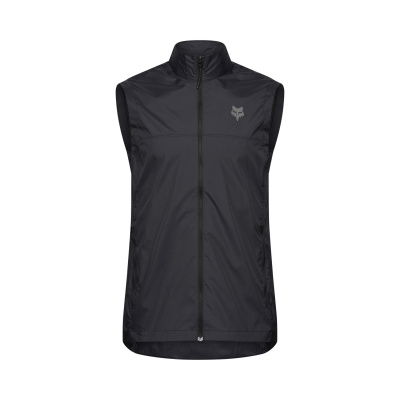
The Ranger gilet is the middle ground that suits most riders most of the time. It handles the varied conditions of a typical UK trail day - a cold start, a sweaty climb, a breezy ridge - without pushing hard in any single direction. Versatile, practical, and easy to pair with a Fox long-sleeve jersey for a complete system. If you're buying one Fox gilet and you ride year-round in mixed conditions, Ranger is likely your answer.
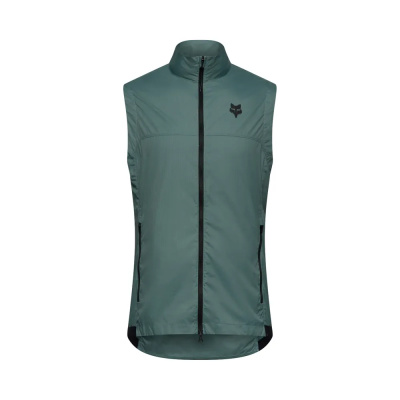
The Defend gilet steps it up with Cordura ripstop panels in high-wear zones. Cordura is a tough, abrasion-resistant fabric - the kind that handles contact with rock edges, rough bark, and trailside gorse without picking up immediate damage. That makes the Defend the natural choice if you're riding technical, rooty, rocky trails where close encounters with the scenery are part of the session. The Fox mountain bike gilet Defend sits closer to enduro-specific riding than the Ranger does. For a different take on rugged gilet construction, Leatt gilets are worth comparing if you're committed to armoured, abrasion-focused layering.
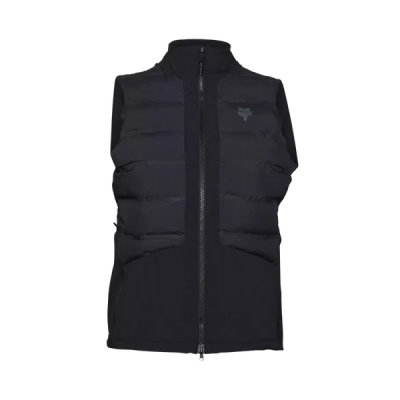
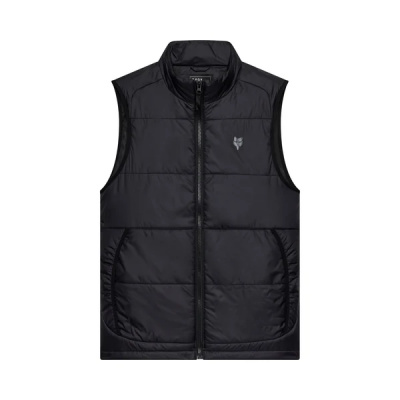
The Fire designation - applied to both Ranger Fire and Defend Fire variants - introduces Polartec Alpha insulation. This is an open-structure synthetic fill that traps warmth while remaining breathable during aerobic output. Unlike a dense insulation that builds up heat on a climb and then dumps you into a cold sweat on the descent, Polartec Alpha actively regulates - it keeps warmth moving rather than locking it in. For winter riding in the Peak District, the Scottish Borders, or anywhere the temperature sits stubbornly below five degrees, the Fire gilets are the ones to look at. The Fox insulated riding vest in Fire form is a genuinely different proposition from a standard windproof layer. The drop-tail hem across the range is a small detail worth flagging - it extends coverage at the back so your lower spine stays protected when you're hunched into an attack position, which a standard straight hem simply doesn't manage.
Fit across Fox gilets runs true to MTB sizing: enough room to move freely and to layer a base layer underneath, but cut close enough that there's no loose fabric flapping on fast sections. If you're between sizes and planning to add a Fox base layer underneath, size up. If it's going over a lightweight jersey in milder conditions, your standard size should work cleanly.
Layering Logic and Keeping Your Gilet Working
A Fox gilet performs best as part of a system, not in isolation. On a cold morning start, pair it with a Fox thermal base layer directly underneath - moisture-wicking fabric against your skin pulls sweat away before it chills you, while the gilet holds warmth over the top. A Fox windproof cycling vest over a cotton layer is asking for trouble on a hard climb; synthetic or merino next to skin makes the whole setup work properly.
For days where the rain is persistent rather than passing, step up to a full shell. The Fox jackets range has options that handle sustained wet weather properly, and it's worth having both a gilet and a jacket in your kit rotation rather than expecting one to cover every scenario. Some riders keep the gilet on under a packable shell for layered warmth - it works, though fit can get snug depending on the jacket cut.
On care: wash Fox gilets with a technical apparel cleaner - standard detergents and fabric softeners degrade the DWR coating faster than normal use does. Wash inside out on a cool cycle. Once the DWR starts to wet out rather than bead, an occasional low-heat tumble dry or a careful pass with a warm iron (on the reverse side, over a cloth) will often reactivate it. It won't last forever, but you'll get significantly more life out of the coating with basic care than without it. If you want a broader look at how Altura gilets handle DWR longevity by comparison, their reproofing guidance is similarly practical and worth reading alongside Fox's own recommendations.
Fox Gilets FAQs
Are Fox gilets waterproof or just windproof?
Fox gilets are windproof and treated with a DWR coating that sheds light rain and trail spray effectively. They're not fully waterproof, though. If you're heading out in sustained heavy rain, a fully seam-taped waterproof jacket is what you need - the gilet alone won't hold up against a proper soaking.
How should a mountain bike gilet fit?
Snug enough that there's no loose fabric catching the wind on fast descents, but with enough room across the chest and shoulders to layer a base layer underneath comfortably. The drop-tail hem is key - it should extend past your jersey hem at the back to keep your lower spine covered when you're in an aggressive, forward-leaning position.
Which Fox gilet is best for winter riding?
The Ranger Fire and Defend Fire gilets are the ones for serious cold. Both use Polartec Alpha insulation, which retains warmth while remaining breathable enough that you're not drenched by the top of a steep climb. For winter riding in genuinely cold conditions - think exposed moorland or high-altitude trail centres - these are the right choice in the Fox range.