
Altura Gilets
Altura gilets earn their place as one of the most reach-for-it pieces in a UK rider's kit bag - and for good reason. Engineered around the reality of British weather, where a dry start can turn raw and gusty before you've cleared the first climb, an Altura cycling gilet gives you core warmth and wind protection without committing to a full jacket. Stuff one into your jersey pocket on a bright morning; pull it out the moment that Pennine headwind bites. That's the deal.
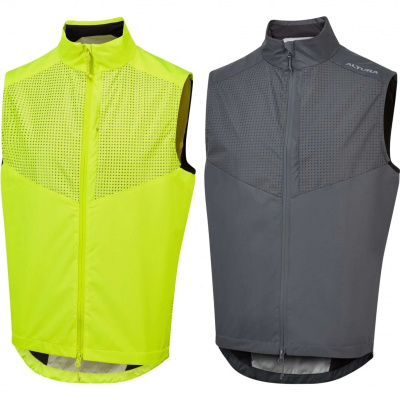
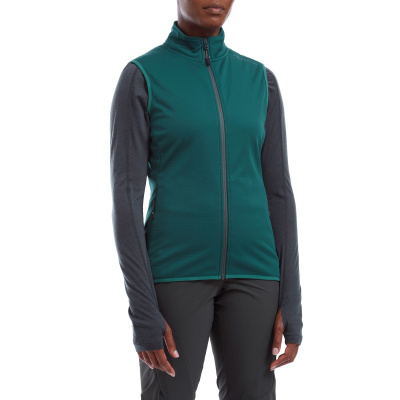
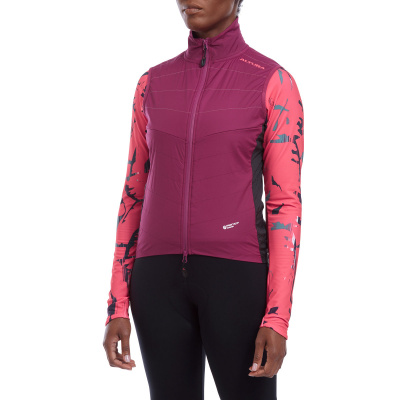
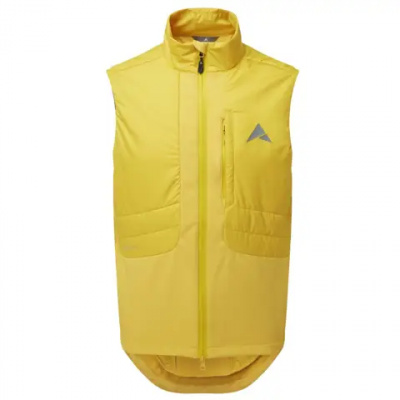
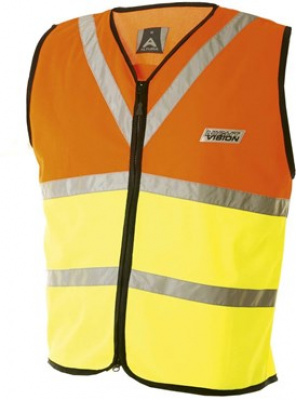
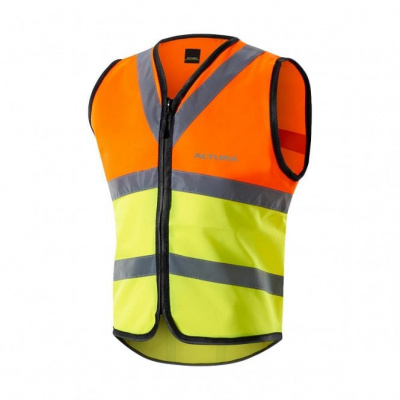
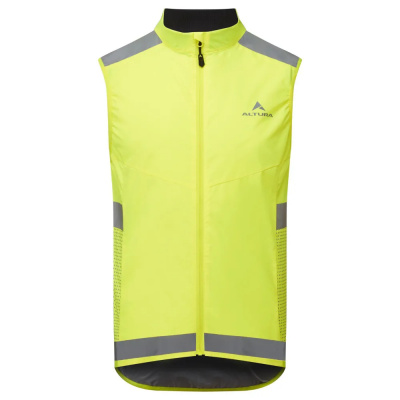
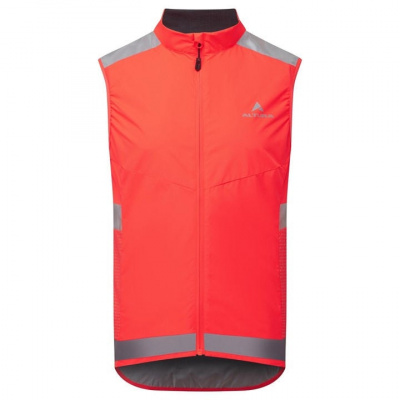
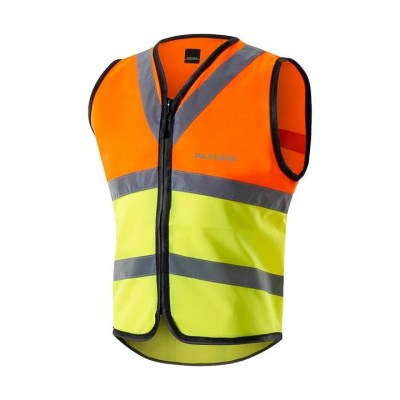
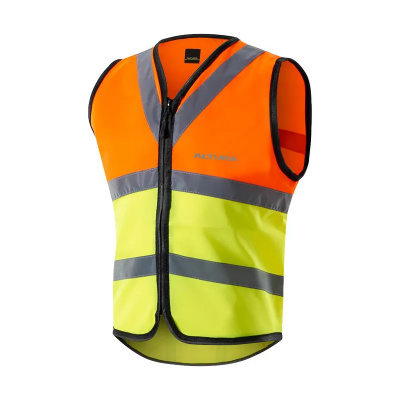
The range spans commuter-focused visibility kit through to close-cut performance vests for faster road and sportive riding. Windproof front panels block the chill across your chest, DWR coatings shrug off road spray and light drizzle, and where the effort is going up the wattage, mesh back panels dump the heat before you overheat. Altura's Nightvision reflective technology runs through a significant part of the range - a genuine asset if you're commuting through dark December mornings rather than just ticking a box. For deeper winter rides, select thermal models bring Polartec Alpha insulation into the mix, targeting core warmth without packing on weight. Whatever the season, there's an Altura gilet that fits the brief.
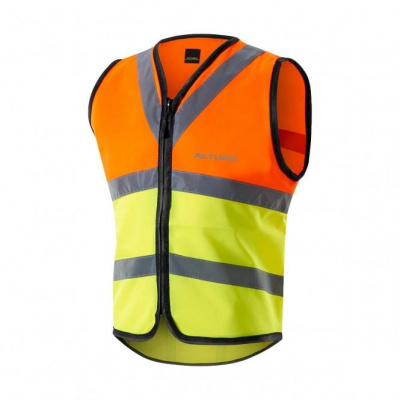
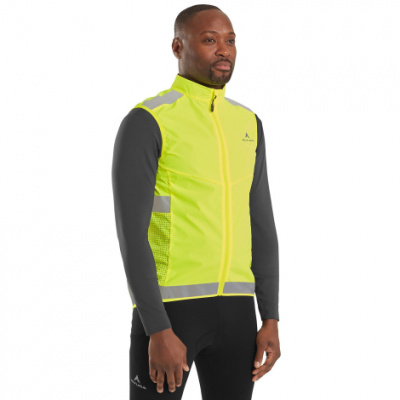
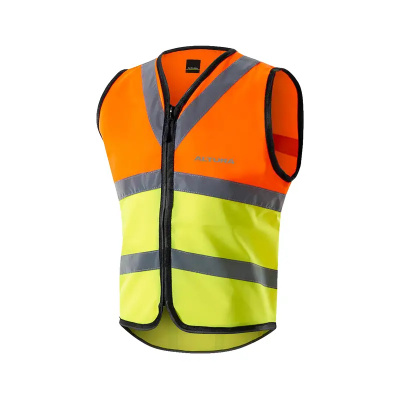
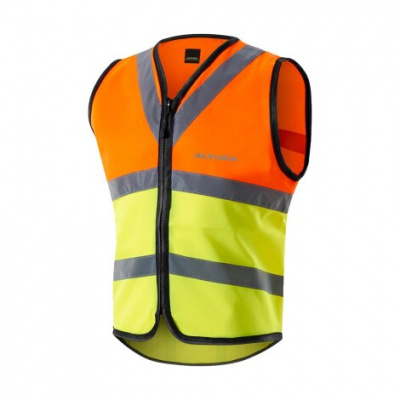
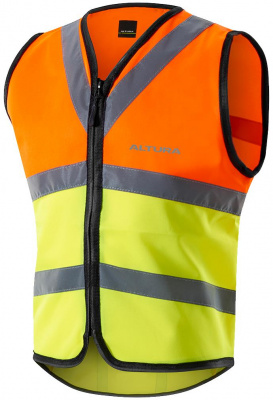
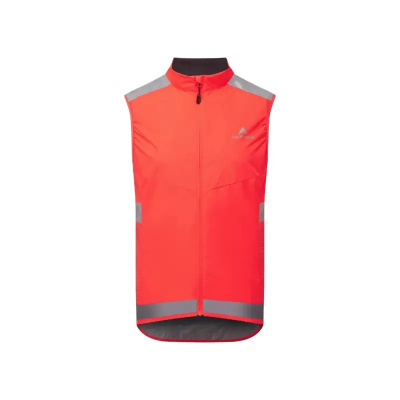
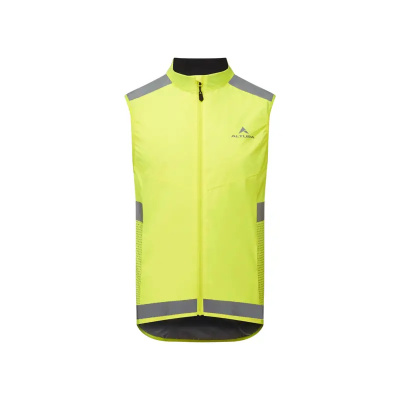
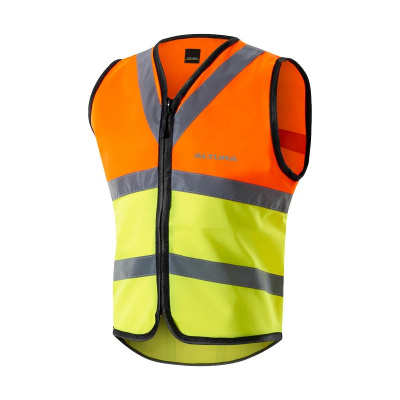
Prices and availability can change quickly. Delivery charges are not always included in listed prices.
Final price, stock status and delivery terms are set by retailer. We may receive a commission on purchases made.
Fabric Tech and Weather Performance: Blocking the Wind, Dumping the Heat
The dual-fabric construction at the heart of most Altura windproof gilets follows a straightforward principle: protect the parts that get cold first, and vent the parts that overheat fastest. The front panel - typically a tightly woven, windproof fabric with a DWR coating - faces into the wind and deals with road spray and light precipitation. It's not waterproof in the full-jacket sense, but it handles the kind of damp, blustery conditions that make up a large chunk of UK riding between October and April.
Flip to the back, and you'll find a highly breathable mesh rear panel doing the opposite job. On a hard climb or a tempo effort, your back produces a significant amount of heat and moisture. A solid fabric here would trap it all and leave you clammy within minutes. The mesh construction lets that heat out, keeping the gilet feeling like a layer rather than a furnace. It's a simple split that works well in practice, and it's why a good gilet handles shoulder-season riding better than a full jacket ever could.
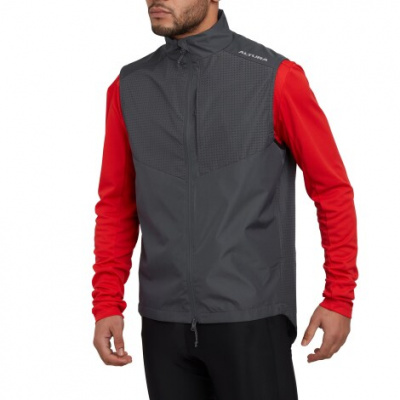
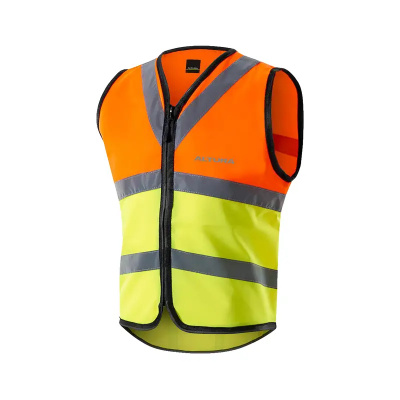
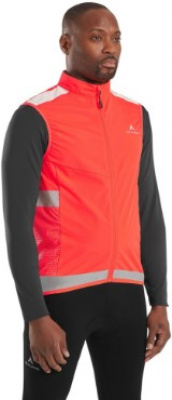
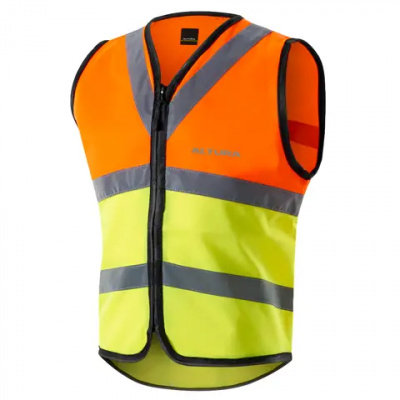
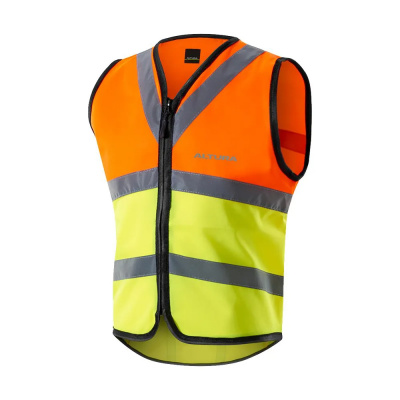
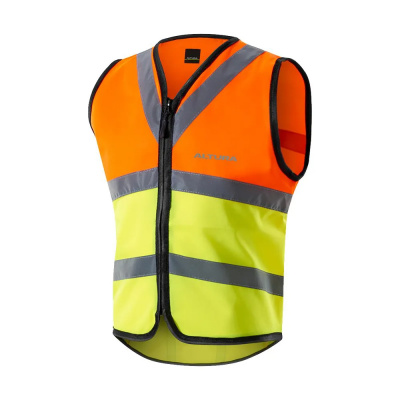
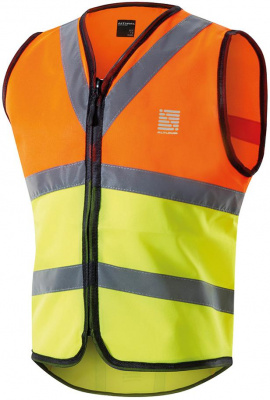
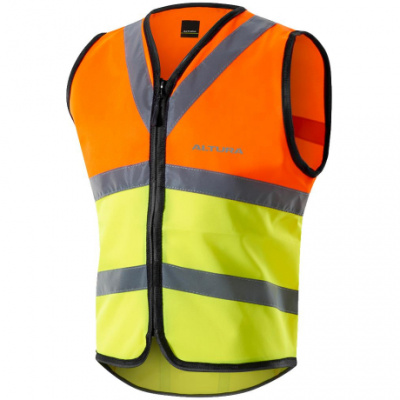
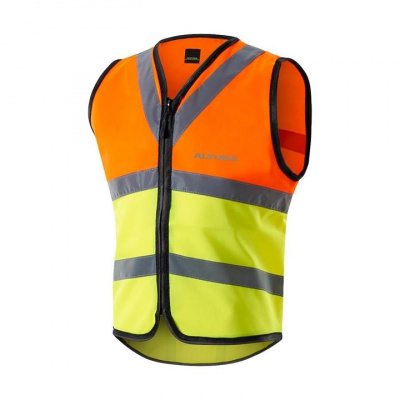
The Altura Nightvision gilet adds another dimension: 360-degree reflective detailing woven into the panels and seams, designed to maximise visibility under car headlights during low-light commutes and winter evening rides. This isn't retroreflective tape stuck on as an afterthought - Nightvision technology is integral to the fabric treatment and holds up through repeated washes. If your riding involves unlit B-roads or city commuting through winter, it's a meaningful feature rather than a marketing flourish.
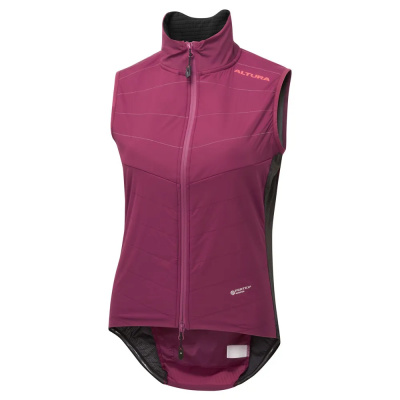
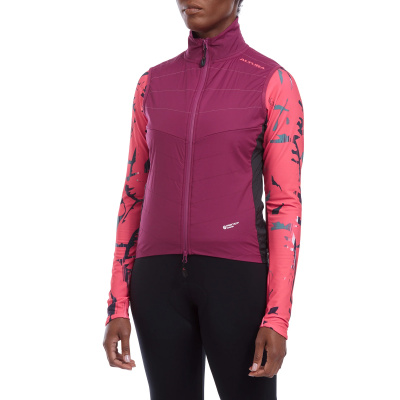
For colder days when a standard windproof layer isn't quite cutting it, Altura's thermal gilet options use Polartec Alpha insulation in the front and side panels to add active warmth around the core. Polartec Alpha is a smart choice here - it's engineered to breathe well even while insulating, so you don't cook on the climbs. Worth considering if you're riding into January and February rather than just September and October.
Fit Across the Range: Which Cut Works for You
Altura structures its gilet range around two broadly different fits, and picking the right one depends on how and where you ride. The Nightvision range leans towards a more relaxed, commuter-friendly cut. There's room to layer a thicker long-sleeve jersey or a base layer underneath without things pulling across the shoulders, and the hem tends to sit at a length that works off the bike as well as on it. If you're riding to work in a mix of cycling kit and everyday clothing, or you simply don't want a gilet that feels vacuum-sealed, this is the end of the range to be looking at.
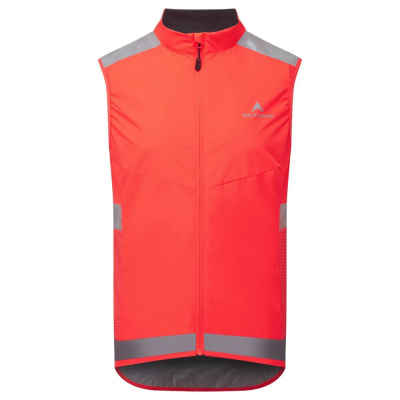
The Airstream and performance-oriented models take a noticeably closer cut. The fit is trimmer through the chest and torso, the hem is longer at the rear to cover your lower back in the drops, and there's less excess fabric to catch the wind at speed. If you're on a road bike averaging over 25 km/h on a club run or a sportive, the difference between a well-fitted performance gilet and a baggy one is felt immediately - loose fabric acts like a small sail and adds aerodynamic drag you simply don't need. These models also tend to have a higher front zip for better wind-sealing when the temperature really drops.
Sizing note: if you plan to layer the gilet over a mid-weight winter jacket or a heavily insulated jersey, consider going one size up. The fit guides assume a jersey underneath, and the stretch panels only go so far. Get that wrong and you'll be fighting the zip every time you stop at a café. Check the chest and back measurements against whatever you're planning to wear beneath - it takes thirty seconds and saves the hassle of a return.
For a broader look at how Altura's outerwear range fits together, their cycling jackets cover the days when a gilet alone won't do the job - full-sleeve waterproofs and softshells for proper winter descents or all-day wet-weather riding.
Building a Layering System and Keeping Your Gilet Performing
A gilet works best as part of a system, not a standalone fix. For most UK shoulder-season riding - think October mornings in the Chilterns or damp autumn evenings in the Trough of Bowland - the combination of a thermal or long-sleeve Altura jersey, a set of Altura arm warmers, and a gilet over the top covers an enormous range of conditions. It's modular: you can strip the arm warmers mid-ride and pocket the gilet on a long climb, then reverse the process on the descent. That flexibility is the whole point.
On colder days, an Altura base layer underneath does the moisture management work and adds a reliable band of warmth without bulk. A good base layer wicks sweat away from your skin and keeps the gilet's insulation or windproof layer working as intended rather than sitting against damp fabric.
Care matters more than most riders realise, particularly with DWR-treated kit. Wash your Altura gilet at 30 degrees on a gentle cycle, and always zip it up beforehand - an open zip thrashes against the fabric and degrades both the reflective prints and the DWR treatment faster than you'd expect. Avoid fabric softener entirely. It coats the fibres and actively strips the DWR coating that makes the gilet weather-resistant. If you notice water starting to soak in rather than beading off after washing, a low-heat tumble dry or a careful pass with a warm iron (on the reverse, not the reflective side) can reactivate the DWR treatment and restore performance. It's a five-minute job that extends the gilet's working life considerably.
Altura Gilets FAQs
Are cycling gilets worth it?
Genuinely, yes - a gilet is one of the most adaptable layers you can carry. It keeps your core warm and blocks wind chill while being compact enough to fold into a jersey pocket when you no longer need it. For UK riding especially, where conditions change within a single ride, that packability makes it far more useful than a full jacket on many days.
How should a cycling gilet fit?
It should sit snugly across the chest and shoulders so the fabric doesn't flap and create drag at speed. The rear hem needs to be long enough to cover your lower back when you're in the riding position. At the same time, there should be enough room to fit comfortably over your chosen jersey or base layer without pulling - size up if you're layering heavily underneath.
What is the difference between a cycling jacket and a gilet?
A gilet is sleeveless, so it focuses warmth and wind protection on your core rather than covering your arms. That makes it significantly more breathable and packable than a full jacket. Jackets are the better call on genuinely cold, wet days where your arms need protection too - gilets fill the gap for milder, windier, or changeable conditions where a jacket would overheat you.