
Dakine Jerseys
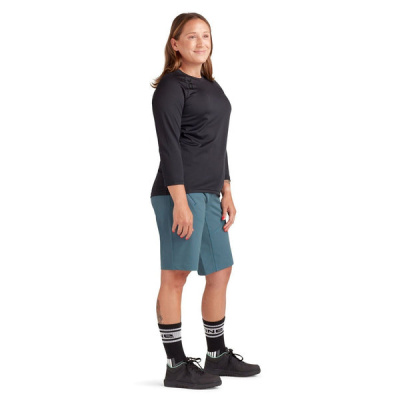
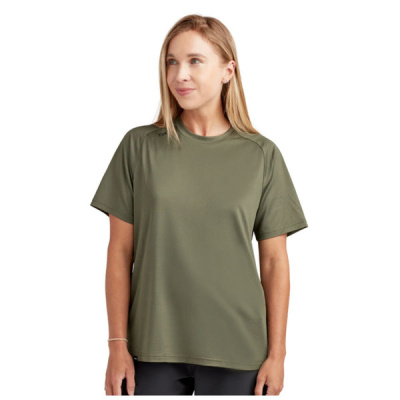
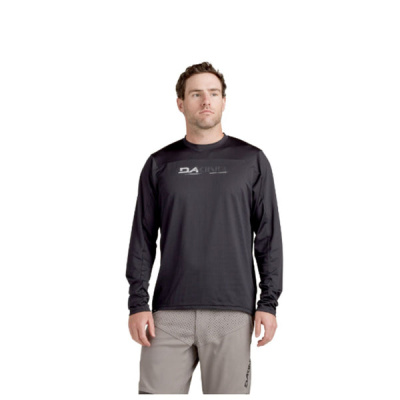
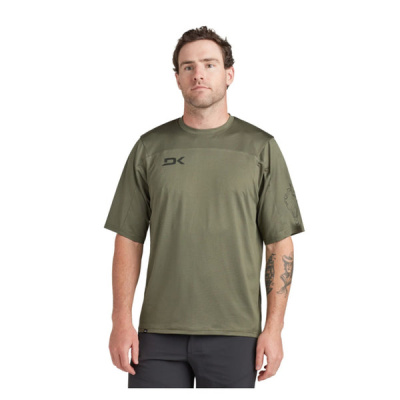
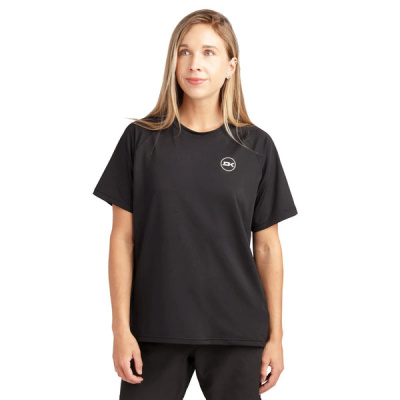
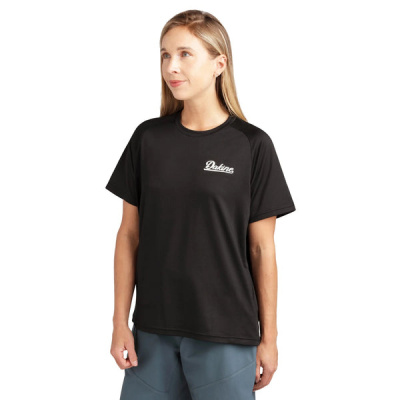
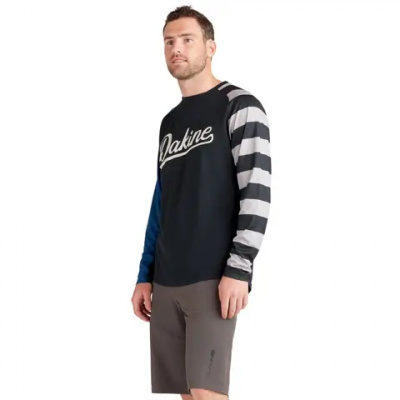
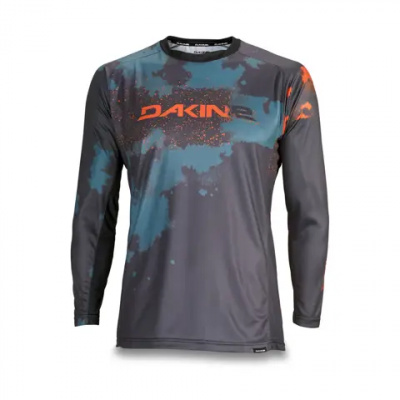
Dakine MTB jerseys come from a brand that spent its formative years dressing riders who wanted to go fast downhill and still look like they meant it - and that focus shows in every cut. These are jerseys built for trail, enduro, and downhill riders who need apparel that moves with them, breathes on the grind up, and doesn't flap around like a sail on the descent. The fit is relaxed enough to sit comfortably over low-profile body armour, the fabrics are genuinely technical, and Dakine backs the whole range with recycled materials that don't compromise on performance. You're looking at moisture-wicking construction, four-way stretch panels, and Polygiene odour control - practical features that matter when you're grinding through humid woodland climbs or heading out for a second day on the same kit. Whether you're after a lightweight short-sleeve for dry trail days or a durable long-sleeve to wear into autumn, Dakine's range covers the spread. If you want a jersey that sits at the sharper end of freeride-leaning apparel without forcing you to choose between comfort and function, this is a solid place to start.
Prices and availability can change quickly. Delivery charges are not always included in listed prices.
Final price, stock status and delivery terms are set by retailer. We may receive a commission on purchases made.
Fabric Tech & Weather Performance
The core of what makes a Dakine jersey worth shortlisting is what's actually in the fabric. Most of the range leans on Repreve recycled polyester - fibres made from post-consumer plastic bottles - which sounds like a marketing angle until you realise the material genuinely wicks moisture away from your skin quickly and dries faster than a lot of standard polyester blends. On a dense woodland climb where the air barely moves and you're generating serious heat, that matters more than any marketing copy.
Polygiene anti-odour technology is integrated into the fabric rather than sprayed on as a finish, which means it survives repeated washing without fading out after a few months. Practically speaking, you can wear the same jersey across back-to-back ride days - useful on a trail trip or a bike park weekend - without it becoming a biohazard. The treatment works by inhibiting bacterial growth rather than masking smell, so it's not just a deodorant effect.
Breathable mesh panels are placed where heat builds fastest - typically across the back and under the arms - and they work as passive venting rather than requiring you to open any zips. Combine that with the four-way stretch construction used across most Dakine jerseys and you get a fabric that follows your body through the full range of riding movement without bunching or pulling. It's not the same sensation as a race-fit road jersey, but that's not what it's designed for. The stretch here is about freedom of movement over a bike that's pitching and rolling underneath you.
One feature worth knowing about: several Dakine jerseys include an integrated microfibre sunglass wipe sewn into the hem or chest area. Small detail, useful in practice - particularly on a muddy day when your lenses are getting splattered every few minutes.
Understanding the Dakine Fit & Range
Dakine runs two broad fit profiles across the jersey range, and getting this right before you buy saves a lot of faff. The freeride fit is the more generous cut - extra room through the shoulders, chest, and arms to sit comfortably over low-profile body armour without pulling tight or riding up. If you're running a chest protector or shoulder pads underneath, this is the one. Size as normal and it'll work with your protection.
The trail or all-mountain cut is a touch more shaped - still relaxed by road cycling standards, but closer fitting than the freeride option. If you're riding without armour and want something that doesn't catch air on fast descents, this is where to look, and it's worth considering sizing down one if you're between sizes. Neither fit is what you'd call athletic in the road-jersey sense, and that's deliberate.
The range moves from entry-level short-sleeve trail jerseys through to premium long-sleeve enduro options with reinforced elbows and heavier-duty fabric. The entry options are a good starting point if you're riding blue and red trails regularly. Step up to the premium end and you're getting more robust construction, better mesh placement, and the full Polygiene treatment - worth the extra if you're riding harder ground more often, or if your kit goes in the wash twice a week after wet Welsh trail centre sessions.
The drop tail hem is consistent across most of the range and is worth flagging - it's longer at the back than the front, keeping your lower back covered in an aggressive riding position. If you've ever had a jersey ride up mid-descent and left a gap between jersey and shorts, you'll know why this detail exists. It's one of those things you don't notice when it works, and you immediately miss when it's gone.
Compared to something like 100% jerseys - which tend toward a slimmer, more moto-influenced cut - Dakine sits in a roomier space that works better with armour layering. Alpinestars jerseys sit somewhere in between. If you want a more performance-trail bias with less freeride volume, 7mesh jerseys take a different approach entirely, leaning toward technical trail riding over park laps.
Layering & Care for UK Riding
UK riding means you're rarely dealing with one consistent temperature for a whole day. A Dakine short-sleeve trail jersey works well with a lightweight merino or synthetic base layer underneath when you're heading out on a cool morning that'll warm up by the time you're on the third climb. The four-way stretch means adding a thin base layer doesn't restrict movement, and you can pack a lightweight shell - pulled out of a Dakine hip pack - when the weather turns without the jersey bunching underneath.
For autumn and winter, the long-sleeve options work better as a mid-layer than you might expect. Wear one under a waterproof shell on a grim Peak District day and it handles moisture from the inside while the shell deals with what's coming from above. The Repreve fabric doesn't hold water when it gets wet, which means it doesn't go cold and clammy the way some synthetic blends do.
Care is straightforward but worth doing properly if you want the technical treatments to last. Wash on a cool, gentle cycle - 30°C is plenty - with a mild non-biological detergent. Avoid fabric softener entirely: it coats the fibres and clogs the moisture-wicking structure, which defeats the point of the fabric. The same goes for tumble drying. Hang the jersey to dry and it'll be ready faster than you'd expect, and the Polygiene treatment will keep working wash after wash rather than degrading within a season. UK trail mud is tenacious, but a cold rinse straight after the ride before a proper wash makes a real difference to how much work the machine has to do.
If you're building out the rest of your kit, Dakine's own gloves and hydration packs sit alongside the jerseys in a range that's designed to work together - consistent sizing logic and compatible fit philosophy across the board.
Dakine Jerseys FAQs
How do Dakine MTB jerseys fit?
Dakine jerseys run with a relaxed, freeride-leaning fit designed to move freely over low-profile body armour. If you're riding without pads and want a closer, less voluminous fit, drop a size. The drop tail hem keeps your lower back covered in a low riding position - a useful detail that's easy to overlook until it's absent.
Are Dakine jerseys good for hot weather riding?
They handle heat well. Summer-weight options use lightweight recycled polyester with breathable mesh panels placed where you generate the most warmth - back and underarms. The moisture-wicking fabric shifts sweat quickly, which counts for a lot on slow, humid climbs where air movement is minimal.
How should I wash my Dakine cycling jersey?
Cool gentle cycle, 30°C, non-biological detergent. Skip the fabric softener - it clogs the technical fibres and kills the moisture-wicking performance over time. No tumble drying either. A cold rinse straight after a muddy ride before the main wash keeps the fabric in better shape for longer and protects the Polygiene anti-odour treatment.