
Leatt Gloves
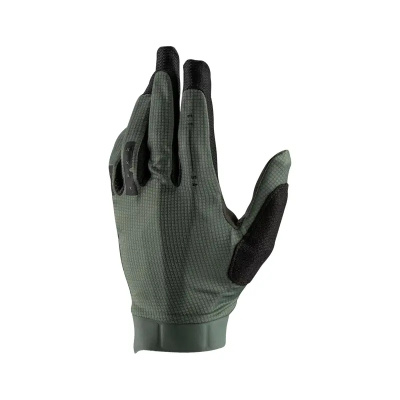
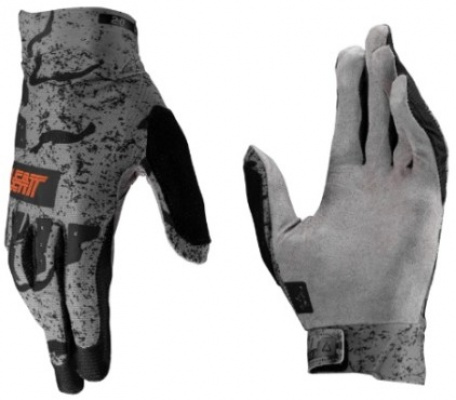
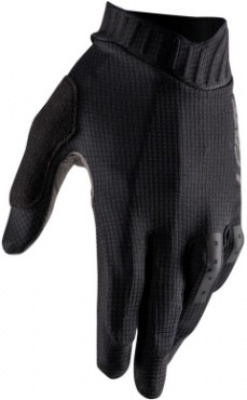
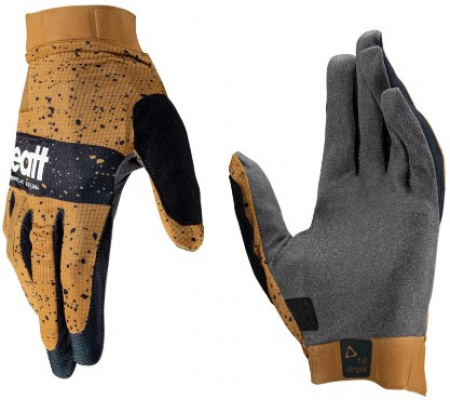
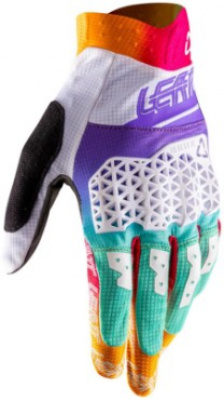
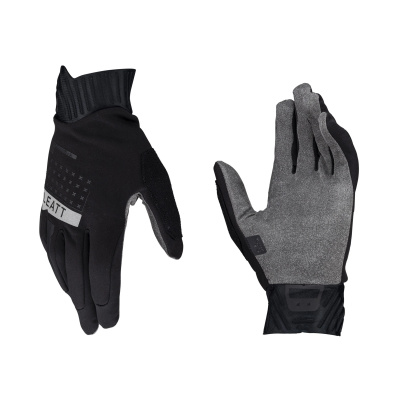
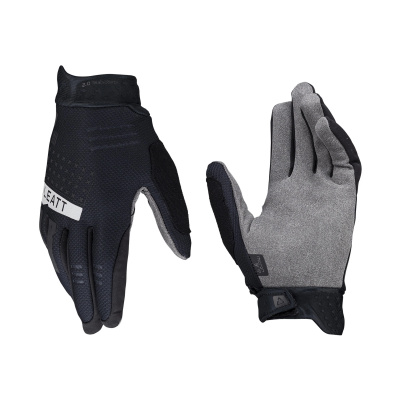
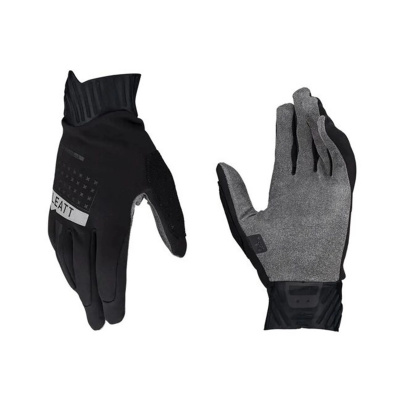
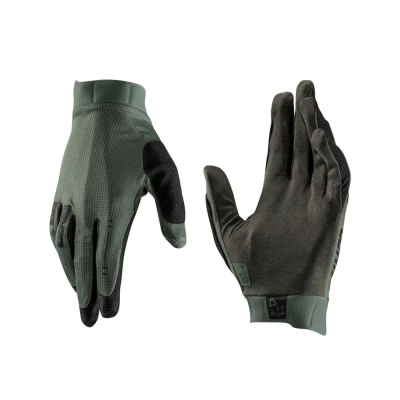
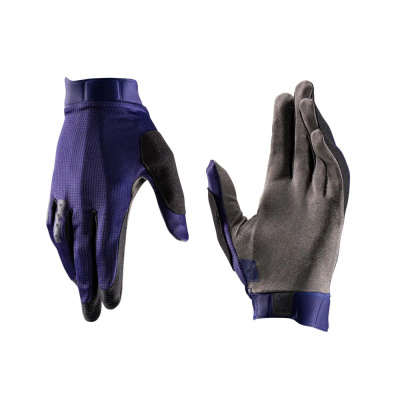
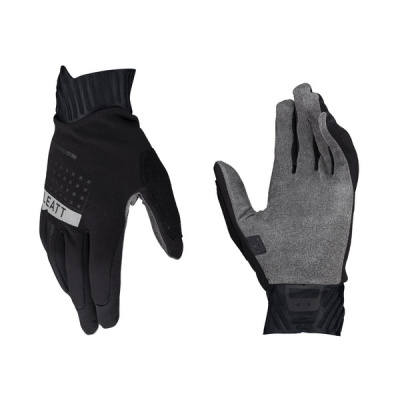
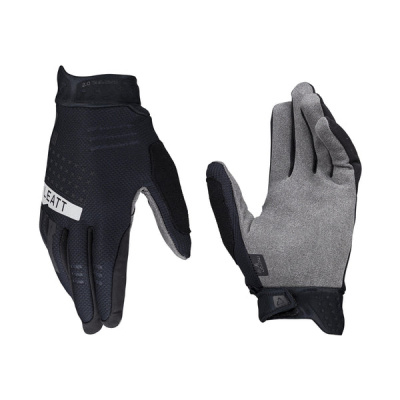
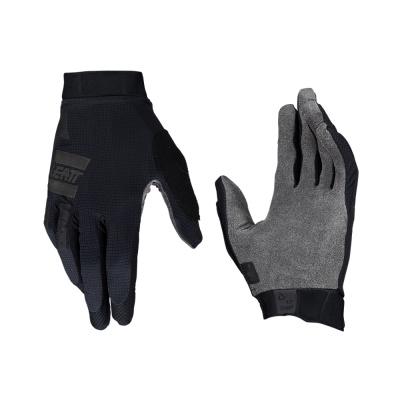
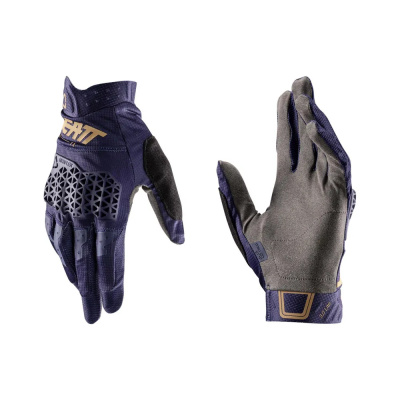
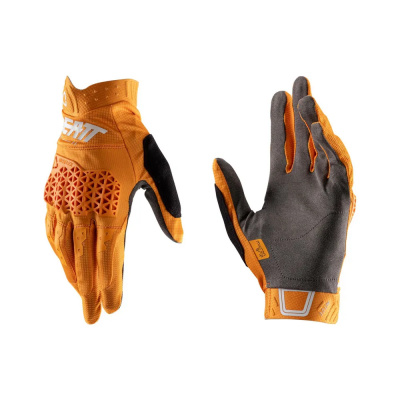
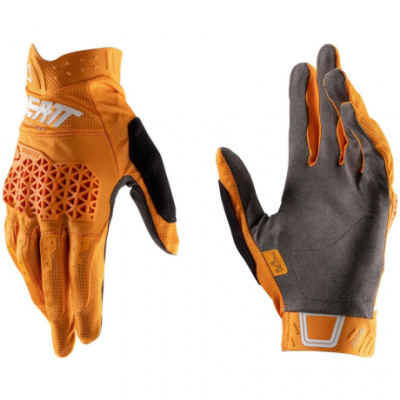
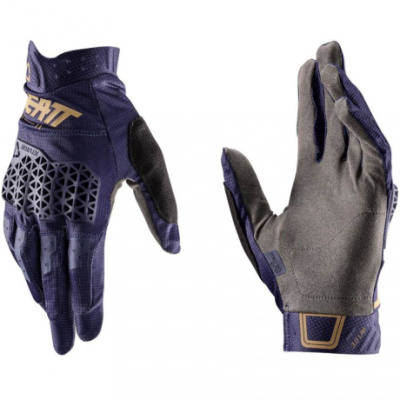
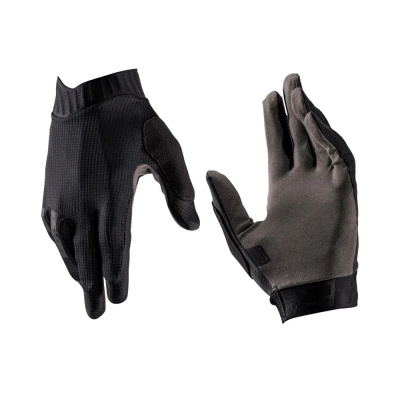
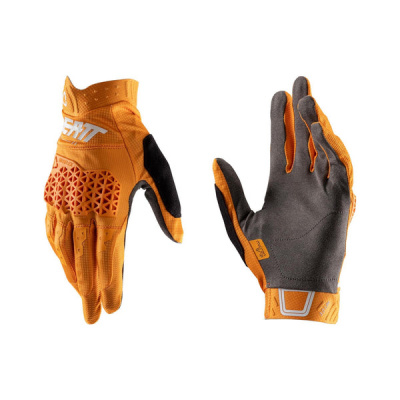
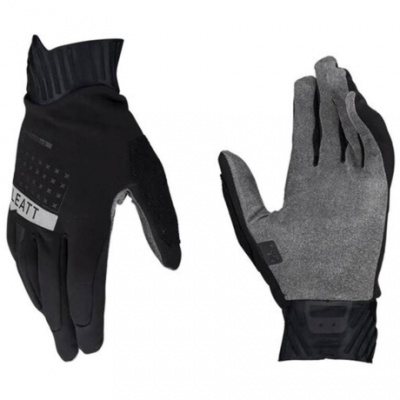
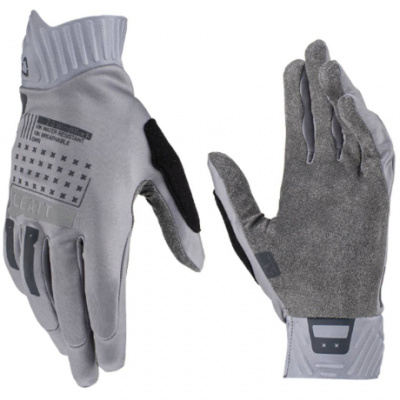
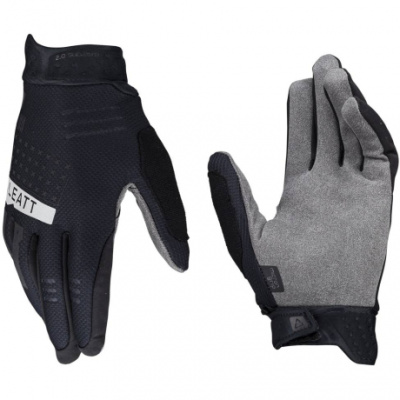
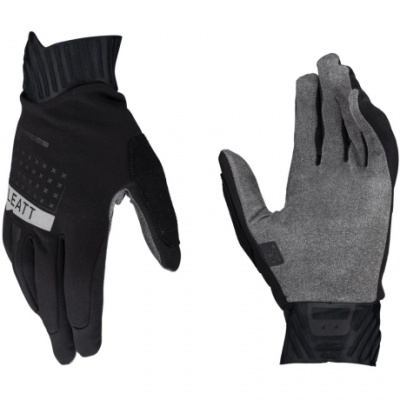
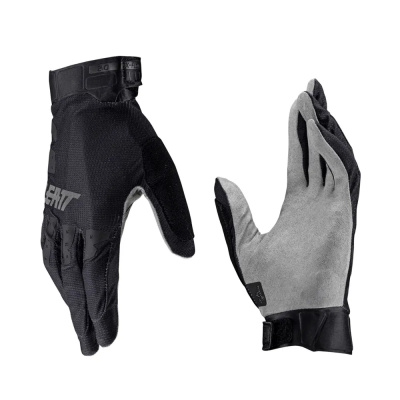
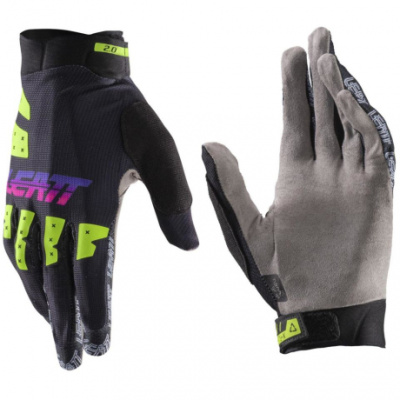
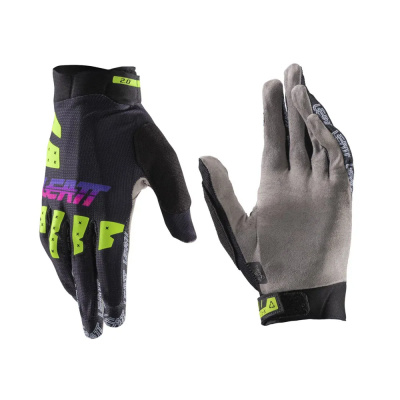
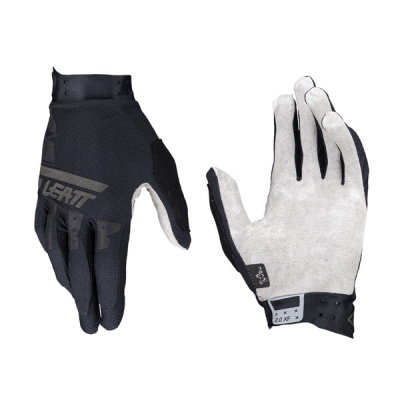
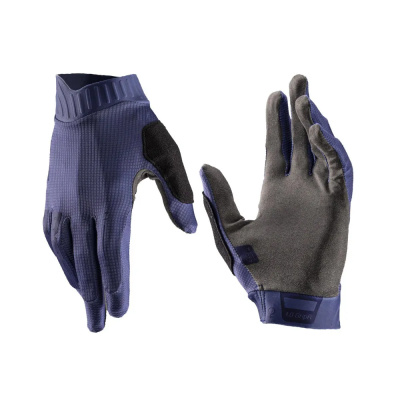
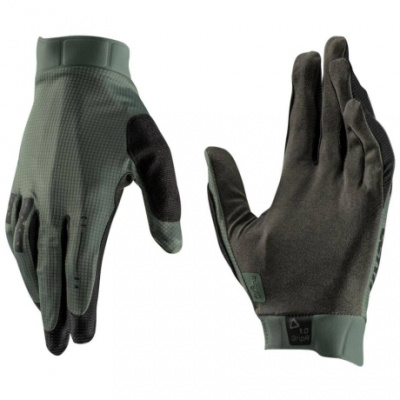
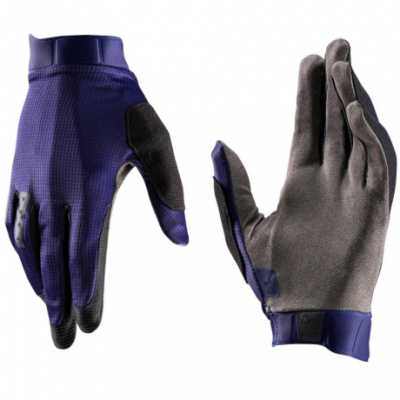
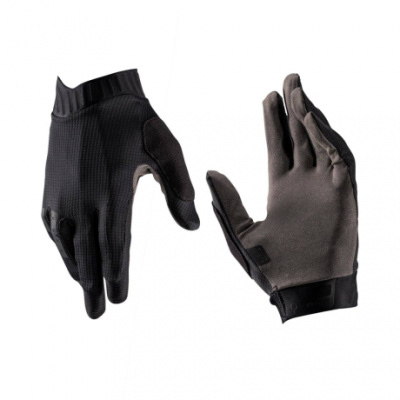
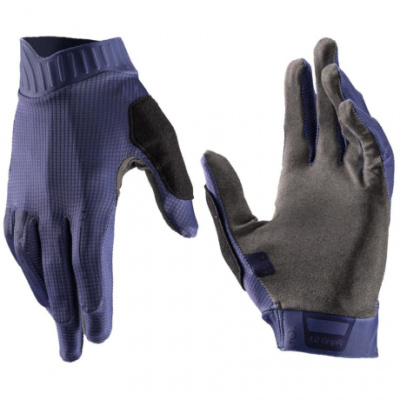
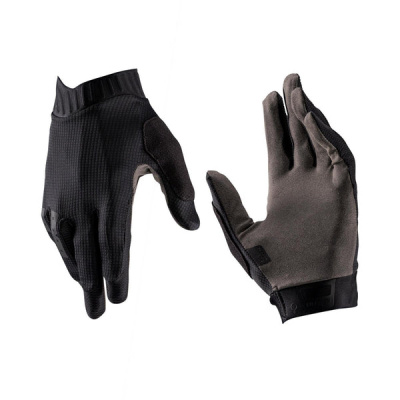
Leatt MTB gloves sit in a rare position in the market: genuinely protective without feeling like you're gripping your bars through a pair of oven mitts. Leatt built their reputation on impact protection, and that thinking runs straight through their glove range - from featherlight summer mitts to seriously insulated winter options. The proprietary NanoGrip palm material is the headline act, using fibres 7,500 times thinner than a human hair to deliver bar feel that borders on bare-handed, while AirFlex impact gel on the knuckles hardens on contact but stays pliable the rest of the time. That's a meaningful trade-off resolved rather than ducked. FormFit finger stitching pre-curves the glove so there's no bunching on the grips when your hands are working hardest. For UK riders, the wet-weather credentials matter too: NanoGrip actually grips better when damp, and the Windblock and SubZero variants are built for the kind of exposed, biting cold you get on moorland or high-route gravel days in October. Whether you want CE-certified knuckle armour for bike park laps or a barely-there summer glove for singletrack, there's a model here worth looking at.
Prices and availability can change quickly. Delivery charges are not always included in listed prices.
Final price, stock status and delivery terms are set by retailer. We may receive a commission on purchases made.
Grip, Palm Tech, and Why Wet Weather Changes Everything
The difference between Leatt's two core palm materials is more than a spec-sheet detail. NanoGrip uses an ultra-fine fibre construction that increases surface contact with your bar grip - and crucially, it gets tackier rather than slippier when wet. On a rooty Welsh descent in November, that's not a minor advantage. The fibres conform to the grip texture rather than sliding over it, so bar feel stays precise even when your hands are soaked. It's the premium choice, found on the higher-numbered models, and it's what separates a Leatt glove from something that just looks the part.
MicronGrip, used on the more accessible 1.0 and 2.0 models, is a slightly thicker synthetic leather construction. You still get excellent tactile feedback and solid grip in most conditions - it's more durable against abrasion and holds up well across a long season's riding. If you're comparing, think of NanoGrip as the race-spec option and MicronGrip as the reliable all-rounder. Neither will leave you fishing for your brakes.
Knuckle protection comes via AirFlex impact gel - a material that stays soft and flexible during normal riding but stiffens on sharp impact. It keeps the glove low-profile so you're not clunking your knuckles on the bar ends, but it's CE certified and does a real job when it matters. On summer or lightweight models, you'll find X-Flow mesh panels that dump heat efficiently on steep, sweaty woodland climbs where ventilation counts for as much as grip. For winter, Windblock fabric cuts the chill on exposed approaches, and SubZero insulation goes further - these are proper cold-weather gloves, not just slightly thicker versions of a summer pair.
Decoding the Range: Which Number Is Right for You?
Leatt's numerical naming runs from 1.0 up to 4.0, and it's a reasonably logical system once you know what each step adds. The 1.0 and 2.0 gloves are built around breathability and minimal bulk - X-Flow mesh, MicronGrip palms, and enough protection to cover a tumble without adding noticeable weight to the package. They suit riders who want confidence on the bars without the glove getting in the way. Good for cross-country, trail days in summer, or any ride where overheating is the bigger risk.
Step to the 3.0 and 4.0 and you're getting CE-certified knuckle armour via AirFlex gel, NanoGrip palms, and more robust construction throughout. These are the bike park and enduro options - still wearable on long rides but built for situations where a crash is a realistic possibility rather than a remote one. If you're regularly riding the bigger lines at Bike Park Wales or heading into the chunky stuff in the Tweed Valley, the protection-to-feel ratio here is hard to argue with. Fox gloves and 100% gloves cover similar ground in the full-finger category, but neither matches Leatt's integration of CE-rated armour at this price point.
FormFit stitching is consistent across the range and worth understanding. The glove is constructed with a pre-curved finger profile - it mimics the natural bend of your hand on the bars. That means zero palm bunching when you're gripping hard, and less hand fatigue on longer efforts. First time on, it can feel snug, which leads to the fit question most riders ask.
Sizing generally runs true, but Leatt's pre-curved race fit is cut close. If you're between sizes or prefer a little room, go up. Check the sizing chart before ordering - knuckle circumference is the most reliable measurement to use. Touchscreen-compatible threads are woven into the index finger and thumb across most of the range, so checking a trail map or adjusting your GPS without pulling a glove off is straightforward. That's a small thing until it's cold and raining on Dartmoor and you're grateful for it. Pair these with Leatt grips and the NanoGrip palm really comes into its own - the two materials are designed to work together.
Care, Layering, and Getting the Most From Them
These gloves need a bit of attention to stay performing well, and the care instructions matter more than you might expect. Cold wash only - 30°C maximum. No fabric softener, full stop. Softener coats the NanoGrip fibres and kills the friction properties, and it wrecks the DWR coating on Windblock models that keeps water beading off the back of the hand. Air dry flat, away from radiators. Synthetic leather that dries too fast over a heat source goes stiff and can crack at the seams. It's a two-minute job to do it right; it adds months to the glove's life.
For layering across the UK riding calendar, the 1.0 or 2.0 models pair well with a lightweight Leatt jersey from spring through to early autumn. Once the temperature drops and you're heading into full winter kit - bib tights, base layers, the works - the SubZero gloves work alongside a Leatt jacket to keep you functional in genuinely miserable conditions. If you're also running Leatt body armour underneath, the 4.0 gloves complete a cohesive protection system that makes sense for uplift days or high-consequence riding. For comparison, Endura gloves are strong in the winter commuter bracket but don't carry the same crash-protection credentials as Leatt's upper models.
One practical note: if you're buying Windblock gloves for exposed winter rides, they're not waterproof - they're wind-resistant with water-repellent treatment. In sustained heavy rain you'll eventually feel it. For full waterproofing you'd need an overglove, or accept that's the trade-off for the breathability and bar feel these retain over a sealed membrane glove.
Leatt Gloves FAQs
How do Leatt MTB gloves fit?
Leatt uses a pre-curved FormFit construction that follows the natural shape of your hand on the bars. Most riders find them true to size, but the fit is deliberately snug. If you're between sizes or like a little extra room, size up. Measure knuckle circumference against the sizing chart for the most accurate result.
Are Leatt gloves touchscreen compatible?
Yes - the majority of Leatt's MTB gloves have touchscreen-compatible threads in the index finger and thumb. You can use your phone or GPS without stripping the gloves off, which is genuinely useful when you're cold, mid-route, and trying to figure out where you went wrong.
What is the difference between Leatt MicronGrip and NanoGrip?
NanoGrip is the premium option - ultra-thin fibres that maximise bar feel and actually grip better when wet, which is a real advantage in UK conditions. MicronGrip is slightly thicker, more abrasion-resistant, and sits on the more affordable models. Both give solid tactile feedback; NanoGrip just takes it further.