
Leatt Jerseys
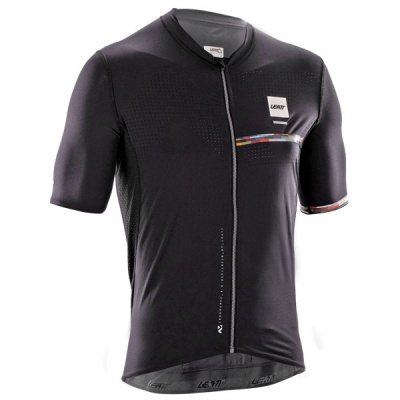
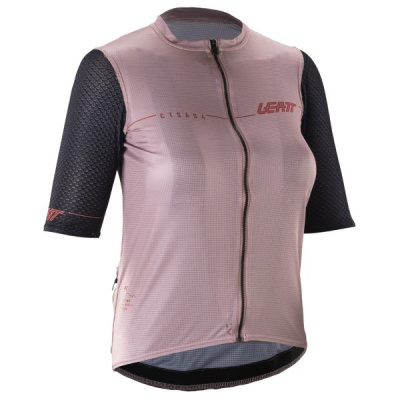
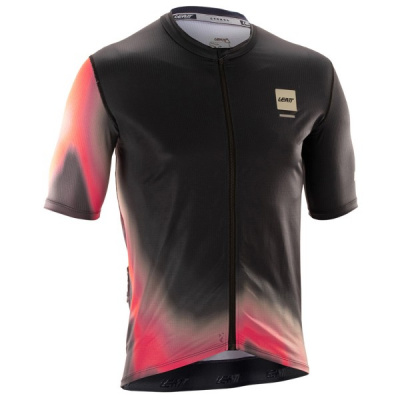
Leatt Jerseys are built around a simple idea: protection and performance don't have to fight each other. Coming from a brand that started with neck braces before expanding into full MTB apparel, these tops carry genuine gravity-sport thinking into every seam and panel. The fit is designed to work with body armour underneath, the collars are cut to clear a neck brace without bunching, and the fabrics are chosen to handle the kind of riding where you're sweating hard on the climb and then instantly cooling on a fast, exposed descent.
That matters on UK trails more than you might think. Steep, humid trail centre climbs in Wales or the Forest of Dean demand real breathability, not just a mesh panel for show. Overgrown summer singletrack means long-sleeve options earn their keep against brambles and nettles. And the dirt-repellent coatings that feature across the range aren't marketing filler - sticky British grit and mud will test any jersey, and Leatt's fabric treatments hold up well under that kind of punishment.
Whether you're chasing enduro segments, sessioning the bike park, or putting in long trail miles, there's a jersey in the range that fits the brief. This page covers the tech, the sizing logic, and which models suit which kind of riding.
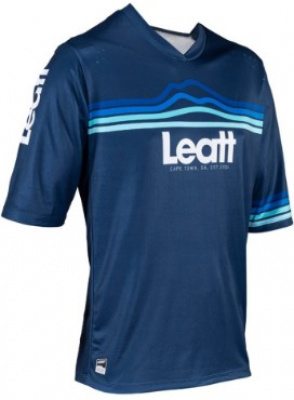
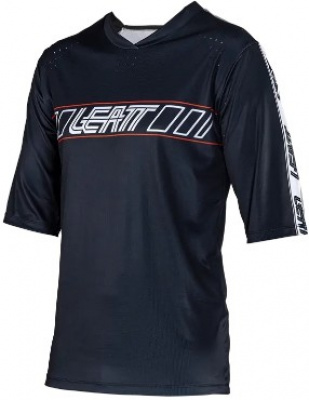
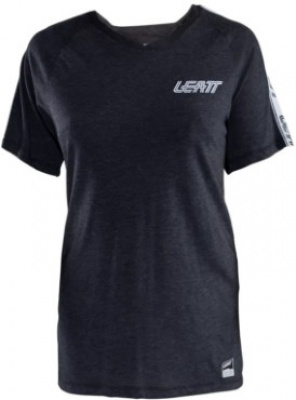
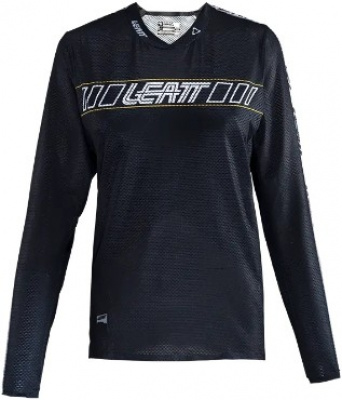
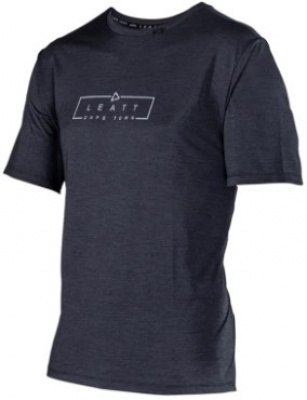
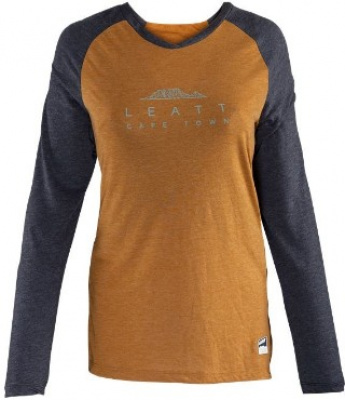
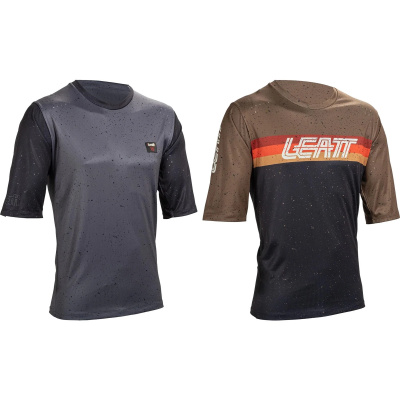
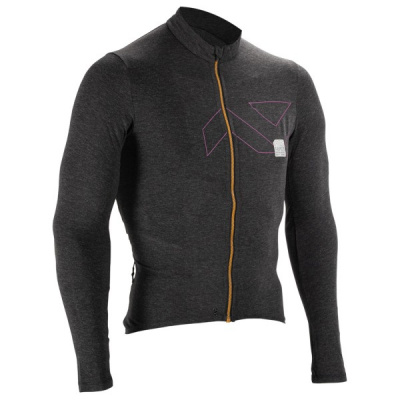
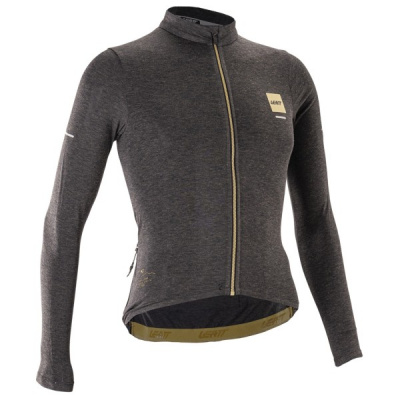

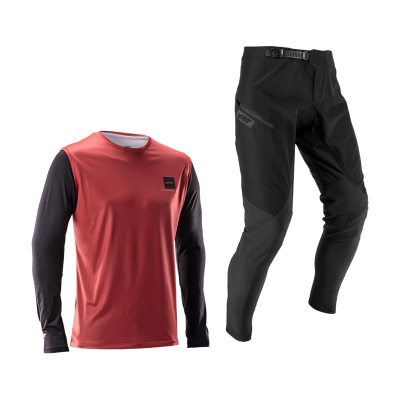
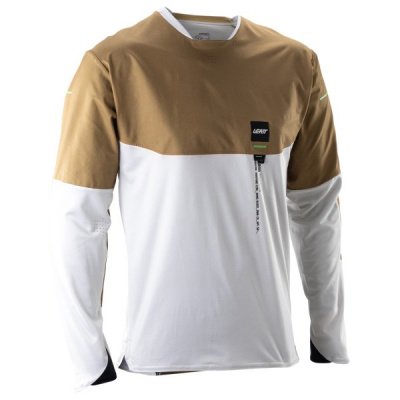
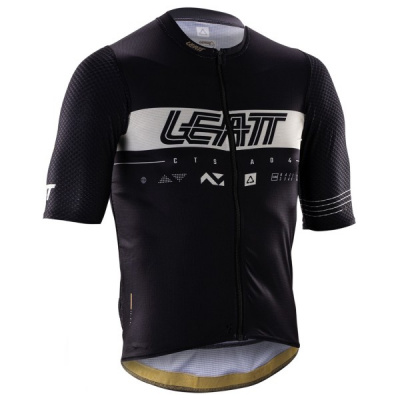
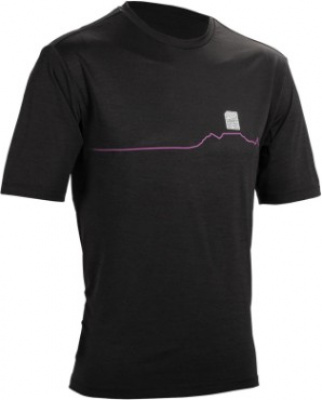
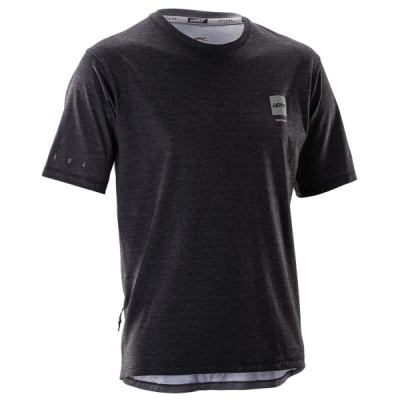
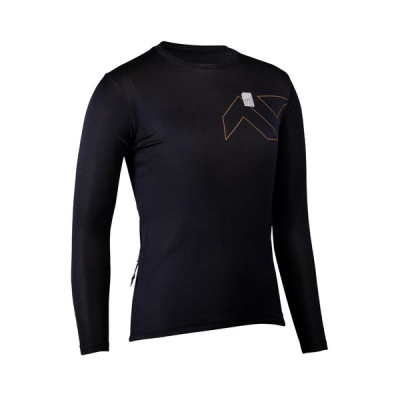
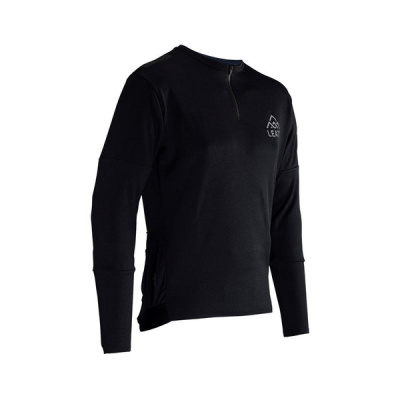
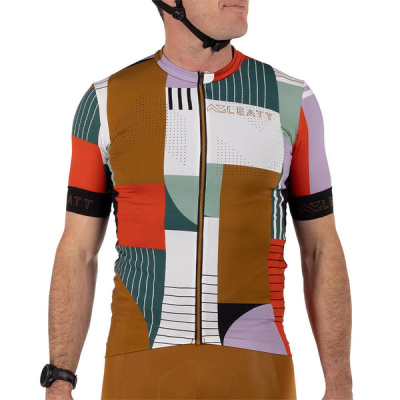
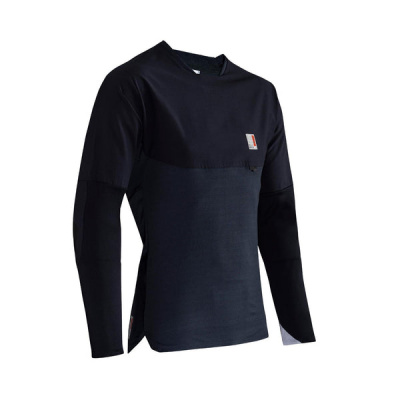
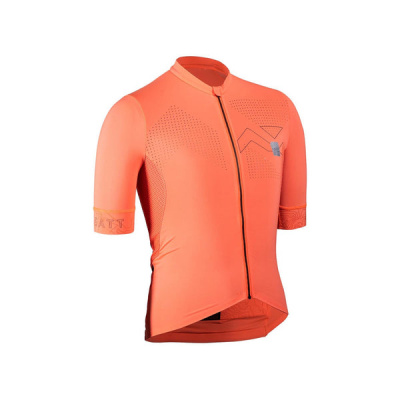
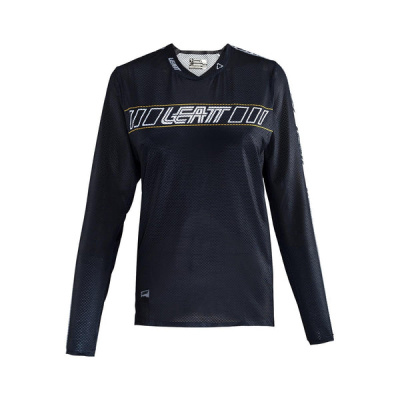
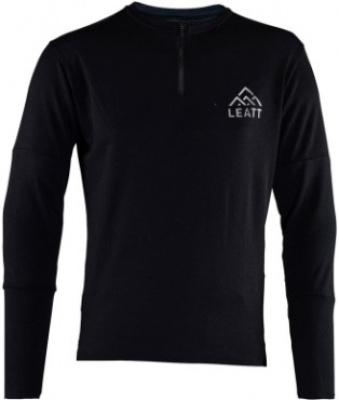
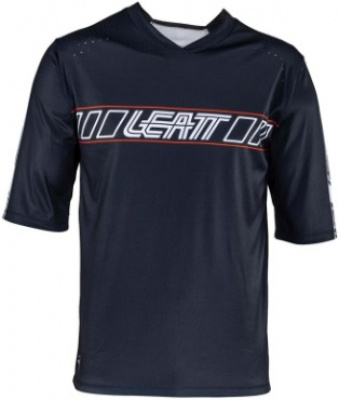
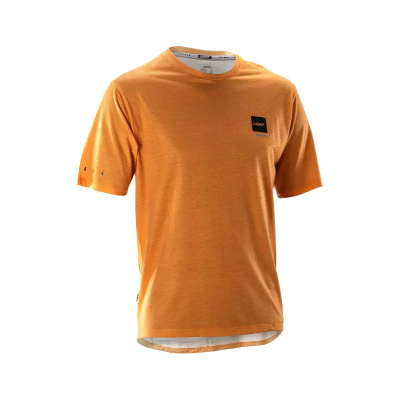
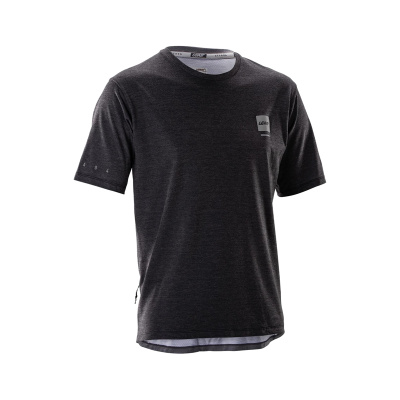
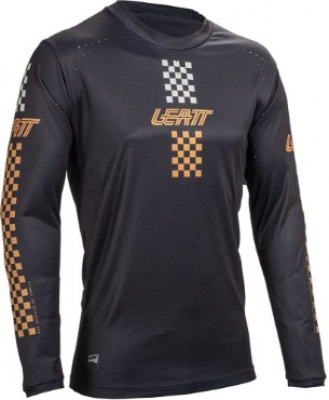
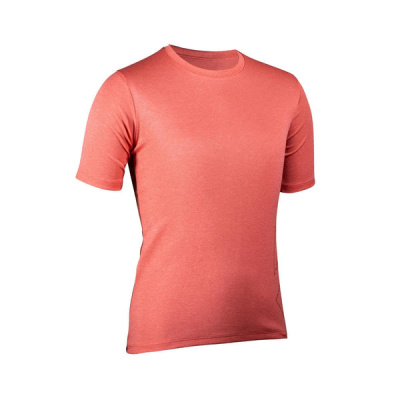
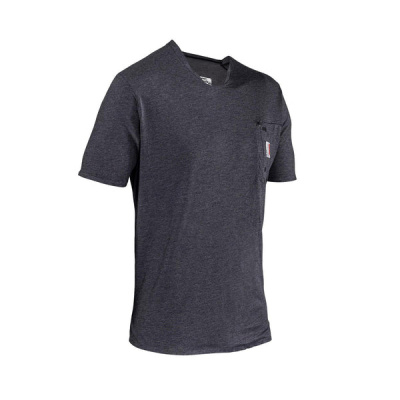
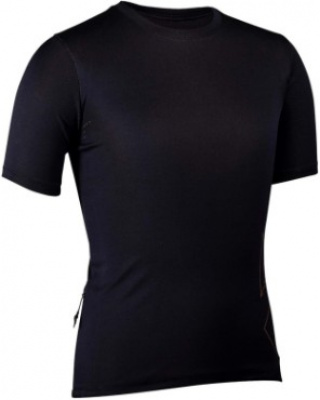
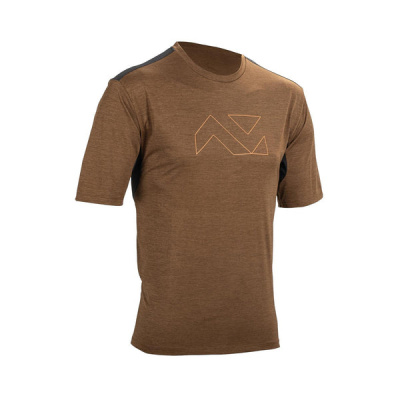
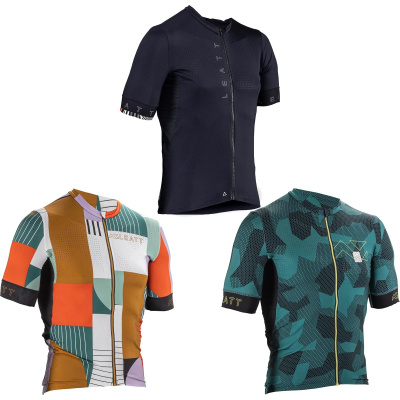
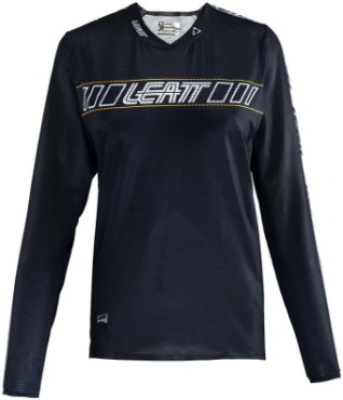
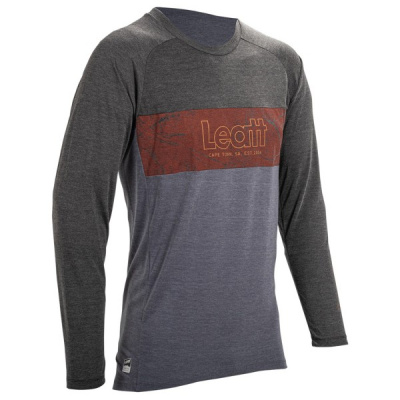
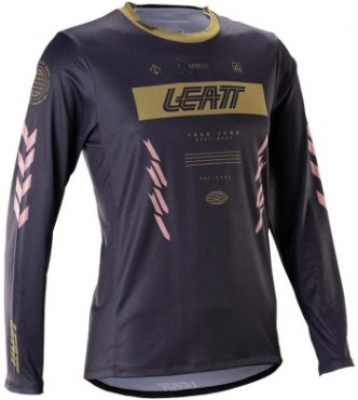
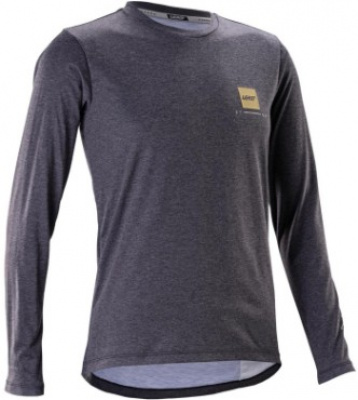
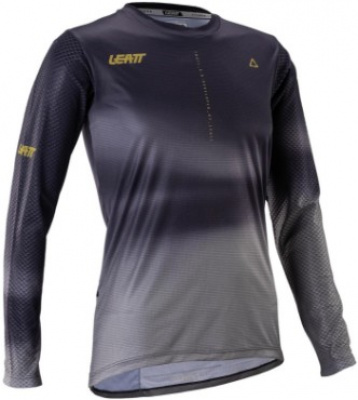
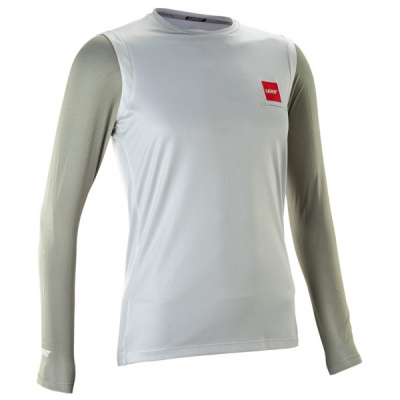
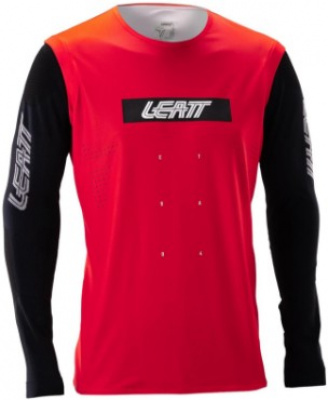
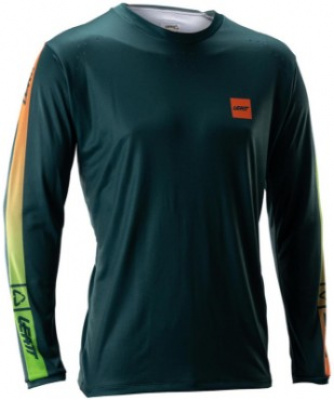
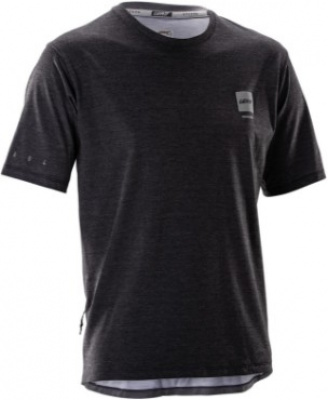
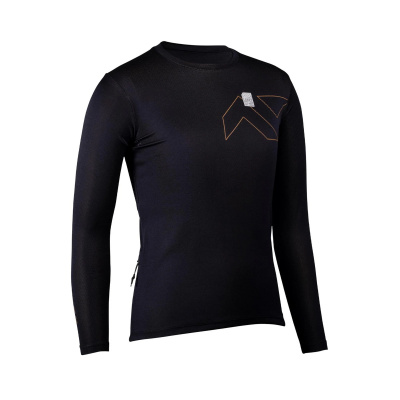
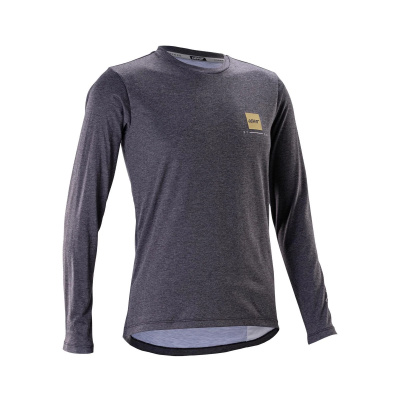
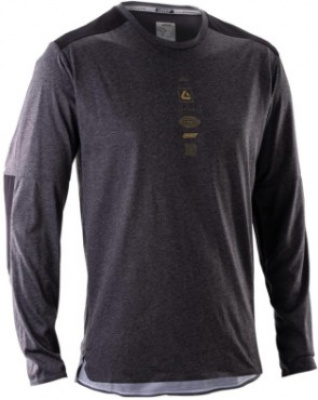
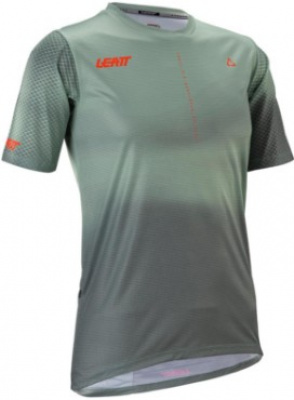
Prices and availability can change quickly. Delivery charges are not always included in listed prices.
Final price, stock status and delivery terms are set by retailer. We may receive a commission on purchases made.
Fabric Tech and How It Handles UK Conditions
Two materials do most of the work across the Leatt range. MoistureCool wicking mesh pulls sweat away from the skin fast - genuinely fast, not just faster-than-cotton fast. On a long, grinding climb in humid conditions, that difference is real. The mesh panels are placed where heat builds first: across the back, under the arms, and through the chest on more ventilated models. Laser-cut ventilation adds airflow without weakening the fabric, so you get breathability that doesn't cost you durability.
The more interesting material story is IceYarn technology. Leatt produces this cooling yarn partly from recycled coffee grounds, which sounds like a gimmick until you understand that coffee-derived carbon is genuinely effective at absorbing and dispersing body heat. The result is a fabric that feels noticeably cooler against the skin than standard polyester. On back-to-back runs at a bike park when you're barely off the bike between laps, that temperature regulation is the kind of thing you notice by the third descent rather than the first.
The dirt, water, and stain-resistant coatings applied to most jerseys in the range are practical rather than flashy. UK trails - particularly after any rain, which rules out roughly three days in four - throw up a constant spray of grit, mud, and organic debris. A treated fabric sheds the surface stuff and dries faster than an untreated one. It won't keep you dry in a prolonged downpour, but it handles the typical British drizzle-and-mud combination without immediately weighing you down.
The Leatt Range and What Each Level Is For
Leatt uses a numbered hierarchy across its apparel, and it's worth knowing what those numbers actually mean before you pick a jersey. It's not just about price - each tier has a different purpose.
The 1.0 sits at the entry level: straightforward trail jersey, relaxed fit, basic wicking fabric. Fine for casual riding or someone new to the brand who wants a reliable top without paying for tech they don't need yet. The 3.0 steps things up with a lighter construction and more considered cut - still comfortable enough for a long day in the saddle, but with noticeably better moisture management. This is the one most trail riders gravitate towards.
The 4.0 is where it gets race-focused. Ultra-light fabric, close-fitting cut, maximum ventilation. If you're running a Leatt enduro jersey fit for a timed stage or a hot-weather trail blitz, this is the tier to look at. The trade-off is that the lighter build is less forgiving of repeated crashes or heavy vegetation - it's not fragile, but it's optimised for performance over resilience.
The 5.0 shifts priorities entirely. Windproof panels, water-resistant outer, heavier construction. Think autumn riding in the Peak District or a Scottish trip where the weather will change three times before lunch. It's the Leatt gravity jersey for riders who want one top to handle proper conditions rather than layering on the fly. Naturally, it runs warmer in summer, so it's a seasonal tool rather than a year-round default.
Across all tiers, the Leatt short sleeve trail jersey and long-sleeve variants share the same body armour fit logic: there's built-in stretch and a cut that sits outboard enough to accommodate chest and back protection underneath without pulling or riding up. If you're running particularly bulky pads, sizing up one is worth considering - the fit is tailored, not baggy. For younger riders, our Leatt kids' clothing page covers the youth sizing across the range.
The collar design across Leatt jerseys is one of the more considered details. It sits low enough at the back to clear a neck brace collar without creating a pressure point, which is exactly what you'd expect from a brand whose entire reputation started with neck protection. Riders who don't use a brace won't notice anything unusual - it just fits like a well-cut jersey collar.
If you're weighing up alternatives, Alpinestars jerseys offer a similarly performance-led approach with strong ventilation, while Dakine jerseys tend to lean more casual in fit and are worth a look if you prefer a looser cut for trail riding.
Layering, Pairing, and Keeping the Tech Working
Long-sleeve Leatt jerseys work well through the shoulder seasons without needing much underneath. A thin merino or synthetic base layer adds warmth on cold morning starts without bulk, and the stretch in the jersey fabric means you won't feel compressed when you're reaching forward on steep descents. In proper winter conditions you'd obviously add a softshell over the top, but for October and April riding in most parts of the UK, a long-sleeve jersey plus base layer is often all you need.
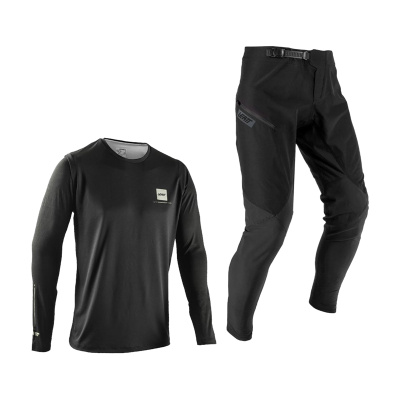
Pairing with Leatt MTB baggy shorts or Leatt trousers makes sense if you're already running Leatt body armour - the sizing and cut logic is consistent across the range, so you're not guessing whether the jersey will clear your hip pad. Add Leatt gloves and you've got a coordinated system that's been designed to move together rather than fight for space.
On care: this is worth paying attention to because the wrong wash routine will degrade the coatings faster than the riding will. Avoid biological detergents - the enzymes break down the dirt-repellent treatment over time. Fabric softener is worse; it clogs the MoistureCool mesh fibres and kills the wicking performance. A non-bio detergent on a cool wash, hung to dry rather than tumble dried, keeps the IceYarn technology and fabric treatments working as intended. It's a small habit that extends the life of a jersey that's designed to last.
For riders comparing the broader market, 100% jerseys are strong competition in the race-fit space if the 4.0's cut appeals to you. Leatt's edge is the neck brace integration and the depth of the armour-compatible fit logic - details that matter when you're running a full Leatt body armour setup and need everything to work together.
Leatt Jerseys FAQs
Do Leatt jerseys fit over body armour?
Yes. Most Leatt gravity and enduro jerseys are cut with enough stretch and outboard volume to sit comfortably over body armour underneath. The fit is tailored rather than baggy, so if you're running particularly bulky chest or back pads, sizing up one from your usual fit is a sensible move.
What is the difference between Leatt 3.0, 4.0, and 5.0 jerseys?
The 3.0 is a lightweight, comfortable everyday trail jersey. The 4.0 is race-focused - ultra-light fabric, close fit, maximum airflow, best for warm conditions or timed riding. The 5.0 is built for harsh weather, with windproof and water-resistant materials suited to autumn and winter riding where conditions turn rough.
Are Leatt jerseys compatible with neck braces?
They are. Leatt's collar design sits low at the back specifically to clear a neck brace without bunching or creating pressure points - a logical detail from a brand whose background is in neck protection. Riders not using a brace won't notice anything unusual; it simply fits like a clean, well-cut collar.