
Janssen MTB Tyres
Janssen MTB tyres have built a reputation for delivering dependable off-road performance without the premium price tag. If you're chasing traction on loose trails, reinforced sidewall protection against sharp rocks, and rubber that lasts through a British winter, Janssen's range offers a sensible middle ground. The brand's focus on high-tensile casing construction and all-weather compound formulations means you get consistent bite whether you're threading through Peak District grit or carving wet loam in a Welsh trail centre.
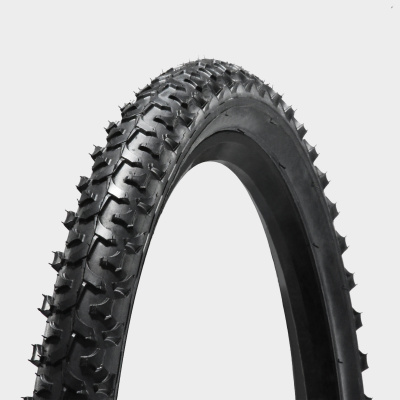
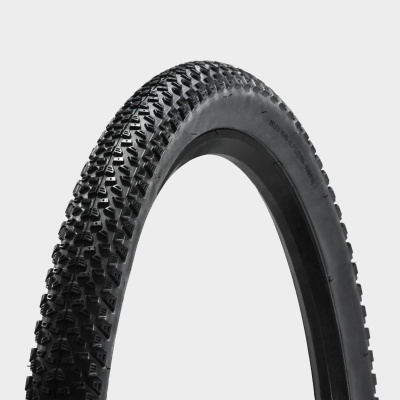
Most Janssen mountain bike tyres feature directional lug design that sheds mud efficiently - crucial when the trail turns to soup - and many models come tubeless ready, so you can drop pressures for better grip and puncture insurance. They're not chasing race-day weight savings, but for riders who clock serious mileage and need rubber that won't fold under pressure, they're worth a look. Filter by wheel size (27.5 or 29 inch Janssen MTB tyres) and match the tread pattern to your local dirt.
Prices and availability can change quickly. Delivery charges are not always included in listed prices.
Final price, stock status and delivery terms are set by retailer. We may receive a commission on purchases made.
Compounds and Casing: What's Under the Knobs
Rubber durometer matters more than most riders think. Softer compounds grip harder but wear faster; harder mixes roll quicker but slide sooner when you lean into a corner. Janssen's all-weather compound sits in the middle, balancing longevity with predictable traction across damp roots and dry hardpack. It's not a dual compound rubber setup like you'll find on some Maxxis race tyres, but it's consistent - no sudden drop-off when the trail gets greasy.
TPI (threads per inch) tells you how supple the casing feels. Lower TPI casings are tougher but stiffer; higher counts conform better to trail chatter. Janssen typically runs mid-range TPI counts, favouring durability over plushness. Sidewall protection is reinforced to resist pinch flats and rock strikes, which is handy if you ride anything rougher than a fire road. Bead type varies: wire beads keep costs down and add a bit of weight, while folding beads save grams and pack easier if you carry a spare. Check the spec before you buy if weight's a concern.
Matching Tread to Trail Conditions
Not all knobby tread patterns work everywhere. Hardpack trails - think Surrey Hills in summer - suit lower-profile knobs that roll fast and don't squirm under load. Janssen's tighter-spaced patterns handle this well, offering enough edge bite without dragging. Loam and mixed surfaces need widely spaced lugs that dig in and clear debris; the directional lug design on Janssen off-road cycle tyres channels mud out rather than packing it in.
Mud? That's where tall, aggressive spikes earn their keep. Janssen mud terrain tyres feature pronounced lugs that punch through slop to find firmer ground beneath. They're loud on tarmac and slow on hardpack, but when you're churning through Scottish bogs or winter trail centre slurry, nothing else will do. Front and rear setups differ, too: a more aggressive front tyre gives steering confidence, while a faster-rolling rear keeps momentum without spinning out. If you're unsure, Continental and Michelin offer similar terrain-specific options worth comparing.
Sizing and ETRTO: Getting the Fit Right
ETRTO standards (European Tyre and Rim Technical Organisation) are the numbers on your tyre sidewall that actually matter. A tyre marked 57-622 is 57 mm wide and fits a 622 mm (29 inch) rim diameter. Ignore the inch sizing - it's vague. Your rim's internal width dictates how wide a tyre will measure once mounted; a 57 mm tyre on a 25 mm internal rim will sit wider than the same tyre on a 21 mm rim.
Janssen tubeless ready tyres need compatible rims and sealant to seal properly. Check the bead type: tubeless-ready beads lock tighter and hold air without an inner tube. If you're running tubes, any bead works fine, but you'll miss out on the lower pressures and self-sealing benefits. Width choice affects handling - narrower tyres (2.1 - 2.25 inch) roll faster and suit XC riding; wider rubber (2.35 - 2.5 inch) grips harder and cushions rocks, better for trail and enduro use. Match your choice to your rim width and riding style, not just what looks chunky.
Janssen's Engineering Focus
Janssen's background lies in producing reliable cycle components that withstand adverse weather and rough use. The brand doesn't shout about motocross heritage or race pedigree; instead, it leans on quality control and practical testing in wet, gritty conditions - the kind UK riders know well. That approach shows in the high-tensile casing construction, which resists tearing and holds shape under low pressures, and in the mud shedding capabilities built into the tread patterns.
Are Janssen MTB tyres tubeless ready? Many modern models are, marked clearly on the sidewall with 'TR' or 'Tubeless' designations. You'll still need rim tape, valves, and sealant, but the payoff is fewer pinch flats and the ability to run lower pressures for better traction. What terrain are Janssen mountain bike tyres best for? Mixed conditions and loose trails are their sweet spot - loam, gravel, and mud rather than pure hardpack or rock slabs. How do Janssen tyres compare to Kenda or Panaracer? They sit in a similar value bracket but often edge ahead on sidewall durability and wet-weather grip. If you're stepping up from budget rubber but not ready for Specialized or Bontrager pricing, Janssen offers a sensible middle ground.
Rolling resistance varies with tread pattern and compound, but Janssen prioritizes longevity over outright speed. You won't set Strava records on the climbs, but you won't be replacing tyres every few months either. For riders who log big miles on varied surfaces - commuting to the trailhead, then hitting singletrack - that trade-off makes sense. Just keep an eye on tyre pressure: too low and you risk burping sealant or damaging the bead; too high and you'll bounce off roots and lose grip. A digital gauge helps dial it in.