
Kenda MTB Tyres
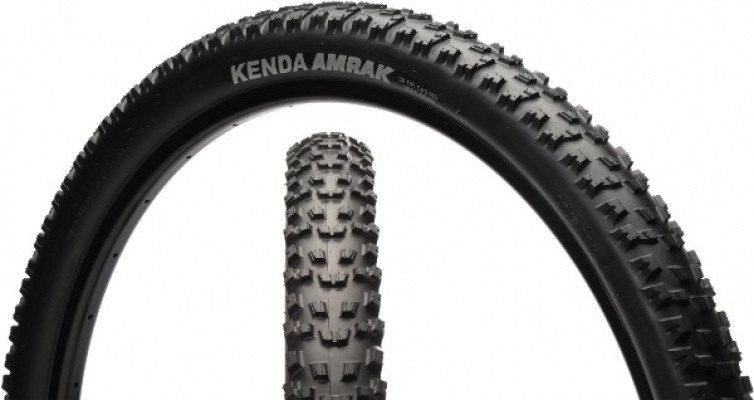
Kenda MTB tyres have been a fixture in mountain biking long enough to earn genuine respect on the start line, not just in the catalogue. The range runs from the aggressive, gravity-focused Hellkat Pro to the versatile Nevegal 2 and the uncompromising mud specialist Gran Mudda - proper options across disciplines, not just a repackaged range. What ties the lineup together is the engineering behind the casings: proprietary constructions like ATC (Advanced Trail Casing) and AGC (Advanced Gravity Casing) with Vector Shield reinforcement give you meaningful puncture and pinch flat protection without stacking on unnecessary weight. The dual tread compound (DTC) approach - harder at the centre for rolling resistance, softer on the shoulders for cornering bite - is a well-worn formula, but Kenda's execution, particularly with the RSR (Race Stick-E Rubber) option, is worth paying attention to on wet roots and off-camber slop. Most modern Kenda mountain bike tyres are tubeless ready (TR), with folding bead construction that makes them practical to set up at home rather than a two-person workshop job. Whether you're running 27.5 or 29-inch wheels, there's a width and compound to suit. Browse the price-compared selection below and find your fit.
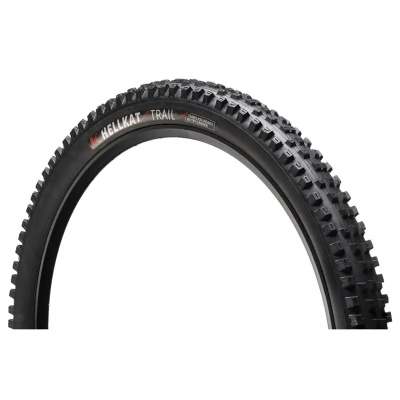
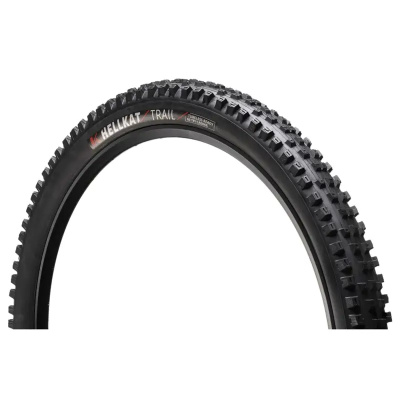
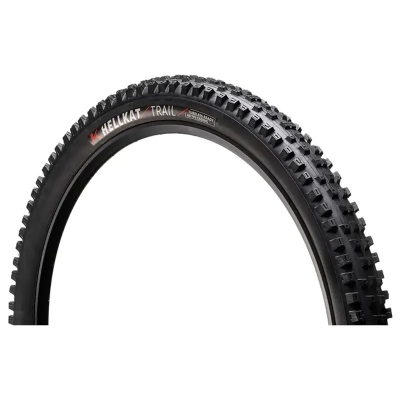
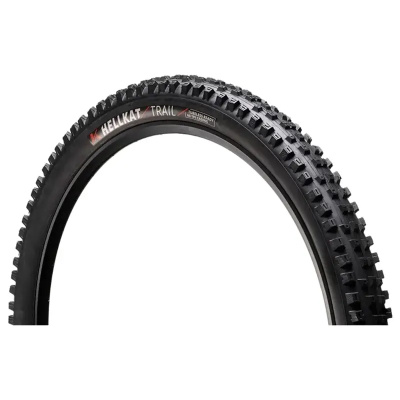
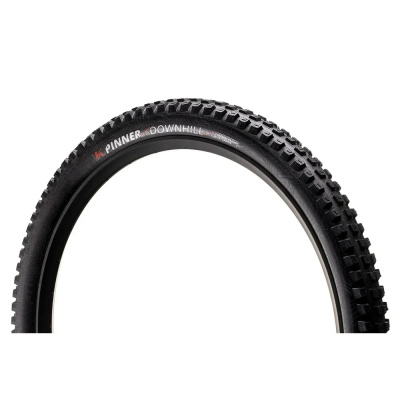
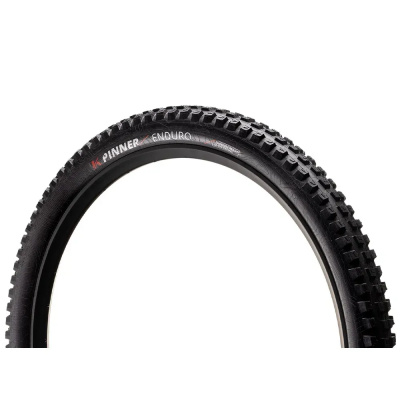
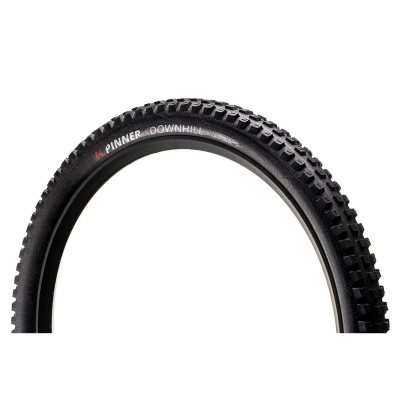
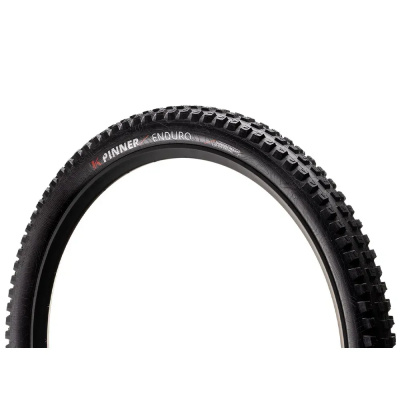
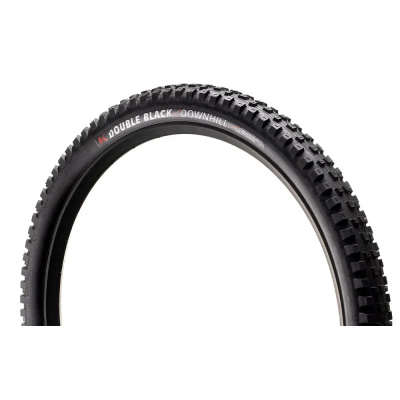
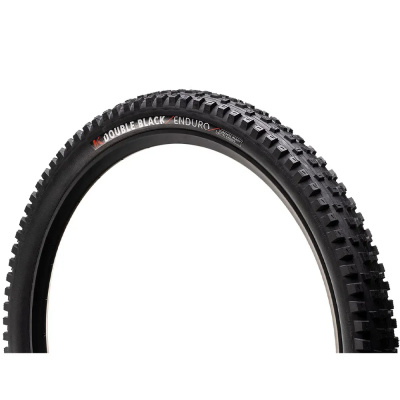
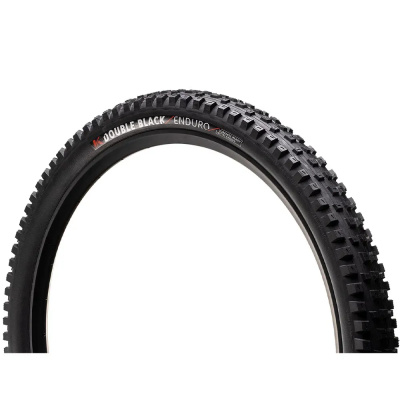
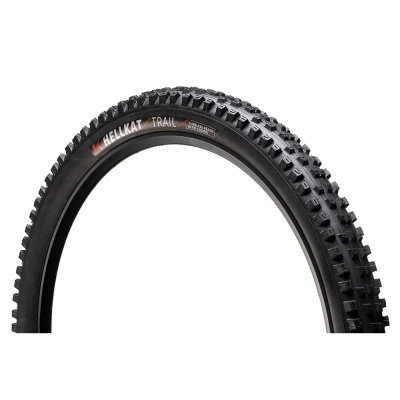
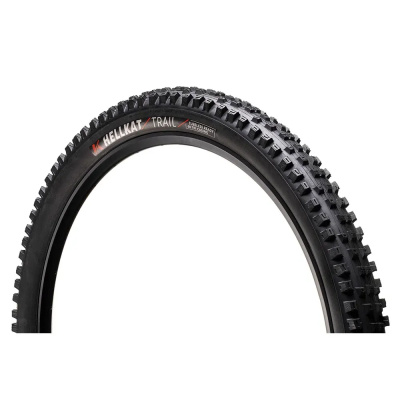
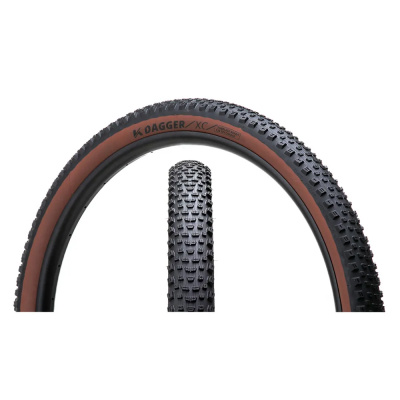
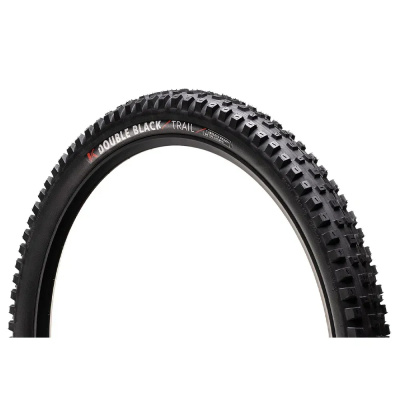
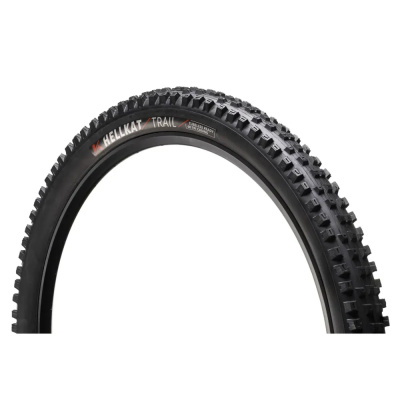
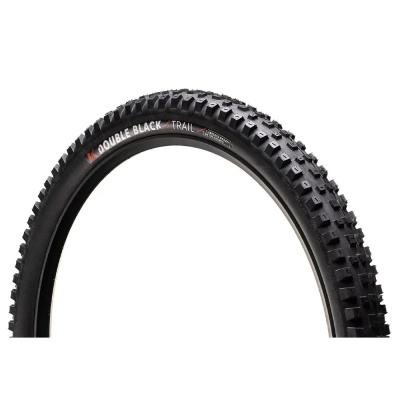
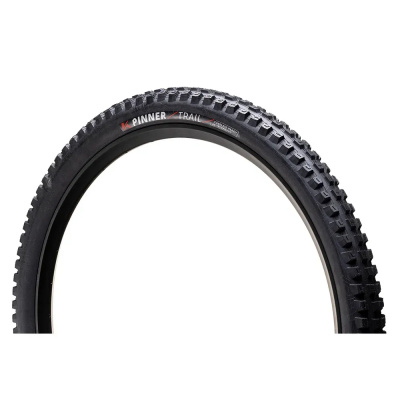
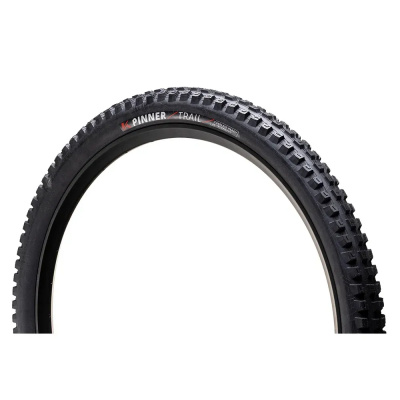
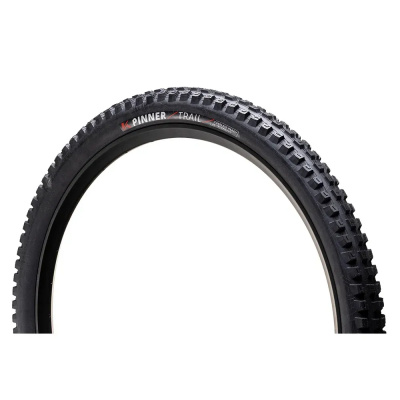
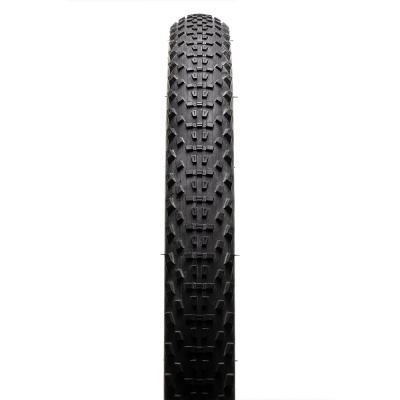
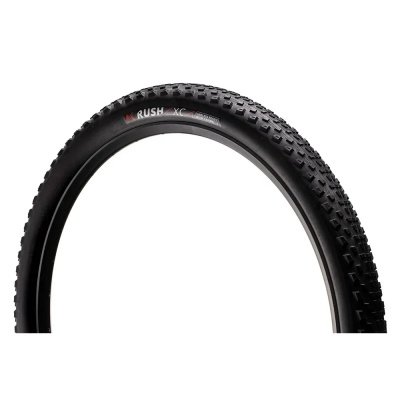
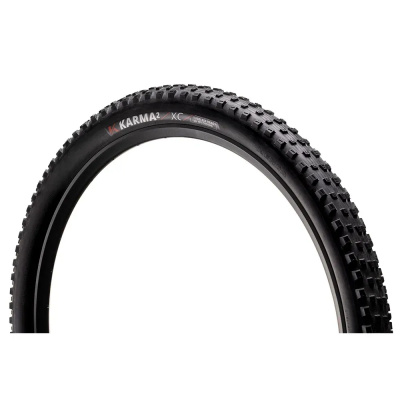
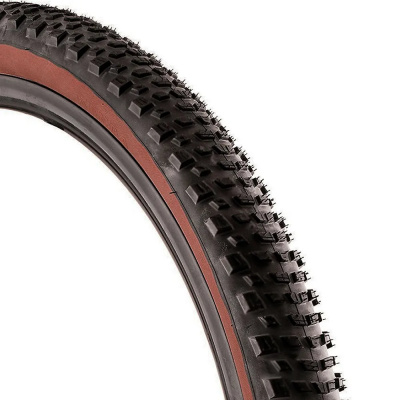
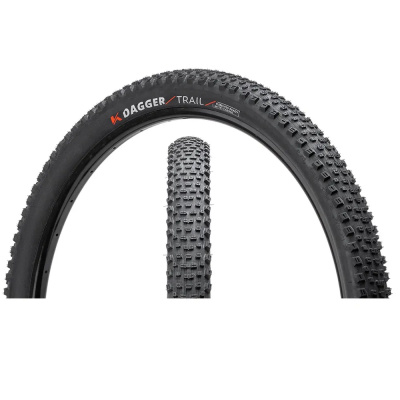
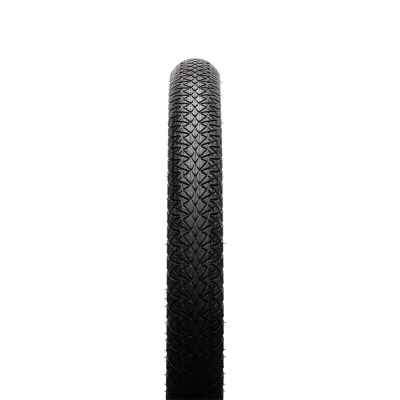
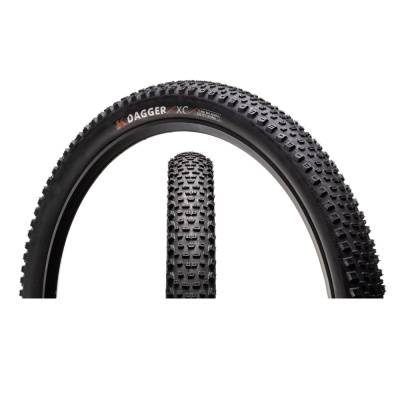
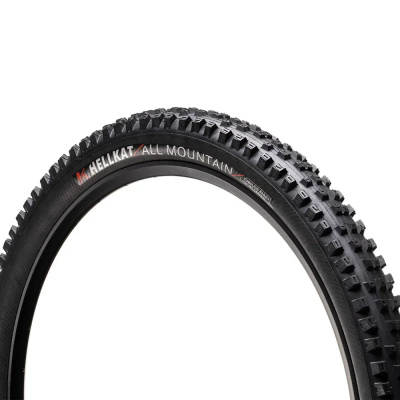
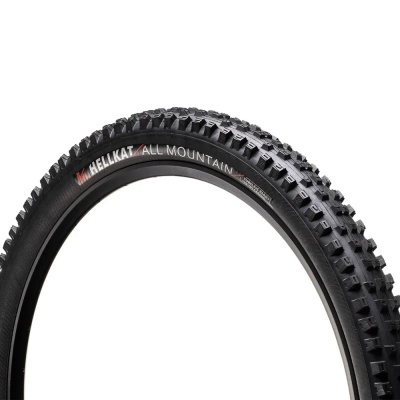
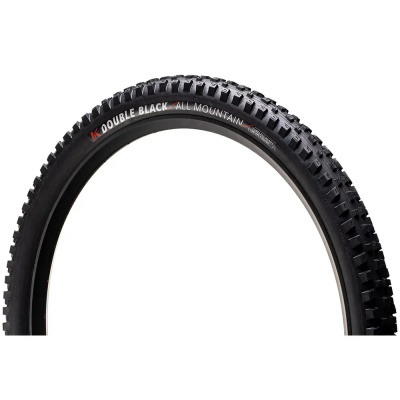
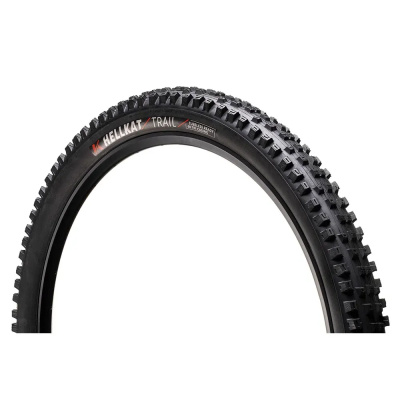
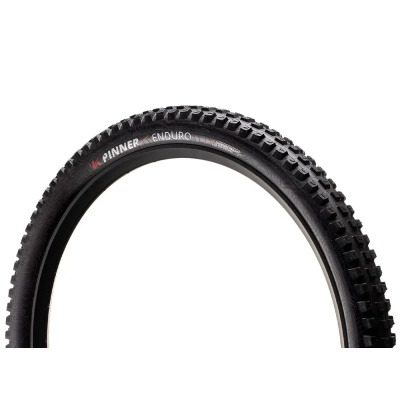
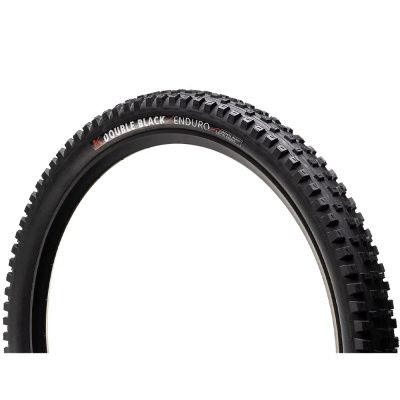
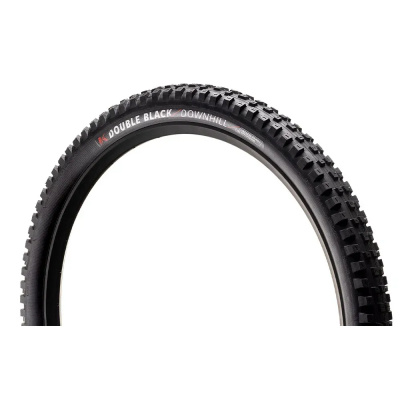
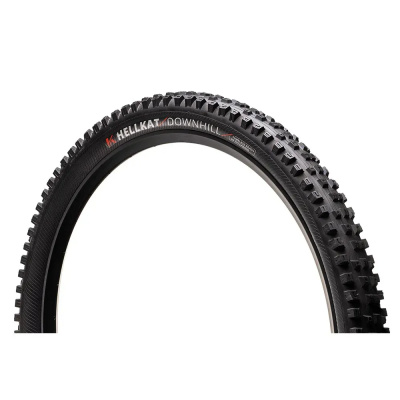
Prices and availability can change quickly. Delivery charges are not always included in listed prices.
Final price, stock status and delivery terms are set by retailer. We may receive a commission on purchases made.
Sizing, Standards and Getting the Fit Right
Before you pick a tread pattern, get the basics straight. Kenda MTB tyres span both 27.5 and 29-inch wheel sizes, with widths typically ranging from 2.20" through to 2.60" depending on the model. That width figure matters more than most riders give it credit for - mount a 2.60" tyre on a rim with a narrow internal width and you'll get a light-bulb profile that wanders under load rather than tracking crisply. As a working guide, a 2.40" tyre sits best on an internal rim width of around 30 - 35mm; go wider and you want a rim to match.
Most current Kenda mountain bike tyres carry the tubeless ready (TR) designation, and many also feature SCT (Sidewall Casing Technology) - look for both markings on the sidewall before you order. Setting them up tubeless is straightforward enough, but do use fresh rim tape with no air gaps at the valve hole and budget for 60 - 90ml of sealant per tyre in colder months when the fluid thins. A poorly seated bead caused by tired tape is the most common reason a tubeless conversion goes wrong. The folding bead construction across the range helps with initial seating, but a track pump and a few sharp strokes usually does the job without needing a compressor.
If you're running 29-inch wheels on longer-travel bikes, check the frame's tyre clearance against the actual inflated width - manufacturers measure at different pressures, and a tyre that clears the chainstay on paper can still rub under load in thick mud.
The Kenda Range: Which Tyre Does What
It's worth mapping the lineup before you commit. Kenda MTB tyres are tiered by discipline, and picking the wrong casing is a more expensive mistake than picking the wrong tread pattern.
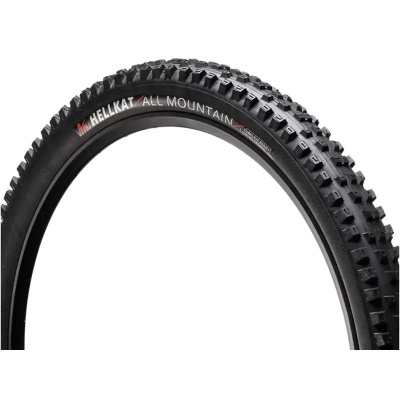
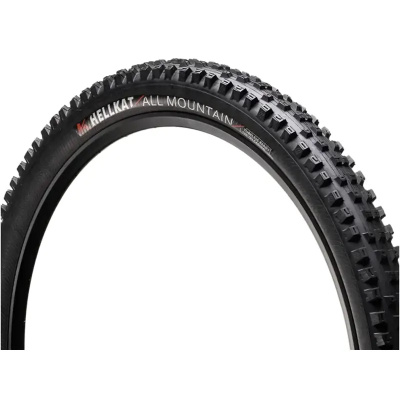
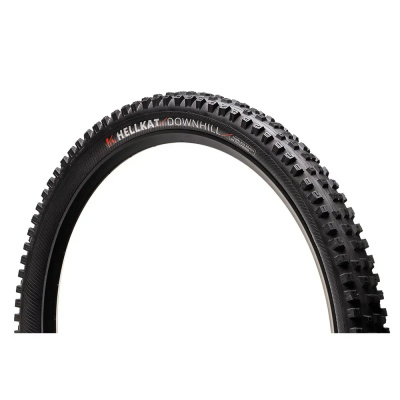
The Hellkat and Hellkat Pro sit at the gravity and enduro end. The Hellkat Pro running the AGC (Advanced Gravity Casing) with Kenda Vector Shield - an aramid fibre layer under the tread and sidewall - is the one to spec if you're riding sharp slate on the likes of Antur Stiniog or gritstone on the Peak District's steeper lines. Vector Shield is genuinely resistant to flint cuts and sidewall tears, the kind of damage that wrecks lesser tyres on a single run. The EN-DTC compound option on the Hellkat gives you a harder centre knob for decent rolling speed paired with softer shoulder blocks that deform into corners rather than skating across wet roots. If you're comparing gravity-focused options, Maxxis MTB tyres offer strong alternatives at this end of the market, but Kenda's AGC casing is competitive on protection at comparable weight.
The Nevegal 2 is the all-mountain workhorse. It uses ATC (Advanced Trail Casing) with SCT sidewalls - lighter than AGC, still decent on cuts, and the right call for trail riding where you're climbing as much as descending. The tread pattern offers enough open spacing to clear soft ground without being so aggressive that it buzzes on hardpack. It's a sensible front or rear choice for mixed-condition riding across most UK trail centres. WTB MTB tyres occupy a similar space and are worth a look for comparison, particularly if you want slightly different tread geometry.
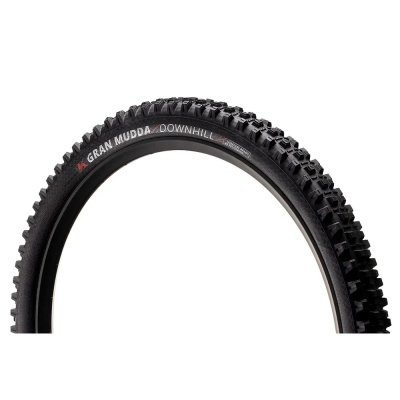
The Gran Mudda is purpose-built for deep, cloggy UK winter mud - tall, widely spaced spike knobs that clear debris between contacts rather than balling up. It's a seasonal tyre rather than a year-round choice, but on a saturated Forest of Dean trail in January it earns its place. Worth noting: it's not a fast roller on anything firm, so swap it out when conditions dry.
E-bike riders should look specifically for the EMC (E-Mountain Casing) designation. The added weight and torque of an e-MTB creates forces that standard trail casings aren't designed to absorb over time - EMC tyres have reinforced beads and thicker carcasses to handle it. Running a standard ATC casing on a heavy e-MTB isn't dangerous immediately, but you'll see accelerated wear and a higher chance of sidewall failure on repeated hard landings.
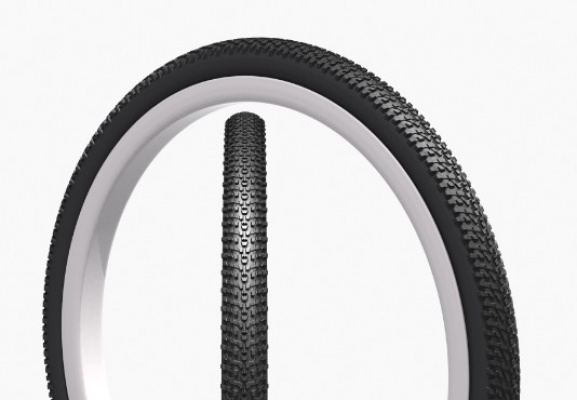
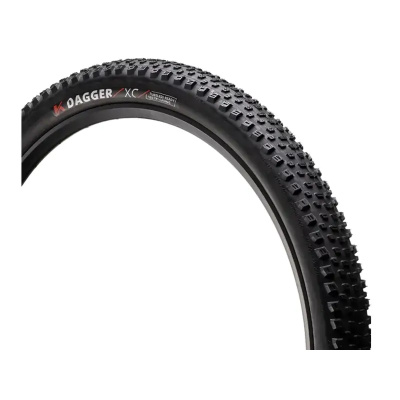
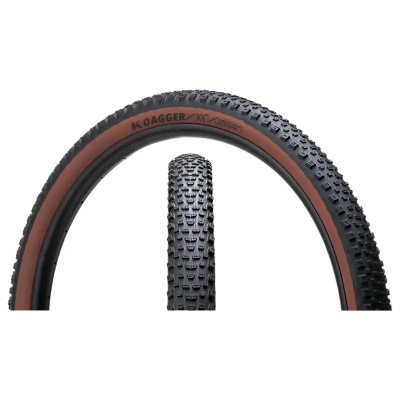
The Booster rounds out the range at the XC end - lower-profile knobs, faster rolling resistance, designed for hardpack and dry-summer singletrack rather than the wet conditions most UK riders spend their time in. For a different take on fast-rolling XC rubber, Continental MTB tyres are worth comparing directly.
Keeping Kenda Tyres Running in UK Conditions
British riding is hard on rubber. Wet roots, angular flint, and six months of winter mud test casings and compounds in ways that dry-climate tyre testing simply doesn't replicate. The good news is that the EN-DTC compound - specifically the softer outer-tread formulation - grips cold, damp surfaces noticeably better than harder compounds, staying pliable rather than glazing over when the temperature drops. The RSR (Race Stick-E Rubber) compound takes that further still, with a tackier feel that's immediately noticeable on wet off-camber sections, though it does wear faster on abrasive surfaces like gritstone. It's a trade-off worth making for the grip, but check your rear tyre's centre knobs regularly if you're running RSR - they go quicker than you'd expect.
For sidewall protection in areas with sharp, angular rock - think Snowdonia slate or Peak District edges - the Vector Shield in the AGC casing is the meaningful upgrade. It won't make the tyre indestructible, but it adds a real margin against the kind of sidewall puncture that ends a ride. If you're running ATC on those routes, a Kenda inner tube in your pack is sensible insurance - quick to fit, and they're compatible across the range if a sidewall gives way mid-ride.
Tubeless sealant needs more attention in winter. Sealant evaporates faster through micro-pores in cold, dry air, and the fluid itself can thicken or separate in low temperatures - top up every six to eight weeks from October through March rather than leaving it on a summer schedule. Spin the wheel before checking the volume; pooled sealant at the bottom can make a tyre feel lighter on fluid than it actually is. Check side knobs for tearing after rocky rides, particularly on the front tyre's outer edges where cornering loads concentrate.
On tyre rotation: if you're running matched front and rear tyres of the same model rather than a mixed pairing, rotating them front-to-back at around 500 miles extends rear tyre life noticeably - the rear always wears faster on centre knobs due to braking and drive forces. If you're mixing tread patterns, keep the more aggressive tyre up front for cornering grip and run the faster-rolling option at the rear. For a comparison of how Kenda stacks up on durability against another quality option, Michelin MTB tyres are worth cross-referencing, particularly their Wild Enduro range at a similar price point.
Kenda MTB Tyres FAQs
Are Kenda MTB tyres tubeless ready?
The vast majority of current Kenda mountain bike tyres are tubeless ready. Look for the TR or SCT markings on the sidewall - these confirm the tyre can be run without an inner tube. You'll still need compatible rim tape, a tubeless valve, and adequate sealant for a secure, air-tight setup.
What is the difference between Kenda ATC and AGC casings?
ATC (Advanced Trail Casing) is the lighter option, built for trail riding where weight matters and impacts are less severe - it uses SCT sidewalls for reasonable cut resistance. AGC (Advanced Gravity Casing) adds Kenda's Vector Shield aramid reinforcement for serious puncture and pinch flat protection, making it the right call for downhill and aggressive enduro riding where casing failure is a real risk.
Which Kenda tyre is best for UK mud?
The Gran Mudda is the dedicated mud tyre - tall, spiked knobs with wide spacing that clear debris quickly in deep, loamy conditions. For mixed wet riding with roots and rocks rather than pure mud, the Hellkat Pro with the soft EN-DTC or RSR compound is a stronger all-round choice, giving predictable grip without sacrificing too much on firmer ground.