
Giant Commuter And Hybrid Tyres
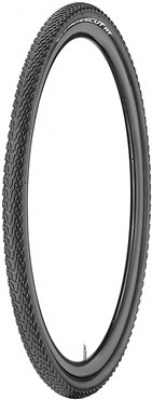
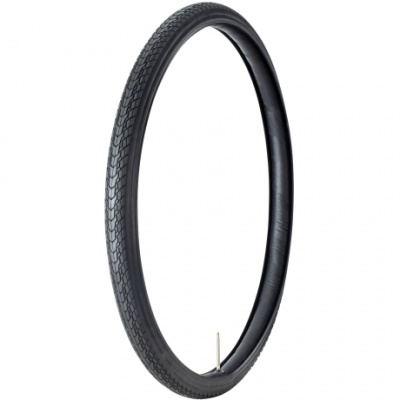
Giant Commuter and Hybrid Tyres are engineered as direct replacements for the brand's Escape, Roam, and Cypress models, but they're equally at home on any hybrid or city bike that shares their ETRTO sizing. You're looking at a range that balances low rolling resistance with FlatGuard puncture protection - critical when you're threading through Bristol's broken tarmac or navigating Edinburgh's tram tracks in the rain. Most models ship with water-shedding grooves and reflective sidewalls, so wet commutes and dusk rides get a bit safer without bolting on extra kit. Sizing splits between 700c and 27.5-inch options depending on your frame, and widths run from slick 32mm road-biased rubber up to 45mm semi-knobbly profiles for towpath detours. Wire bead versions keep costs down; folding bead variants shed a few grams and pack smaller if you carry a spare. If you've been running the tyres that came fitted three years ago, chances are the tread's squared off and the sidewalls are cracked - swapping to fresh Giant rubber transforms how the bike rides and how much you trust it when the road's greasy.
Prices and availability can change quickly. Delivery charges are not always included in listed prices.
Final price, stock status and delivery terms are set by retailer. We may receive a commission on purchases made.
FlatGuard and Deflect: What's Actually Under the Tread
Giant's FlatGuard system isn't a single technology - it's a tiered approach to puncture resistance. Entry-level models use Deflect 2, a nylon belt sandwiched between the tread compound and the 60 TPI casing. It's effective against glass shards and thorns, though you'll still feel sharper impacts telegraph through the bars. Step up to Deflect 3 and you get a Kevlar belt instead, which is lighter, more supple, and better at stopping sharper intrusions without adding the dead, wooden ride quality of cheaper armoured tyres. The trade-off? Deflect 3 models cost more and aren't always stocked in every width. For daily commuting in London or Manchester, where punctures are a when-not-if proposition, the extra spend pays back in fewer roadside tube swaps. If your route's cleaner - say, a dedicated cycle path through the New Forest - Deflect 2 does the job without the premium.
The durometer compound also varies. Softer rubber grips better on wet roundabouts but wears faster; harder compounds roll quicker and last longer but can feel skittish on painted road markings when it's damp. Giant tends to spec a mid-range durometer across the S-X3 range, which means you won't set any Strava segment records but you also won't be replacing tyres every six months. Worth noting: the Continental commuter range often uses a slightly softer compound if grip's your priority, while Specialized hybrid tyres lean harder for lower rolling resistance.
Sizing and Compatibility: Finding Your Fit
ETRTO sizing is the key to avoiding a tyre that won't seat or rubs your chainstays. Giant's 700c city bike tyres typically come in 700×32c, 700×35c, 700×38c, and 700×42c widths; the Roam series also offers 27.5×1.75 and 27.5×2.0 options for riders who want a bit more cushion and traction. Check your current tyre sidewall for the ETRTO number - something like 37-622 for a 700×35c - and cross-reference it with your frame's clearance. Most Escape and Cypress frames will swallow a 38mm tyre without issue; Roam models often clear 42mm or wider, especially the disc-brake versions.
Moving from a 35mm to a 42mm tyre drops your pressure requirement and smooths out cobbled climbs or potholed cycle lanes, but it also adds a touch of weight and can feel slower on flat tarmac. If you're unsure, measure the gap between your current tyre and the nearest frame tube or mudguard stay - you want at least 4mm clearance each side to account for mud and flex. Wire bead tyres are heavier and harder to mount, but they're cheaper and don't require a tight bead-seat diameter. Folding bead models are easier to fit, lighter, and packable, which matters if you're touring or carrying a spare in a pannier. Giant's gravel and cyclocross tyres share similar bead construction, so if you've fitted those you'll know the drill.
Tread Patterns: Slick vs. All-Terrain
The Giant S-X3 puncture resistant tyres lean towards a slick or lightly grooved centre tread, optimised for tarmac and smooth cycle paths. You get minimal rolling resistance and predictable cornering on dry roads, but once you veer onto a muddy bridleway or wet gravel towpath, grip drops off. That's where the CrossCut and Sycamore lines come in. These Giant CrossCut gravel hybrid tyres feature a file-tread centre with knobbier shoulders, so you can rail corners on loose surfaces without washing out. The trade-off is a bit more buzz on tarmac and slightly higher rolling resistance - nothing dramatic, but you'll notice it over a twenty-mile commute.
If your route mixes canal paths, farm tracks, and tarmac - common in the Peak District or the Cotswolds - the CrossCut profile makes sense. Stick to city streets and the S-X series is the smarter pick. Tread depth also matters: shallow grooves clear water but don't bite into soft ground; deeper lugs grip mud but pack up quickly in British clay. Giant's X-Road Tread design splits the difference, with enough void to shed water and light gravel without turning the tyre into a full-on MTB knobby. Pair that with Giant pedals that offer decent grip in wet conditions and you've got a sorted setup for year-round riding.
E-Bike Ready and High-Mileage Durability
Giant E-bike ready hybrid tyres are built to handle the extra torque and weight of pedal-assist systems, which means reinforced sidewalls and a tougher casing construction. If you're running a Giant Explore E+ or similar, the standard S-X3 wire bead tyre will work, but it'll wear faster and the sidewalls can flex under load, especially if you're carrying panniers. Look for models marked with an E-bike rating - they'll have a higher maximum pressure range and a stiffer carcass to resist pinch flats when you hit a pothole at 25 km/h with a motor pushing you along.
High-mileage riders - those clocking 150+ miles a week - should also consider the compound and TPI. A 60 TPI casing is durable but not especially supple; it'll last through a couple of thousand miles of commuting but won't offer the plush ride of a higher thread-count tyre. Reflective sidewalls are a practical addition for winter commutes, especially if your route includes unlit lanes or shared-use paths. The Reflex strips aren't as bright as a dedicated rear light, but they catch headlights from cars approaching at junctions. Combine them with a decent Giant lock and you've covered the essentials for secure, visible urban riding.
Giant's In-House Manufacturing Edge
Giant is one of the few brands that manufactures its own tyres in-house, which means tighter quality control and seamless integration with Giant wheelsets. The bead diameter is optimised for Giant rims, so tubeless setups - where applicable - seat more easily and hold pressure better. It's a small detail, but it matters when you're wrestling a tyre onto a rim at 7 a.m. in the rain. The downside? Availability can be patchy in the UK, especially for less common widths or folding bead variants. If you're after replacement tyres for Giant Roam and Escape models, check stock before you strip the old rubber off - nothing worse than being bikeless for a week waiting for a backorder.
The in-house approach also means Giant can spec tyres precisely for each bike model, matching tread pattern and compound to the intended use. That's why the Escape comes with a slicker S-X tyre and the Roam ships with something chunkier. If you're swapping tyres, you're not locked into that OEM spec - feel free to go wider or knobbier if your riding's evolved. Just remember that a heavier, more aggressive tyre will blunt the bike's responsiveness a touch, and a lighter slick will make it feel quicker but less forgiving on rough surfaces. For a broader comparison, Bontrager commuter tyres and Michelin hybrid options offer similar OEM integration if you're cross-shopping or your local shop's out of Giant stock.
Pressure, Setup, and Real-World Performance
What is the correct tyre pressure for Giant city bikes? It depends on width. A 35mm tyre typically runs between 50 - 75 PSI; wider 45mm tyres sit lower at 35 - 55 PSI. Always check the sidewall for the manufacturer's recommended range, then adjust based on your weight and load. Heavier riders or those carrying panniers should inflate towards the upper limit to avoid pinch flats; lighter riders can drop pressure a bit for more comfort and grip. Over-inflation makes the ride harsh and reduces contact patch, which hurts cornering confidence on wet roads. Under-inflation increases rolling resistance and risks rim strikes on potholes.
Are Giant hybrid tyres tubeless ready? Not all models are. Look for 'Tubeless Ready' or 'EasyRide' on the sidewall. Many standard S-X3 tyres fitted to entry-level hybrids are wire-bead clinchers designed for use with inner tubes only. If you want to go tubeless for lower weight and fewer punctures, you'll need to upgrade to a folding bead tubeless-ready model and ensure your rims are compatible. The EasyRide Tubeless system uses a specific bead design that seats more easily, but you'll still need sealant and possibly a compressor or high-volume pump to get the initial pop. For most commuters, sticking with tubes and a decent puncture-resistant tyre is simpler and cheaper.
What is the difference between Giant S-X2 and S-X3 tyres? The S-X2 generally features a higher TPI casing and better puncture protection layers compared to the entry-level S-X3. While the S-X3 is durable and affordable, the S-X2 offers lower rolling resistance and improved ride quality, which you'll notice over longer distances or faster commutes. If you're upgrading from stock tyres, the S-X2 is a worthwhile step; if you're on a budget or your bike's a winter hack, the S-X3 does the job without fuss. Finish the setup with a comfortable Giant saddle and you've got a bike that's ready for whatever the British weather throws at it.