
Giant Pedals
Giant pedals cover the full range of what most UK riders actually need - from locked-in road efficiency to mud-shedding trail reliability to the planted feel of a solid flat platform. Whether you're clipping in for a long road stint or keeping your feet free on technical singletrack, there's a pedal in the lineup that fits the job without asking you to compromise elsewhere.
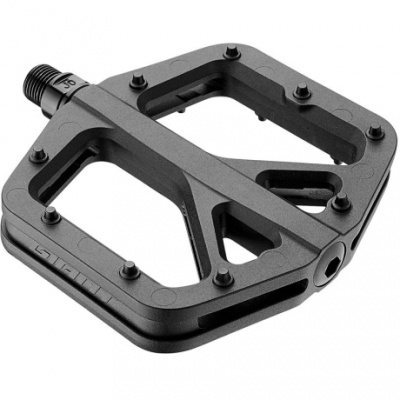
The engineering is consistent throughout: chromoly spindles handle the torque, sealed cartridge bearings keep grit and road salt from grinding things to a halt, and the clipless options split neatly between Look Keo compatible road systems and SPD compatible MTB and gravel designs. Flat pedals use a nylon composite platform at the budget end or alloy at the top, with adjustable pins giving you real grip on wet roots or greasy rock - the kind of surfaces that'll have smooth-soled shoes sliding all over the place.
One thing worth knowing upfront: Giant's pedal designs are developed with Optimum OE Integration in mind, meaning the Q-factor and bottom bracket clearances are matched to Giant's own frame geometry. That's not a dealbreaker on non-Giant bikes, but it's a genuine advantage if you're building a complete Giant setup. All adult models use the standard 9/16 thread, so fitting is straightforward on any full-size crank.
Prices and availability can change quickly. Delivery charges are not always included in listed prices.
Final price, stock status and delivery terms are set by retailer. We may receive a commission on purchases made.
Thread Standards and Clipless Systems: What Fits What
Every adult Giant pedal uses a 9/16 inch thread - the same standard you'll find across the vast majority of road, MTB, gravel, and hybrid cranks. The only time this gets complicated is on kids' bikes or BMX-derived builds, which often use a narrower 1/2-inch thread. Fit a 9/16 pedal to a 1/2-inch crank arm and you'll strip the thread immediately. Check your crank spec before ordering if there's any doubt.
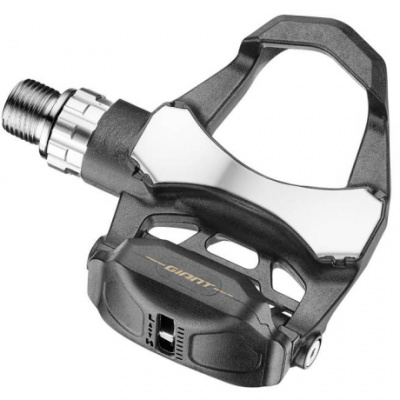
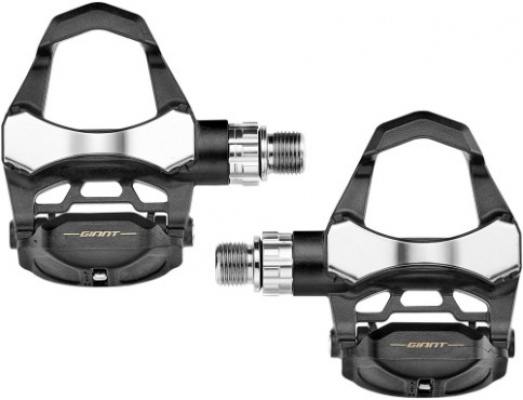
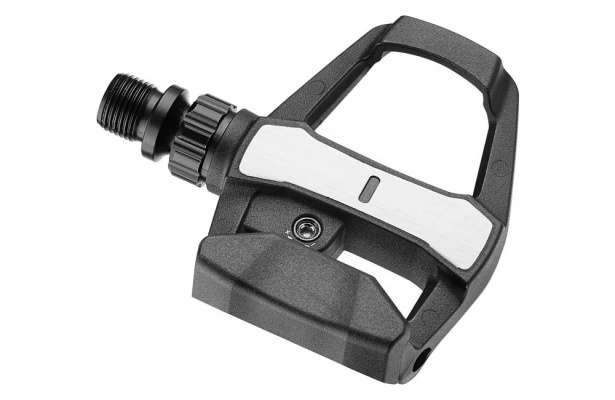
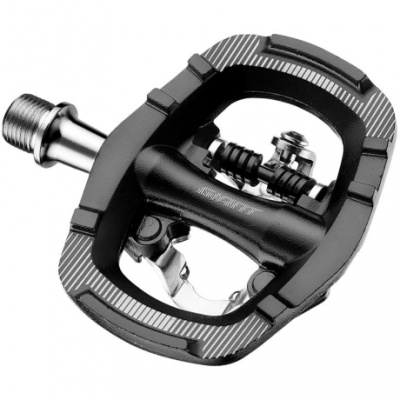
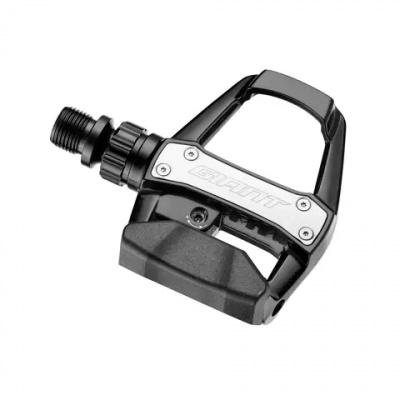
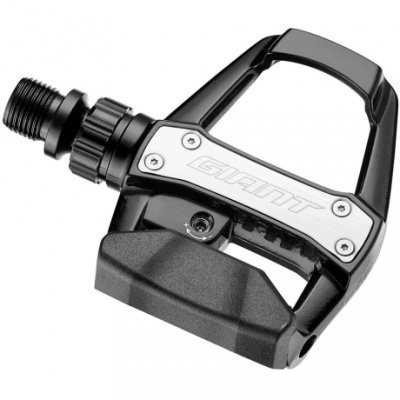
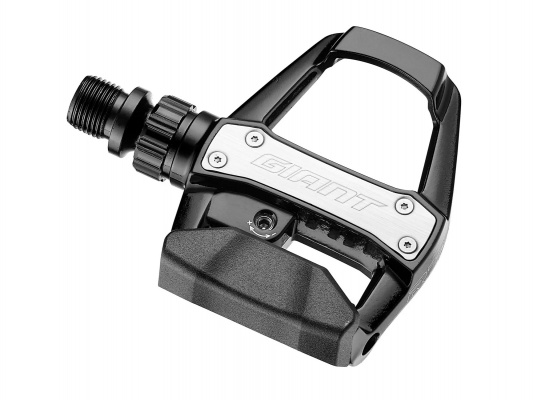
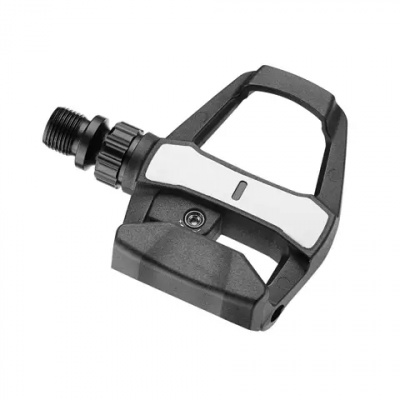
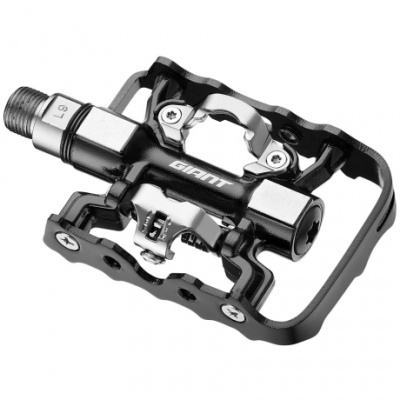
On the clipless side, the split is clean. Giant's road-specific pedals are built around the Look Keo compatible three-bolt cleat standard - the same system used by a huge chunk of the road peloton, with a wide platform and adjustable float to suit different knee tracking preferences. Their MTB and gravel clipless pedals use the SPD compatible two-bolt standard: recessed into the shoe sole, walkable, and reliable in mud. That makes them directly compatible with the enormous range of SPD cleats already on the market. For replacement cleats and specific float options, head to our dedicated Giant Cleats page; for bearings, pins, and other service parts, the Giant Pedal Spares section has what you need.
Flat vs Clipless: Breaking Down the Giant Range
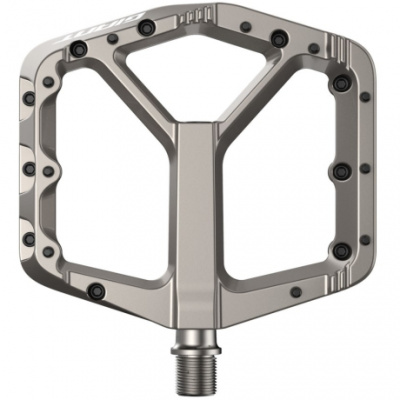
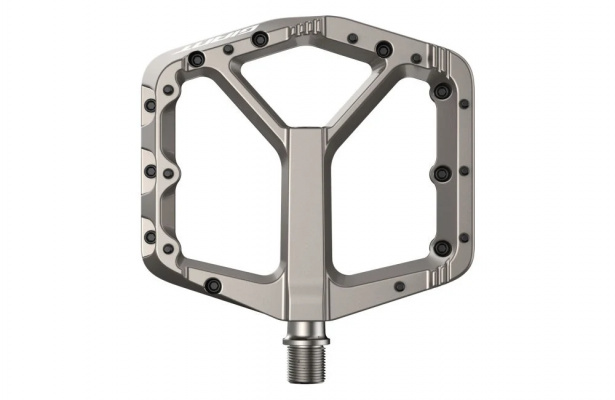
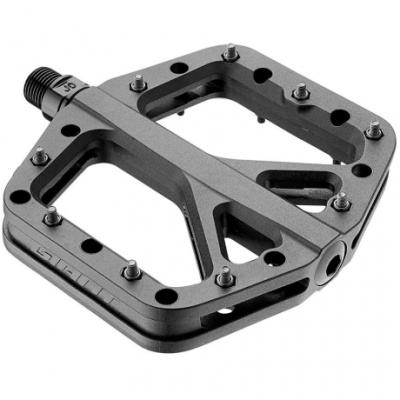
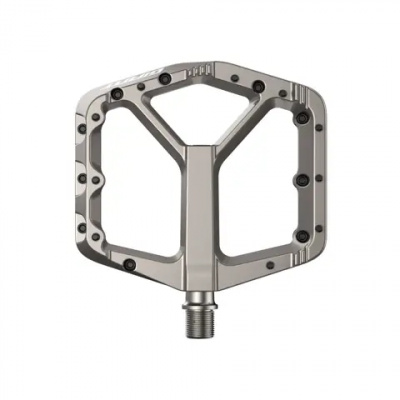
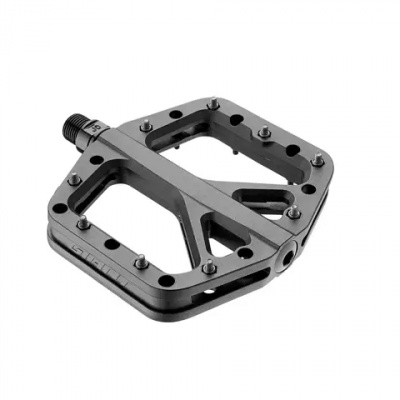
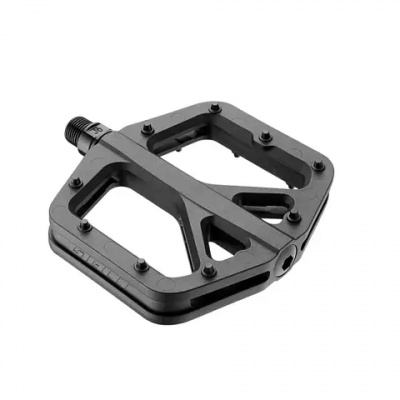
Giant's flat pedal range splits into two clear tiers. The Pinner Pro sits at the top - an alloy-bodied platform with the Pinner Pro Pin Layout, a grid of strategically positioned, individually replaceable metal pins that dig into your shoe sole and stay there. Combined with LSL (Lightweight Self-Lubricating) bushings and sealed cartridge bearings, it's a pedal you can actually service when the bearings start to feel rough, rather than binning the whole thing. The thinner profile also reduces the chance of catching a pedal on a steep, rooty line.
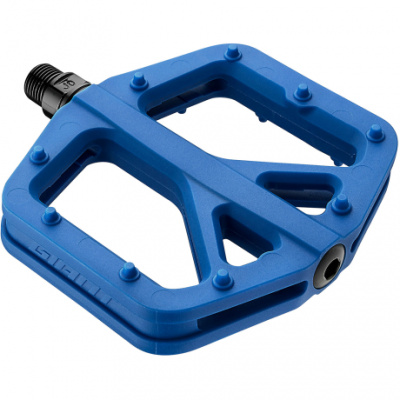
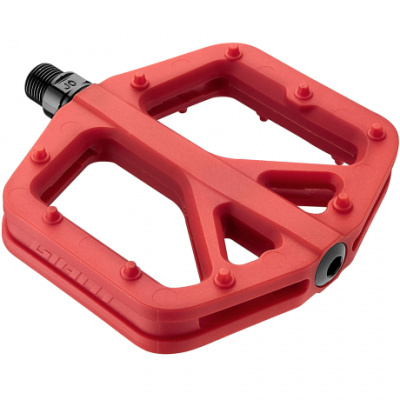
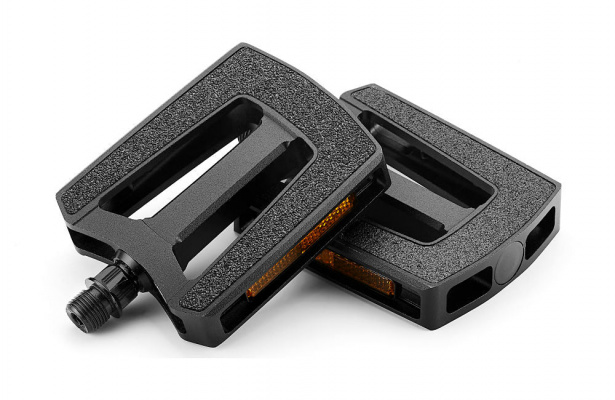
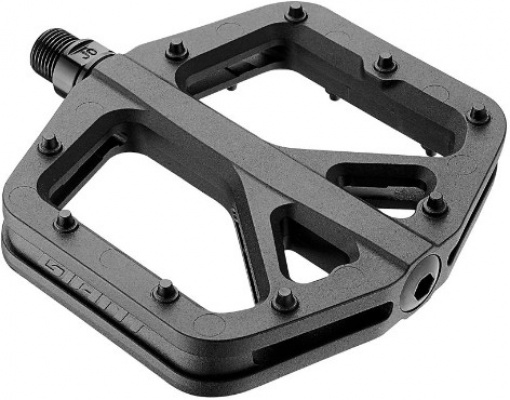
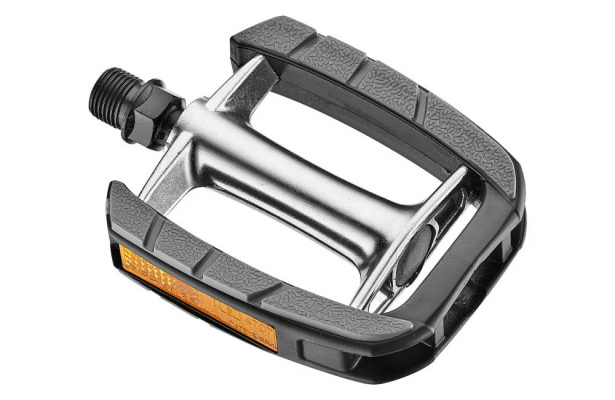
At the other end, Giant's composite flat pedals use a nylon composite platform with moulded pins rather than adjustable hardware. They're noticeably lighter on the wallet, handle everyday use without complaint, and are perfectly solid for commuting, casual trail riding, or anyone new to flats. The pins won't stay as sharp over time - once they round off, traction drops and you'll want to move up or move on. Good for getting started, though.
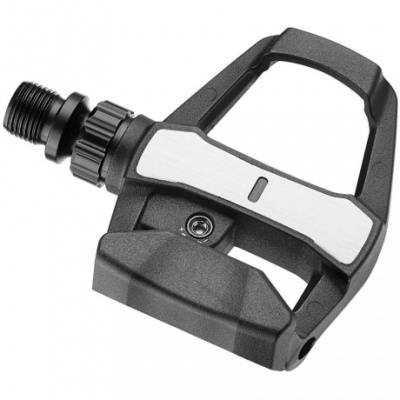
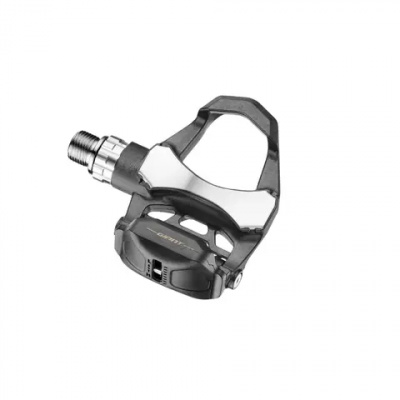
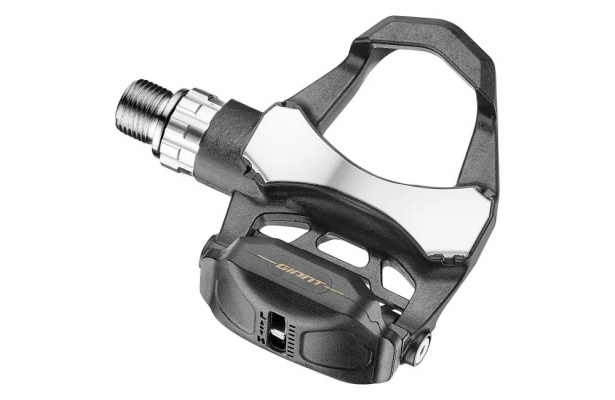
For clipless, the Road Elite is the standout: a carbon composite body keeps weight low, the tension is adjustable for easy entry and exit, and the platform is wide enough to spread load efficiently on long road days. Standard sport-level clipless pedals sacrifice some of that refinement - slightly heavier, less adjustability - but they're robust and more than capable for sportive riding or everyday training. The extra outlay on the Road Elite buys you lower stack height (meaning your foot sits closer to the axle), a rebuildable bearing system, and a platform that'll still feel precise after a few British winters. If you're weighing alternatives, Look pedals compete closely in the road clipless space, while Crank Brothers pedals are worth a look for gravel and light trail use.
A word on Q-factor: Giant's OE-integrated design means the pedal axle length and platform offset are optimised for Giant's own frame dimensions. On a Giant bike, that translates to a natural foot position without unnecessary knee-tracking stress. On a different brand's frame it still works, but you may want to check your existing Q-factor before switching if you've dialled in your fit carefully. For flat pedal alternatives with serious pin credentials, DMR pedals and Burgtec pedals are both worth comparing on platform size and pin density.
Keeping Giant Pedals Running Through UK Conditions
Road salt and trail grit are the two things most likely to kill a pedal bearing early. In winter, the grinding paste that builds up around the axle works through anything less than a proper double seal - and Giant's sealed cartridge bearings are specifically designed to slow that process down. They're not immortal, but they'll outlast open-bearing designs on wet, salty roads by a decent margin.
Before you fit any pedal - Giant or otherwise - put a thin coating of anti-seize compound or lithium grease on the 9/16 threads. It sounds like the kind of thing you'd only bother with if you remembered, but cold-welding a steel pedal into an alloy crank arm is a genuinely awful afternoon's work. Grease the thread, torque it correctly, and you'll be able to get them off again without drama six months later.
LSL bushings in the Pinner Pro are self-lubricating by design, which extends service intervals, but don't ignore them entirely. If the pedal starts to feel loose or develops any lateral play, it's time to inspect. Sealed cartridge bearings in the higher-spec models can be pressed out and replaced - a five-minute job with the right tools and far cheaper than a new pedal. On flat pedals, keep an eye on pin sharpness. Worn pins that have rounded off won't grip in the wet; replace them individually before they become a problem on a slippery Peak District descent. Fresh Giant grips and a properly matched Giant saddle round out the contact points if you're refreshing the whole cockpit at once.
For trail riders comparing clipless durability in genuinely muddy conditions, Hope pedals are built to a similar standard and worth putting alongside Giant's MTB clipless options if longevity in Scottish or Welsh trail centre conditions is your priority.
Giant Pedals FAQs
Are Giant clipless pedals compatible with Shimano SPD?
Yes - Giant's MTB and gravel clipless pedals use the standard Shimano SPD two-bolt cleat interface, so any SPD-compatible cleat will work. Giant's road clipless pedals are a different story: they use the three-bolt Look Keo standard instead, so check which system you need before ordering cleats.
How do I remove and install Giant bike pedals?
You'll need either an 8mm hex key inserted from the back of the crank or a 15mm pedal spanner on the axle flats. The right pedal uses standard right-hand threading - counter-clockwise to loosen. The left pedal is reverse-threaded, so turn it clockwise to loosen. Grease the threads before fitting to avoid seizing in the crank arm.
Do Giant bikes come with pedals included?
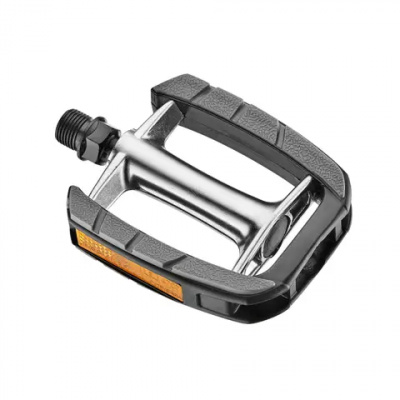
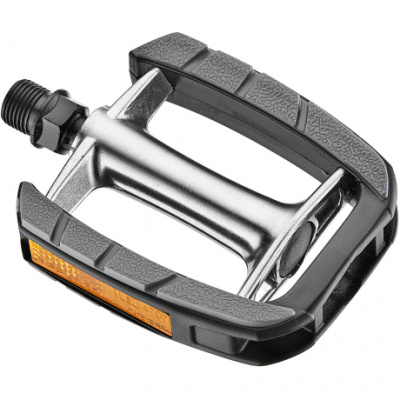
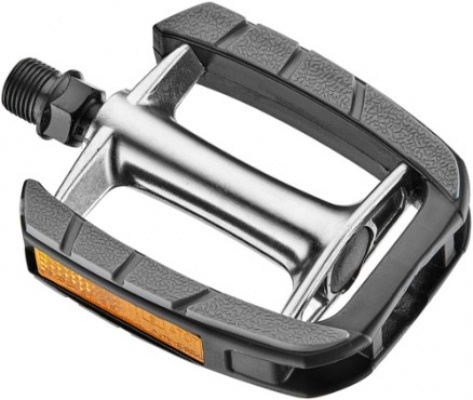
Entry-level Giant hybrid and commuter models typically ship with basic flat pedals fitted. Mid-range and performance road or mountain bikes generally don't include pedals - the assumption is you'll choose your own clipless or flat system. Always check the spec sheet for your specific model before assuming either way.