
Fabric Mini Pumps
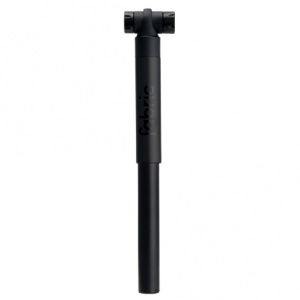
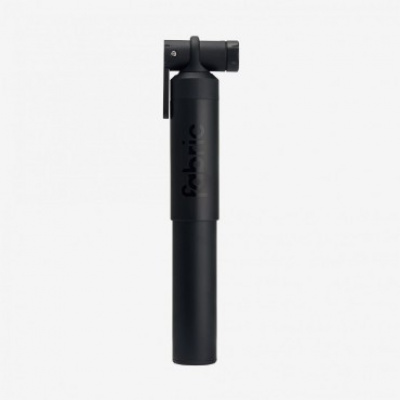
Fabric mini pumps are built around one idea: when you're standing on a freezing B-road with a flat and numb fingers, the pump has to work first time. No faffing with grommet swaps, no snapped valve cores, no slipping grip. Fabric's range uses sandblasted CNC machined aluminum bodies that actually hold in wet winter gloves, and a retractable braided hose that takes the lateral stress off your Presta valve stem during pumping - the kind of detail that matters when you're rushing a roadside fix in the rain.
The lineup splits cleanly between High Pressure and High Volume models. Road riders need the HP option to hit the 80 - 100 PSI that narrow tyres demand. Gravel and MTB riders want the HV barrel, which moves more air per stroke and gets a 2.4-inch trail tyre to a rideable pressure without your arms giving out. Fabric's smart head technology handles both Presta and Schrader valves automatically - no adapters rattling around your pocket. Whether you're commuting through Manchester or heading into the Peaks for a winter ride, there's a Fabric pump sized for your jersey pocket, saddlebag, or frame mount bracket.
Prices and availability can change quickly. Delivery charges are not always included in listed prices.
Final price, stock status and delivery terms are set by retailer. We may receive a commission on purchases made.
HP vs HV: Picking the Right Pump for Your Valves and Tyres
The choice between High Pressure and High Volume isn't about brand preference - it's physics. An HP pump has a narrower barrel, so each stroke compresses a smaller volume of air to a higher pressure. That's exactly what you need to get a 25mm road tyre back to 90 PSI on the roadside. An HV pump does the opposite: a wider barrel moves more air per stroke, which means a 2.3-inch gravel tyre reaches a rideable pressure in far fewer pumps. The trade-off is max PSI - HV pumps typically top out well below what road rubber needs.
Fabric's smart head technology removes the usual valve-compatibility headache. It auto-adapts to both Presta and Schrader without you having to unscrew internals or swap rubber grommets in the dark. That matters more than it sounds when your hands are cold. The retractable braided hose is doing real mechanical work here too: by flexing as you pump rather than transmitting force directly into the valve, it protects delicate Presta valve cores from bending or snapping - a genuinely common failure point with rigid-head pumps, particularly on lightweight tubeless valves. If you're running a best Fabric mini pump for road bikes setup, the threaded hose connection also gives you a secure seal that doesn't pop off mid-stroke.
Worth noting: if you're running tubeless, a mini pump alone won't seat a fresh bead. You'll need a CO2 inflator or a tubeless booster to get the bead to pop on - the volume and speed required is simply beyond what any hand pump can deliver. Once it's seated, though, an HV model will top you up after a sealant repair perfectly well.
Stratosphere, Millibar, and Picobar: What You Actually Get
Fabric's range has three distinct tiers, and the step-ups are meaningful rather than cosmetic. The Fabric Stratosphere is the road-focused HP pump. It's built to reach high pressures without the stroke count becoming a workout in itself - the CNC machined aluminum barrel keeps tolerances tight, which is where pump efficiency lives. If you're regularly running 90 PSI or above, the Stratosphere is the one to look at. It's the most capable pump in the range for pure pressure output.
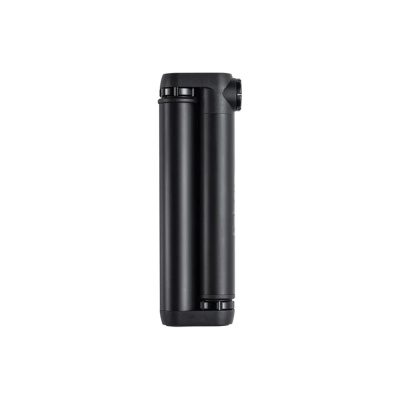
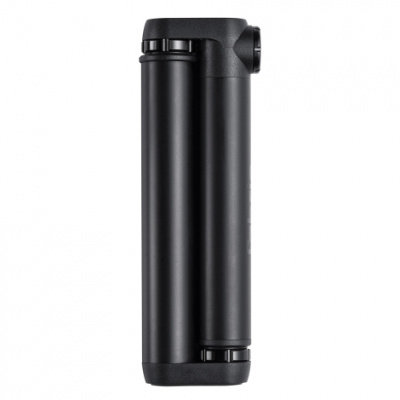
The Fabric Millibar high volume pump takes the opposite approach. The oversized barrel gets air into wide MTB and gravel tyres quickly, which is exactly what you want when you're trying to get moving again on a trail rather than standing around pumping for five minutes. It's a natural fit for riders running 40mm-plus gravel tyres or anything in the 2.0 - 2.6 inch MTB range. Compared to something like a Lezyne mini pump in the same HV category, the Millibar's integrated braided hose is a notable practical advantage on technical trails where valve damage is a real risk.
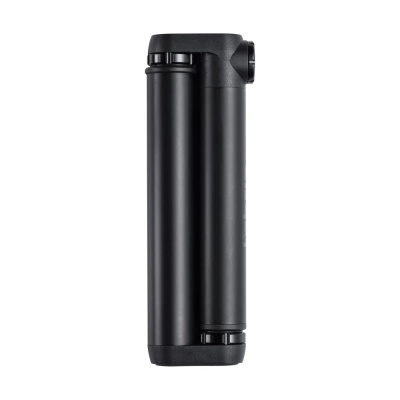
The Picobar sits at the other end of the size spectrum. It's the one for riders who genuinely want to forget the pump is in their jersey pocket - minimal weight, minimal bulk, and enough capability for an emergency top-up on shorter road or gravel rides. You give up some volume and max pressure output for that portability. It's a sensible backup rather than a primary tool if you're deep into a long ride. Topeak and Silca both make compelling lightweight options in this bracket, so it's worth comparing if minimum weight is the priority. The Picobar's CNC finish and braided hose do give it a durability edge over some cheaper ultralight alternatives, though.
The extra money as you move up the range buys you primarily two things: higher volume output per stroke and the integrated retractable hose. The Picobar keeps it simpler and lighter. For most riders doing regular UK road or gravel riding, the Stratosphere or Millibar will be the better long-term tool.
Keeping a Fabric Pump Working Through a UK Winter
UK roads between November and March are genuinely rough on small pump components. Road salt corrodes alloy threads, grit works into pump head seals, and freeze-thaw cycles aren't kind to rubber O-rings. Fabric's sandblasted alloy bodies hold up well against surface corrosion - the texture also provides grip when your gloves are soaked - but a little maintenance goes a long way.
After wet rides, wipe down the pump shaft before retracting it. Mud and grit drawn into the barrel accelerates internal seal wear noticeably. Every six months or so, a drop of silicone lubricant on the internal O-ring keeps the piston seal smooth and airtight - don't use petroleum-based lubricants, which degrade rubber over time. Before attaching the pump head to a valve, clear any visible mud from the head opening. Grit in the head is one of the fastest ways to damage both the seal and the valve core.
If you ride exposed lanes in Kent or the Lincolnshire fens where flint punctures are a weekly occurrence, it's worth treating your pump head like part of your toolkit rather than an afterthought. Pairing a reliable pump with a good set of Fabric tools and keeping everything clean makes roadside fixes genuinely quick. A Fabric saddle with an integrated storage channel or a Fabric water bottle cage that doubles as a frame mount position also gives you sensible places to carry the pump without it rattling loose. The frame mount bracket option on some models keeps the pump accessible and secure - worth considering if you'd rather not burn jersey pocket space on longer days out.
For riders who prefer alternatives, SKS and Crank Brothers both offer solid competition in the mid-range pump bracket, though neither currently matches the braided hose valve protection that makes Fabric pumps stand out for tubeless setups.
Fabric Mini Pumps FAQs
How do you use a Fabric mini pump on a Presta valve?
Open the Presta valve by unthreading the small brass nut at the top. Extend the Fabric pump's retractable braided hose, then push or thread the smart head firmly onto the valve stem before you start pumping. A secure connection matters - if the head isn't fully seated, you'll lose air and risk bending the valve core. Pump steadily, then remove the head cleanly and re-tighten the valve nut.
What is the difference between high volume and high pressure mini pumps?
High volume pumps have a wider barrel that moves more air per stroke - useful for quickly inflating wide MTB or gravel tyres, but they can't reach the pressures narrow road tyres need. High pressure pumps have a narrower barrel that builds pressure efficiently, making 80 - 100 PSI achievable without excessive effort. Match the pump type to your tyre width and your target pressure.
Can a mini pump seat a tubeless tyre?
No - not reliably. Seating a tubeless bead requires a sudden, high-volume blast of air that no hand pump can generate. You'll need a CO2 inflator, a dedicated tubeless booster, or a track pump with a boost chamber for initial fitting. Once the bead is seated and sealant is in, a Fabric HV pump can top up the pressure after a trailside sealant repair without any issue.