
Cube Helmets
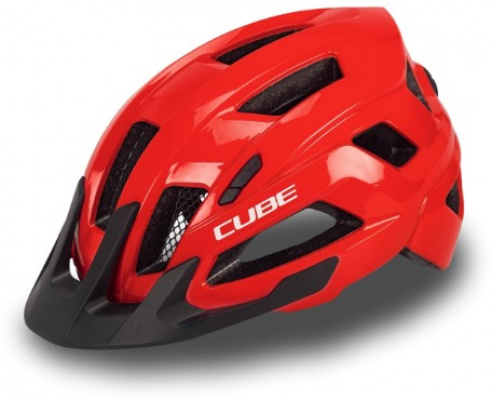
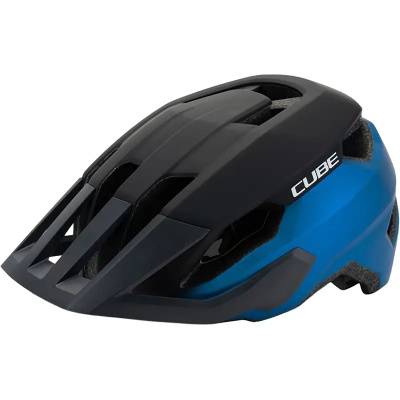
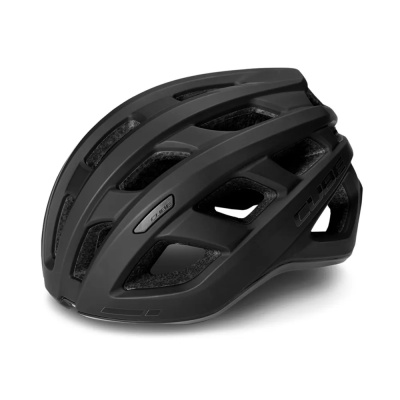
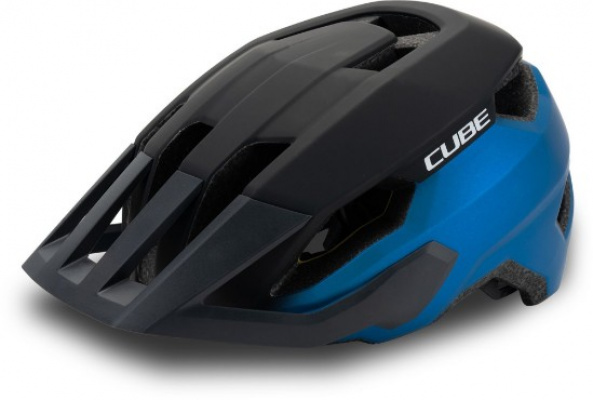
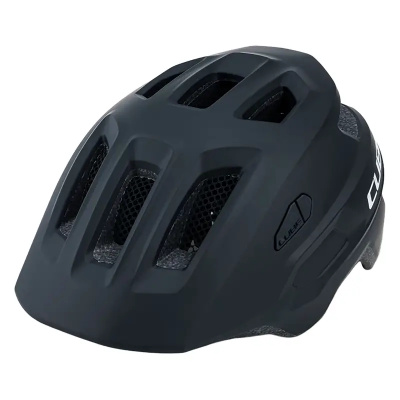
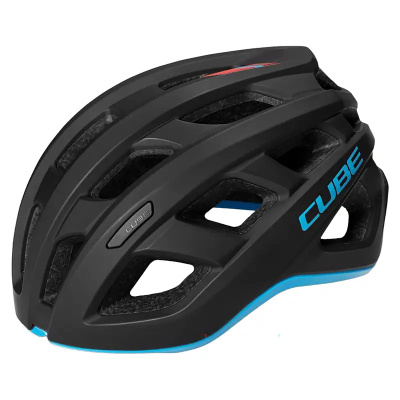
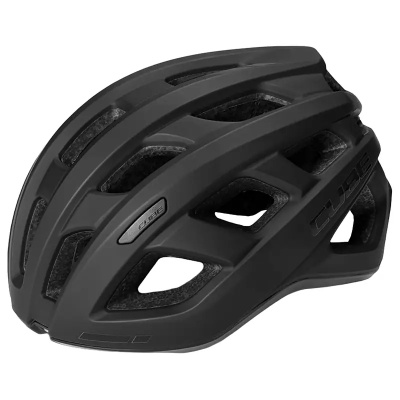
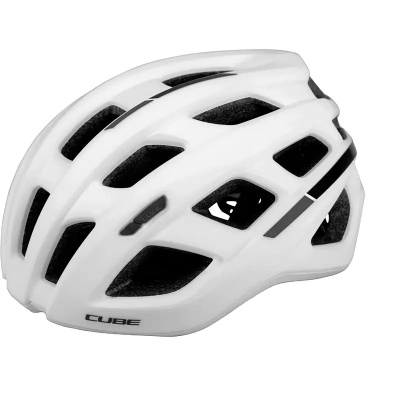
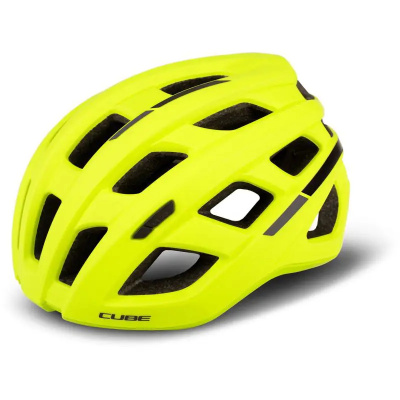
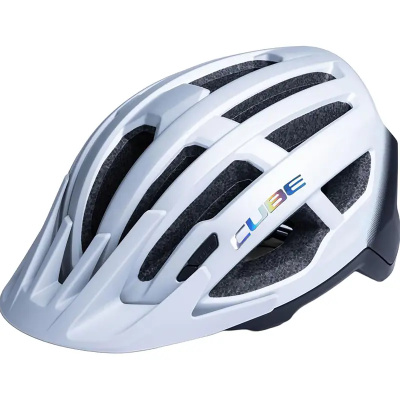
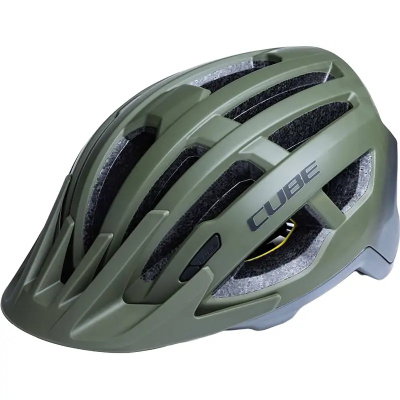
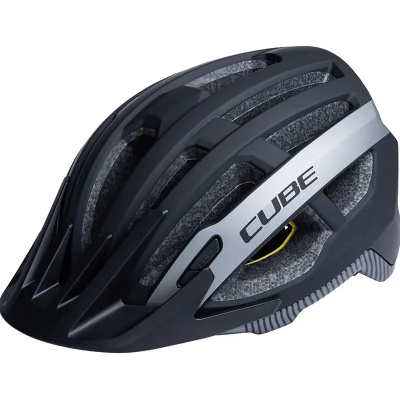
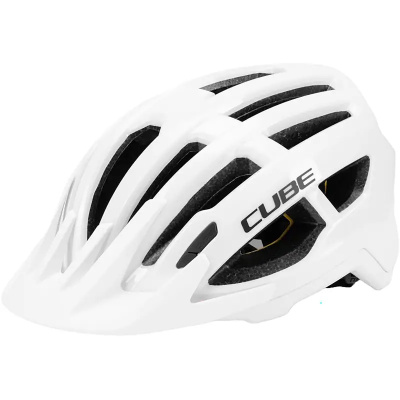
Cube helmets cover the full spread of what UK riders actually need - from aerodynamic road lids designed for hammering base miles on the Cube road bikes you've already got your eye on, through to trail helmets built for proper muddy afternoons in the Peaks or the Tweed Valley. Every helmet in the range is shaped around Cube's Natural Fit concept, an in-house ergonomic system that distributes pressure evenly around the skull rather than clamping at the temples or floating at the back. That matters when you're two hours into a wet Welsh climb and your concentration is elsewhere.
Protection sits at the core of the range. In-Mold EPS foam construction bonds the outer shell directly to the foam liner, cutting weight without thinning the structure where it counts. Many mid-to-upper models add MIPS technology - a low-friction layer inside the helmet that allows a small rotational movement on impact, reducing the twisting forces that reach the brain in an angled crash. It's not marketing dressing; the research behind it is solid.
Ventilation, fit systems, and commuter-friendly features round out a range that's broader than it first appears. Whether you're sizing up for winter skull caps or hunting a lid with rear light mounts for dark December commutes, there's a Cube helmet that fits the brief.
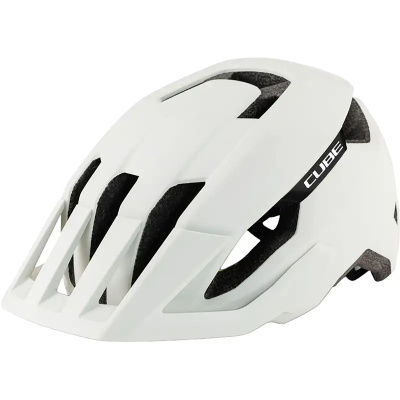
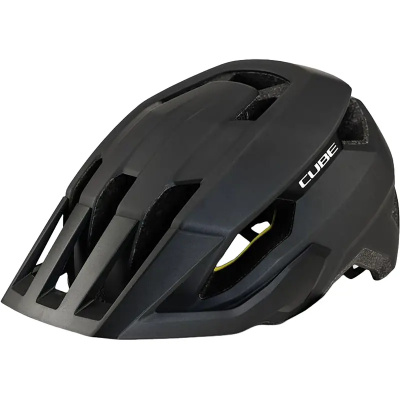
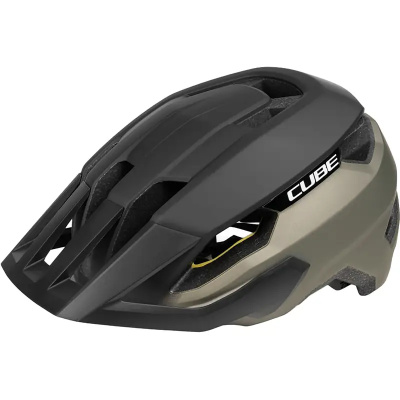
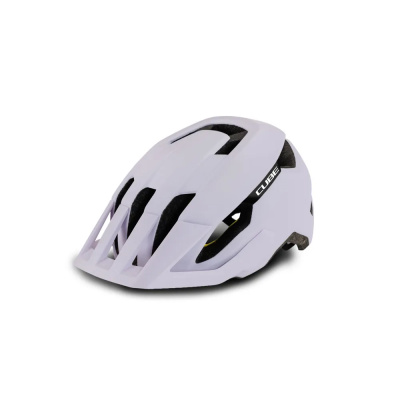
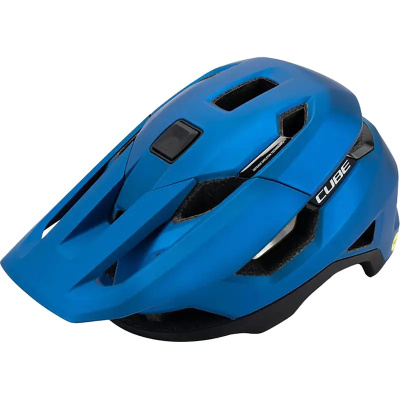
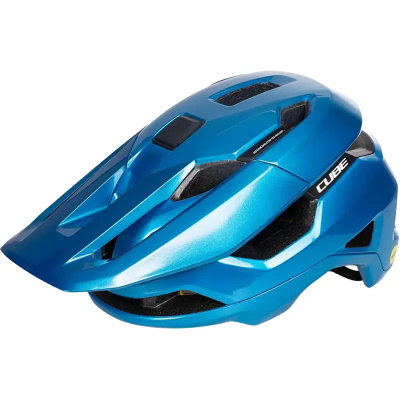
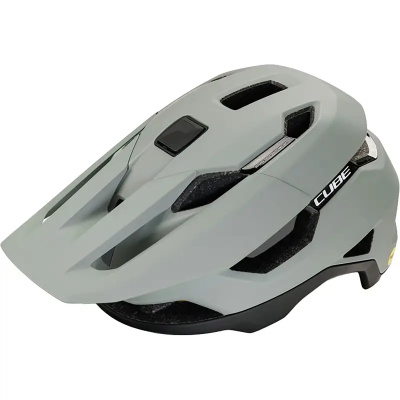
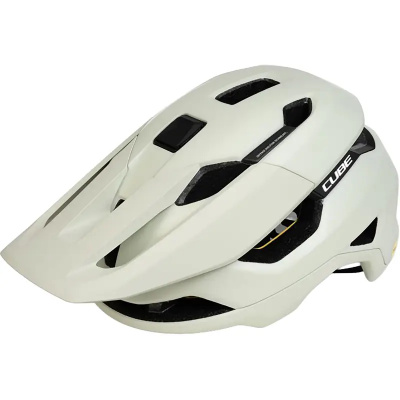
Prices and availability can change quickly. Delivery charges are not always included in listed prices.
Final price, stock status and delivery terms are set by retailer. We may receive a commission on purchases made.
Safety Tech and Ventilation Built for the Real World
Start with the shell. Cube's In-Mold construction fuses the polycarbonate outer directly to the EPS foam core during manufacture, rather than gluing a separate shell on afterwards. The result is a stiffer, lighter unit - and on impact, that bonded structure spreads force across a wider area of foam rather than concentrating it at a single point. It's the same approach you'll find from Giro helmets and KASK helmets at equivalent price points, so you're not compromising by sticking with Cube.
MIPS technology appears across a significant portion of the range. The yellow slip-plane liner sits between your head and the EPS foam, allowing around 10 - 15mm of independent movement during an oblique impact - the kind of angled hit that's actually more common in real crashes than a straight vertical drop. Look for the yellow MIPS logo on the product listing to confirm inclusion; it's not universal across every model, so it's worth checking before you buy.
Ventilation architecture varies by discipline, but Cube puts serious work into the channelling. Road models use deep intake ports at the brow that funnel air directly over the EPS foam and exhaust it through stacked rear vents - this active flow is what keeps you comfortable on a long drag up the North Yorkshire Moors at a steady 12mph, where speed alone isn't shifting the heat. Trail helmets use a slightly different profile with broader channels to maintain airflow even when your head drops forward on steep technical sections. If you're doing humid summer climbing in the UK, this internal channelling is what separates a genuinely cool lid from one that just looks well-ventilated.
Understanding the Cube Helmet Range
Cube splits its adult helmet lineup into three clear disciplines, each with a distinct set of priorities. Knowing which one matches your riding stops you buying a trail helmet for a sportive or a road lid for singletrack.
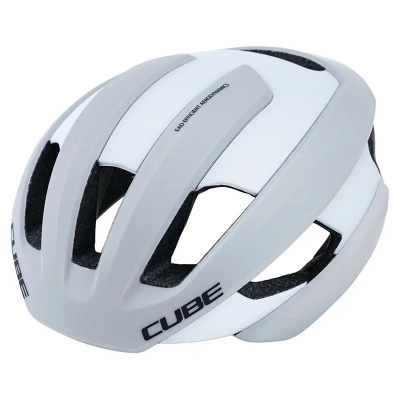
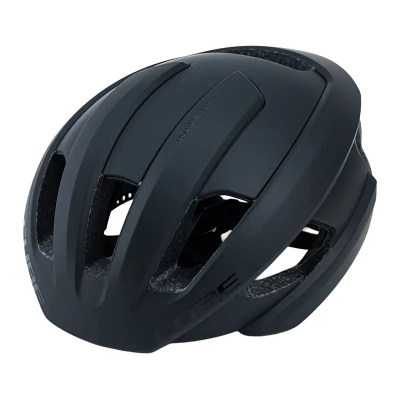
Road and aero lids run a streamlined, low-profile shape optimised for aerodynamic efficiency at speed. Ventilation is generous - many road Cube helmets feature 16 or more vents - but the coverage stays close to the skull. These are helmets for riders logging kilometres on tarmac, doing club runs, or chasing times on Strava segments. They pair naturally with Cube road bikes if you're building a matched setup. The Cube road helmet range includes the Airrace, Road Race, and Road Pro models, sitting across a range of price points from entry-level to competition-focused.
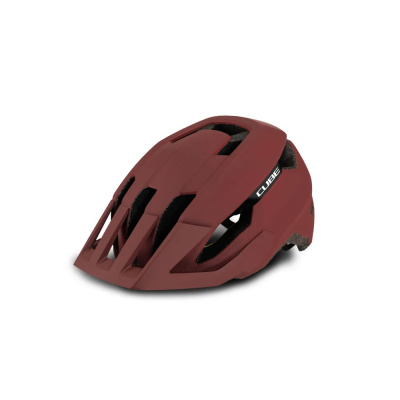
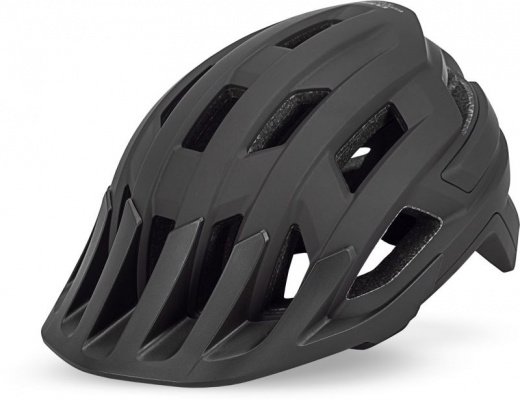
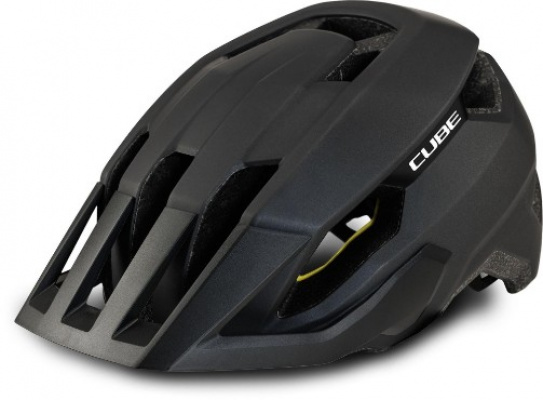
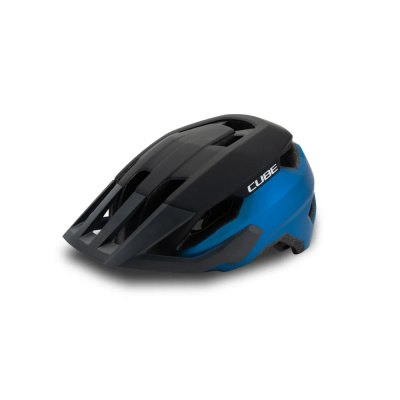
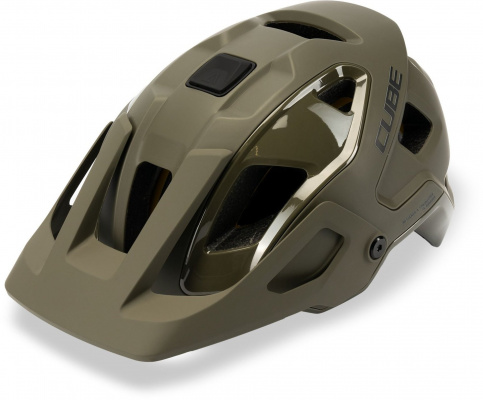
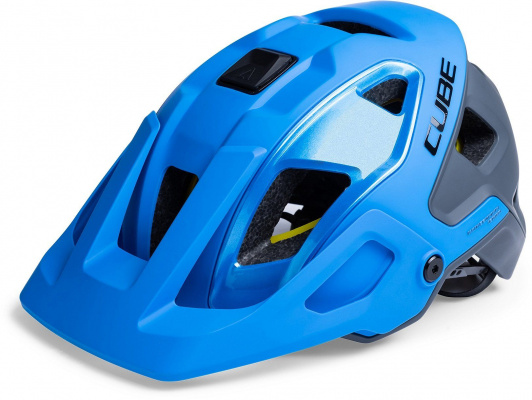
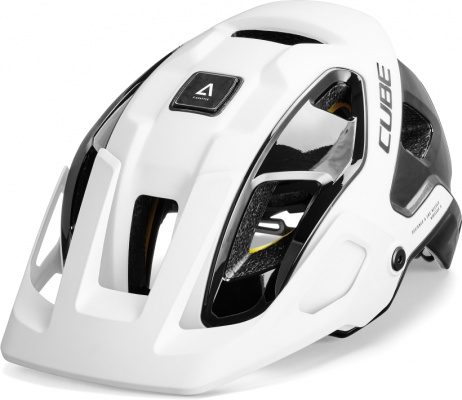
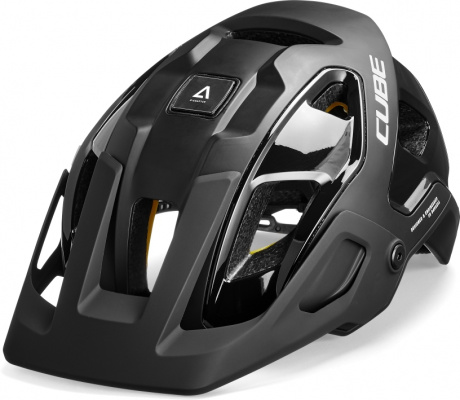
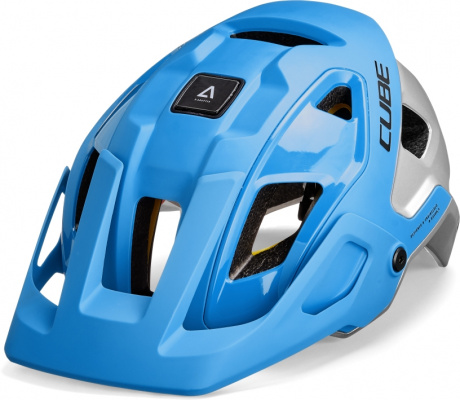
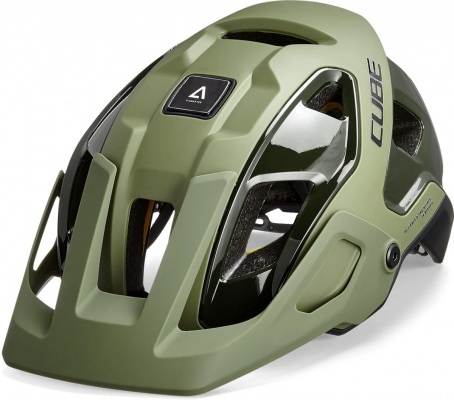
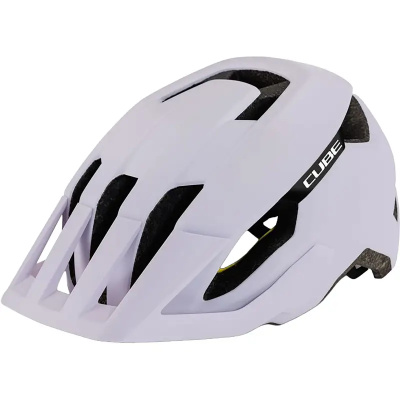
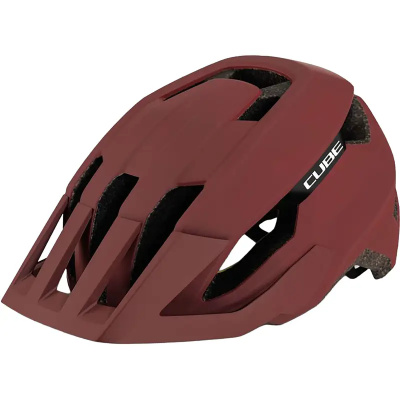
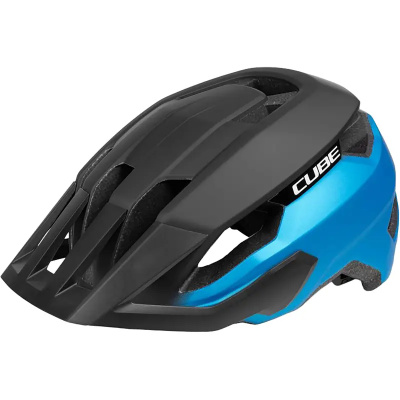
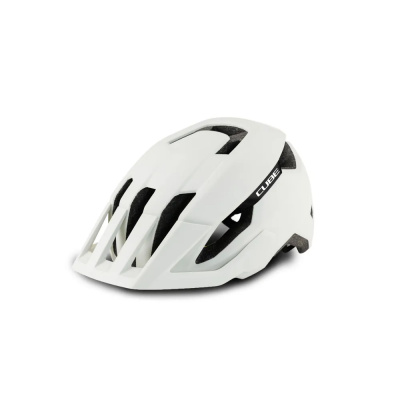
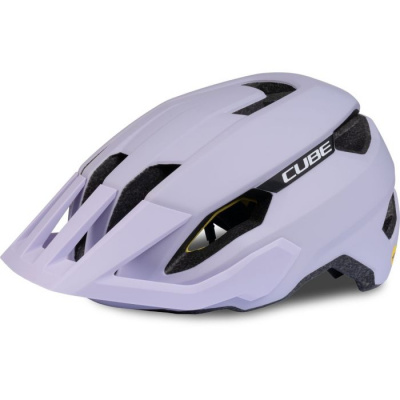
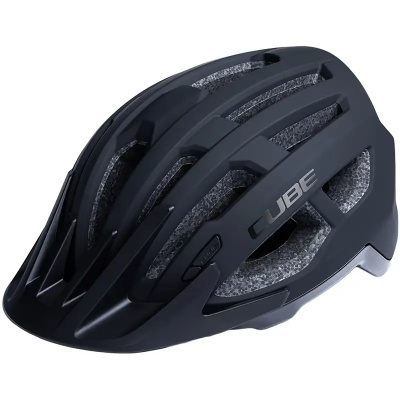
Trail and MTB helmets extend the rear coverage lower down the skull for better protection on technical descents. A visor is standard - non-negotiable for keeping mud and low Welsh sun out of your eyes on switchbacks. The MTB range includes the Strover and Rook models, both designed around the Natural Fit concept with enough internal volume to work with glasses or goggles depending on conditions. If you're riding Cube mountain bikes, matching the helmet to the bike is straightforward within the same range.
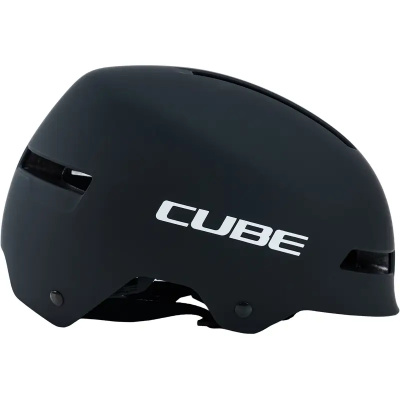
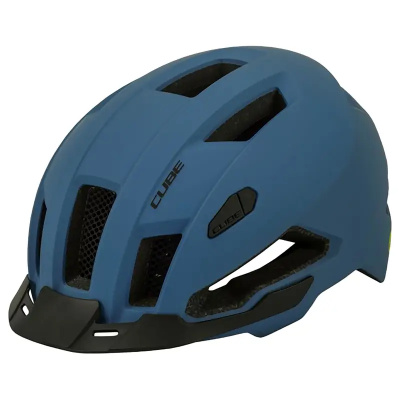
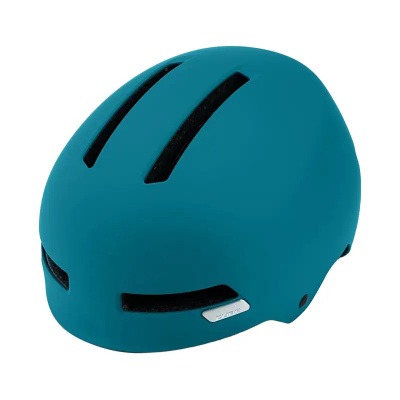
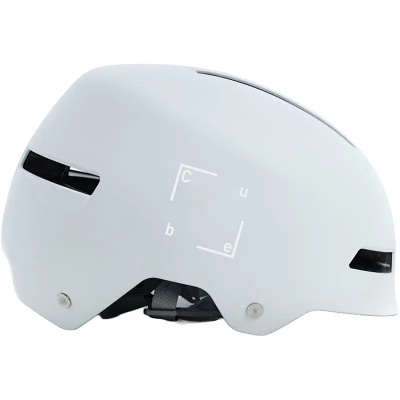
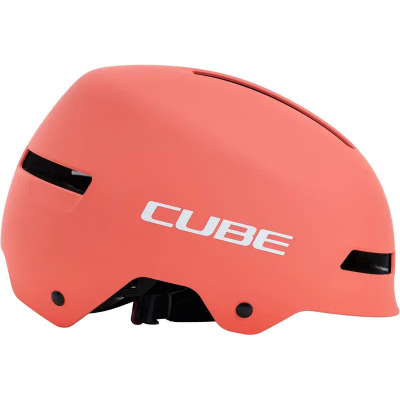
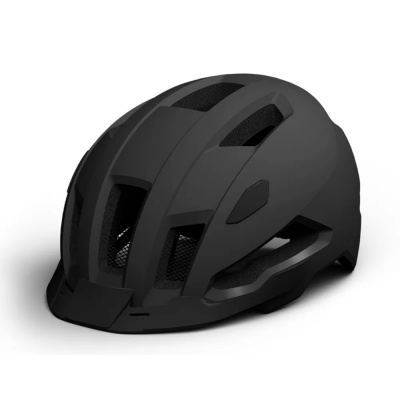
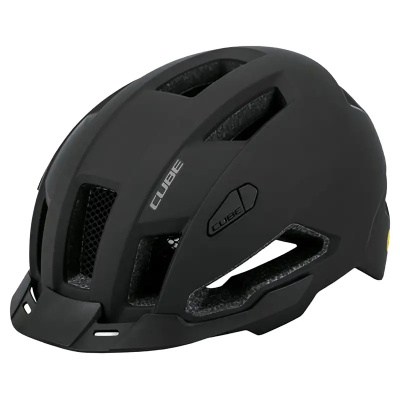
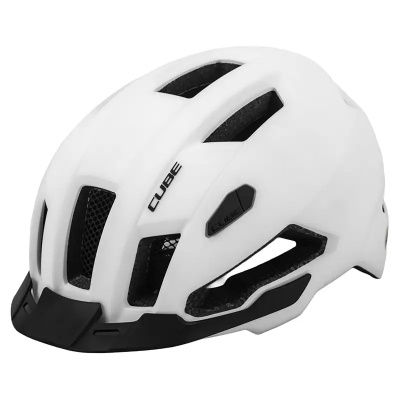
Urban and commuter helmets drop the sporty visual language and prioritise practical features: integrated rear light mounts, reflective detailing for low-light visibility, and a subtler profile that doesn't look out of place locking up outside the office. Given how variable UK light gets from October onwards, the rear light compatibility on commuter Cube helmets is genuinely useful - pair one with Cube lights for a clean, integrated setup.
Looking for maximum downhill protection? Browse our dedicated Cube Full Face Helmets page. Equipping the little ones? Head over to our Cube Kids Helmets collection. Need replacement pads or visors? Check out our Cube Helmet Spares.
Fit, Sizing and Riding in UK Conditions
Cube's Natural Fit concept is the foundation, but the adjustment systems are what make it work day-to-day. The SILC 180 fit system uses a wide, semi-circular retention cradle at the rear of the helmet, adjusted with a single dial that you can operate one-handed. The SNAP 360 system on higher-end models wraps even further around the skull for a more complete contact patch - useful if you've struggled with helmets that rock forward on descents. Both systems allow genuine micro-adjustment, not just broad size steps.
To measure your head, wrap a flexible tape measure around the widest part of your skull - roughly a finger's width above your eyebrows and level with the bump at the back. Take the measurement in centimetres and match it to Cube's sizing chart. If you're right on the boundary between two sizes, consider your winter riding habits: if you regularly go out with a thermal cycling cap underneath, sizing up gives you the volume to accommodate it without the helmet perching too high. A cap-stuffed helmet that's too small will compromise both fit and protection.
The magnetic Fidlock buckle on several Cube models is worth flagging for anyone commuting or riding in winter. Standard clip buckles become fiddly with thick gloves on; the Fidlock snaps together one-handed without looking at it. Small thing, but when you're standing in a draughty car park at 6am it's the kind of detail you notice. Bell helmets use a similar approach on their commuter-focused range if you want a direct comparison before deciding.
On internal volume: UK winters mean skull caps are a regular feature, not an occasional one. Road-specific helmets in the Cube range run slimmer internal profiles - fine for a lightweight liner but tight with a heavier cap. Trail and urban helmets generally offer more headroom. If your riding straddles seasons, a trail-profile lid with a road-friendly weight is often the better all-year call than a dedicated road helmet you'll find uncomfortable from November to March.
Cube Helmets FAQs
How do I measure my head for a Cube helmet?
Use a flexible tape measure and wrap it around your head about a finger's width above your eyebrows, keeping it level with the occipital bump at the back. Note the circumference in centimetres and match it against Cube's official sizing chart - if you're between sizes and ride with a thermal cap in winter, err towards the larger option.
Do Cube helmets feature MIPS technology?
Many mid-to-high-tier Cube helmets include MIPS - the low-friction slip-plane liner that reduces rotational forces during an angled impact. Not every model in the range carries it, so check the individual product listing for the yellow MIPS logo before purchasing.
When should I replace my Cube bike helmet?
Replace it immediately after any crash or significant impact, even if the EPS foam looks undamaged - internal compression isn't visible. Beyond that, plan for a replacement every three to five years regardless, as UV exposure, sweat, and general material ageing gradually reduce the foam's ability to absorb impact.