
Cube Full Face Helmets
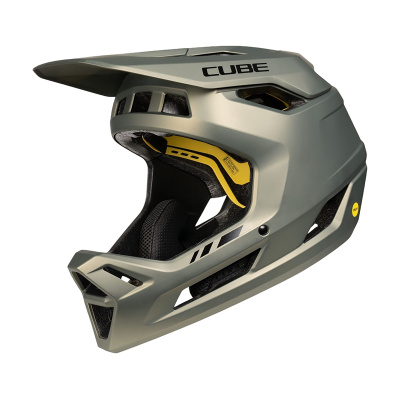
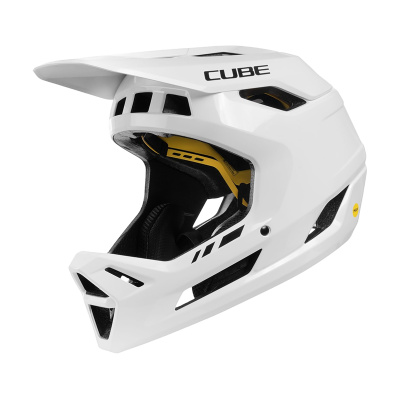
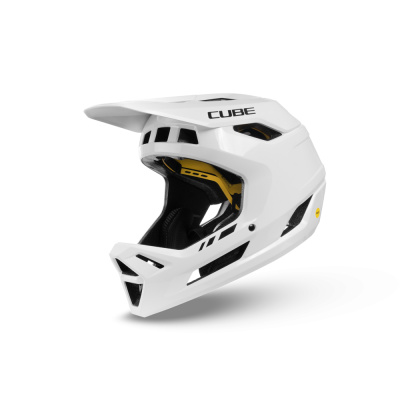
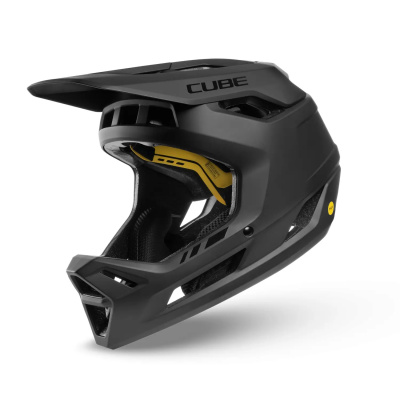
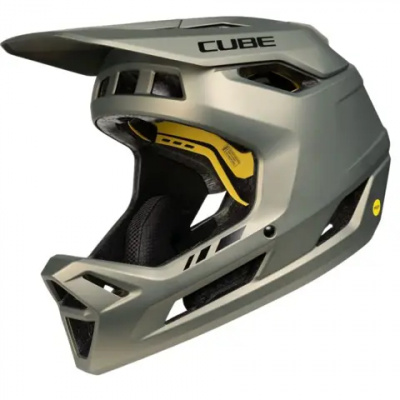
When the trail points straight down, Cube full face helmets are what stand between your face and the floor - and they do it without making you feel like you're wearing a fishbowl on the climb back up. These lids carry DH-certified impact credentials while staying light and ventilated enough for the kind of riding most UK riders actually do: a brutal push up a muddy Lakeland slope, then a flat-out blast back down. Cube's approach leans on dual-density EPS foam to handle both the short, sharp hits and the slower, more sustained loading you get in a proper off - covering the spread that a single-density shell simply can't. The chin bar is built to take a proper whack, and the ventilation ports aren't an afterthought; they're routed to keep air moving even when you're barely moving yourself. Goggle integration is tight - no awkward gap, no trail spray finding a way in. Whether you're lining up at a local enduro race or working through a bike park lap list, Cube full face helmets offer a lot of genuine protection for riders who want confidence, not compromise.
Prices and availability can change quickly. Delivery charges are not always included in listed prices.
Final price, stock status and delivery terms are set by retailer. We may receive a commission on purchases made.
Shell Tech and Ventilation Performance
A full face helmet lives and dies by two things: how well it protects you and how much it punishes you on the way up. Cube's full face range uses dual-density EPS foam - a harder outer layer for high-speed impacts, a softer inner layer to manage the slower, rotational forces you get from the kind of tumble that sneaks up on you mid-corner. That layered approach is what separates a properly engineered lid from one that's simply thick and heavy.
Ventilation is where a lot of full face helmets fall apart for UK riding. Our climbs are slow, humid grinds rather than lift-accessed freewheeling, and you're generating serious heat before you've even reached the top. Cube's ventilation channels are cut wide through both the brow and the chin bar, pulling air in at the front and flushing it out over the top of the shell. It won't feel like riding without a helmet - nothing in this category does - but it keeps airflow honest enough that you're not steaming up your goggles before you've dropped in. Weight is kept competitive too; these aren't DH-only bricks. If you've ever swapped a heavy full face for a lighter Bell full face helmet mid-season, you'll know how much a few grams matter over a long day's riding.
The visor is wide enough to shade your goggles from direct sun and to deflect low-hanging Welsh trail centre branches - practical, adjustable, and not so large it catches the wind on fast, open sections.
Understanding the Cube Fit and Range
Getting the fit right on a full face is more involved than a half-shell, because a loose lid doesn't just move around - it compromises the chin bar's protective geometry. Cube helmets are generally built around a mid-oval head shape, which suits most UK riders well. Cheek pads should press firmly against your face - think of it like the snug hold of a well-fitted ski boot rather than a pinch - without creating hot spots or pressure points around your temples. If you're between sizes, go up and use the pad kit to dial it in; going down and forcing it creates discomfort that'll ruin a long day out.
The Fidlock magnetic buckle on the chin strap is genuinely useful with gloves on. Traditional chin strap buckles are fiddly when your hands are cold and muddy, and at the trailhead in November you'll appreciate being able to click it shut one-handed. Fidlock's system locks securely - it's not a gimmick - but releases cleanly when you need it to. If you're riding alongside mates in Fox full face helmets or Troy Lee Designs full face helmets, the Cube fit profile tends to run a touch more rounded, so if you've always had issues with oval-specific fits, Cube is worth a try.
Measure your head circumference just above your eyebrows before you buy - it sounds obvious, but a lot of returns come from riders guessing their size. Cube's sizing runs true, so trust the chart. For everyday trail riding where you don't need a chin bar, our full Cube mountain bikes page is worth a look if you're building out a complete setup. And if you're after replacement pads or spares down the line, plan ahead - keeping a spare liner set is worth it.
Goggle Integration and Keeping Things Clean
A gaper gap - that strip of exposed forehead between your goggles and helmet brow - is more than cosmetic. Trail spray, roost from the rider ahead, and cold Welsh rain all find that gap immediately. Cube's brow profile is shaped to sit close to most standard goggle frames, closing the gap without pinching the foam. The ventilation channels are positioned to push airflow across the inner lens surface too, which helps with anti-fog on slow, humid climbs where condensation builds fastest.
When it comes to pairing, wider-framed goggles tend to seal better with full face helmets than narrower race-cut models. Check the outriggers sit flush in the brow channel rather than riding up on the rim - a quick squeeze test before you drop in can save you a muddy face on lap one.
After a winter ride in the Peaks or the Brecon Beacons, your helmet liner is going to carry mud, sweat, and general grime. The good news is that Cube's inner pads and cheek pads are fully removable. Pull them out, hand-wash them in cool water with a mild detergent, and let them air dry flat - don't wring them out, and keep them away from direct heat or the foam degrades. Do this every few rides and you avoid the damp, sour smell that sets into neglected liners over a winter season. It takes five minutes and your nose will thank you. A set of Cube mudguards on your bike will reduce how much muck the helmet takes on in the first place - worth thinking about if you're doing regular winter laps.
Goggle lenses fog worst when airflow stalls, so keep the ventilation channels clear of mud after every ride - a soft brush or a gentle rinse does it. If you're running a Cube hip pack, you've got somewhere to stash a microfibre cloth for a quick lens wipe at the top of the climb.
Cube Full Face Helmets FAQs
Are Cube full face helmets suitable for enduro riding?
Yes. Cube's full face helmets run wide ventilation channels through the brow and chin bar, which keeps airflow going on slow transition climbs - the kind that define UK enduro stages. You get DH-level impact protection on the descents without suffering through the uphills. They're a practical choice for riders who race enduro or just ride mixed-severity trails regularly.
How do I know my size in a Cube full face helmet?
Measure your head circumference just above your eyebrows with a soft tape. Cube helmets run true to their sizing charts, so match your measurement to the size guide and don't guess. Once it's on, the cheek pads should press firmly against your face - snug but not painful. If you're on the border between sizes, go up and adjust with the pad kit.
Can I wash the inner pads of my Cube helmet?
You can, and you should. Both the cheek pads and inner liner are removable. Hand-wash them in cool water with a small amount of mild detergent, rinse thoroughly, and leave them to air dry flat - away from radiators or direct sunlight. After a muddy winter session, doing this promptly stops the smell from setting in. It's a five-minute job that extends the life of the pads noticeably.