
Cube Kids Helmets
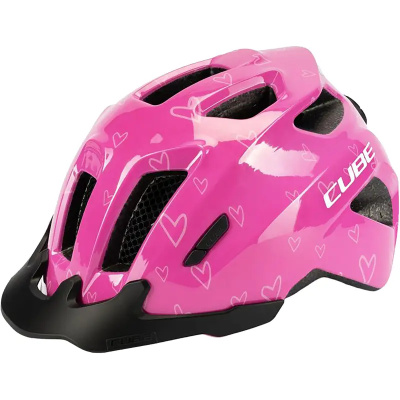
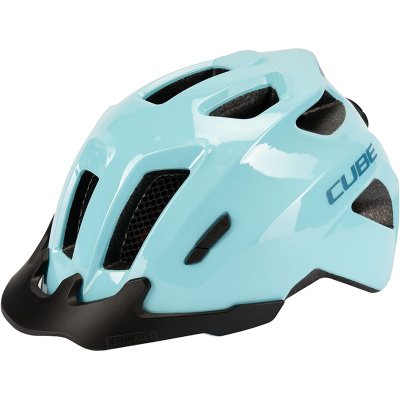
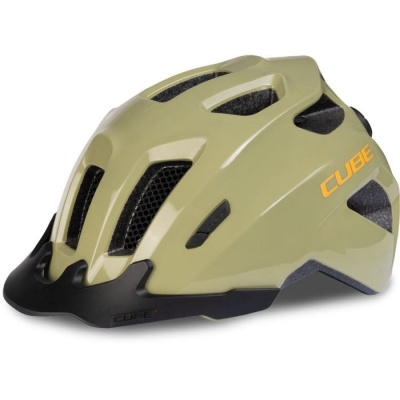
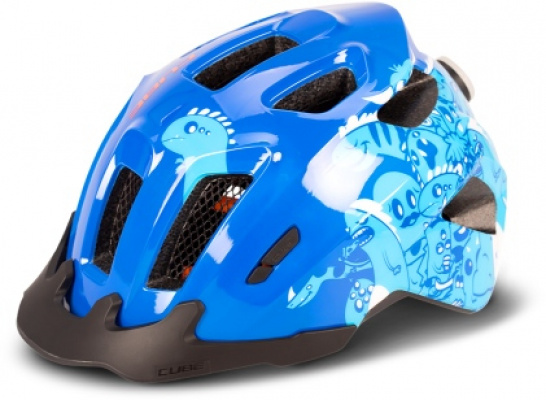
Cube kids bike helmets sit at a genuinely useful crossroads: proper safety engineering dressed up in designs that children actually want to wear. That matters more than it sounds - a helmet that stays in the garage is no helmet at all. Cube brings German manufacturing precision to sizes that start small enough for toddlers on balance bikes and scale right up to youth MTB models, so you are not switching brands every two years as they grow.
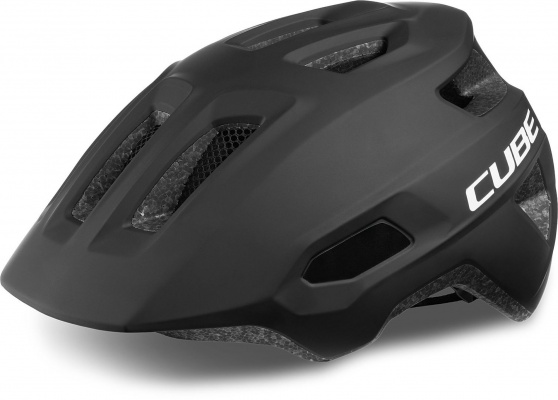
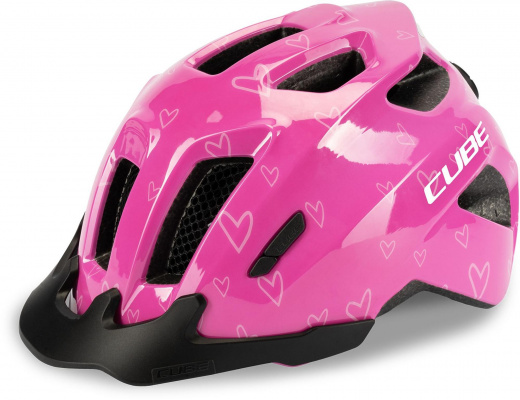
The construction starts with in-mould EPS foam, which bonds the outer shell directly to the impact-absorbing liner rather than just clipping them together. Lighter and more rigid than the older layered approach. The SNAP 360 fit system lets you micro-adjust the rear dial with one hand while your child fidgets - handy when they are already halfway out the door. Pinch-free magnetic buckle closures on the premium models mean no more chin-strap tears before you have even left the drive.
For darker mornings and the kind of grey November light that UK school runs specialise in, select models carry an integrated rear light built into the dial housing itself. Reflective details add a second layer of low-light presence. Front vent insect nets keep woodland rides drama-free. These helmets meet and exceed relevant European safety standards, so the protection underneath the colour is the real deal.
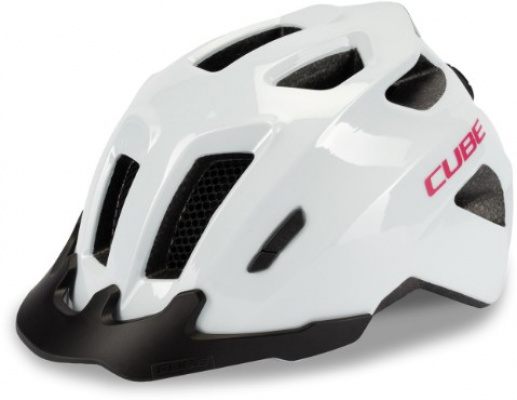
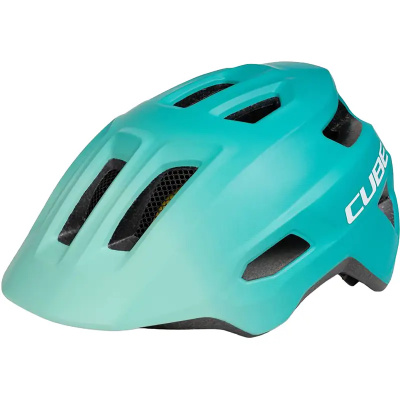
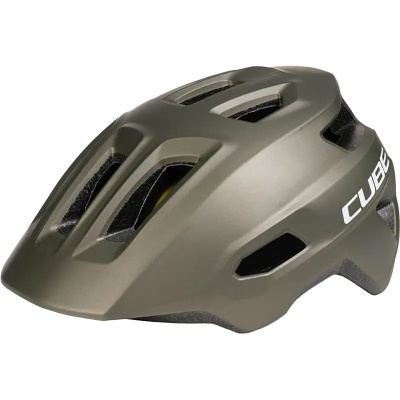
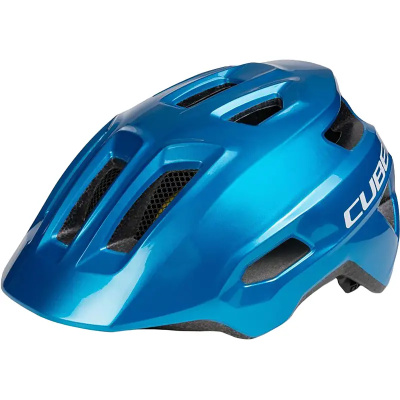
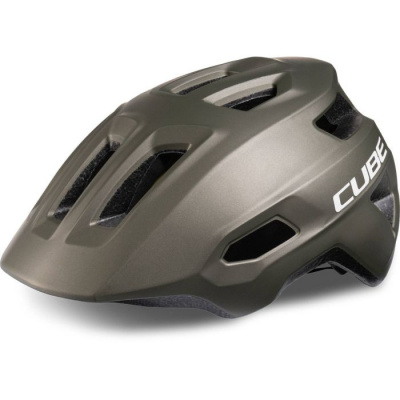
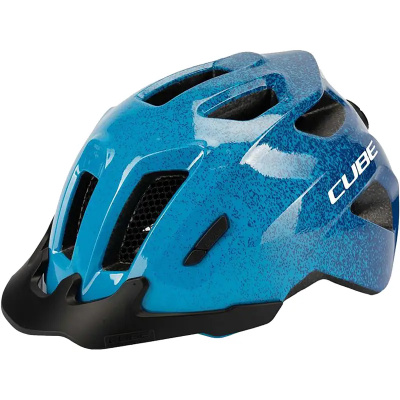
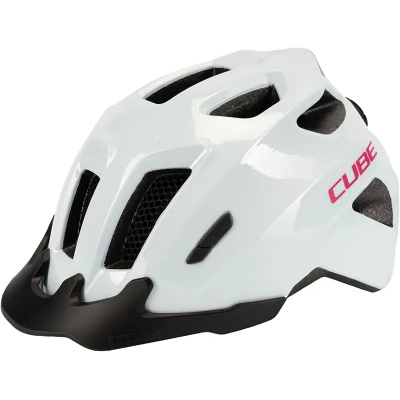
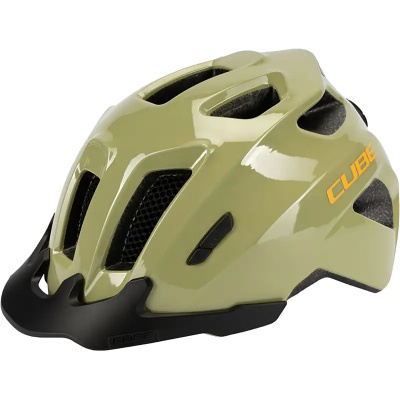
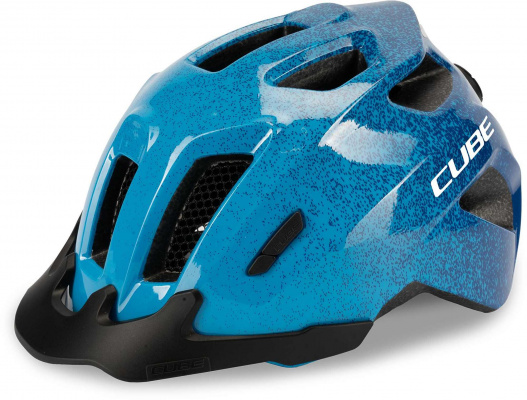
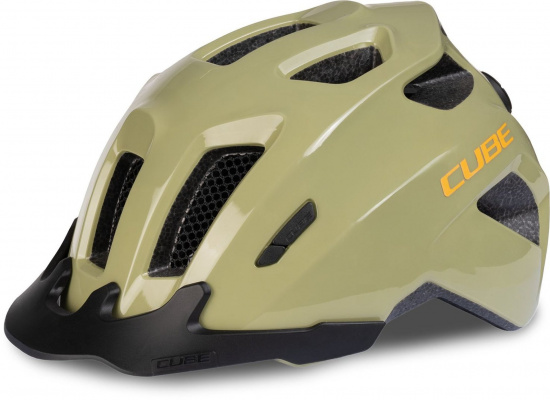
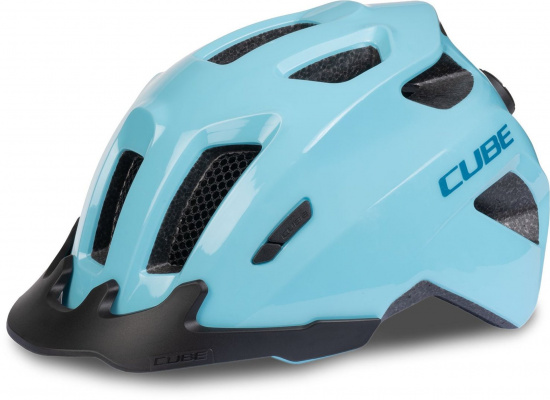
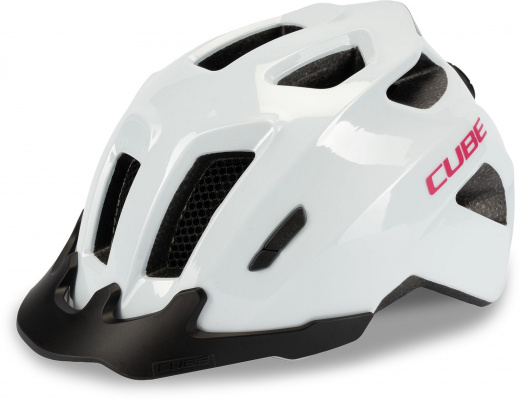
Prices and availability can change quickly. Delivery charges are not always included in listed prices.
Final price, stock status and delivery terms are set by retailer. We may receive a commission on purchases made.
Safety Tech and Construction: Built for the Bumps
The foundation of every Cube children's helmet is in-mould construction - a process where the tough polycarbonate outer shell is fused directly to the EPS foam inner during manufacturing, rather than pressed together afterwards. The result is a shell that is noticeably lighter than a comparable injection-moulded lid, with no weak layer junction between the two. For a child crashing at low speed on a school-run kerb or high speed on a trail descent, that structural integrity is what does the work.
Front vents on most models are fitted with fine insect nets, a small detail that makes a big difference once you are riding wooded trails in summer. Nobody wants a wasp inside their helmet. The nets clip out for cleaning, which you will need if your child eats a muddy berm.
Cube distributes ventilation channels to balance airflow without leaving a wide-open gap between the shell edges - so coverage stays solid around the sides and rear where it counts. If your child is progressing towards bike parks or more aggressive descending, the open-face range covered here will not be the right tool - our Bell kids helmets and Met kids helmets categories include full-face options worth a look at that stage.
Understanding the Cube Fit System and Range
Getting the fit right is the one thing that separates a safe helmet from an expensive hat. Cube's SNAP 360 fit system uses a rear dial that tightens a cradle around the back and sides of the skull in small, precise increments. You can do it one-handed, through a winter hat, and with a wriggling child - which is roughly the real-world test. The system accommodates a meaningful range of head circumferences within each size bracket, so you are not immediately buying the next size up when they hit a growth spurt in January.
Toddler-specific models are shaped with a flatter rear profile, designed to sit comfortably against a child seat or trailer headrest without tipping the helmet forward over their eyes. Youth MTB models shift to deeper rear coverage and a slightly more aggressive profile that suits a forward riding position on trail bikes. Knowing which category your child falls into before you buy saves a return trip. Pair the right helmet with a Cube kids bike and the geometry and fit philosophy carry through the whole setup.
Cube children's cycling helmets are sized roughly as follows: toddler models typically cover 46 - 52 cm head circumferences, junior models from around 51 - 56 cm, and youth models running up to 59 cm with the dial doing the fine work within those bands. Always measure first - more on that in the FAQ below.
For sizing comparison across other brands on the market, Giro kids helmets use a broadly similar dial-adjust approach, so if you have used one before, the Cube system will feel familiar.
Visibility and UK Riding Conditions
UK riding conditions do not always play fair. A dry October morning can turn to drizzle by the time you reach the school gate, and winter commutes are often done entirely in the dark. Cube addresses this practically: a number of Cube youth MTB helmet models integrate an LED rear light directly into the fit dial housing at the back of the helmet. It runs on a small rechargeable or replaceable cell, blinks in a pattern that draws the eye, and is always at the right position on the head regardless of how the rider is sitting up or hunched over the bars. Useful on roads; more useful than you might think on shared-use paths.
Reflective details are printed or stitched into the shell graphics on most models in the range, adding 360-degree passive visibility that requires nothing from the rider. It is not a substitute for active lighting on unlit roads, but it adds meaningful presence in headlights and street lighting. If you want to build out a proper lighting setup beyond the helmet, our Cube lights range is worth pairing in.
Ventilation on Cube's children's helmets is balanced rather than maximised. There are enough channels to prevent overheating on a humid summer climb through the woods, but the vent geometry does not leave the foam so exposed that a brisk November school run turns unpleasant. A thin cycling cap or buff under the helmet handles the coldest days without fighting the fit dial - the SNAP 360 system has enough range to accommodate the extra layer. For muddy school-run days, Cube mudguards fitted to the bike will save the helmet from the worst spray off the rear wheel.
Cube Kids Helmets FAQs
How do I measure my child's head for a Cube helmet?
Wrap a soft tape measure around the head roughly one inch (2.5 cm) above the eyebrows - that is the widest point, which is what you are sizing for. Note the circumference in centimetres and match it to Cube's size bracket. Once the helmet is on, use the SNAP 360 dial to dial in the snug fit; it should not rock forward or back when they shake their head.
Do Cube kids helmets come with integrated lights?
Several Cube children's cycling helmets feature an LED rear light built directly into the rear fit dial. It sits at the back of the helmet where it is always visible regardless of riding position - genuinely useful for grey UK school runs and unlit paths. Check individual model listings to confirm which ones carry this feature, as it is not across the full range.
When should I replace my child's bike helmet?
Replace it immediately after any significant impact or crash, even with no visible damage - EPS foam compresses on first hit and will not protect properly a second time. Outside of crashes, the EPS naturally degrades over time, so three to five years is a sensible ceiling. Also replace it when the dial is maxed out and the fit is still loose; they have simply outgrown it.