
Cube Kids Bikes
Cube Kids Bikes are what you end up looking at once you've pushed a supermarket special up a gentle slope and watched your child struggle to turn the thing around. Cube applies exactly the same Aluminium Lite tubing and in-house safety standards from their adult mountain bike programme to bikes sized for a five-year-old. That's not a marketing line - it shapes everything from how the frame is shaped to how the brakes are set up.
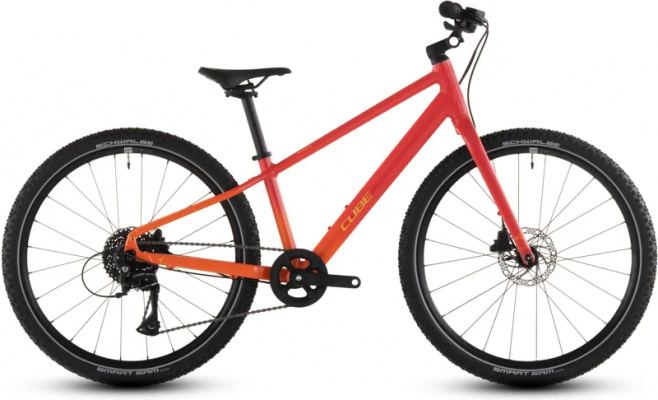
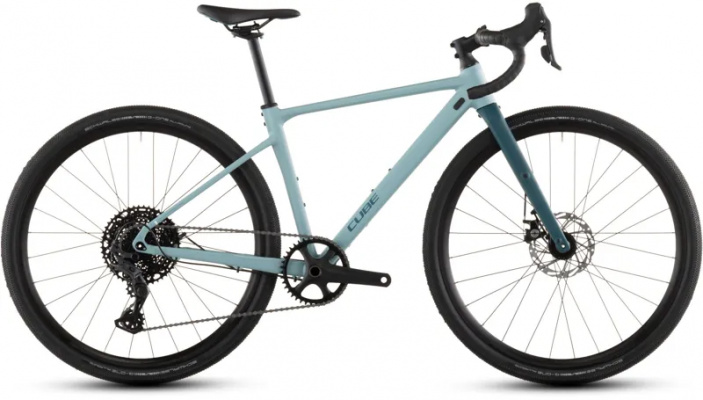
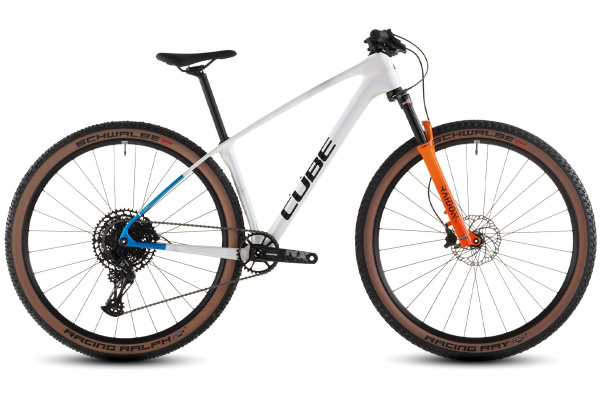
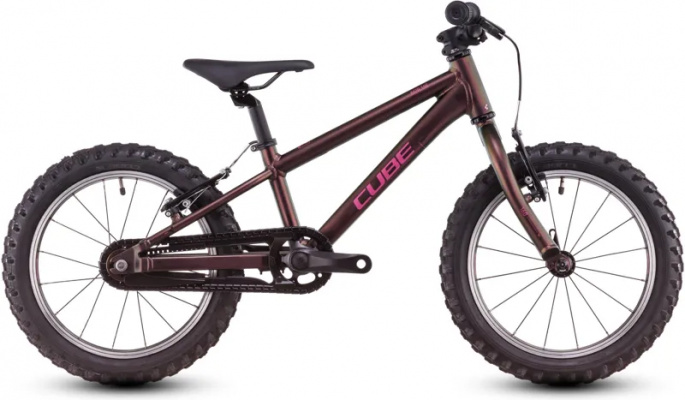
The range runs from the Cubie 120 balance bike for toddlers finding their feet, right through to the trail-ready Acid series that'll handle a proper family day out on graded singletrack. In between, Cube's Numove series targets riders who spend most of their time on tarmac and mixed surfaces and want a genuinely light, fast-rolling option. Each step up is deliberate - proportional geometry, components sized for smaller hands and narrower hips, and frames light enough that the bike-to-rider weight ratio doesn't become a battle of wills on every slight incline. If you want a bike your child will actually ride rather than avoid, this is where to start looking.
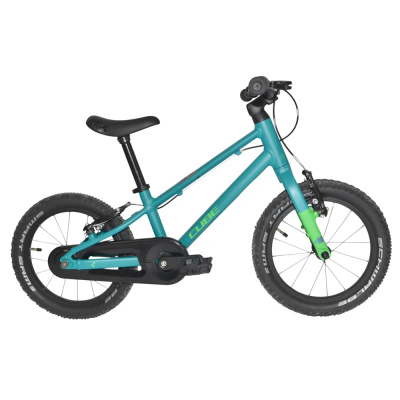
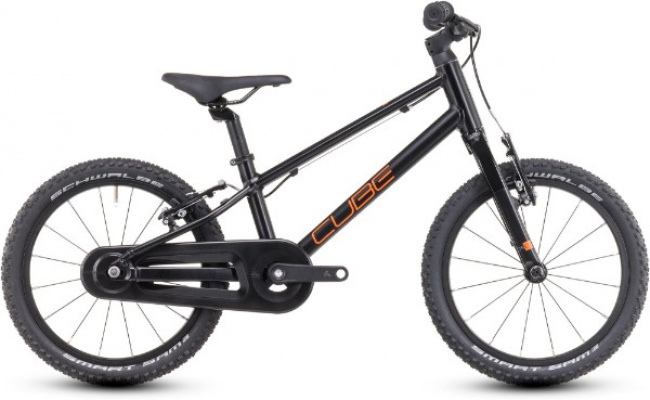
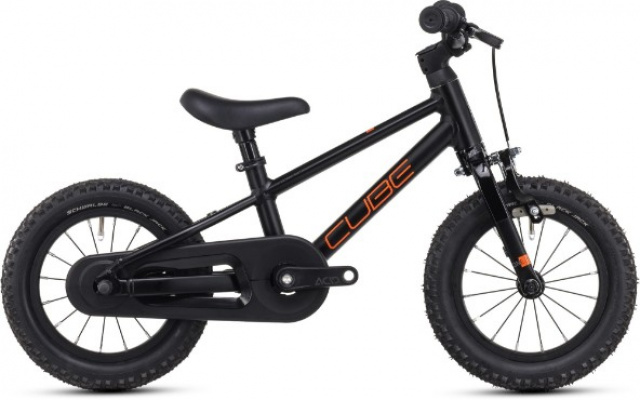
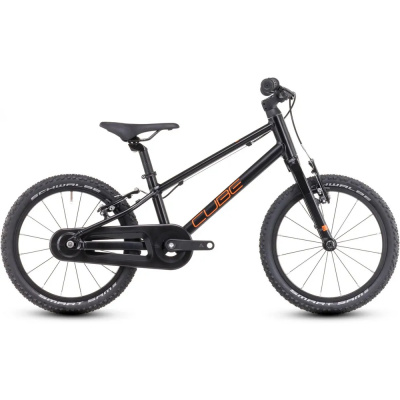
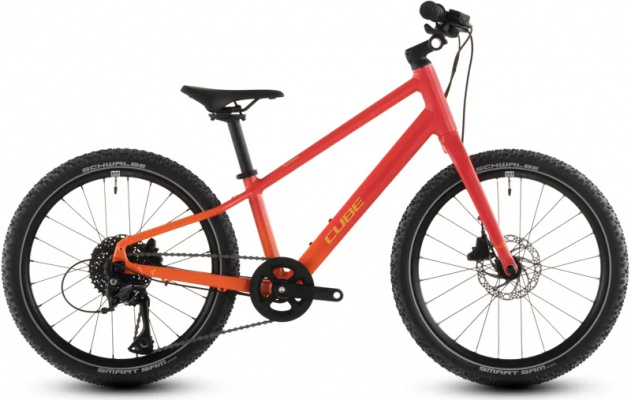
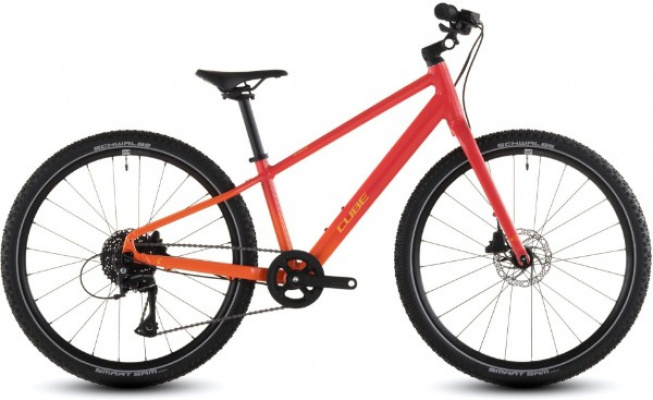
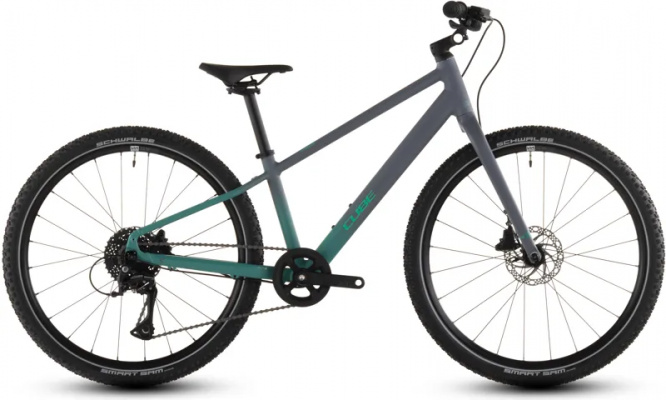
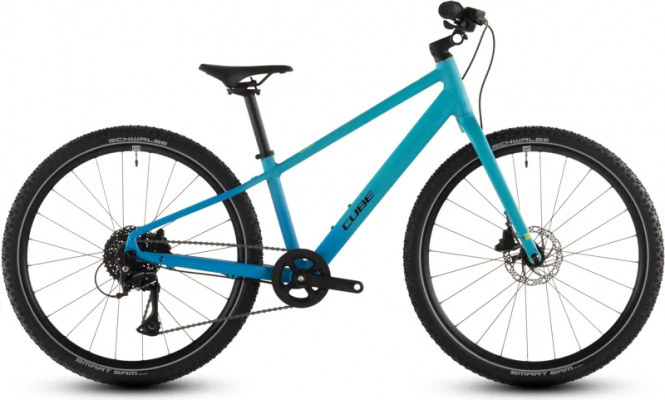
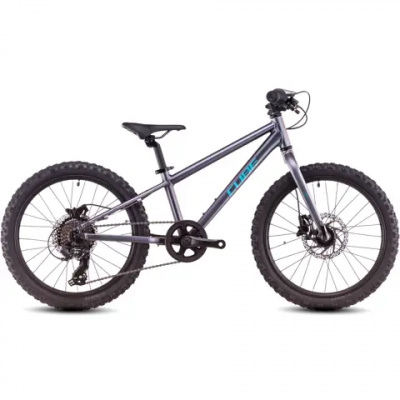
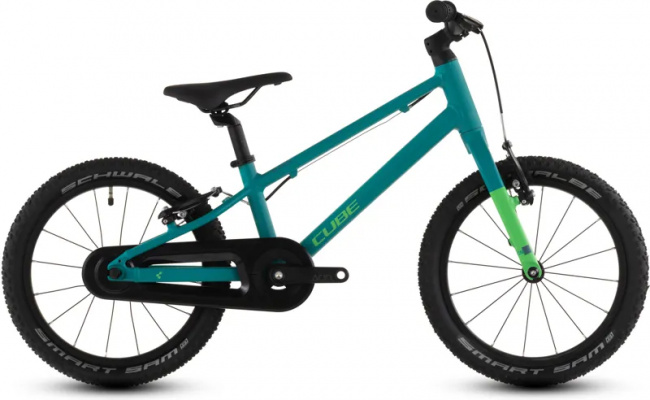
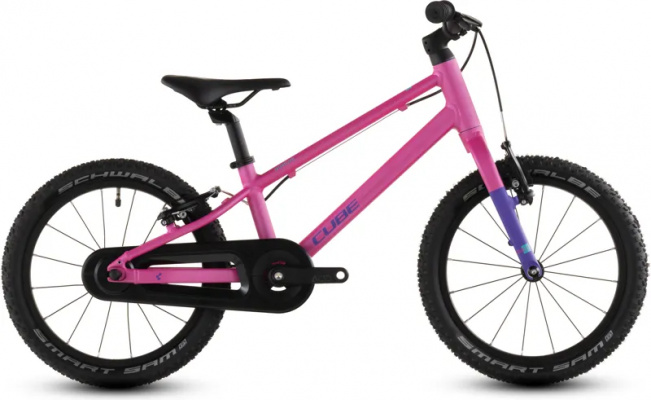
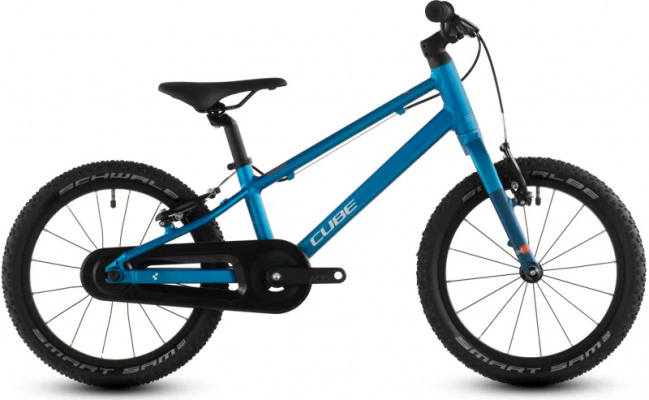
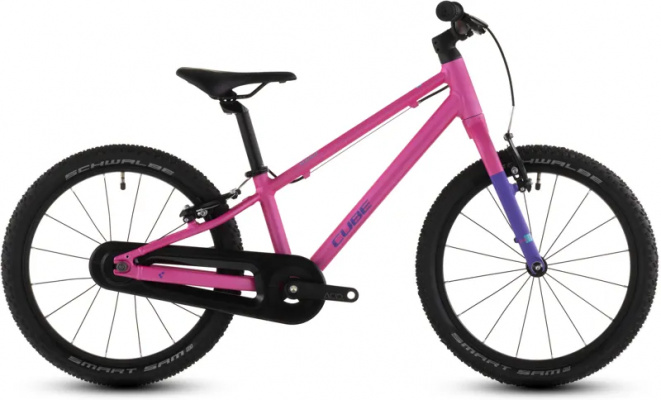
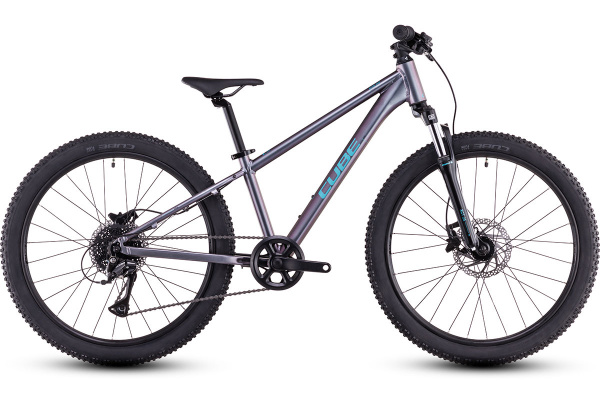
Prices and availability can change quickly. Delivery charges are not always included in listed prices.
Final price, stock status and delivery terms are set by retailer. We may receive a commission on purchases made.
Decoding the Cube Kids Bikes Lineup
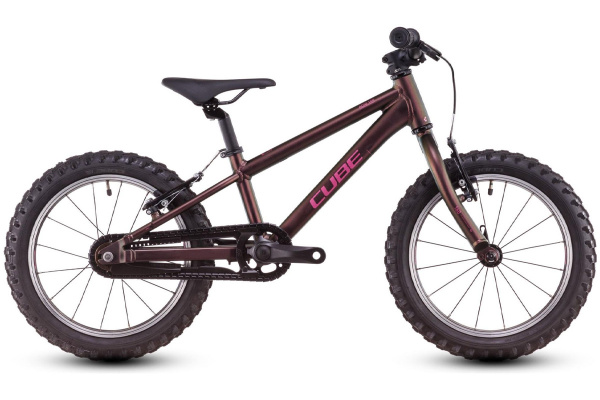
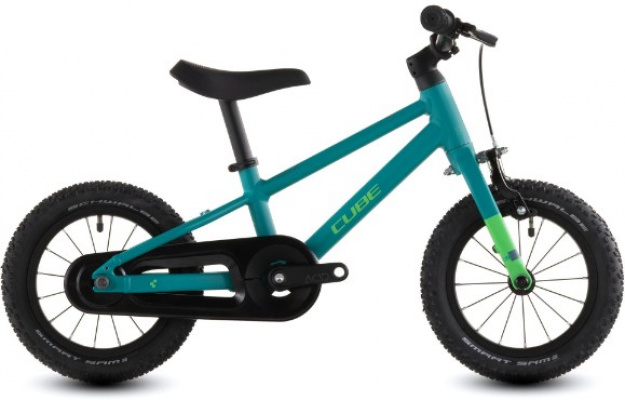
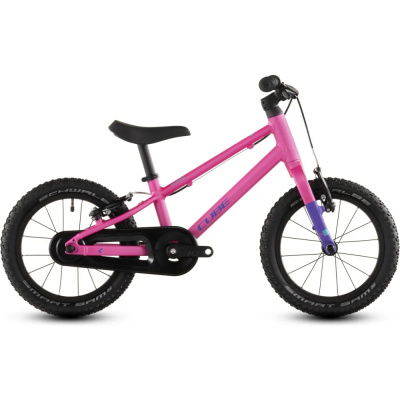
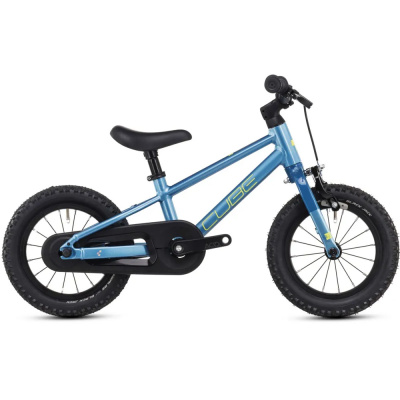
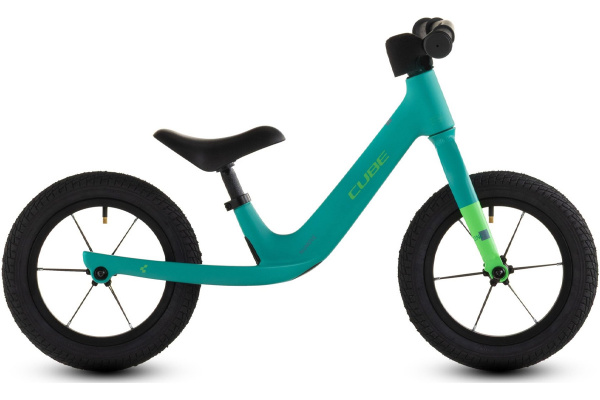
Start with the Cubie range. The Cubie 120 is a 12-inch balance bike - no pedals, no gears, just a low standover and a child learning to balance and steer without the complication of pedalling at the same time. The Cubie 160 adds a touch more wheel size for slightly older first-pedallers making the transition to a pedal bike. Both are built around child-specific geometry that keeps the seat height accessible and the handling predictable. Nothing fancy, nothing unnecessary.
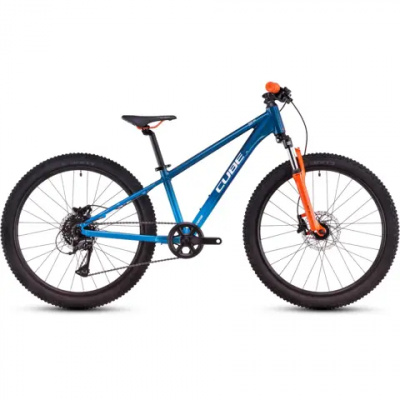
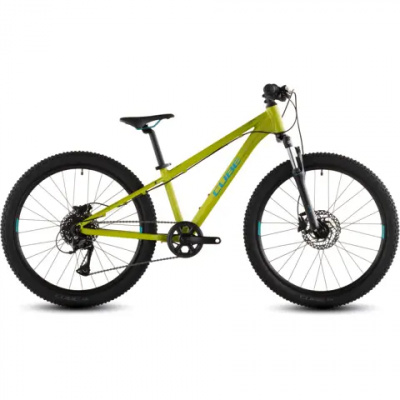
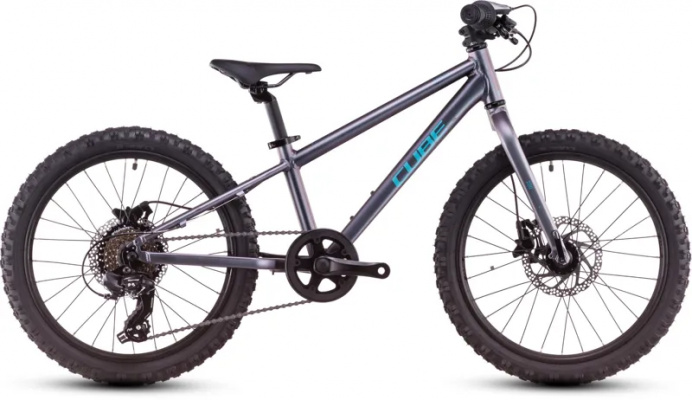
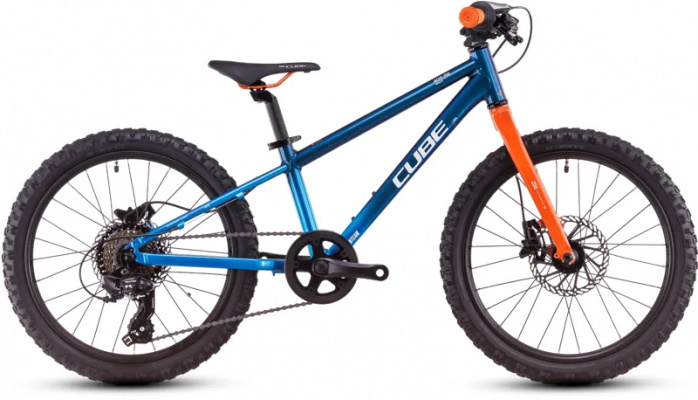
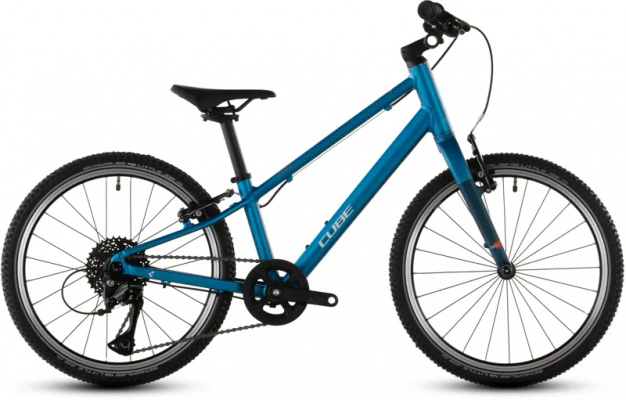
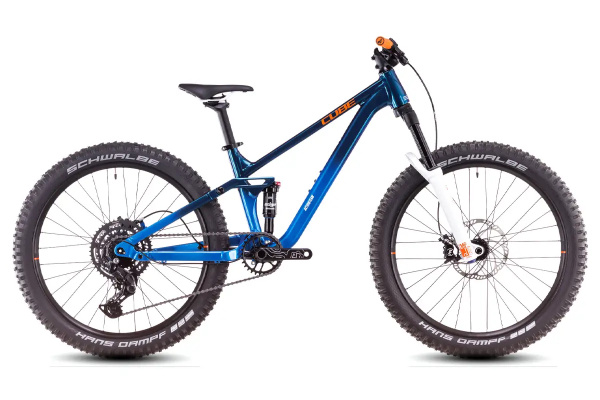
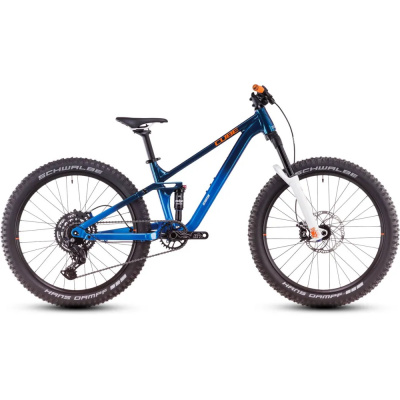
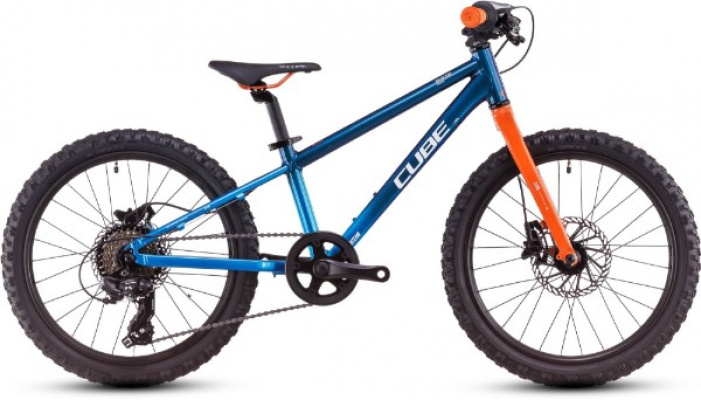
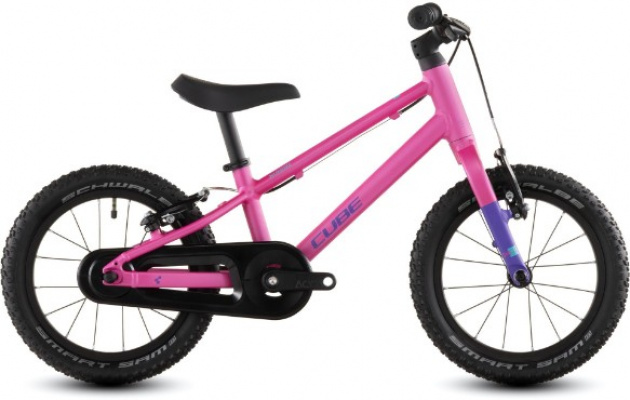
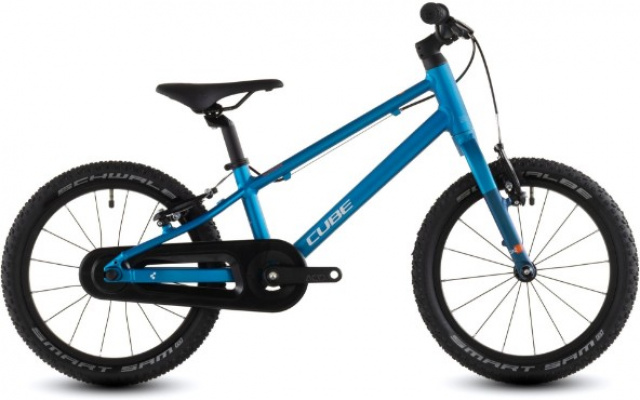
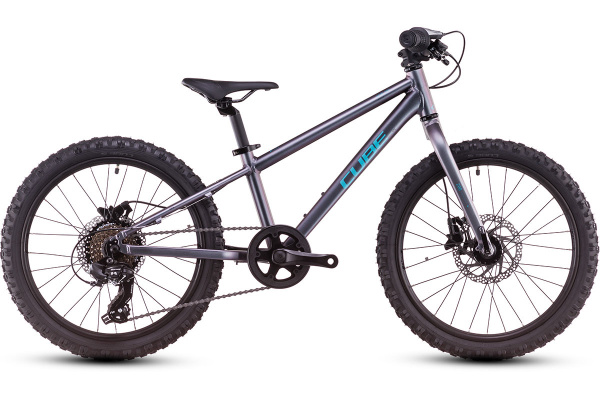
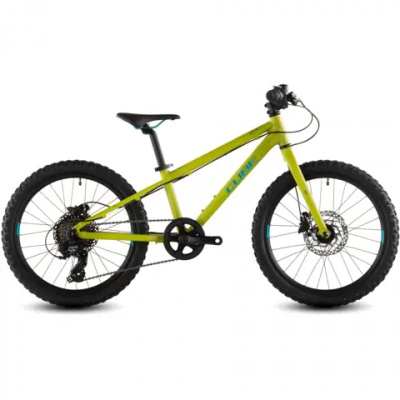
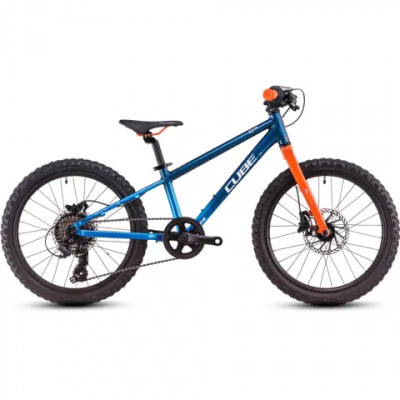
Step up in wheel size and you're into the Acid series - the 200, 240, and 260 cover 20-inch, 24-inch, and 26-inch wheels respectively. These are trail-oriented bikes with clearance for mud, tyre volume for grip on loose surfaces, and the kind of reliable braking that matters when a child is descending a gravel path for the first time. The Acid 200 is the entry point for most school-age riders; the Cube 24 inch kids bike and 26-inch formats suit pre-teens who've outgrown the smaller wheels but aren't ready to jump onto an adult frame. If your child is already confident and wants proper trail features - think proper suspension travel and slacker angles - the Stereo Rookie brings full suspension into the picture for young riders ready to push harder on technical ground.
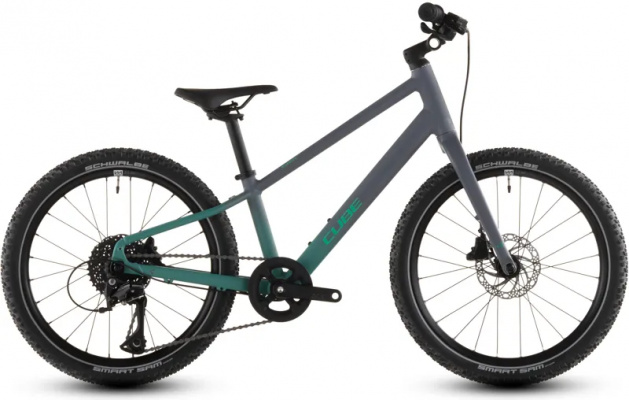
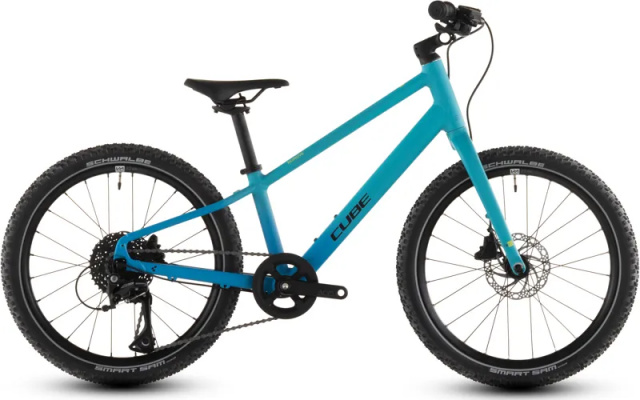
For families who spend most of their time on smoother surfaces, the Numove series is Cube's premium lightweight option. Ultra-light componentry, a more efficiency-focused build, and a geometry that suits mixed-surface riding without the added weight of trail-specific parts. It's the one to consider if most riding happens on cycle paths, canal towpaths, or smooth forest roads rather than chunky singletrack. Safety gear matters as much as the bike - take a look at kids' helmets before your first ride and make sure the fit is right alongside whatever model you choose.
The Cube Tech Philosophy: Built for Smaller Riders
The Aluminium Lite frame material is 6061 alloy with heat treatment - the same spec Cube uses on performance adult bikes, scaled down. Why does that matter for a child? Because a heavy bike is genuinely harder for a lighter rider to control. When a bike represents a significant proportion of your child's own bodyweight, every extra kilogram shows up in how confidently they can brake, turn, and stop. Cube's approach brings that bike-to-rider weight ratio into a range where the child is in charge, not the other way around.
CUBE Kids Geometry isn't just about making the frame smaller - it's about making it proportional. Low standover height means a child can get a foot down instantly without lurching sideways. Proportional reach means they're not stretched out or cramped over the bars. Both points matter for confidence, especially in the early stages. And a confident child is one who actually wants to go out again.
Two details separate Cube's components from what you'll find on cheaper alternatives. The narrow Q-factor cranks - the distance between the two pedal attachment points - are set closer together to match a child's narrower hips. On adult-geometry cranks, smaller riders often pedal with their knees splaying outward, which is uncomfortable and builds bad habits. The narrow Q-factor keeps the pedalling motion natural. The short-reach brake levers are sized so that a child's fingers can actually reach and compress the lever properly. On bikes that use adult levers, kids often can't generate enough force to brake effectively - which is a safety issue, not just a comfort one. You'll find Cube grips on most models are similarly proportioned, keeping hand fatigue to a minimum on longer rides.
Compared to the approach taken by brands like Frog Bikes or Giant's junior range, Cube's combination of heat-treated alloy, trail-ready builds, and the Numove's focus on all-out lightness gives the lineup solid breadth - there's a bike for the cautious first-timer and one for the child who's already eyeing the steep bit of the trail.
Living with a Cube Kids Bike in the UK
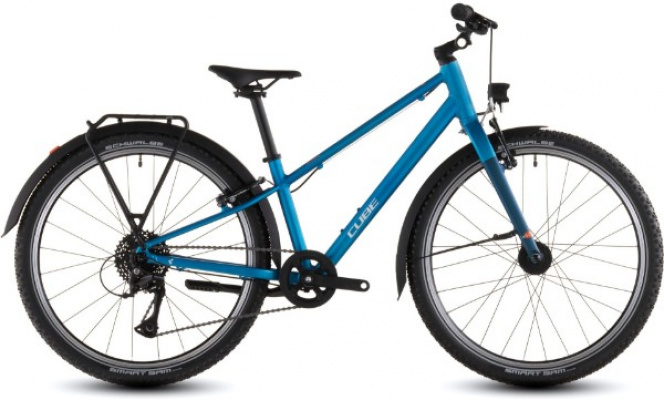
UK winters find every weakness in a kids' bike. The Acid series handles Forestry England-style family trails well - there's enough mud clearance around the tyres to keep things moving when the Whinlatter or Cannock Chase trails turn sticky in November, and V-brake or hydraulic disc setups (depending on model) give reliable stopping power when surfaces are wet. If you're comparing a Cube 20 inch kids bike against something similar, check the brake type - hydraulic discs are noticeably more consistent in the wet, though V-brakes are easier to adjust at the trailhead with basic tools. A set of mudguards will make the bike more usable through winter without a full kit change after every ride.
Sizing is the conversation worth having before you buy. Measure inside leg, not age. A child who is tall for their age may well need a Cube 24 inch kids bike earlier than the age guide suggests, and one who is smaller might need to stay on a 20-inch wheel longer for safe standover clearance and proper reach. Buying a bike they'll 'grow into' is well-intentioned but consistently backfires - a child on a frame that's too big loses confidence fast, because the handling feels unpredictable and they can't get a foot down easily when they need to.
Damp UK storage - garages, garden sheds - can be hard on drivetrains. Keep the chain lubed with a wet lube through winter and wipe down the drivetrain after muddy rides. It takes two minutes and it's the single biggest factor in how long the bike stays running smoothly. A kickstand is worth adding if the bike will be used regularly outside school - it keeps the bike upright on uneven surfaces without relying on a wall or another bike. Cube's adult mountain bike range uses the same quality standards, so if a family is already running Cube elsewhere, part compatibility and brand familiarity carry across.
Cube Kids Bikes FAQs
Are Cube kids bikes any good?
Yes. Cube uses the same Aluminium Lite tubing and safety testing processes on their junior range as they apply to adult bikes. Child-specific geometry, narrow Q-factor cranks, and short-reach brake levers make them significantly more capable and safer than cheaper alternatives - and noticeably lighter, which matters more than most parents expect.
What size Cube kids bike does my child need?
Cube's range runs from 12-inch balance bikes through to 26-inch wheel sizes for older pre-teens. Use inside leg measurement rather than age as your guide - standover clearance and reach are what determine whether a bike handles safely. A child on a frame that's too large will struggle to control the bike and lose confidence quickly.
How much does a Cube kids bike weigh?
It varies by model and spec. A Cube Acid 200 comes in at around 9.5kg, which is manageable for most school-age riders. The Numove series sits at the lighter end of the range. As a rule, Cube's heat-treated alloy frames keep weights well below what you'd find at a similar price point on the high street.