
Giant Kids Bikes
Giant kids bikes aren't an afterthought bolted onto the adult catalogue - they're a deliberate engineering exercise. Giant uses the same ALUXX-Grade aluminium found in their performance adult models to build kids' bikes that are genuinely light, not just light-for-a-kids-bike. That matters more than you'd think: a heavy bike that a child can barely lift saps confidence fast, whereas a responsive, properly weighted bike makes learning to ride, climbing a gentle hill, or bunny-hopping a kerb feel achievable rather than exhausting.
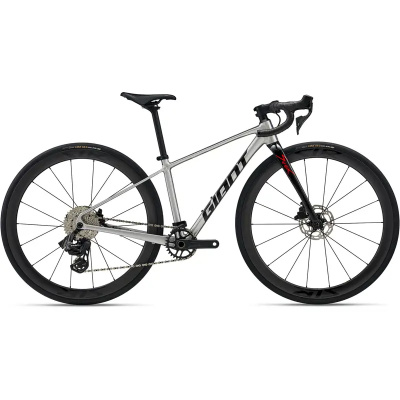
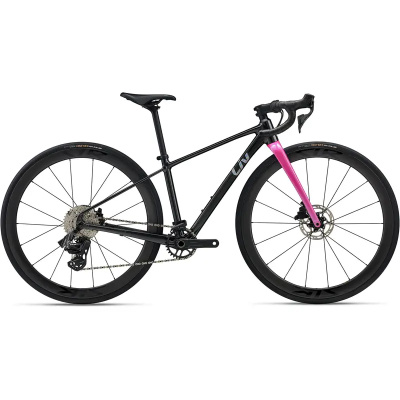
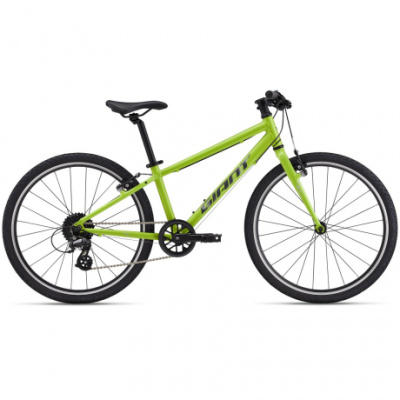
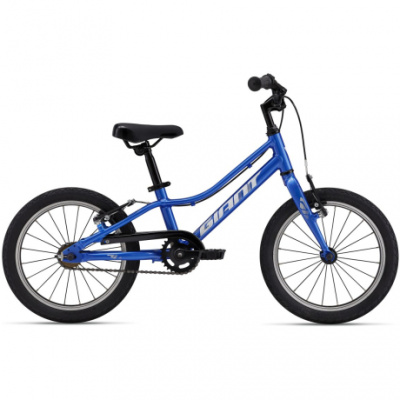
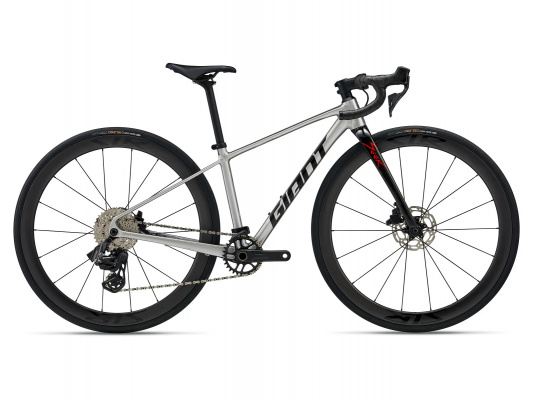
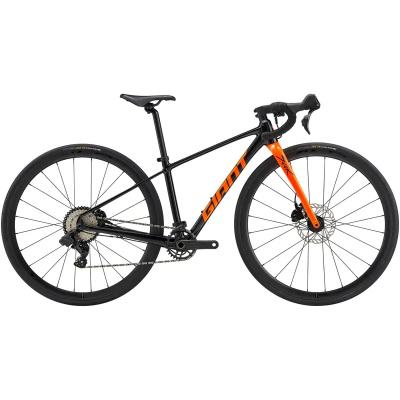
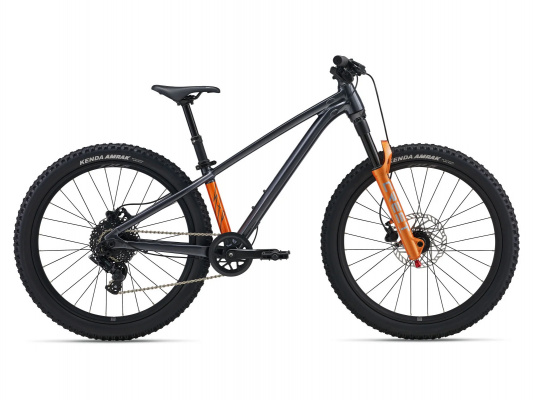
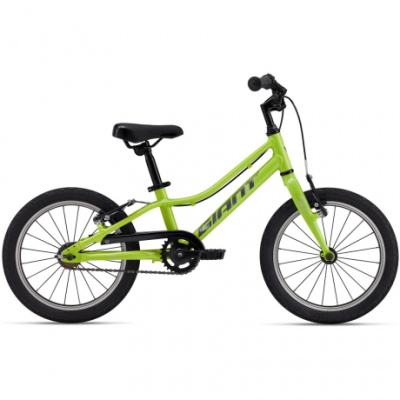
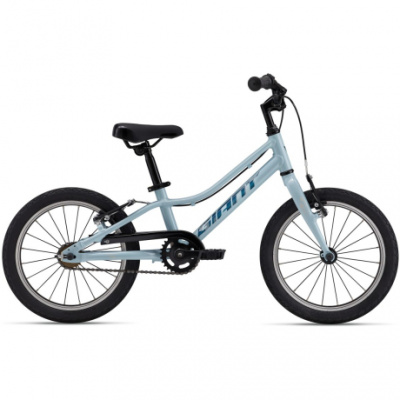
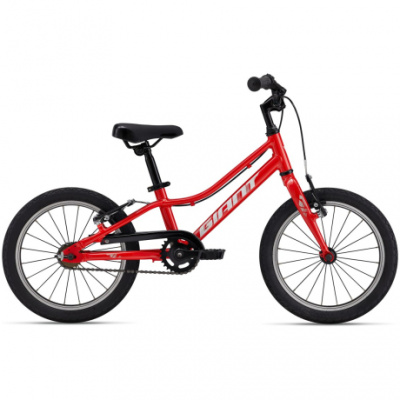
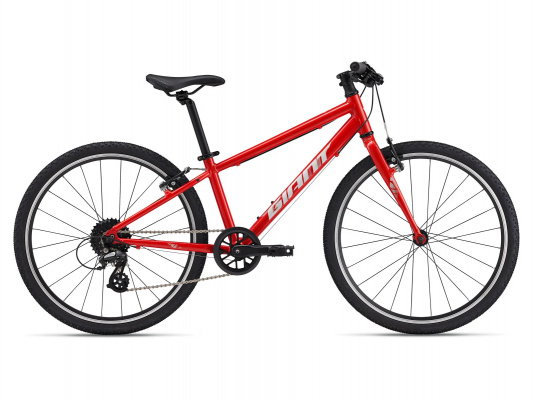
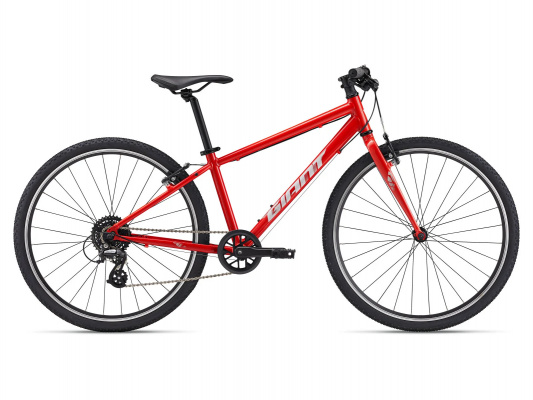
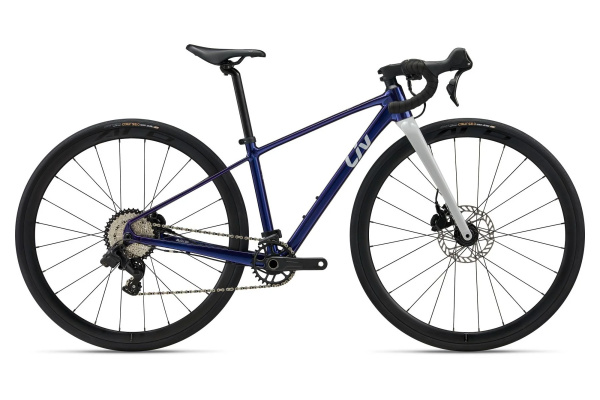
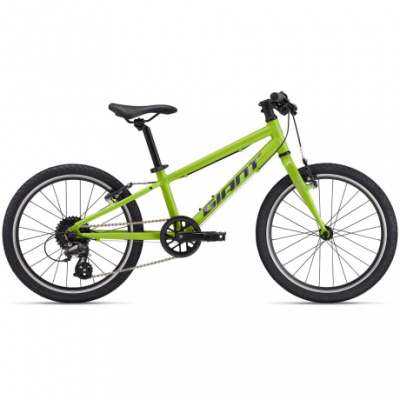
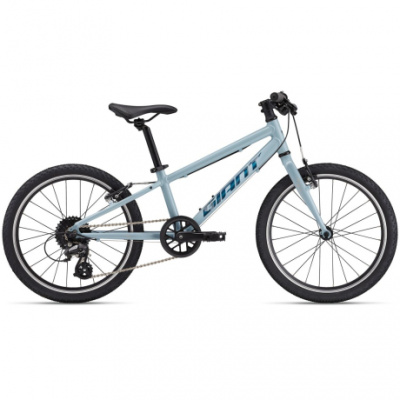
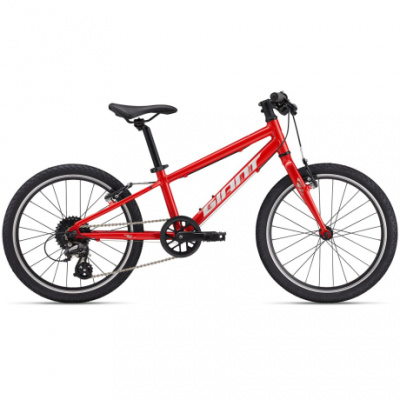
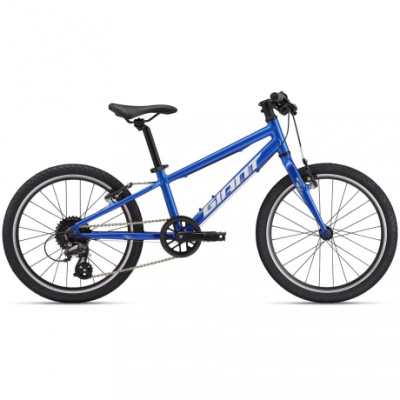
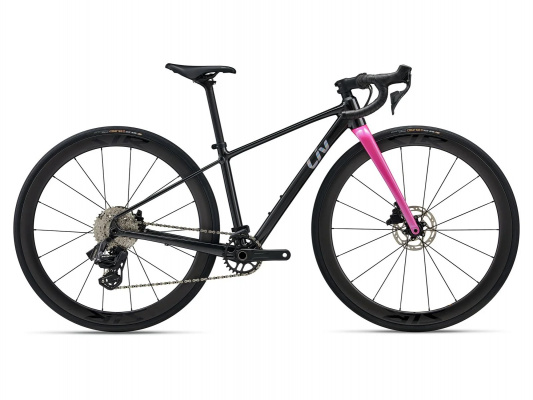
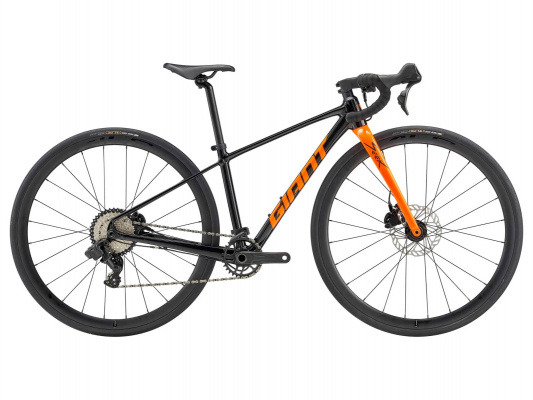
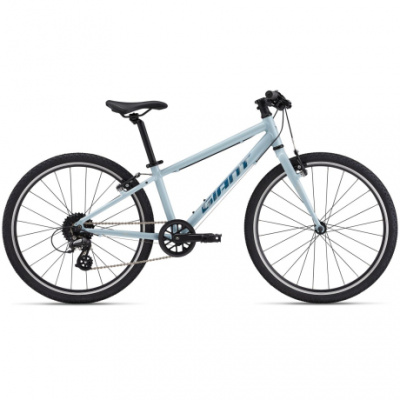
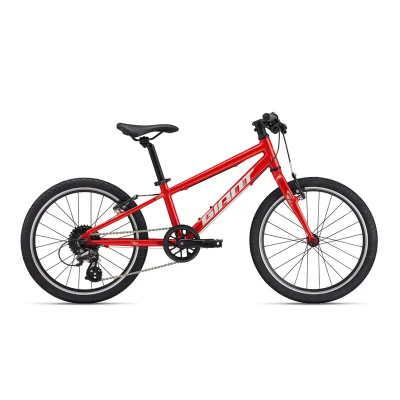
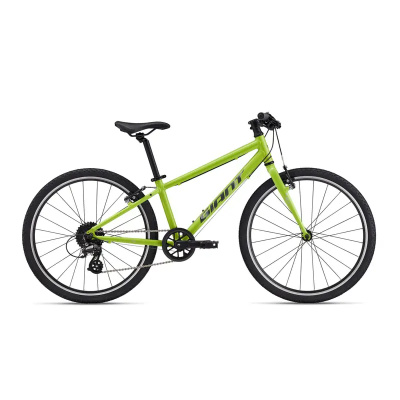
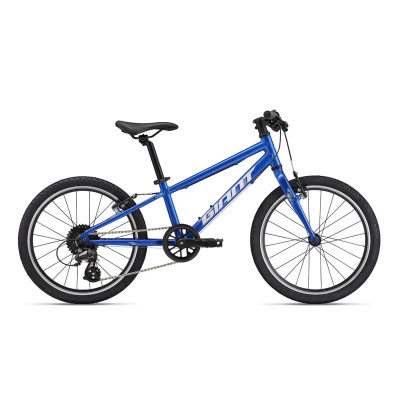
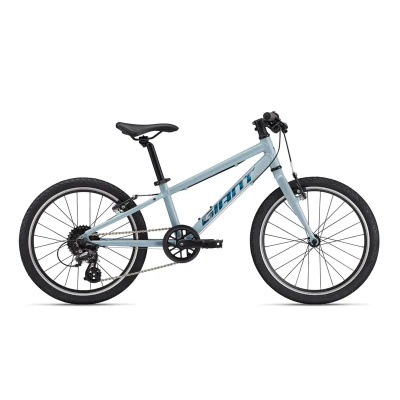
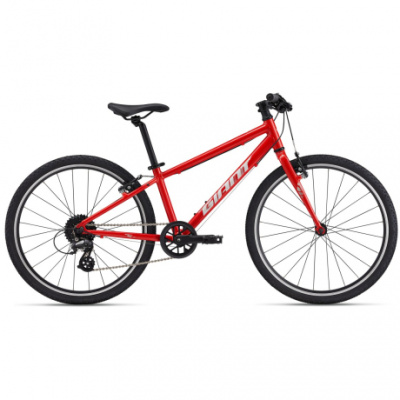
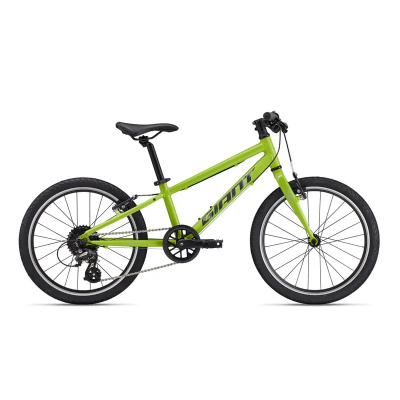
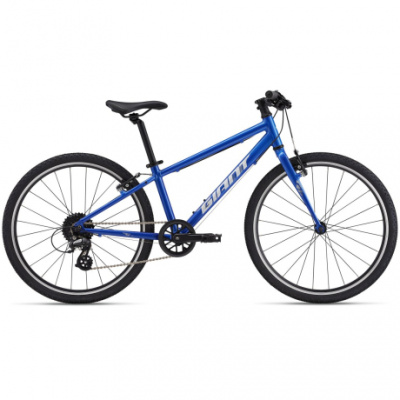
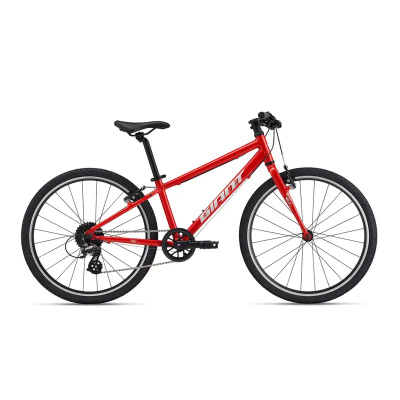
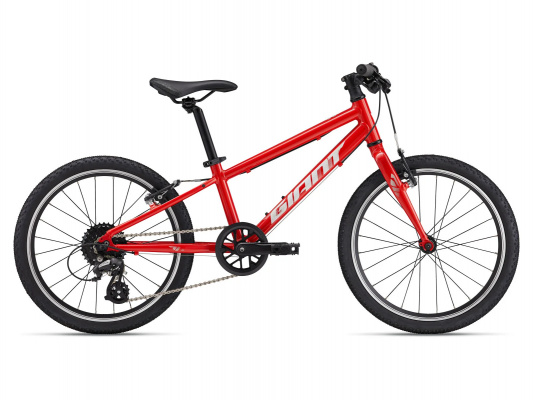
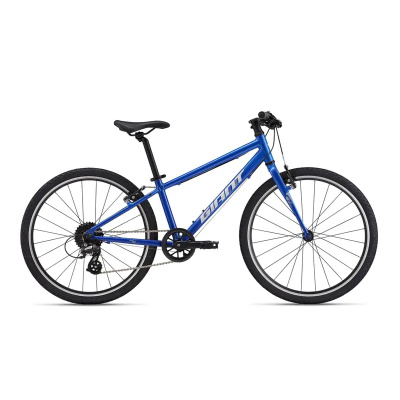
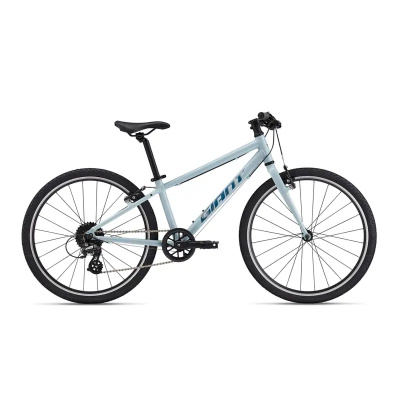
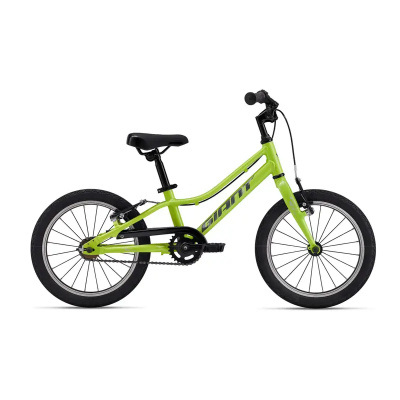
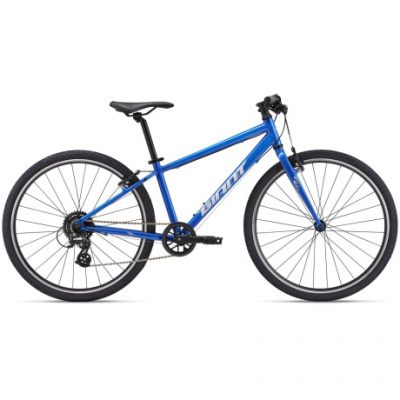
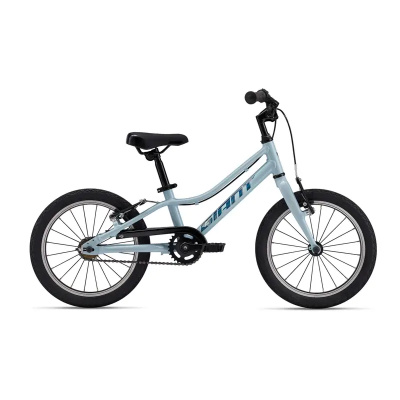
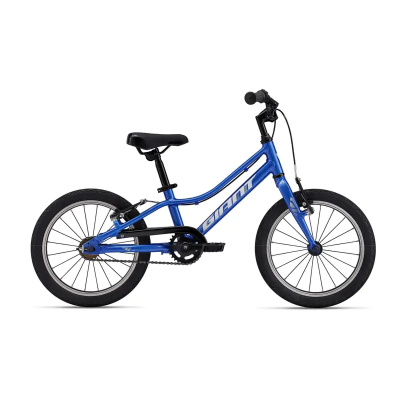
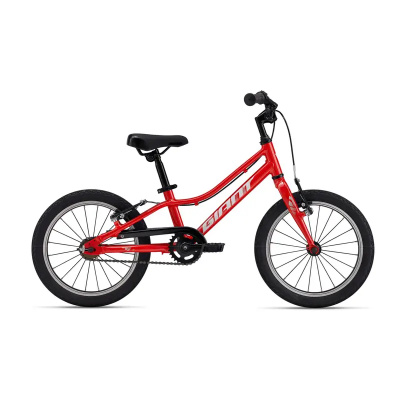
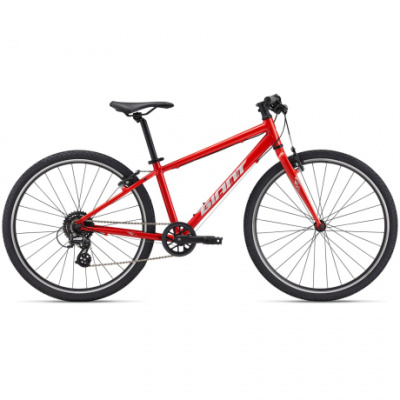
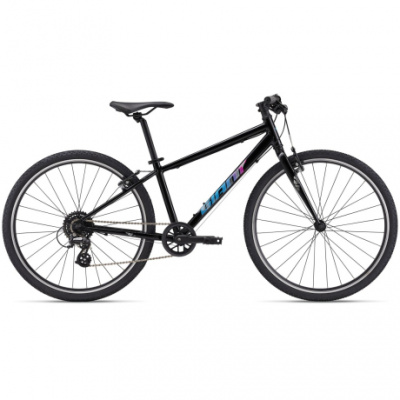
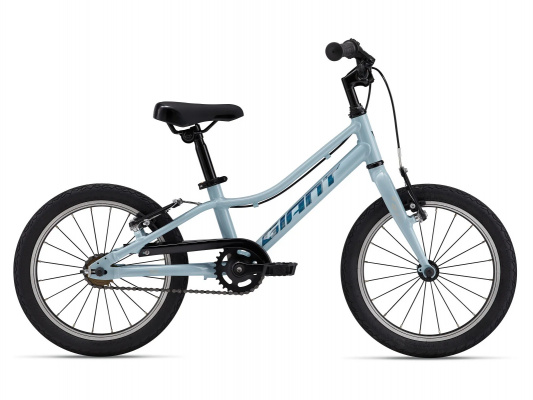
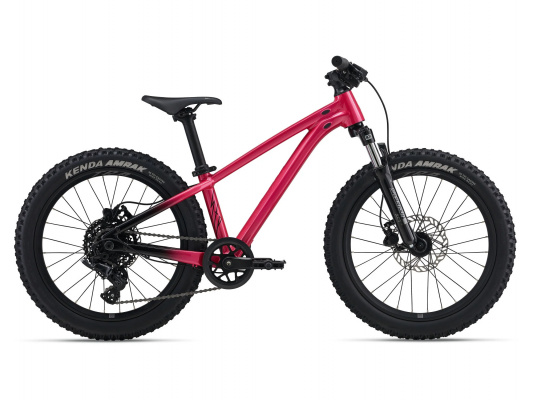
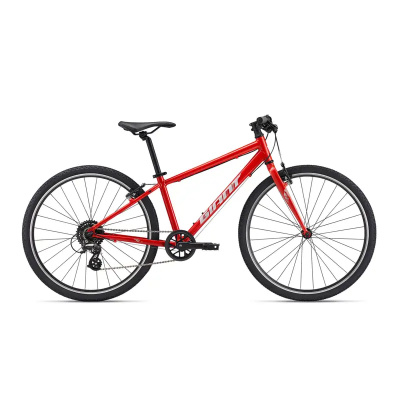
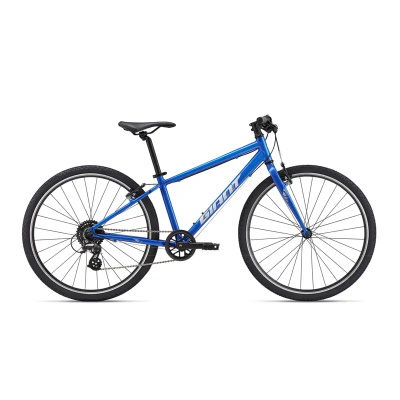
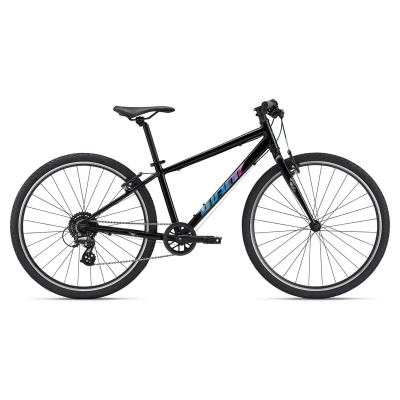
The range covers a lot of ground. The Giant ARX sits at the lighter, all-round end - rigid forks, clean geometry, school run to weekend bridleway without complaint. Step up to the Giant Talon Jr or Giant XTC Jr and you're into front-suspension territory, aimed at kids who want to follow you onto proper trails. Child-specific geometry runs through all of it: proportional standover height, shorter cranks, and a narrower Q-factor that suits smaller hips and stops younger riders pedalling like they're straddling a barrel. Compare UK prices across the full Giant children's bicycles range below.
Prices and availability can change quickly. Delivery charges are not always included in listed prices.
Final price, stock status and delivery terms are set by retailer. We may receive a commission on purchases made.
Decoding the Giant Kids Lineup
The ARX range is where most families start, and rightly so. Built around an ALUXX aluminium frame and rigid fork, it covers wheel sizes from 16-inch through to 24-inch, making it relevant from around age four up to early teens. It's quick, light, and honest - no suspension to add weight or complexity, just a well-sorted bike that works as well on the school run as it does on a packed-gravel family trail. If your child is already keen and confident, look hard at the ARX before defaulting to something more aggressive.
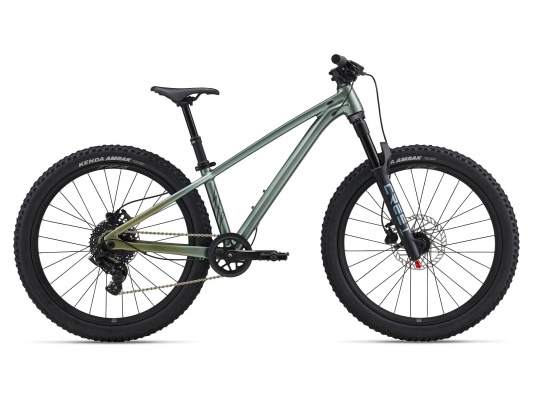
The Giant Talon Jr brings a coil-sprung front fork into the picture and chunkier rubber, aimed squarely at kids who want to tackle rougher ground. It's the junior version of one of Giant's most popular adult trail bikes, scaled properly rather than just shrunk. The Giant XTC Jr nudges further into cross-country performance - lighter overall, a slightly more assertive riding position, and better suited to a child who's already logging real trail miles. Both are worth considering alongside Cube kids bikes if you're weighing up suspension options at this level.
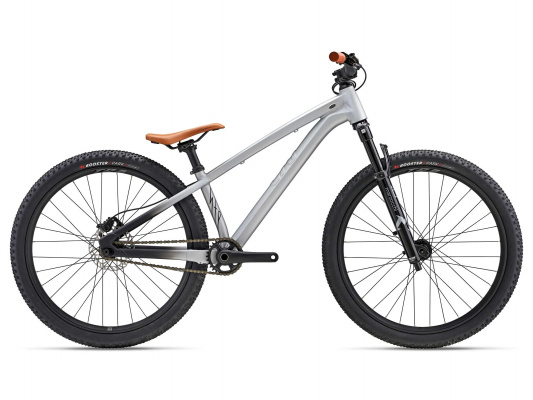
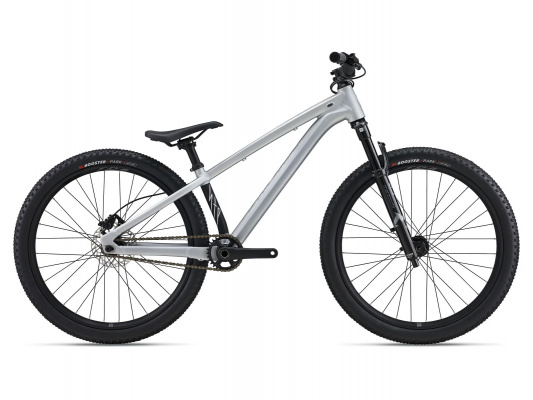
Giant also produces the Giant STP Jr for kids drawn to dirt jump and street riding - a burly, slack-geometry machine that takes punishment well. And if you're not yet at the pedal stage, Giant's pre-pedal range (including the Giant Pre balance bike) covers the very first steps. We've got a dedicated balance bikes category with full comparisons - worth checking before committing here.
The Giant Tech Philosophy: Built for Smaller Riders
The headline spec across the Giant kids range is the ALUXX-Grade aluminium frame construction. High-tensile steel - still common on cheaper kids' bikes - is heavier and harder to shape precisely. ALUXX alloy lets Giant engineer more complex tube profiles at lower weight, which is why an ARX feels noticeably more sprightly than a same-priced steel rival when a child gets out of the saddle on a short climb. It also doesn't rust, which is worth factoring in if your garage doubles as a muddy bike store through winter.
Q-factor is something most parents have never heard of, but it's one of the details that separates a properly designed kids' bike from a scaled-down adult one. Q-factor is the horizontal distance between the pedals - too wide, and a child with narrower hips ends up pedalling with their knees splayed out, which is inefficient and can cause discomfort over time. Giant's youth-specific bottom bracket dimensions keep the pedal stance narrow enough to match a child's actual anatomy. It sounds like a small thing. On a longer ride, it isn't.
Short-reach brake levers are another non-negotiable. Standard adult levers need a decent hand-span to generate firm braking - something most kids simply don't have. Giant fits levers proportioned for smaller hands, so a child can actually pull the brake to a useful stopping force without cramming their fingers in at an angle. Paired with proportional crank lengths (shorter cranks = less leverage loss, better cadence for shorter legs), it adds up to a bike that genuinely responds to a child rather than fighting them. You'll find similar thinking in Frog kids bikes, which take child-specific geometry equally seriously and are worth a direct comparison if fit is your priority.
Optimised standover height completes the picture. Giant designs each frame so that a child of the appropriate height can get both feet flat on the floor comfortably - not on tiptoe, not with a huge gap. That confidence at a standstill translates directly into willingness to push further on the bike.
Living with a Giant Kids Bike in the UK
Sizing is where parents most often go wrong. Buying a bike a child will "grow into" sounds economical but usually means twelve months of poor handling, reduced confidence, and a kid who decides cycling isn't for them. Check Giant's size chart against your child's current height, not their age, and prioritise a proper standover clearance now. A 20-inch wheel bike fits a different height range than you might expect - always verify before ordering.
British winters are hard on kids' bikes. Wet, gritty school runs and muddy weekend trails will work through cable-operated V-brakes faster than you'd like. A quick rinse after mucky rides and a drop of cable lube every few weeks keeps the braking feel consistent and stops levers going spongy. The Giant Talon Jr has enough mud clearance to cope with proper British winter trails without packing solid, but it's worth checking the fork lowers for stone chips and giving them an occasional wipe-down. Sealed bearings in the hubs and bottom bracket resist the worst of the damp, but they're not invincible - a periodic check is good habit to build alongside your child's growing maintenance awareness.
Accessories matter more than they often get credit for. A Giant kickstand stops the bike from falling over every time it's propped against a wall - small thing, big quality-of-life improvement for kids. Fit Giant mudguards if the bike is doing school runs through autumn and winter, and swap to a fresh pair of Giant grips when the originals start to feel slick - worn grips on a wet handlebar are a genuine handling liability. Keep a spare Giant inner tube in the right size at home; kids are reliably better at finding glass than adults. If you're also weighing up value-focused alternatives, Carrera kids bikes are worth a look at the more accessible end of the budget range, though the frame weight difference is noticeable.
Giant Kids Bikes FAQs
Are Giant kids bikes good quality?
Yes, genuinely. Giant uses the same ALUXX-Grade aluminium for their youth range as they do for performance adult bikes - it's light, strong, and rust-resistant. Add in child-specific geometry, short-reach brake levers, and proportional components, and you've got bikes that are engineered for smaller riders rather than just assembled cheaply for them.
What size Giant bike does my child need?
Go by height, not age - age guides are approximate at best. Giant offers 16-inch, 20-inch, 24-inch, and 26-inch wheel options to cover most of the growth curve. The key check: can your child get both feet flat on the ground with the bike between their legs? If they're on tiptoe, the bike is too big for now.
Are Giant ARX bikes lightweight?
The ARX is one of the lighter kids' bikes available at its price points, thanks to the ALUXX aluminium frame and rigid fork. Lighter bikes are easier to accelerate, easier to steer, and far less demoralising to push uphill. For a child still building strength and confidence, that weight saving makes a real, tangible difference on anything other than flat tarmac.