
Bell. Full Face Helmets
Bell full face helmets have shaped mountain bike protection since the brand crossed over from motorsport, and the current lineup shows exactly why riders keep coming back. Whether you're lapping a bike park in the Tweed Valley or committing to a chunky enduro stage in the Brecon Beacons, there's a Bell lid configured for the job.
What makes Bell genuinely different is the removable chin bar. Snap it off for the slog up a fire road, clip it back on before the descent - two clicks and you're done. That flexibility matters on UK rides where you can be sweating through a humid woodland climb one minute and dropping into a rock garden the next. The Bell MTB full face helmet range covers everything from race-weight enduro shells to full DH certified downhill armour, so you're not compromising protection to chase comfort, or vice versa.
Underneath the shells you'll find MIPS Spherical technology across key models - a ball-and-socket liner construction that redirects rotational forces in a crash rather than transferring them directly to your head. Pair that with the Float Fit retention system and a Fidlock buckle, and you've got a helmet that fits properly and stays put. Protection you can trust, ventilation that actually works, and fit systems designed for real-world use.
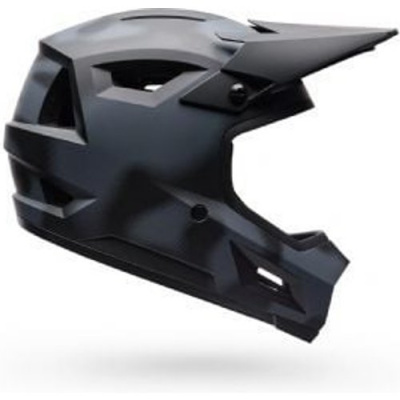
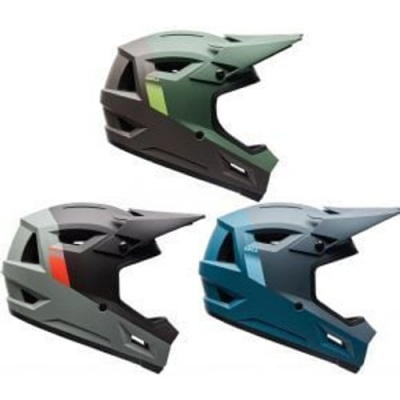
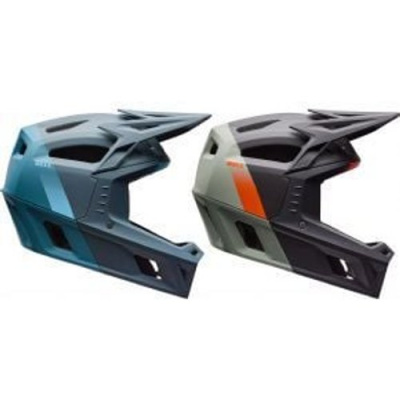
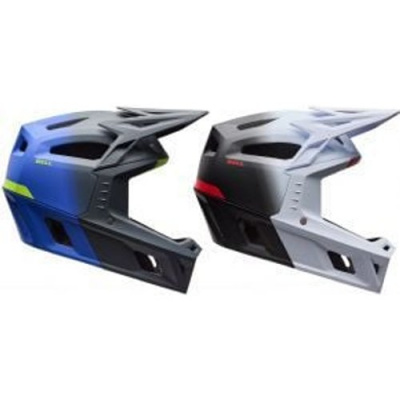
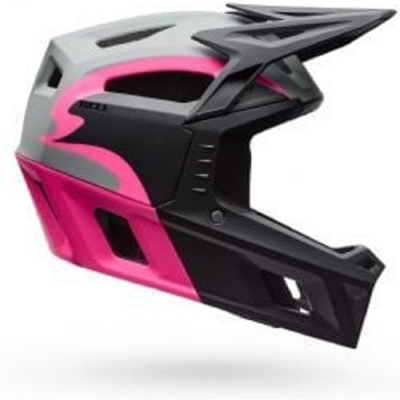
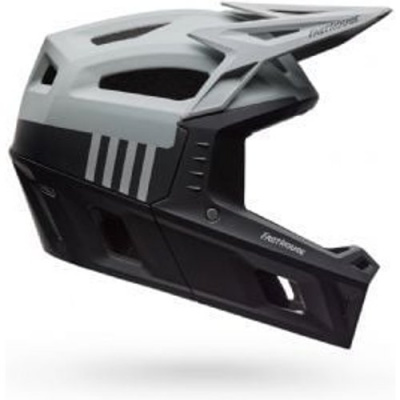
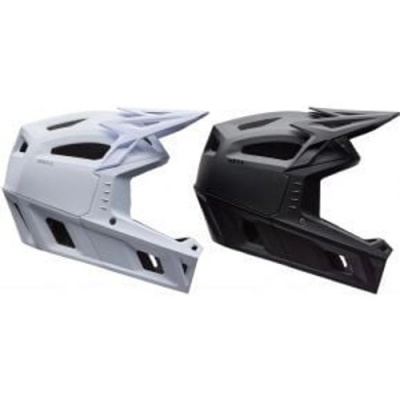
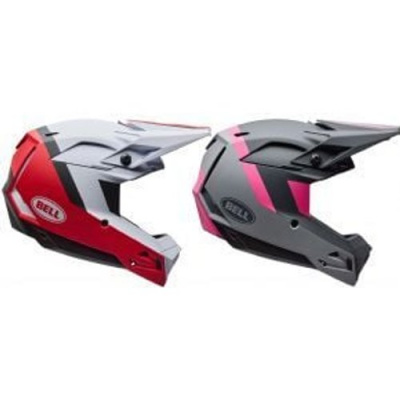
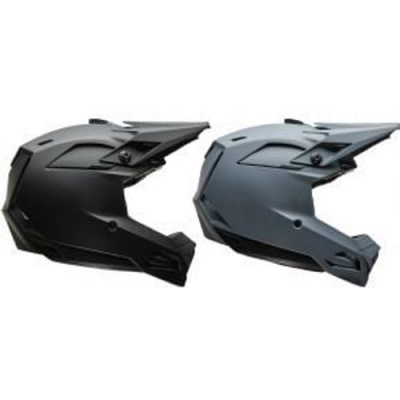
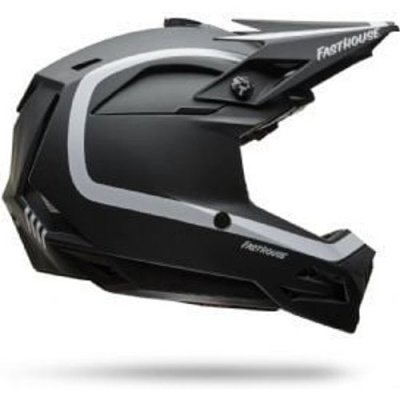
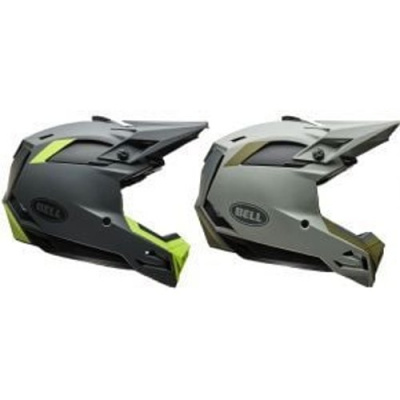
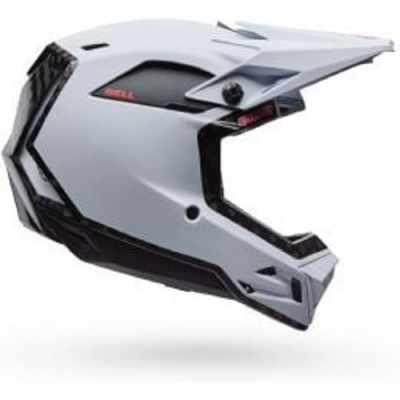
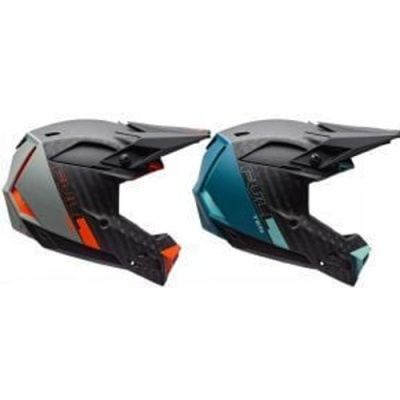
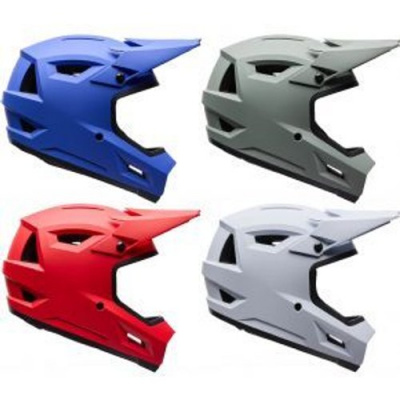
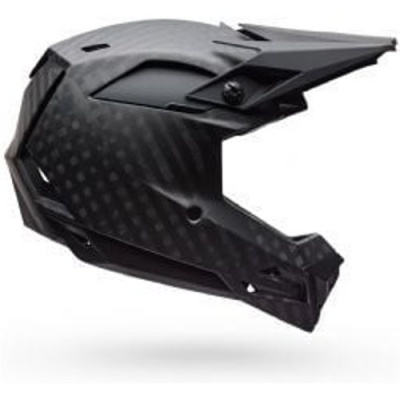
Prices and availability can change quickly. Delivery charges are not always included in listed prices.
Final price, stock status and delivery terms are set by retailer. We may receive a commission on purchases made.
Protection Tech and Ventilation: What Happens When You Hit the Ground
Bell's safety story starts with MIPS Spherical - and it's worth understanding what that actually does. Unlike a standard MIPS slip liner, the Spherical system builds two separate EPS foam layers that rotate against each other like a ball in a socket. In an angled impact, that movement absorbs rotational energy before it reaches your brain. It's a more integrated solution than a loose liner, and you won't notice it sitting on your head - only a crash would tell you it's there.
For bike park days and proper downhill use, ASTM F1952 certification is the standard that counts. It tests helmets against harder, higher-speed impacts than trail or enduro ratings, so if you're riding chairlift-accessed trails or racing DH, check that your chosen Bell model carries that cert. Not every Bell full face is DH rated - the Bell helmets range spans trail through to race-spec, so knowing which tier you need matters.
Ventilation is where Bell puts real engineering effort. The Overbrow Ventilation system pulls cool air in through ports above the brow and channels it through internal pathways across the EPS foam, pushing warm air out the rear. On a muggy August ride through dense Welsh forestry, that airflow is the difference between a clear goggle lens and one that fogs the moment you stop pedalling. The channelling also reduces heat build-up during sustained climbs - useful when you're grinding uphill in your lid rather than stuffing it in your pack.
The polycarbonate shell on mid-range models keeps weight down without sacrificing the impact resistance you need. Higher-end variants use composite layups for a better strength-to-weight ratio. Either way, the EPS foam liner does the real energy-absorption work - and Bell's multi-density foam tuning means different zones of the helmet respond to different impact severities.
Breaking Down the Bell Full Face Range
The two models most riders are weighing up are the Super DH and the Super Air R, and they serve genuinely different purposes despite sharing Bell's removable chin bar DNA.
The Super DH is the heavier, burlier option - DH certified to ASTM F1952, built for bike park laps and gravity racing where you want maximum protection and aren't fussed about carrying a few extra grams uphill. It's the lid you reach for when the run is steep, loamy, and unforgiving. Think Fort William race weekend or a full day at Bike Park Wales on the red and black runs.
The Super Air R goes the other direction. It's a lightweight full face helmet Bell offers for all-mountain and enduro riding - noticeably lighter in hand, with more aggressive ventilation for longer days in the saddle. The MIPS Spherical liner features here, and the chin bar still pops off with that same 2-click mechanism. If you're doing a proper enduro loop with 2,000m of climbing and you need a full face for the timed stages, the Super Air R is the one. You'd feel the weight difference of the Super DH by the third climb.
The Bell enduro helmet removable chin bar system is the same across both models - two attachment points, a satisfying click to confirm engagement, and enough retention that it won't flex under impact. It's simple enough to operate with gloves on, which matters when you're standing at the top of a descent in November rain.
Looking for youth-specific sizing for the bike park? Check out our dedicated Bell Kids Helmets collection.
If you're comparing Bell against the wider market, Fox full face helmets and Troy Lee Designs full face helmets sit in the same bracket - strong competition, particularly TLD's D4 for weight-conscious riders. Giro full face helmets and MET full face helmets are worth a look too, especially if fit shape is a factor - head shapes vary, and trying multiple brands is always worthwhile before committing.
Fit, Goggle Compatibility, and Keeping Your Lid Fresh
Getting the fit right is straightforward with Bell's Float Fit system. The rear cradle micro-adjusts around your head, and the Fidlock buckle fastens magnetically - one-handed, even with wet or muddy winter gloves on. That's not a small thing when you're fumbling in the car park at 7am on a dark December morning. Measure your head circumference just above the eyebrows before ordering, and cross-reference it with Bell's size chart. The Float Fit does allow for fine-tuning across a range, but you still need to be in the right shell size to start with.
Bell full face helmets are designed with goggle integration in mind. The brow port geometry accepts most standard MTB goggle frames without creating pressure points or gaps, and the adjustable visor can be angled to stow your goggles on the climb - tip them up under the visor rather than pulling them off entirely. It keeps them secure and stops the strap catching on branches. On the descent, flip the visor back down and you're set.
Goggle-to-helmet fit can vary by brand, so if you're running a specific goggle you're attached to, it's worth checking compatibility. Most major MTB goggle brands work well with Bell's geometry, but outboard-frame designs occasionally create a gap at the nose.
On maintenance: the X-Static anti-microbial padding is removable and washable, which is the single most useful feature for anyone riding through a UK winter. Pull the pads out after a muddy session, hand wash them in mild soapy water, and leave them to air dry flat - don't wring them out or stick them near a radiator, or they'll lose their shape. Doing this every few rides keeps the anti-microbial properties working and stops your helmet smelling like a wet Border terrier. The X-Static fibres are woven into the pad material itself, so washing won't strip the treatment out.
Check the shell and EPS liner visually after any significant impact. EPS foam doesn't show damage externally - if you've had a hard hit, the liner may be compromised even if the shell looks intact. Bell recommends replacement after any serious crash, and that advice is worth taking seriously.
Bell. Full Face Helmets FAQs
Are Bell full face helmets true to size?
Generally, yes - Bell's sizing tracks closely to their published head circumference charts. The Float Fit retention system gives you room for fine adjustment once you're in the right shell size, but always measure around your head just above the eyebrows before selecting. Don't guess based on a previous helmet from a different brand.
What is the difference between the Bell Super DH and Super Air R?
The Super DH carries full ASTM F1952 downhill certification and is built for bike park and gravity racing use - it's heavier but offers maximum impact protection. The Super Air R is significantly lighter, aimed at enduro and all-mountain riding, with better ventilation for longer days. Both feature the 2-click removable chin bar and MIPS Spherical technology.
Can you wash the pads in a Bell full face helmet?
Yes. The X-Static anti-microbial pads pull out easily and can be hand washed in mild soapy water. Air dry them flat - avoid wringing or applying heat, as both will distort the foam. Washing regularly keeps the anti-microbial treatment effective and your helmet smelling considerably better after muddy UK rides.