
Bell. Helmets
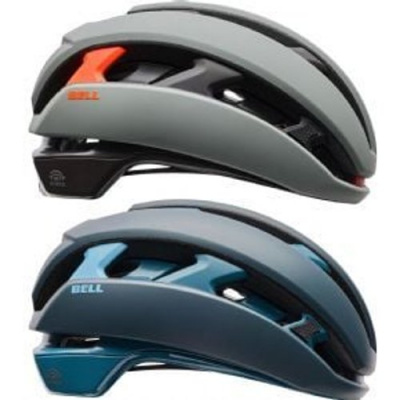
Bell cycling helmets have been at the sharp end of head protection since the brand's earliest days in motorsport, and that obsession with impact management has transferred directly into their bicycle range. Whether you're threading city traffic on a damp Tuesday commute, grinding up a long tarmac drag in the Peaks, or threading singletrack somewhere boggy and brilliant, Bell brings serious safety credentials to every lid they make.
The headline tech is Spherical Technology, Bell's ball-and-socket construction powered by MIPS that allows the outer and inner shells to rotate independently on impact - redirecting rotational forces away from your head rather than letting them transfer straight through. Paired with the Float Fit system's over-moulded rubber dial, you get a fit you can micro-adjust on the move, even with gloves on. Overbrow ventilation keeps airflow moving during slow, humid British summer climbs where lesser lids turn into saunas, and the Sweat Guide pad design actively wicks moisture away from your brow so a sudden downpour doesn't smear your lenses mid-descent.
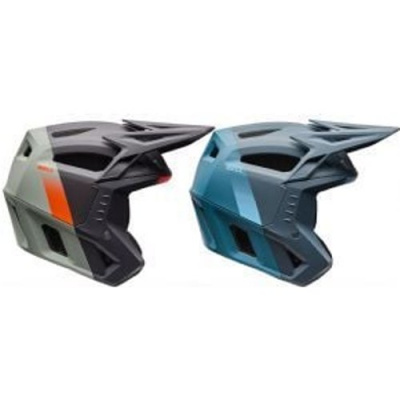
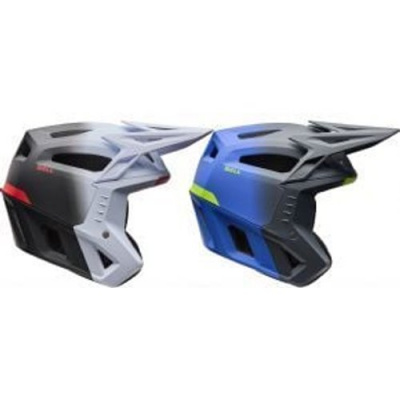
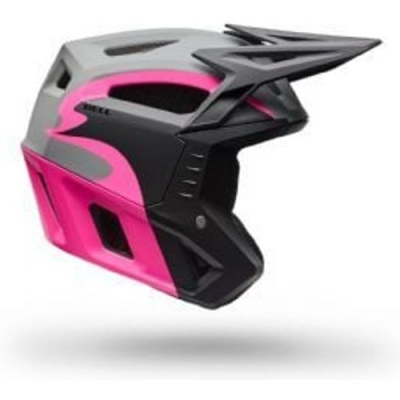
If you need gravity-focused protection, head over to our Bell Full Face Helmets collection. For younger riders, our Bell Kids Helmets page has dedicated sizing and models.
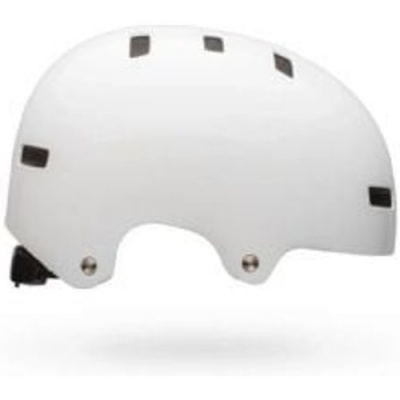
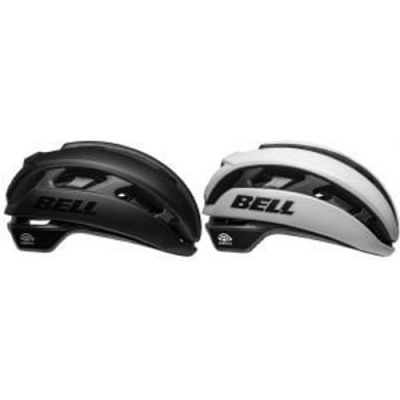
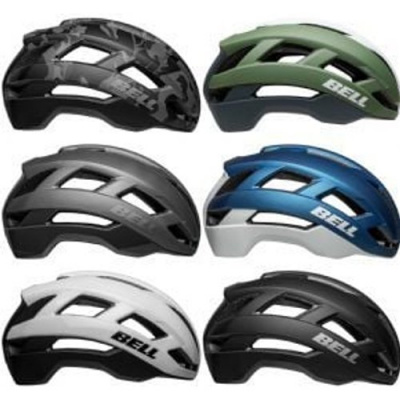
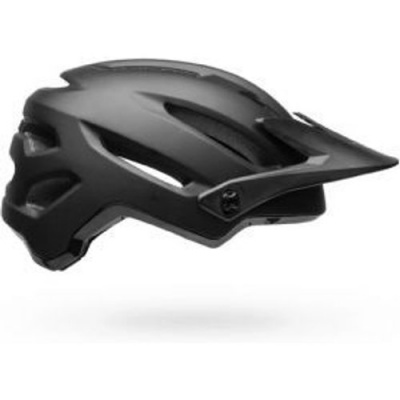
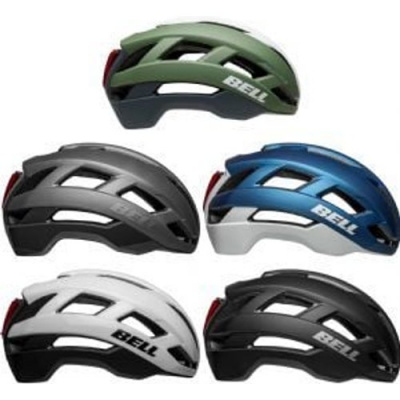
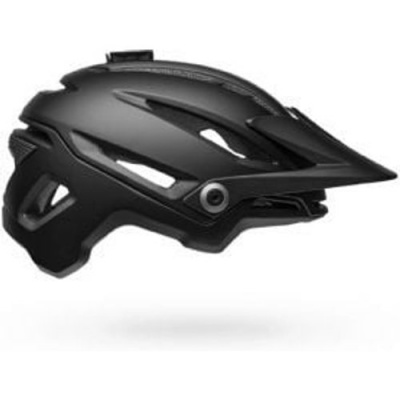
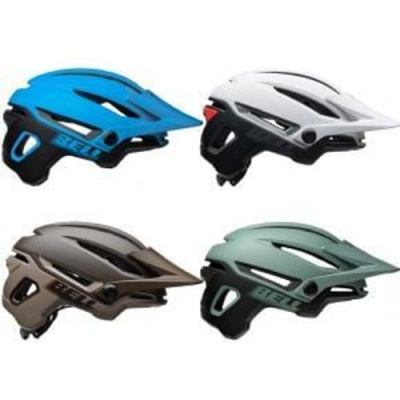
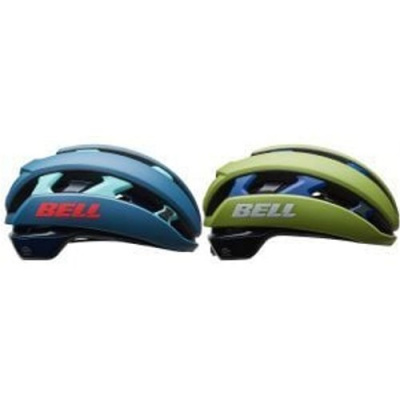

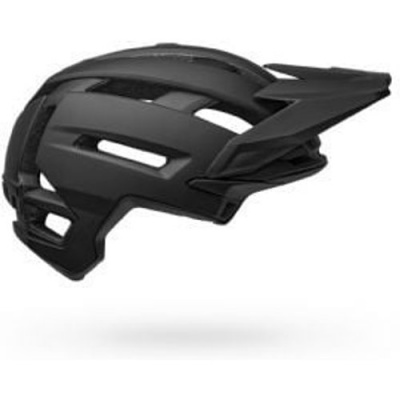
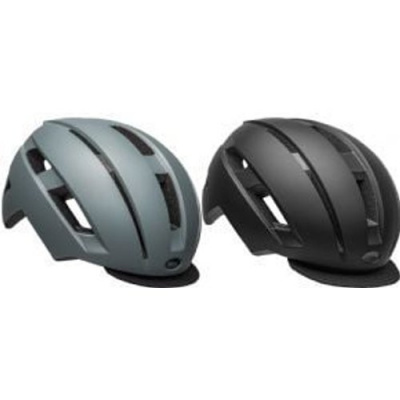
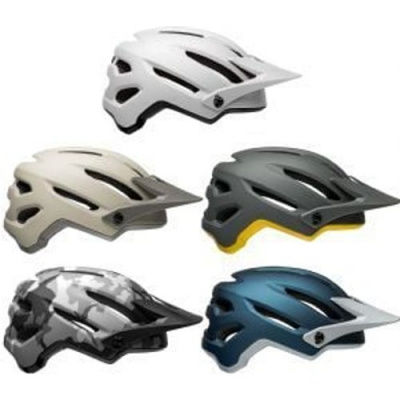
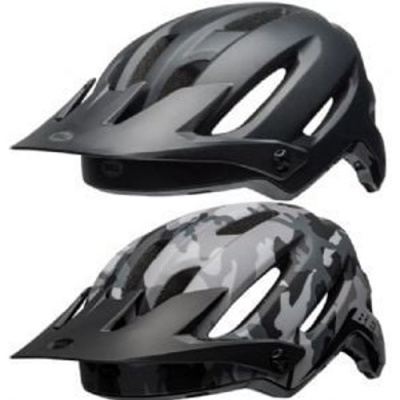
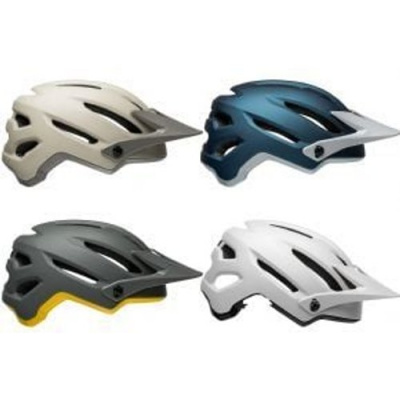
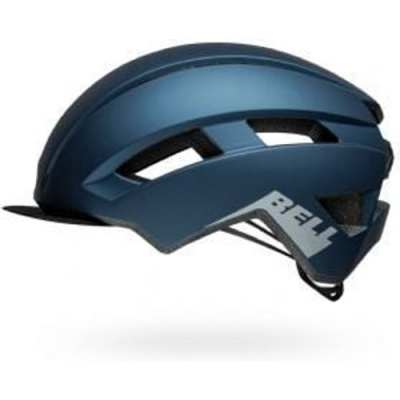
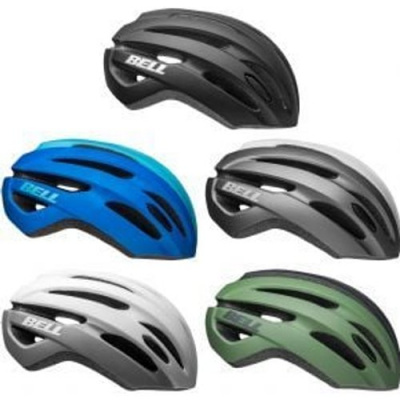
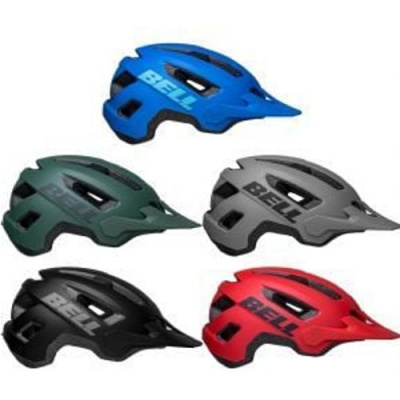
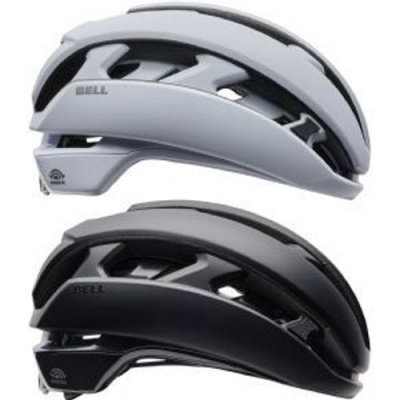
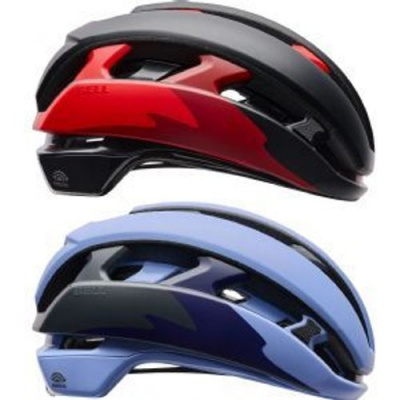
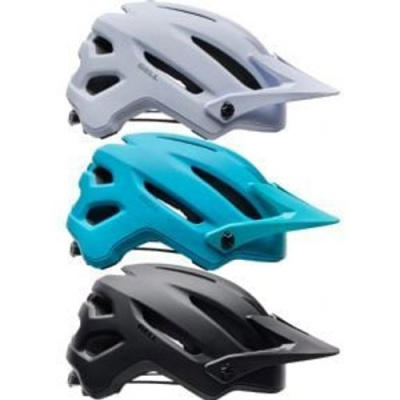
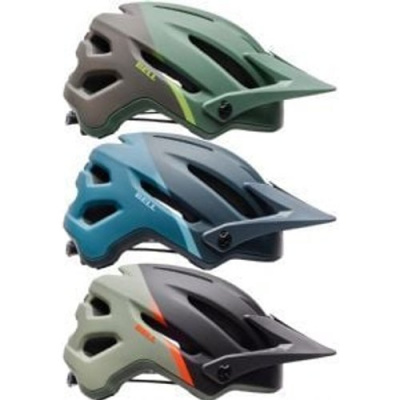
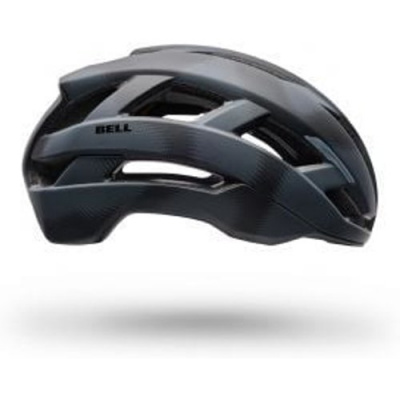
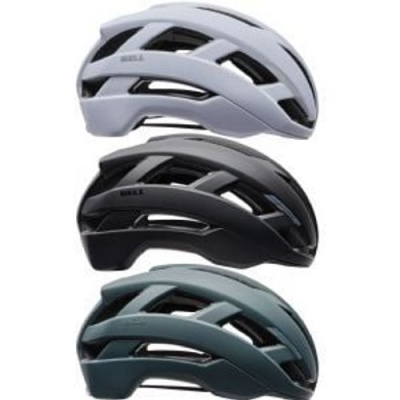
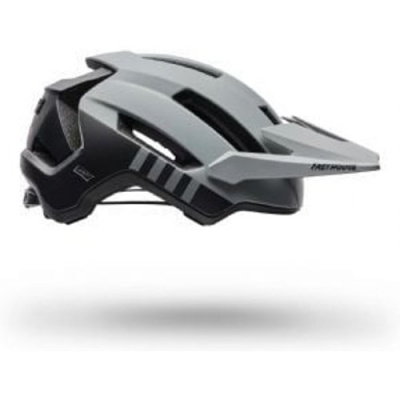
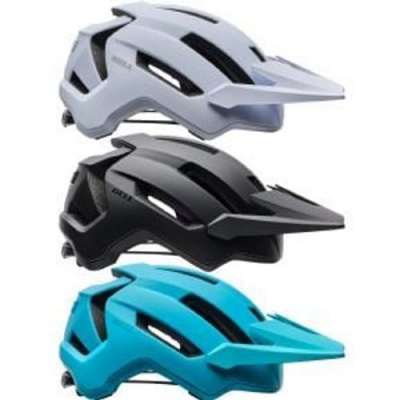
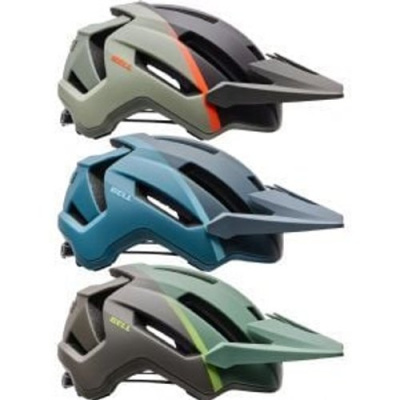
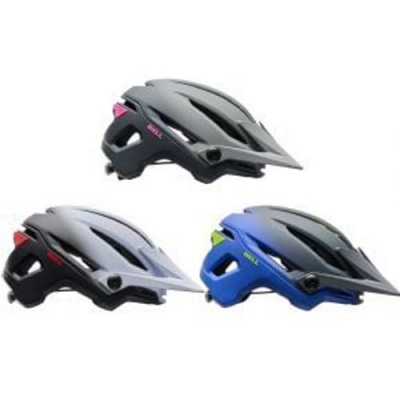
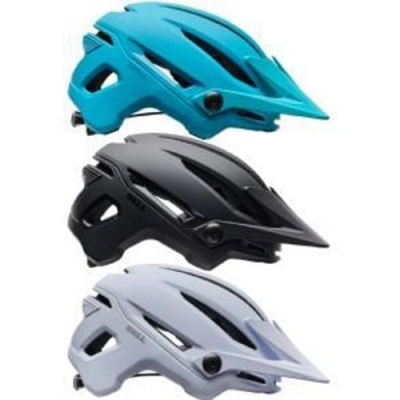
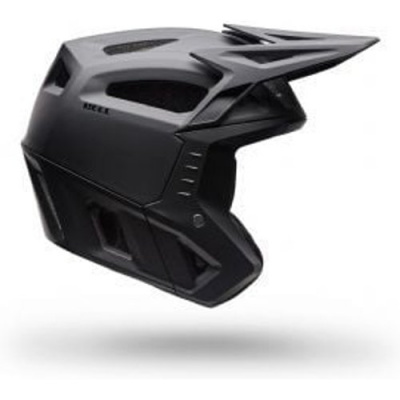
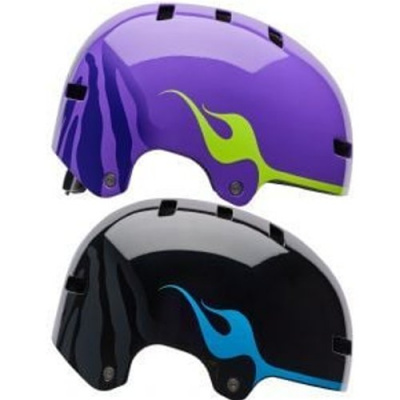
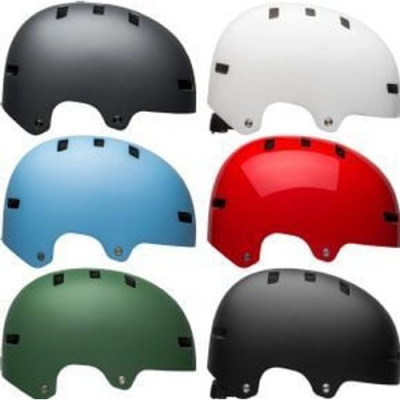
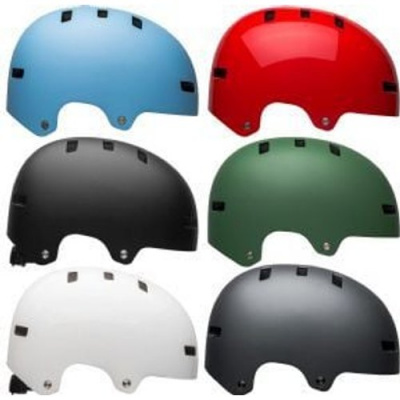
Prices and availability can change quickly. Delivery charges are not always included in listed prices.
Final price, stock status and delivery terms are set by retailer. We may receive a commission on purchases made.
Safety Tech and Ventilation Performance
Most helmet brands bolt MIPS in as a liner and call it done. Bell went further. Spherical Technology integrates the MIPS concept into the helmet's fundamental architecture - a polycarbonate shell built in two independent layers connected by a low-friction interface. During an angled impact, that ball-and-socket relationship lets the outer shell move relative to the inner one, managing the rotational energy that causes the most serious brain injuries. It's a meaningful step beyond a standard MIPS slip plane, and you'll find it across Bell's higher-end road and MTB models.
Ventilation matters more on British roads than marketing copy tends to acknowledge. You're rarely flying downhill fast enough for passive airflow to do the work - more often you're grinding up a wet moorland climb at ten miles per hour with humidity doing its worst. Bell's Overbrow ventilation channels are positioned to pull air across the forehead even at lower speeds, which makes a tangible difference on those long, slow efforts. The EPS foam internal structure is shaped around these channels to maintain rigidity without blocking airflow - it's a harder design problem than it looks.
Then there's the Sweat Guide. The brow pad isn't just a comfort layer - it's engineered to channel moisture laterally, away from the bridge of your nose and your eyewear. Anyone who's had their sunglasses fog and streak mid-descent in a Welsh shower will understand why this matters. It keeps your lenses cleaner for longer without you having to do anything about it.
If you're weighing Bell against alternatives, Giro helmets offer comparable MIPS coverage and are worth a look, while KASK helmets take a different approach to fit and shell construction that suits some head shapes better.
Understanding the Bell Fit and Range
Bell helmets have a slightly oval internal profile - not dramatically so, but noticeably different from rounder European-shaped lids. If you've found Giro fits well, Bell will likely sit comfortably too. If you've always had to crank KASK or Catlike retention systems to their limit, it's worth trying a Bell in person before committing.
The Float Fit system is genuinely well thought-out. The over-moulded rubber dial gives you fine tension adjustment without the stiff, clicky feel of cheaper retention cradles. The cradle itself sits low at the back of the skull, which helps anchor the helmet and prevents that forward-tipping motion you get with poorly designed fit systems on descents. Bell also uses an Ergo Fit variant on some models - a simpler, lighter system aimed at reducing total helmet weight without sacrificing security. Both are adjustable with one hand, which matters when you're stopping at the top of a climb and need to quickly loosen things off.
The road range runs from entry-level commuter lids through to aero-focused helmets for riders who care about watts saved at speed. The MTB side covers cross-country and trail - lighter, more vented, designed for sustained effort rather than sustained impacts. For downhill and enduro riders who need chin bar protection and extended rear coverage, explore our Bell Full Face Helmets. For younger riders, check out our specially sized Bell Kids Helmets. Fox helmets are a strong alternative if you want more MTB-specific options at various price points.
Helmet Care and Riding Through a British Year
One genuinely useful feature of the Float Fit system that doesn't get enough attention: loosen the dial two clicks and a thermal skull cap fits underneath without any pressure points. Useful when you're commuting through a January freeze and can't face the cold ears. Most retention systems force you to choose between a comfortable fit and room for a cap - Bell's cradle design accommodates both without fuss.
On care: helmet straps pick up mud and grime faster than almost any other piece of kit, especially after a wet gravel ride or a spin through anything with clay involved. Remove the straps if they're detachable, or hold them under a running tap and work in a small amount of mild soap with your fingers. Avoid soaking the EPS foam itself - prolonged water exposure degrades it over time. The internal pads are usually press-stud attached and machine-washable on a gentle cycle; replacing them every season or when they stop springing back properly is cheap and extends the helmet's effective life.
Bell offers a crash replacement programme on many of their helmets - worth checking the specific model's documentation. It means a discounted replacement if you bin it within a defined period, which is reassuring given that a damaged EPS foam core doesn't always show visible signs of compromise after an impact.
Store the helmet away from direct sunlight when it's not in use. UV exposure degrades both the polycarbonate shell and the EPS liner faster than most riders expect, which feeds directly into the replacement timeline question.
Bell. Helmets FAQs
How do I know what size Bell helmet to buy?
Wrap a soft tape measure around your head just above your eyebrows and ears - that circumference in centimetres is your starting point. Match it to Bell's sizing chart for the specific model you're considering, because road and MTB helmets can size slightly differently even within the same brand. If you're between sizes, try both before deciding.
Do Bell helmets run small or large?
Bell helmets generally run true to size, with a slightly oval internal shape that suits a wider range of head profiles than some rounder European-cut lids. The Float Fit retention system adds meaningful micro-adjustability, so minor shape differences between your head and the helmet's mould are usually dialled out at the cradle.
How often should I replace my Bell cycling helmet?
Replace it immediately after any crash, even if the shell looks intact - the EPS foam compresses on impact and won't protect you the same way twice. Beyond crashes, plan to replace every three to five years. UV exposure and sweat gradually degrade the EPS liner and polycarbonate shell in ways you can't see from the outside.