
Bell. Kids Helmets
Bell kids bike helmets have a straightforward job: protect young heads without turning every ride into a negotiation. Bell has been engineering helmets at the sharp end of motorsport and cycling for decades, and that safety obsession filters right down to the smallest toddler lid in the range. From the pinch-free buckles that make the morning school run less fraught, to the MIPS-equipped youth helmets built for the kind of angled tumbles that happen when kids are still figuring out corners, every detail is geared around real riding life. The Ergo Fit dial system means you can snug the fit with one hand while your other is stopping the bike rolling away - genuinely useful. High-visibility colourways and reflective decals keep younger riders visible on gloomy UK winter afternoons, and CE EN1078 certification confirms every helmet meets UK and EU safety standards. Whether your child is wobbling around the park on a balance bike or threading singletrack at a trail centre, there's a Bell helmet sized and specced for them. Browse the full range below and use our size filters to match the right lid to your child's head circumference.
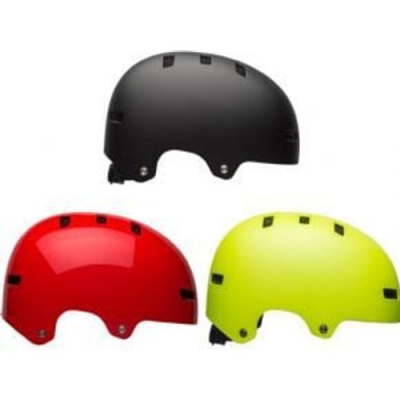
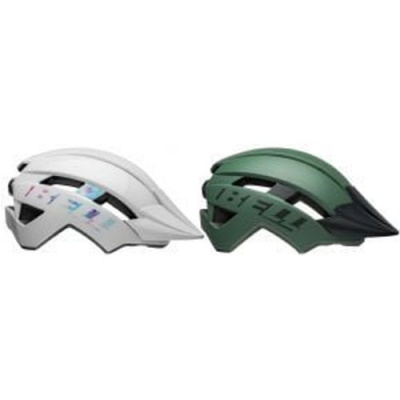
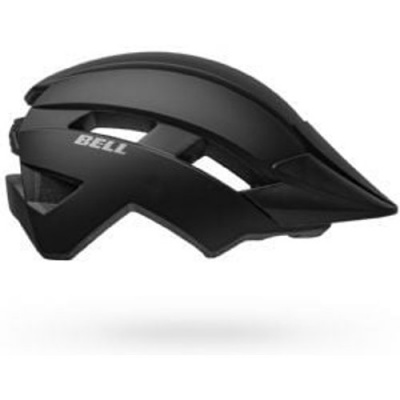
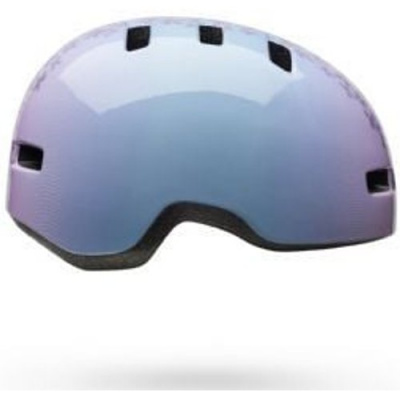
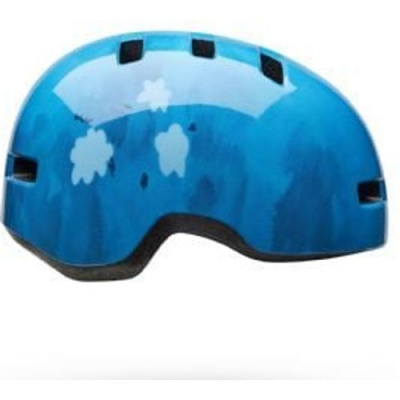
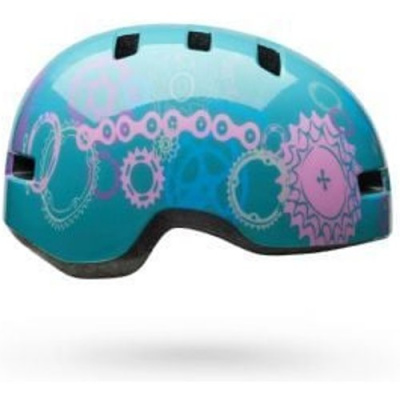
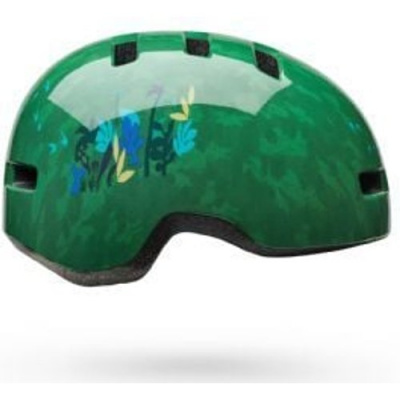
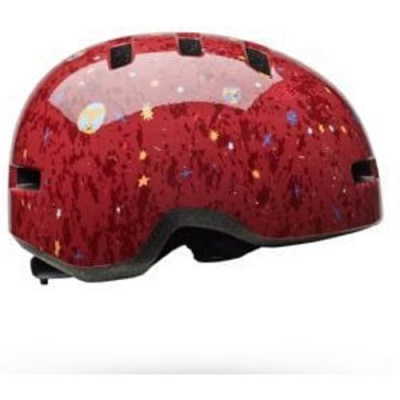
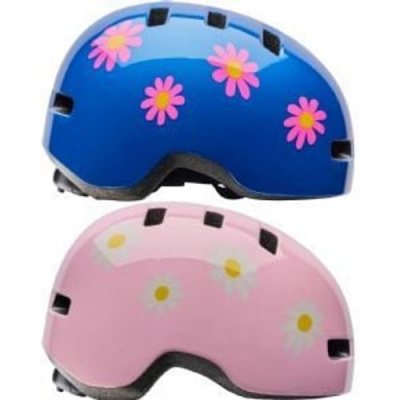
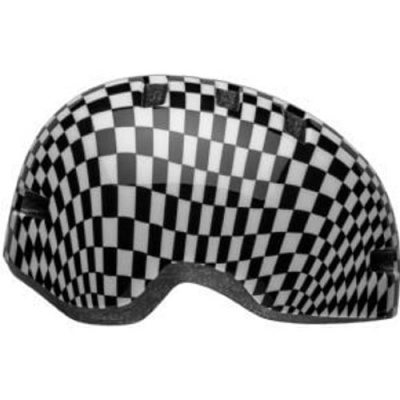
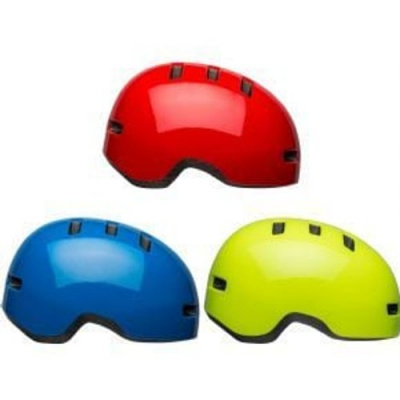
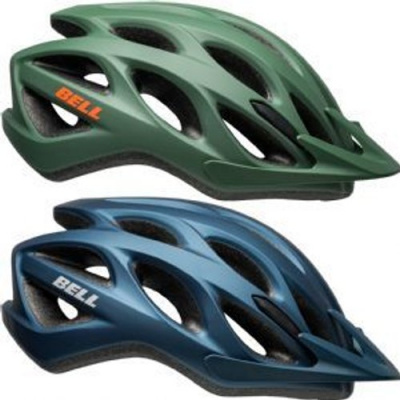
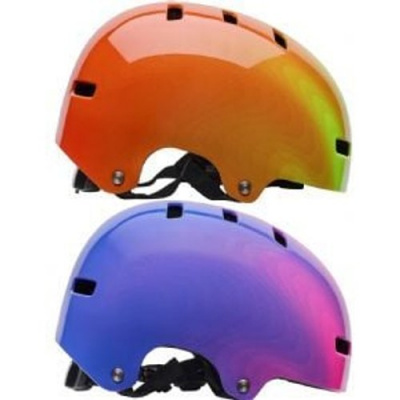
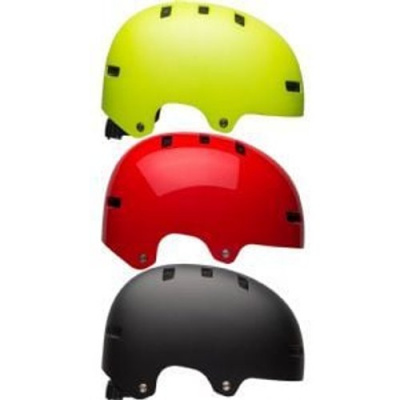
Prices and availability can change quickly. Delivery charges are not always included in listed prices.
Final price, stock status and delivery terms are set by retailer. We may receive a commission on purchases made.
Safety Tech That Does the Heavy Lifting
The foundation of any Bell kids helmet is the in-mold polycarbonate shell, where the outer shell and EPS foam liner are fused during manufacture rather than glued together separately. That process produces a helmet that's noticeably lighter than older two-piece constructions - important when the helmet sits on a small neck for hours. A lighter lid means fewer complaints and, in turn, fewer arguments about wearing it at all.
The EPS liner itself is the primary energy absorber in a straight impact, compressing to spread the force away from the skull. But kids rarely fall straight down. A slip off a kerb, a tumble over the bars on a gravel path - these are angled impacts that generate rotational forces on the brain. That's exactly what MIPS technology addresses. The Multi-Directional Impact Protection System adds a low-friction layer inside the helmet that can rotate a few millimetres independently of the shell on impact, reducing the rotational energy transferred to the head. It's a meaningful addition on youth trail helmets, and worth prioritising if your child rides anywhere other than smooth tarmac.
Every Bell kids helmet in the range carries CE EN1078 certification, which is the relevant standard for pedal cycle helmets sold in the UK and EU. It's not a marketing tick - it's a legal baseline, and Bell meets it across the board.
Finding the Right Bell Helmet for Your Child's Age and Riding
Bell splits the kids range into three broad tiers by head size and riding context, and it's worth knowing where each one sits before you filter by colour.
At the youngest end, the Lil Ripper is designed for toddlers on balance bikes and first pedal bikes - typically head circumferences from around 48cm. The shell profile is rounded and protective, ventilation is moderate (small heads don't generate much heat), and the fit is dialled in via Bell's Ergo Fit system, a rear dial that cinches the retention cradle with one hand. That matters more than it sounds: trying to adjust a fidgety toddler's helmet with two hands while they're mid-escape is its own challenge.
The PinchGuard buckle deserves a specific mention here. Anyone who has caught a small child's chin skin in a standard helmet buckle knows exactly why this feature exists. Bell's PinchGuard design shields the webbing junction so fingers and skin can't get trapped during fastening. It's a small detail that removes a genuine source of distress - for child and parent alike.
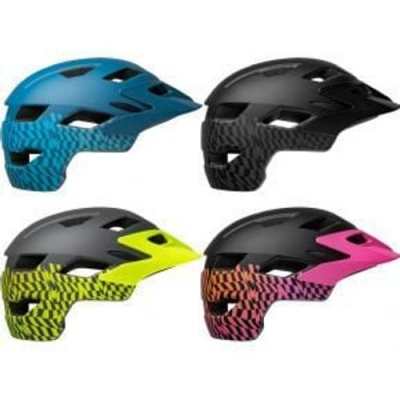
For the child age bracket - roughly school age up to early teens - helmets like the Sidetrack II and Sidetrack II MIPS offer more ventilation channels, visor options for trail use, and MIPS availability. These suit everything from road cycling to light gravel and trail centre riding. The Ergo Fit dial carries through the range, so fit adjustment stays quick and consistent as kids grow.
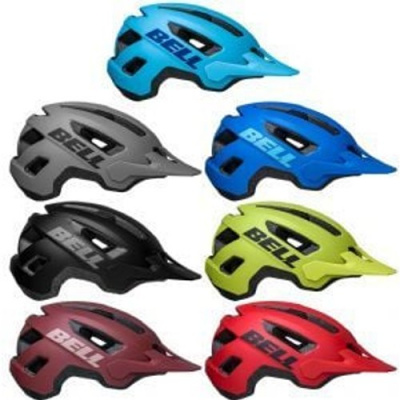
At the youth end, helmets like the Nomad step up in protection depth and coverage for more committed off-road riding. If your child is progressing into aggressive BMX or dedicated downhill, those disciplines call for a full-face helmet - head over to our Bell Full Face Helmets page for that part of the range, where the protection spec is built for higher-consequence falls.
For broader fit comparisons, it's worth knowing that Giro kids helmets tend to suit slightly rounder head shapes, while MET kids helmets often run a touch narrower - useful context if Bell's fit isn't quite clicking for your child's head shape. Lazer kids helmets are another alternative worth a look if you need broader size coverage.
Riding in the UK and Keeping the Helmet in Good Shape
British riding conditions make a couple of features more relevant than they might be elsewhere. The school run in November - low sun, early dusk, damp roads - is where high-visibility colours and reflective decals earn their keep. Bell's brighter colourways aren't just about kids wanting something eye-catching; a helmet that's visible to drivers from 50 metres away is doing protective work before any impact occurs. If the rides are mostly road or path-based, prioritise visibility in your colour choice. It's a practical filter, not just an aesthetic one.
Ventilation matters too. UK summers are humid rather than scorching, and a helmet that traps heat will be pulled off and dangled from a handlebar within minutes. Bell's mid-range and youth helmets carry enough vent channels to keep airflow moving on a sweaty August ride without compromising the structural integrity of the shell - in-mold construction handles that balance well.
On care: the EPS foam liner degrades if you clean it with solvent-based products. Warm water and mild soap on a soft cloth is all you need for the pads and interior. The pads on most Bell kids helmets are removable and hand-washable, which is worth knowing after a muddy trail centre session. Let everything air-dry fully before the next ride - damp pads compress differently and can affect fit.
The replacement question comes up often. The rule is straightforward: any significant impact means the helmet is retired, full stop. EPS foam compresses permanently and won't absorb a second hit the same way, even if the shell looks untouched. Beyond crashes, plan on replacing every three to five years regardless - UV exposure and general material ageing degrade the foam over time, and kids' heads grow anyway. Check the full Bell helmets range when it's time to move up a size.
Bell. Kids Helmets FAQs
How do I measure my child's head for a Bell helmet?
Wrap a soft tape measure around your child's head roughly 2.5cm above the eyebrows - that's the widest point of the skull. Note the circumference in centimetres and match it to Bell's size chart for the specific model. Toddler, child, and youth ranges each have their own size bands, so check the chart for the helmet you're buying rather than going by age alone.
Are Bell kids helmets MIPS equipped?
Some are, not all. Models like the Sidetrack II MIPS include MIPS technology, identifiable by a yellow sticker on the rear of the helmet. MIPS adds a low-friction liner that moves independently on impact to reduce rotational forces. If your child rides off-road or on anything other than smooth paths, it's worth filtering for MIPS-equipped models.
When should I replace my child's Bell bike helmet?
Replace it immediately after any crash, even if the shell looks fine - EPS foam compresses permanently and won't protect the same way twice. Beyond crashes, replace every three to five years as UV exposure and daily wear degrade the materials over time. Growing heads are often the deciding factor anyway; if the dial is maxed out, it's time for the next size up.