
MET Full Face Helmets
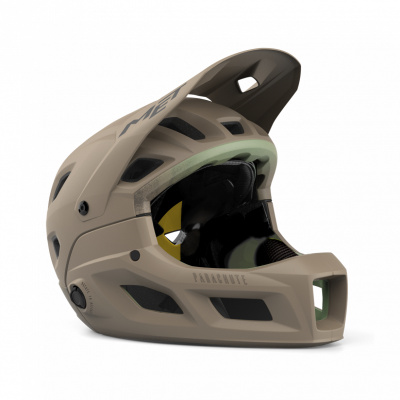
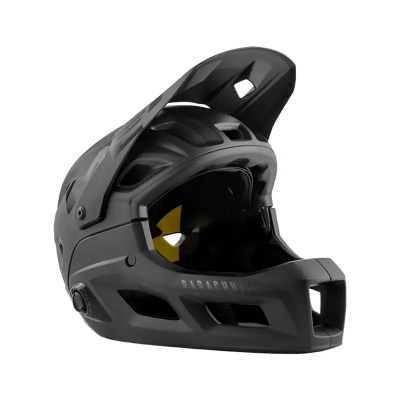
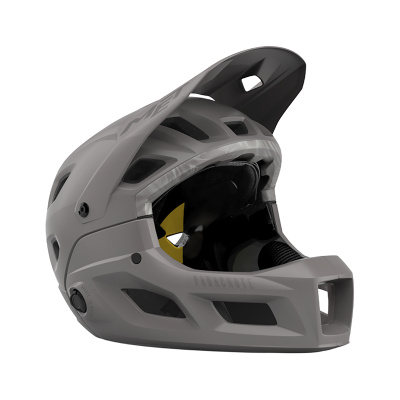
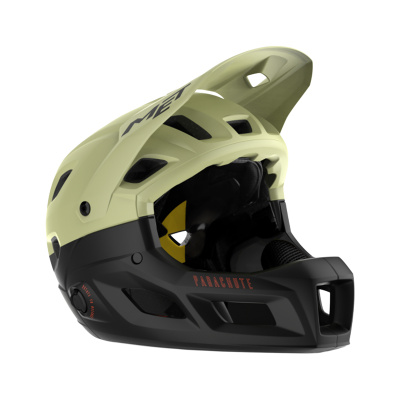
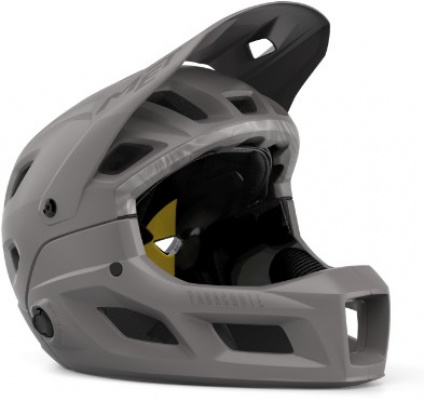
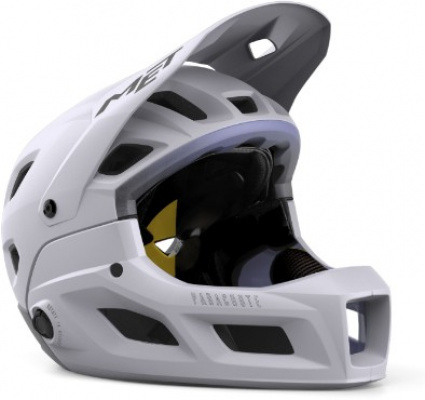
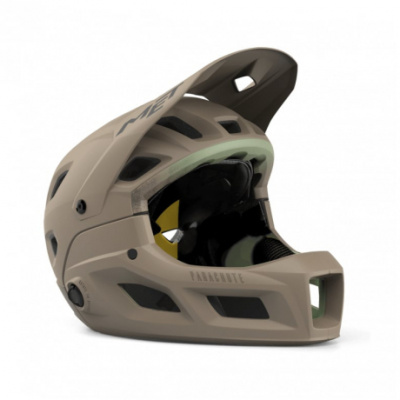
MET full face helmets sit at a genuinely interesting crossroads: Italian engineering rigour applied to helmets that have to perform on everything from Welsh trail centre bike parks to steep, sodden Peak District descents. The range is anchored by the Parachute MCR, a convertible full face that flips the traditional choice between protection and ventilation on its head. You get an ASTM-certified chinbar for the chunky stuff, MIPS technology for rotational impact protection, and a BOA fit system that dials out pressure points without the palaver of fiddling with micro-adjustment rings mid-ride. MET's ventilation channels are cut generously - deliberately so - because overheating on a long, humid fire-road climb before you even reach the descent is its own kind of misery. The Parachute MCR's magnetic chin bar release, developed with closure specialists Fidlock, means you can strip the helmet back to an open-face configuration in seconds, no tools needed. That versatility is exactly what enduro racers and bike park regulars in the UK have been asking for. Whether you're a seasoned Enduro World Series follower who wants what the pros trust, or a weekend trail rider who just wants to stay comfortable and protected, MET's full face lineup is worth a serious look.
Prices and availability can change quickly. Delivery charges are not always included in listed prices.
Final price, stock status and delivery terms are set by retailer. We may receive a commission on purchases made.
Shell Tech and Airflow Where It Counts
MET's full face helmets use an in-mould EPS liner construction - the foam and outer shell are fused rather than glued, keeping weight down without sacrificing the structural integrity you need when a chinbar is doing real work. That ASTM 1952-15 and 2032-15 certification isn't a box-tick; it's the standard that governs downhill racing safety, covering the kind of facial impact that open-face helmets simply aren't built to handle.
MIPS sits inside the liner as a low-friction slip-plane layer. In a rotational impact - the sort you get when you go over the bars at an angle on a rooty Welsh descent - the brain can experience damaging rotational forces even when the helmet itself absorbs the direct hit. MIPS allows the liner to move independently by a few millimetres relative to your head, reducing the rotational energy transferred. It's not a guarantee, but the evidence base behind it is solid and it's why most serious enduro riders now consider it a baseline requirement.
The ventilation channels in MET's full face range are wide and deliberately open at the chinbar - a design choice that pays dividends during those grinding UK climbs where humidity and effort conspire to fog your goggles before you've even reached the top. Warm air needs a clear exit route, and MET's internal channelling pushes it rearward efficiently. If goggle fogging has ever cost you visibility at the wrong moment, you'll understand why this matters more than any marketing claim about aerodynamics.
How the Fit Works and Where the Parachute MCR Fits In
The BOA-FS1 fit system used across MET's full face range is a specific configuration of the well-regarded BOA dial system, tuned for helmets rather than boots or bags. You get micro-adjustability in the rear cradle with a single finger turn - useful when you've pulled a buff on underneath or you're wearing different kit between summer and winter rides. There's no vague click-and-hope with this; you can feel the tension distribute evenly around your skull, and pressure points from an ill-fitting rear cradle become largely a non-issue.
The headline product is the MET Parachute MCR. The MCR system - Magnetic Chinbar Release, built in collaboration with Fidlock - uses magnetic anchors and metal pins to lock and release the chinbar with a single motion. Snap it in for a technical descent, pull it off for the climb. It takes a couple of goes to feel natural, but once it clicks (literally), the concept makes obvious sense for enduro riding where you're constantly balancing protection against overheating. The chinbar itself is ASTM certified, so there's no safety compromise in the convertible design - it's not a lightweight chin guard bolted on as an afterthought.
Looking for everyday trail protection without the chinbar? Explore our full MET Helmets range, or check out our MET Kids Helmets for youth-specific sizing.
If you're weighing up MET against the broader market, Bell full face helmets and Fox full face helmets are the most direct comparisons at similar price points - both strong options, but MET's convertible system and fit precision give it a distinct angle if you're doing mixed-format enduro days rather than pure downhill laps. Troy Lee Designs full face helmets are worth a look too if goggle integration is a priority for you.
Goggle Compatibility and Keeping It Clean After a Proper UK Mudfest
MET full face helmets are designed with wide goggle ports and a flexible visor that sits clear of most standard MTB goggle frames. The strap channel at the rear is cut to take a standard goggle strap without it bunching or riding up - a small thing, but one you notice immediately on a bike park day when you're pulling goggles on and off repeatedly. A misaligned strap channel that pinches the goggle frame is the kind of low-level irritation that makes you dread the next run.
The visor itself has enough adjustment range to clear goggles at different nose heights, and MET's open-port chinbar design means your breath doesn't get funnelled directly onto the inside of your lens. That's the practical fix for goggle fogging that no amount of anti-fog coating can fully solve on its own - you need airflow, and MET's structure provides it.
On the care side: the cheek pads and internal padding in MET full face helmets are fully removable. After a properly grim Scottish winter ride - the kind where the trail is more brown soup than singletrack - you pull the pads out, hand wash them in mild soapy water, and leave them to air dry naturally. Don't put them near a radiator; the foam degrades with direct heat and you'll lose the snug fit that makes the helmet feel planted. Letting them dry slowly preserves both the foam's integrity and the antibacterial treatment in the fabric. Do this every few rides through winter and you'll avoid the slow build-up of grit and bacteria that eventually makes a helmet smell like a changing room floor. The EPS liner itself just needs a wipe down with a damp cloth - no soaking, no harsh cleaners.
MET Full Face Helmets FAQs
Are MET full face helmets true to size?
Generally yes - MET helmets fit true to size, but measure your head circumference before buying rather than guessing from your usual brand. On models with the BOA-FS1 fit system you've got enough micro-adjustment range to fine-tune the fit and eliminate any wobble once it's on.
How does the MET Parachute MCR chin bar work?
MCR stands for Magnetic Chinbar Release, developed with closure specialists Fidlock. Magnetic anchors and metal pins lock the chinbar securely in place for descents, and a single pull releases it so you can convert to an open-face helmet in seconds - no tools, no messing about at the top of a climb.
Can you wash the padding in a MET full face helmet?
Yes. The cheek pads and internal liners pull out easily - hand wash them in mild soapy water and air dry away from direct heat. Do it regularly after muddy rides and the foam holds its shape and the fit stays consistent; skip it and they'll degrade faster than they should.