
MET Helmets
MET Helmets have been shaping what serious head protection looks like since the brand's Italian roots took hold in the pro peloton - and today that same thinking filters down to every rider, from UAE Team Emirates time triallists to enduro racers threading roots on a wet Welsh trail. The range covers road, MTB, and commuting, with a clear throughline: rigorous safety engineering that doesn't ask you to trade away comfort or airflow to get it.
At the core of MET's approach is the pairing of an in-mould polycarbonate shell with a shaped EPS liner - a construction that manages linear impacts efficiently while keeping the helmet light enough that you forget it's there on a long climb. Layer in MIPS technology across much of the mid-to-high-end range and you've got rotational force management built in, not bolted on as an afterthought.
Ventilation is handled through NACA-profiled ports - the same duct geometry borrowed from aerospace - which pull air through internal channels and push heat out without adding aerodynamic drag. That matters when you're grinding up a humid Lakeland pass in August just as much as it does when you're chasing a Strava segment on a crisp Surrey morning. Fit is dialled through MET's own retention systems, and sizing is more precise than most. Get the right lid and it just works.
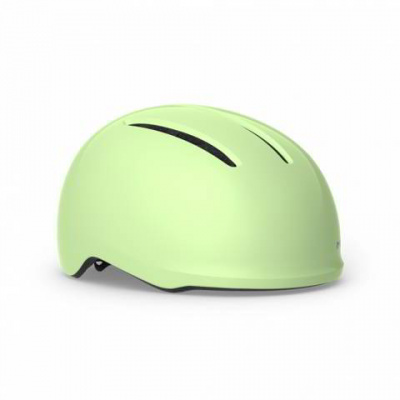
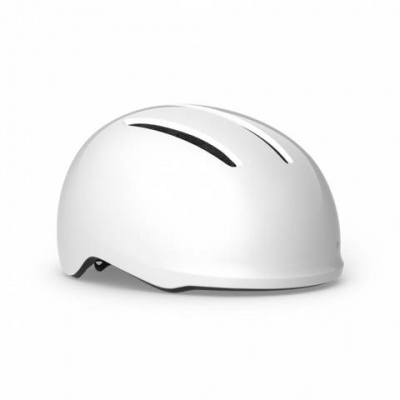
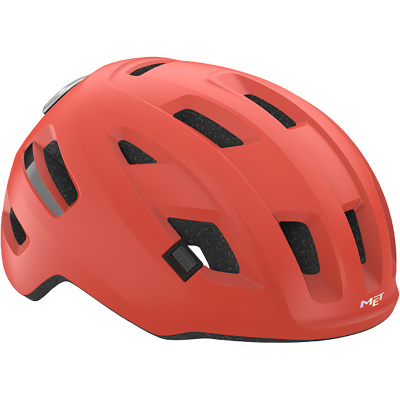
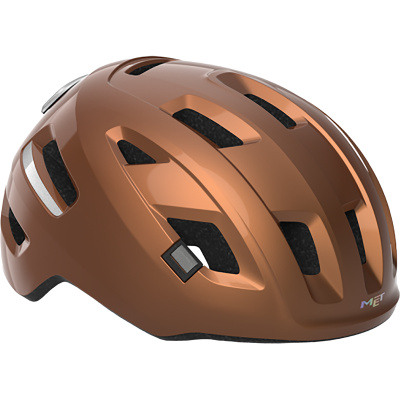
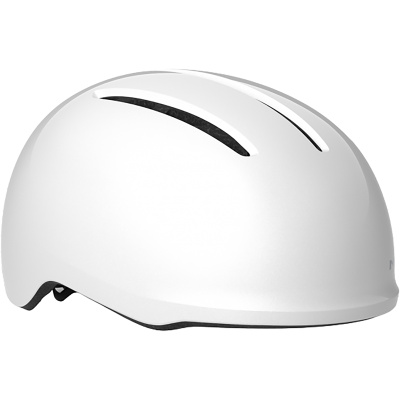
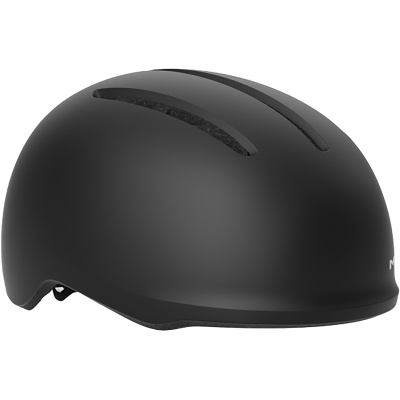
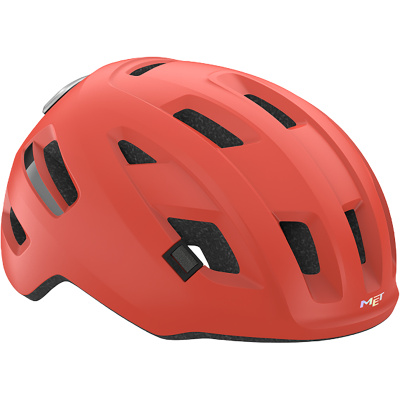
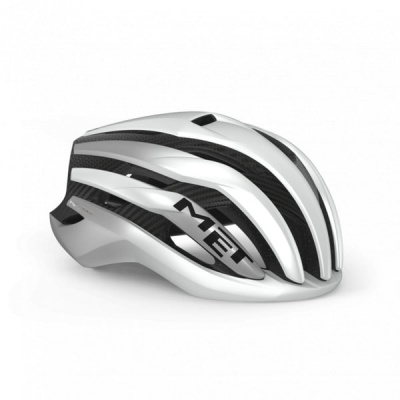
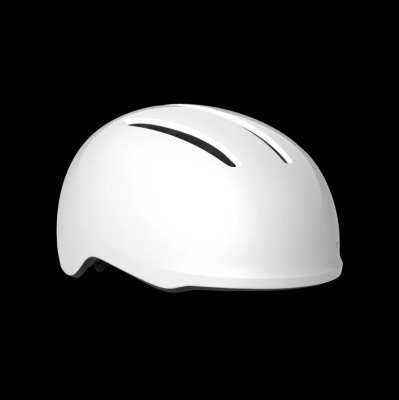
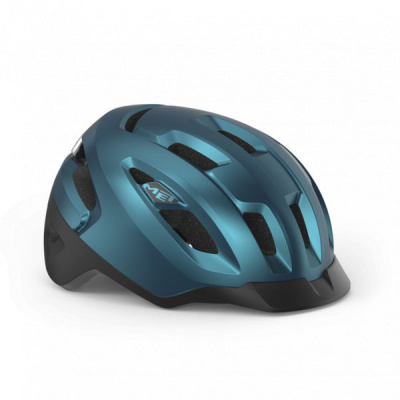
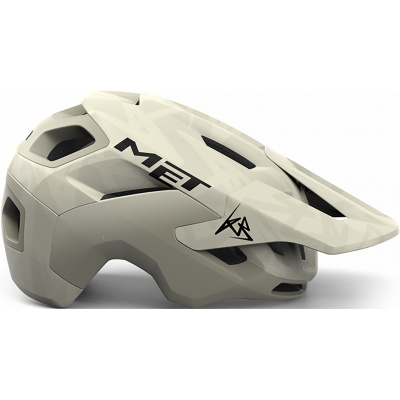
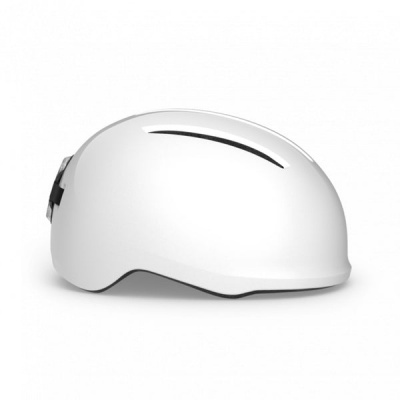
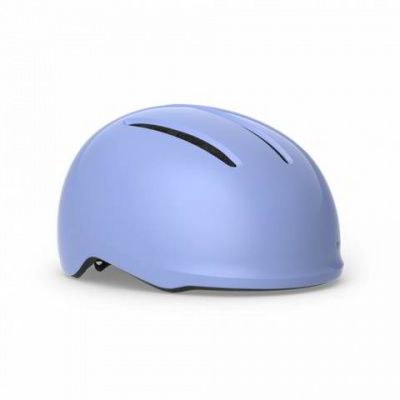
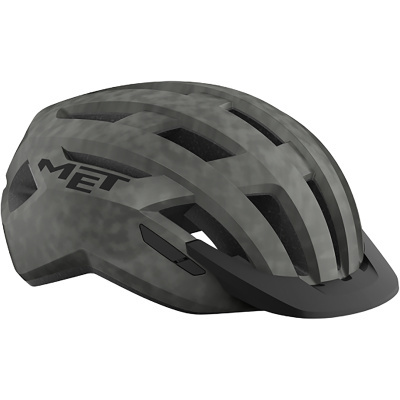
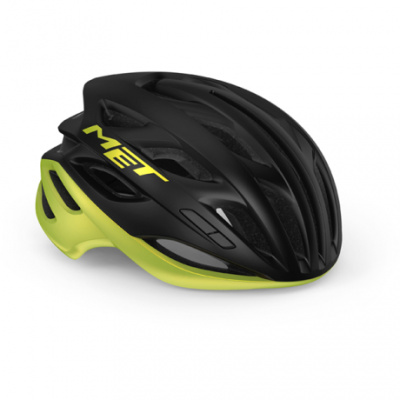
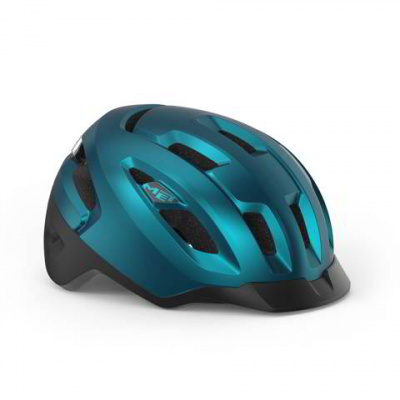
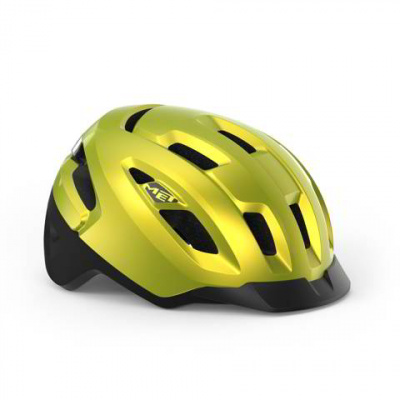
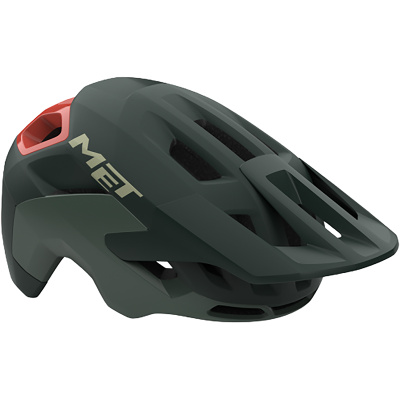
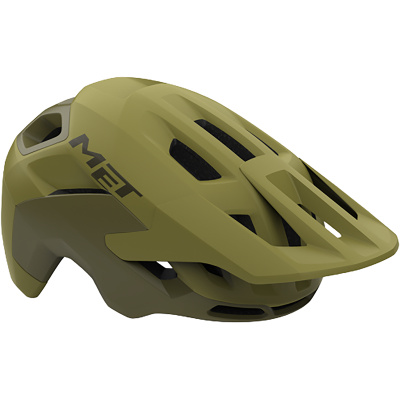
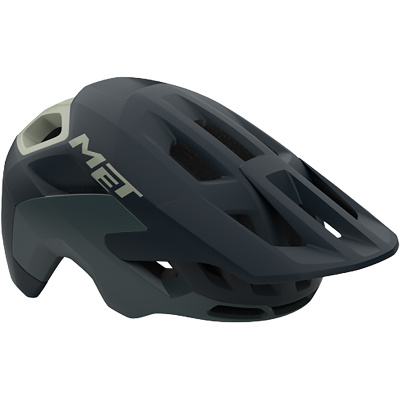
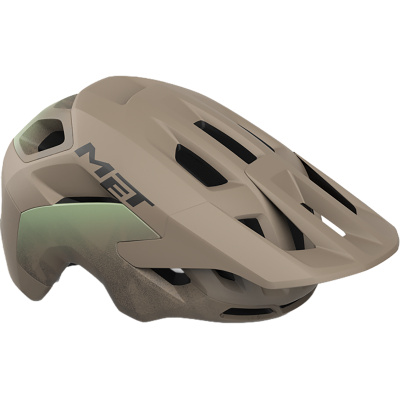
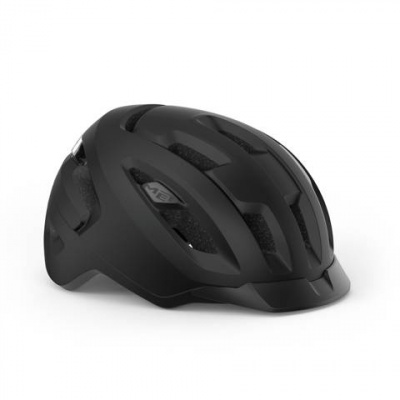
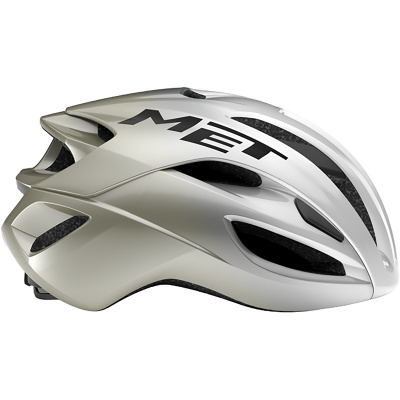
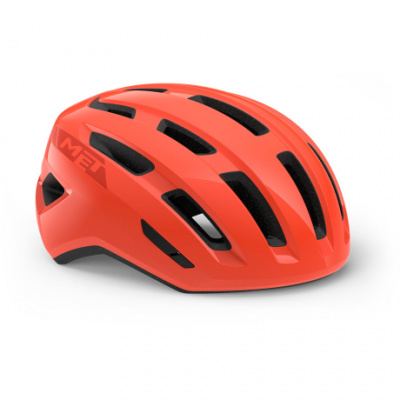
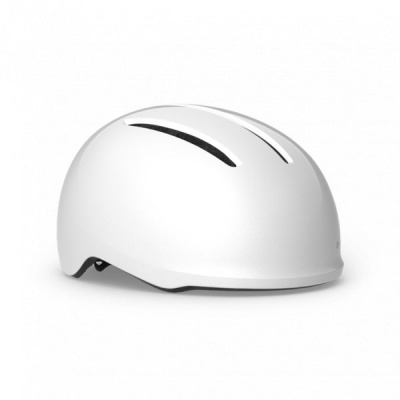
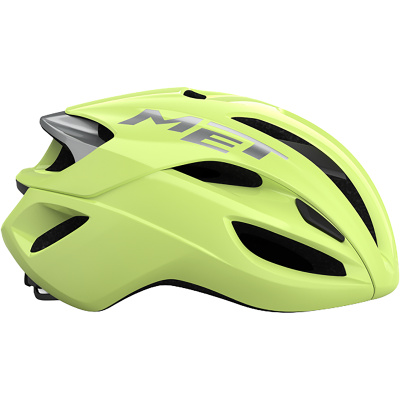
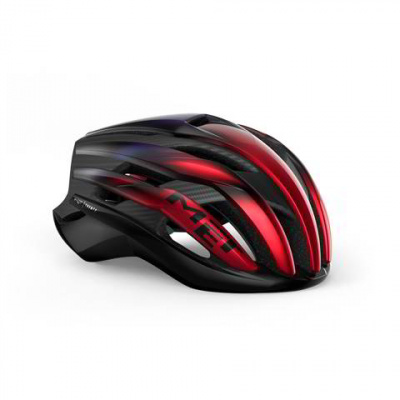
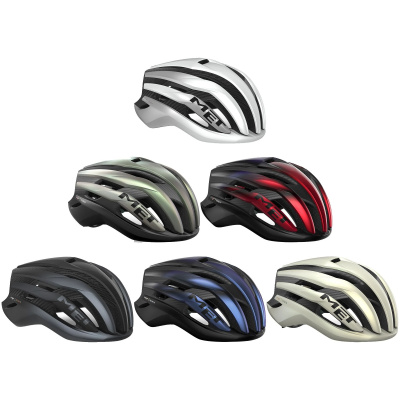
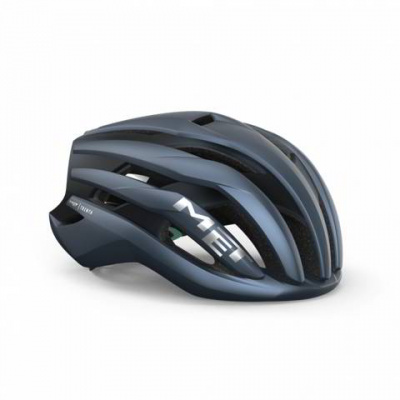
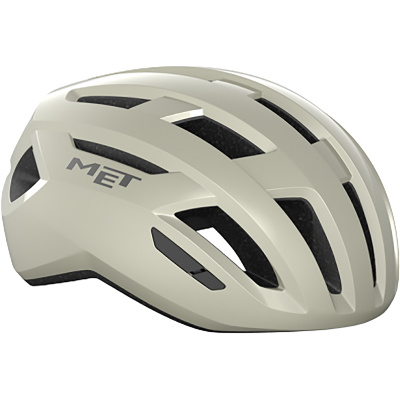
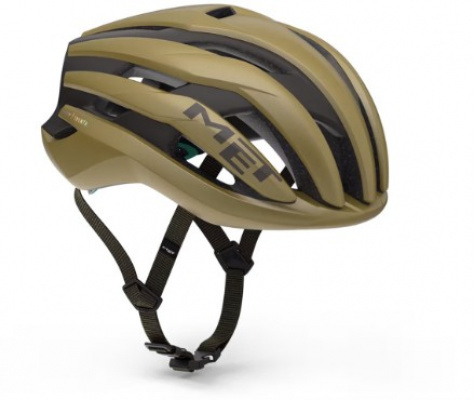
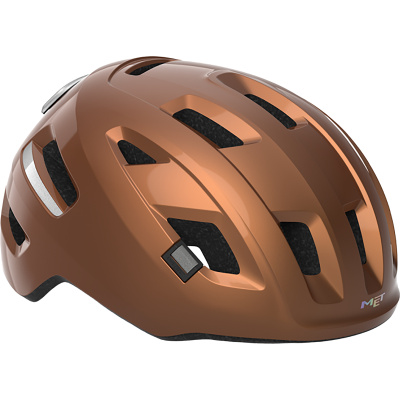
Prices and availability can change quickly. Delivery charges are not always included in listed prices.
Final price, stock status and delivery terms are set by retailer. We may receive a commission on purchases made.
How the Shell, Liner, and MIPS Work Together
The in-mould construction bonds the polycarbonate shell directly to the EPS liner during manufacture rather than gluing them together afterwards. That process produces a stiffer, lighter structure - and stiffness here is a good thing, because it means the liner deforms predictably on impact, absorbing the energy before it reaches your skull. It's the same physics principle as a crumple zone, just scaled down to sit on your head.
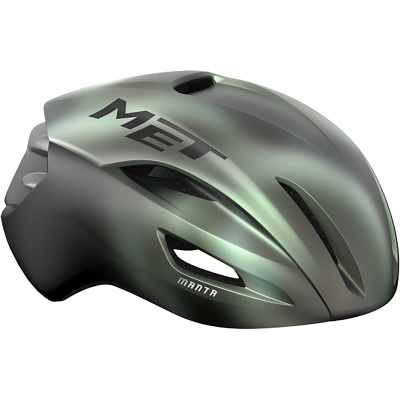
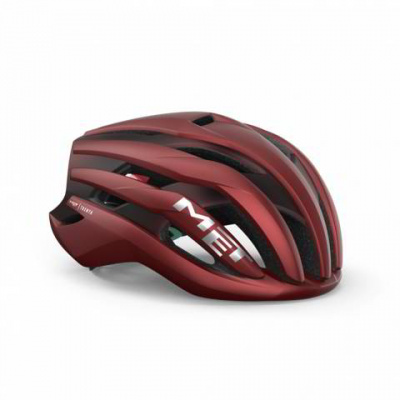
MIPS - the Multi-Directional Impact Protection System - adds a low-friction slip plane between the liner and your head. In an angled impact (which is most real-world crashes), your head wants to rotate. The MIPS layer lets the helmet move independently for those critical milliseconds, redirecting rotational forces away from the brain. It adds a few grams and a few pounds to the price. Worth it. You'll find MIPS integrated across MET's road models like the Trenta and Manta, as well as MTB-focused options like the Terranova - it's not reserved for flagship pricing.
The polycarbonate shell also carries reflective rear decals on several models, which is a practical detail that matters on a dark November commute home from the office. Some lids also accept magnetic LED clip lights, so you're not reaching for gaffer tape to solve a visibility problem.
Fit Systems, Head Shapes, and the Core Range
MET uses two main retention systems depending on the model: Safe-T Orbital and Safe-T Upsilon. Both work on a 360-degree retention principle, wrapping around the back and sides of your head rather than just clamping at the rear. The difference is in the geometry - Orbital suits a wider range of head shapes, while Upsilon offers a more structured cradle suited to road-specific fits where precise positioning matters for aero. Neither system creates pressure points if you dial the fit properly, which means spending thirty seconds adjusting the dial before you roll out rather than fiddling mid-ride.
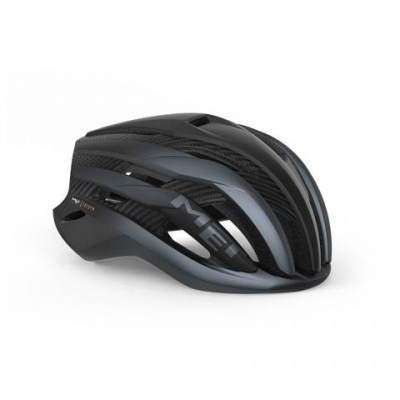
The core road range centres on the Trenta - MET's lightest, most aero-focused lid, used at the highest level of the sport - and the Manta, which balances ventilation and aerodynamic drag for riders who spend more time climbing than time-trialling. If you're comparing to options from Giro or Bell, the MET road range tends to favour a slightly more generous fit in the mid-section, which works well for riders who've found other brands cut into the temples.
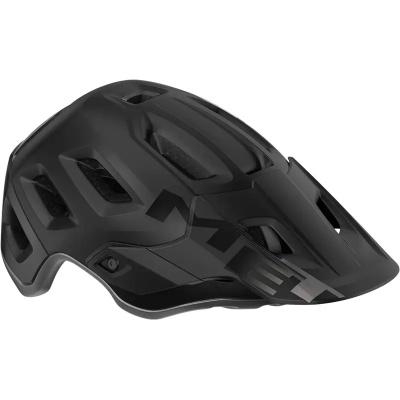
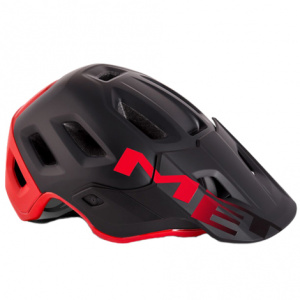
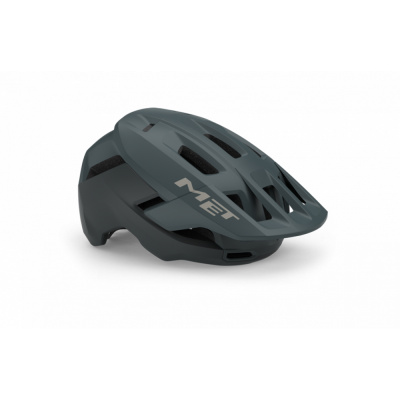
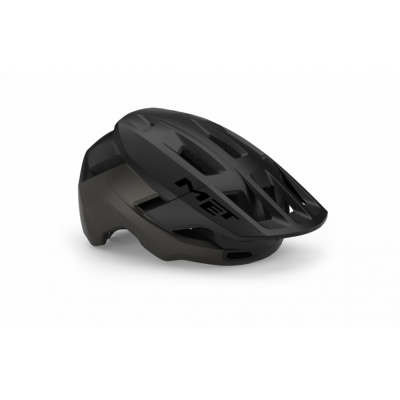
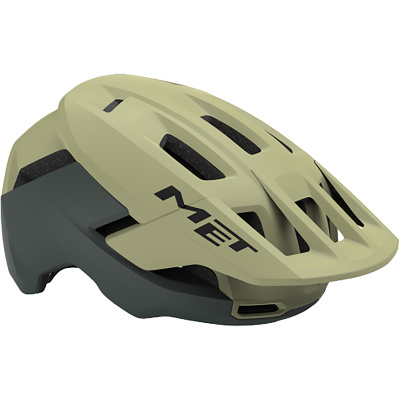
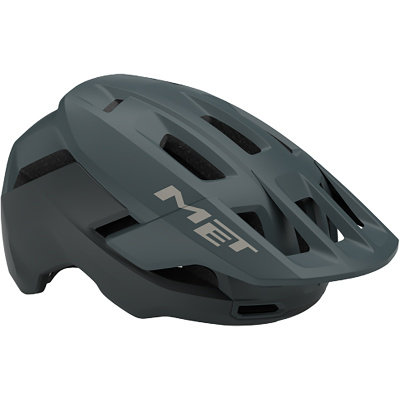
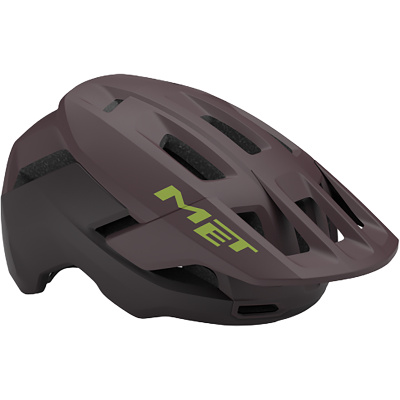
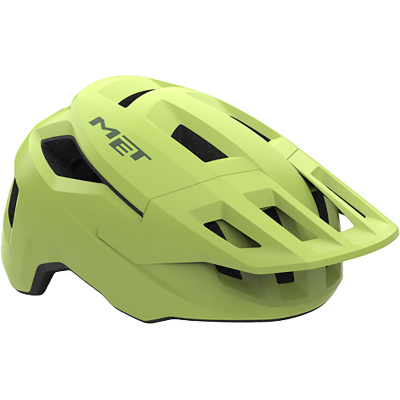
On the MTB side, the Roam covers trail and all-day riding with deep coverage at the rear and solid internal air channelling. The Terranova steps up for more aggressive trail use - deeper shell, extended rear protection, MIPS fitted - and sits comfortably alongside offerings from Fox for riders weighing up their options. If you're after gravity-focused protection, explore our dedicated MET Full Face Helmets range. Sizing up the little ones? Head over to our MET Kids Helmets collection for youth-specific fits.
Riding in the UK: Layering, Weather, and Looking After Your Lid
British riding doesn't do seasons neatly. You can leave the house on a dry March morning and be in a horizontal drizzle by the time you've climbed out of the valley. MET's NACA ventilation design helps here - the internal air channelling keeps air moving even at lower speeds, so you're not cooking on a humid drag up a Peak District moor. But in genuine winter conditions, most riders want a thermal cycling cap under the helmet. Check the fit before committing: size up if you're regularly riding with a skull cap, because compressing the EPS liner against a cap reduces both comfort and protection.
A waterproof helmet cover clips over the shell on wetter days, which preserves the internal padding and cuts wind chill on descents. Make sure whatever cover you buy clears the rear retention mechanism - a cover that pushes the dial into your head on a long ride gets old fast.
Care is straightforward but worth doing. Remove the internal comfort pads - they detach on most MET models - and hand-wash them in cool water with mild soap every few weeks if you're riding regularly. Sweat degrades padding quickly and encourages bacteria build-up that no amount of spray-on freshener fixes properly. Let them air dry; a tumble dryer will deform the foam.
Keep the EPS liner away from prolonged heat. A helmet left in a hot car boot on a summer afternoon isn't ruined by one incident, but repeated exposure softens the foam and reduces its ability to manage impact energy. Store it somewhere cool and away from direct sunlight. Same goes for the polycarbonate shell - UV exposure over time causes micro-cracking that isn't always visible but does affect structural integrity.
On replacement: if your helmet takes a significant hit, replace it. The EPS liner is a one-use material - it crushes to absorb impact and doesn't recover. Even if there's no crack visible on the outside, the liner may have compressed internally. Beyond crash damage, plan to replace your helmet every three to five years under normal use, as UV rays and sweat gradually degrade both the shell and liner regardless of how carefully you store it.
MET Helmets FAQs
How do I choose the right size MET helmet?
Wrap a flexible tape measure around your head just above your eyebrows and ears - that circumference in centimetres is your sizing reference. MET's chart typically runs Small (52 - 56 cm), Medium (56 - 58 cm), and Large (58 - 61 cm). If you're between sizes and planning to ride with a thermal cap in winter, go up a size rather than forcing the fit.
Do MET helmets feature MIPS technology?
Most of MET's mid-to-high-end road and MTB helmets include the MIPS brain protection system. The slip-plane liner sits between the EPS foam and your head, allowing independent movement during angled impacts to reduce rotational forces. It's worth checking individual model listings - entry-level options may omit it to keep the price down.
When should I replace my MET cycling helmet?
Replace it immediately after any significant crash - EPS foam crushes on impact and won't protect you a second time, even if the shell looks intact. Without a crash, swap it out every three to five years. Sweat, UV exposure, and general use degrade the materials gradually, and by year five most helmets have lost meaningful protective capacity.