
Albion Base Layers
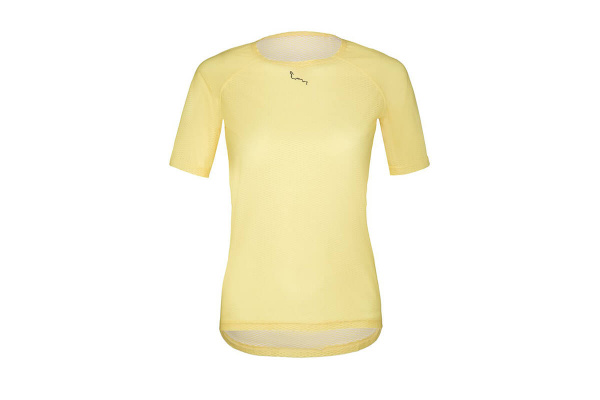
Albion Base Layers form the foundation of a layering system built to handle the full spectrum of British riding conditions - drizzle at dawn, sun by lunch, sleet on the descent. The range splits cleanly into two camps: ultra-light synthetic mesh for high-output efforts and summer heat, and Responsible Wool Standard merino for insulation and thermoregulation when the mercury drops. Both share a performance fit engineered for the on-bike position, sitting tight against the skin to prevent bunching under bib straps and Albion jerseys. This isn't about layering for the sake of it. It's about moisture management and next-to-skin comfort that adapts as your effort ramps up or the weather shifts. Whether you're grinding through a wet Peak District loop or sweating through intervals on the turbo, the right base layer keeps your core temperature stable and your skin dry. Albion's approach is functional, not fussy - gear designed to work quietly beneath everything else.
Prices and availability can change quickly. Delivery charges are not always included in listed prices.
Final price, stock status and delivery terms are set by retailer. We may receive a commission on purchases made.
Fabric Technology: RWS Merino vs. Technical Mesh
The mesh options use a high-gauge synthetic blend with hydrophilic properties that pull sweat away from the skin and spread it across a wide surface area for rapid evaporation. Think of it as a capillary engine. When you're putting out big watts on a summer ride or hammering through a crit, moisture moves fast - no clinging, no cold patches when you ease off. The fabric sits so close you barely notice it, which is the point.
Merino takes a different route. Albion sources Responsible Wool Standard certified fibres, which means traceability and ethical farming practices baked in. Merino's natural crimp traps air for insulation, but the fibres also wick moisture in vapour form, so even when damp it continues to regulate temperature. Antibacterial by nature, it resists odour build-up across multi-day rides or back-to-back commutes. Flatlock stitching throughout keeps seams flat and chafe-free, critical when you're layering bib shorts and a winter jersey over the top.
The trade-off? Mesh dries faster and packs lighter, but offers zero insulation. Merino adds warmth and versatility, but takes longer to dry and requires more careful washing. Your choice hinges on intensity and ambient temperature.
The Albion Layering System
Base layers don't work in isolation. Albion designs them to integrate seamlessly with the brand's outer layers - jackets, gilets, and jerseys - creating a moisture pathway from skin to atmosphere. The tight fit isn't vanity; it's functional. Loose fabric breaks the capillary chain, trapping sweat between layers and leaving you clammy.
When paired with a merino base, a breathable jersey moves vapour outward while the base regulates core temp. Add a gilet or shell, and you've got a system that adapts to effort and conditions without stopping to strip layers. The sleeveless mesh base layer works particularly well under summer jerseys, keeping your core cool while allowing full arm mobility. For winter, a long-sleeve thermal merino sits beneath a softshell or insulated jacket, maintaining warmth without the bulk that restricts movement or causes overheating on climbs.
Riders familiar with Rapha base layers or Pas Normal Studios base layers will recognise the same philosophy: next-to-skin layers that prioritise function over flash.
Choosing Your Foundation Across the Seasons
Sleeveless mesh suits indoor training and rides above 20°C, where core cooling trumps arm coverage. Short-sleeve merino bridges spring and autumn - those 8 - 15°C mornings that warm up by midday but never quite shake the chill. Long-sleeve merino or thermal options come into their own from November through March, particularly on endurance rides where sustained moderate effort needs consistent insulation.
There's a niche case for mesh in winter: high-intensity sessions in cold air. If you're doing threshold intervals on a frosty morning, a mesh base under a windproof jacket can prevent the overheating that kills your intervals. Merino would trap too much heat. Context matters.
Are Albion base layers true to size? Yes, but the fit is race-ready - snug enough to eliminate fabric movement. If you prefer a touch more room, size up. What's the difference between Albion mesh and merino base layers? Mesh is synthetic, hydrophobic, and built for rapid sweat transfer during high-output or hot conditions. Merino provides natural insulation, thermoregulation, and odour resistance, ideal for cooler, variable rides.
Built for British Riding
Albion tests its kit in the UK, where a single ride can span three seasons. A Surrey Hills loop might start dry, turn damp on the North Downs, and finish under full sun. Base layers need to regulate across that range without leaving you boiled or chilled. The brand's sustainable fabric sourcing aligns with an environmental ethos, but the real benefit is durability - RWS merino holds its shape and performance longer than budget alternatives, and the synthetic mesh blend resists pilling and stretch even after dozens of washes.
How do you wash Albion merino base layers? Cool cycle at 30°C, wool-specific detergent, no fabric softener, no tumble dryer. The natural oils in merino fibres need gentle treatment to maintain their moisture-wicking and thermal properties. Mesh can handle standard sportswear cycles, but avoid high heat.
Riders moving from Castelli base layers or Assos base layers will find Albion's fit similarly athletic, with a focus on performance over casual comfort. The difference lies in Albion's material choices - RWS certification and a tighter mesh gauge - and the brand's commitment to conditions where you're more likely to encounter rain than reliable sunshine. Pair with bib tights and headwear for a complete winter setup that doesn't compromise on breathability or warmth.