
Pas Normal Studios Base Layers
Pas Normal Studios base layers start where every good kit decision should - right against your skin. Get this layer wrong and nothing you put on top can fix it. Get it right, and you can manage your core temperature across the full spread of what UK riding throws at you, from a muggy July slog up a Welsh valley to a January headwind that makes your chest feel like a freezer door.
PNS builds these pieces to integrate directly with their Mechanism, Essential, and Escapism collections, so the fit logic carries through the whole system. The summer mesh options use an ultralight, highly breathable construction that maximises surface area for sweat evaporation - your jersey does the second stage, but only if the base layer has already done the first. At the other end of the calendar, their thermal options lean on Polartec® Power Grid™ and premium merino wool blends to hold warmth without packing on bulk, keeping the layering stack manageable under a gilet or jacket rather than turning you into a lagged pipe.
Seamless knitting runs through the range, which matters more than it sounds when bib straps are pressing against a join for four hours. These are precise, performance-focused garments - and understanding which version suits your riding is the real starting point.
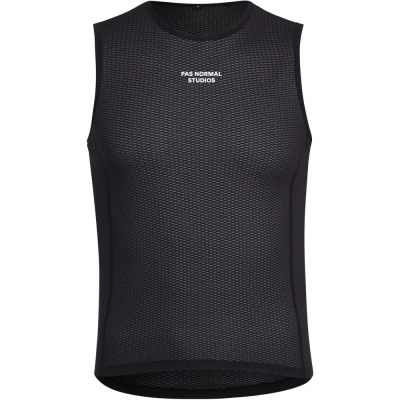
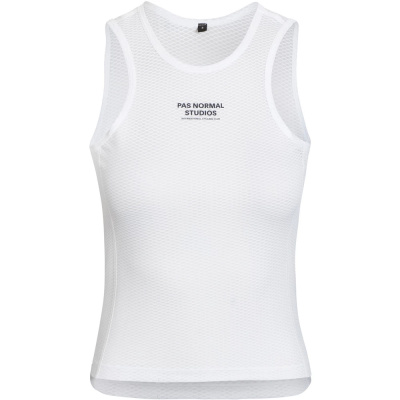
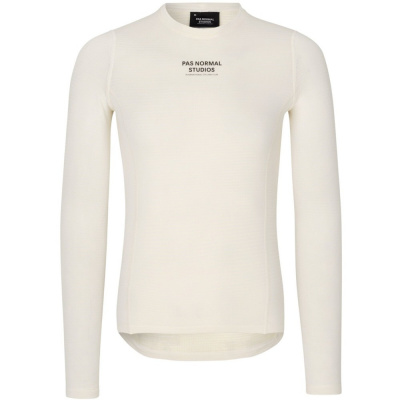
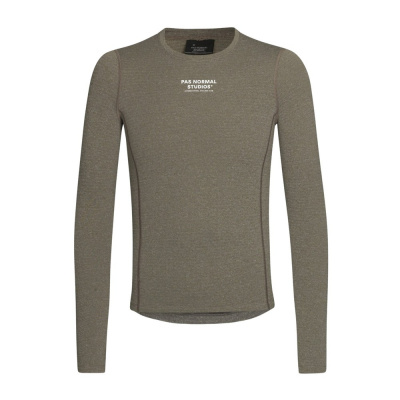
Prices and availability can change quickly. Delivery charges are not always included in listed prices.
Final price, stock status and delivery terms are set by retailer. We may receive a commission on purchases made.
Fabric Tech & Weather Performance
The PNS base layer range splits broadly into two performance camps, and the fabric choice in each is deliberate rather than decorative. For summer riding, the ultralight mesh construction works by creating a low-contact surface against your skin - sweat has space to lift off rather than sitting in a wet film. On a steep, humid climb in the Peak District or the Brecon Beacons, that difference is tangible. You arrive at the top damp but not soaked, and when the descent comes, you're not carrying a cold wet layer against your chest.
The winter side of the range is where Polartec® Power Grid™ earns its place. This fabric's grid structure traps a layer of warm air close to the body while still allowing moisture to push outward - the warmth-to-weight ratio is notably better than standard thermal fleece, and crucially, it doesn't collapse when it gets wet from road spray. A merino wool blend brings natural odour resistance into the mix, which matters on back-to-back days or long winter audax efforts where a full kit change isn't always practical. Merino also retains insulating properties when damp in a way that synthetic-only fabrics simply don't, so if you get caught in a Scottish squall, you're not left with a cold, clammy second skin.
The seamless construction used across the range removes the raised seam lines that cause pressure points under bib straps - a small detail that becomes a significant one over longer rides. If you've ever finished a sportive with a raw patch across your shoulder blade, you'll know exactly why this matters.
Understanding the Pas Normal Studios Fit & Range
PNS sizing runs with European precision, which in practice means a close, compressive fit that's designed to sit flush without bunching when you're stretched over the bars. The Mechanism base layers are the most aggressive of the three lines - genuinely second-skin, built for riders in a race or race-adjacent posture where a loose hem or a gathered seam would be immediately noticeable. If you carry more upper-body mass or simply prefer a bit more breathing room, size up. There's no benefit in squeezing into the smallest size that technically goes on.
The Essential and Escapism lines offer a slightly more forgiving, endurance-focused cut without abandoning the close-fitting logic entirely. These are better suited to all-day riding, sportive efforts, or anyone who wants the performance fabric without the full race-fit compression. The Essential line in particular tends to use merino blends, which adds a natural give to the fabric and works well for variable-temperature days where you're not sure what the morning or the afternoon will bring. If you're the kind of rider who leaves the house in a gilet and makes decisions on the move, this is the line that gives you the most flexibility.
The PNS sleeveless base layer options suit riders who run warm or are dealing with milder shoulder-season days - they keep the core covered while leaving the arms free to breathe. For full winter use, the long-sleeve versions with Polartec or merino fabric are the more sensible call. If you're comparing against other premium options, Assos base layers and Rapha base layers operate in similar territory in terms of fit philosophy and fabric quality, though PNS tends to sit at the more minimal, architectural end of the aesthetic spectrum.
Layering & Care for UK Riding
A base layer only works as well as what you build on top of it. For most UK riding - and specifically that shoulder-season window where the forecast changes its mind between leaving the house and reaching the top of the first climb - the sensible stack is a PNS base layer, a PNS jersey, and either a PNS gilet or a PNS jacket that you can stuff into a back pocket once the pace picks up. The whole system is designed to work together in terms of fit geometry, so there's no bunching at the collar or bulk across the shoulders.
For deeper winter, pairing the thermal base layer with PNS bib tights keeps the logic consistent across the full kit. You don't need a thick mid-layer if the base is doing its job - that's the point of investing in quality at the first layer.
On washing: treat these as you would any high-performance technical fabric. Cold wash, no fabric softener - softener coats the fibres in a waxy residue that clogs the moisture-wicking mesh and gradually destroys merino's natural properties. Air dry flat rather than tumble drying, which degrades the elastic in the seamless knit over time. Done right, a PNS base layer holds its shape and performance for a long time. Rushed laundry habits are the most common way these garments age faster than they should.
If you're weighing up alternatives while browsing, MAAP base layers and Castelli base layers are worth a look for a different take on the same performance brief - but PNS sits at the premium end for a reason, and the fabric technology in the Pas Normal Studios thermal base layer range in particular reflects that.
Pas Normal Studios Base Layers FAQs
How do Pas Normal Studios base layers fit?
Compressive and close-fitting, particularly in the Mechanism range - these are designed to sit flush against the skin without gathering when you're stretched forward on the bike. If you have a broader chest or simply prefer a less constricting feel, size up. The Essential and Escapism lines run with a slightly more relaxed cut if the Mechanism sizing feels too aggressive.
Should I wear a base layer under my cycling jersey in summer?
Yes, and it's worth understanding why. A lightweight mesh base layer creates a small gap between skin and jersey that lets sweat lift off and evaporate far faster than if your jersey is sitting directly on damp skin. The practical result is that you stay drier on climbs and, more importantly, you don't hit the descent carrying a cold, wet layer against your chest.
What is the difference between PNS Mechanism and Essential base layers?
Mechanism uses ultralight, highly elastic fabrics built for aggressive race postures - it's the tightest, most minimal option in the range. Essential takes a more endurance-focused approach with a slightly less compressive cut, and often incorporates merino wool blends that handle temperature swings and multi-day use more naturally. If you're riding long or in variable conditions, Essential is the more practical pick.