
Pas Normal Studios Bib Tights
Pas Normal Studios bib tights sit at an interesting crossroads: Scandinavian design restraint applied to genuinely serious winter cycling kit. The fabrics do real work, the chamois is built for aggressive positions, and nothing about the construction is there for show. If you're the kind of rider who keeps the Wednesday night group ride going through January - head down, wet roads, lights on - PNS makes a compelling case.
The range splits into two clear directions. The Mechanism line is the race-oriented option: highly compressive, aerodynamically cut, and suited to high-output riding where you want the kit to disappear around you. The Essential collection brings a touch more forgiveness and thicker insulation - better matched to long base-mile days when comfort over five hours matters more than aerodynamics. Both use M.I.T.I SuperRoubaix fleece for thermal regulation and carry a DWR treatment to handle the road spray and persistent drizzle that defines UK winter riding from October through March.
The four-layer chamois is optimised for a forward, dropped position rather than a more upright one, and the articulated knee panels keep things moving cleanly through the pedal stroke without bunching behind the joint. Fit runs compressive - size up if you're on the boundary.
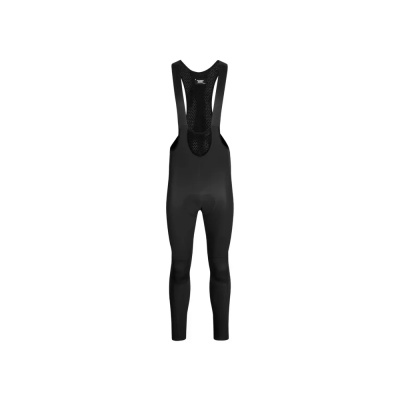
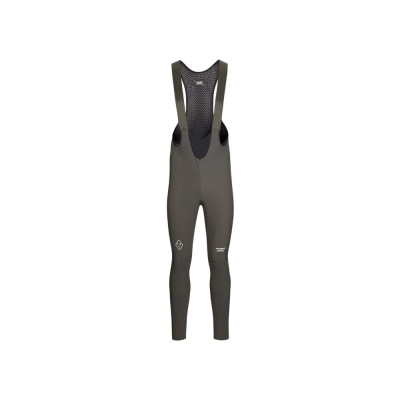
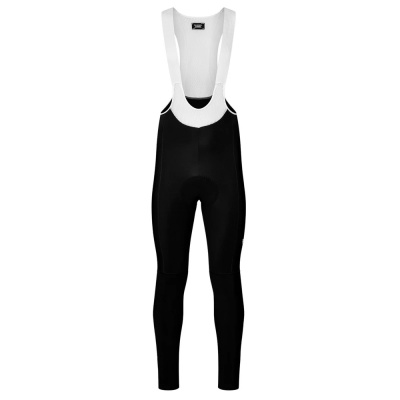
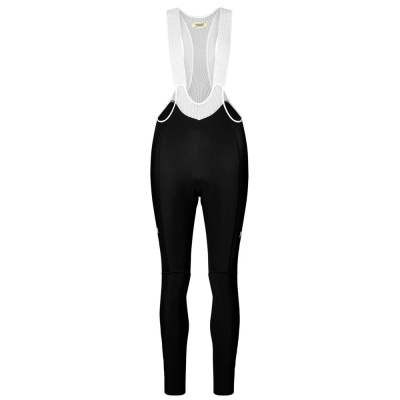
Prices and availability can change quickly. Delivery charges are not always included in listed prices.
Final price, stock status and delivery terms are set by retailer. We may receive a commission on purchases made.
Fabric Tech & Weather Performance
The M.I.T.I SuperRoubaix fleece used across PNS bib tights is a brushed Italian jersey fabric with a strong warmth-to-weight ratio. It's warm without being heavy, which matters when you're pushing tempo and generating heat - you don't want to be sweating through a fabric that can't shift moisture. The brushed interior traps warmth close to the skin on exposed moorland descents, where wind chill does most of the damage, while the construction stays light enough not to feel like you've wrapped your legs in a blanket.
The DWR finish across the outer face handles road spray well. It won't turn aside sustained rainfall the way a waterproof overshoe does, but it sheds the constant mist and puddle kick that makes November riding miserable in thinner tights. Worth being clear: DWR is a coating, not a membrane. Sustained downpours will eventually wet the fabric through, but for the typical British winter ride - intermittent rain, damp roads, the odd shower - it does what you need it to do.
Back panels use a more breathable construction to prevent heat and moisture build-up on steep climbs. Think of it like a targeted vent: the front blocks wind, the back breathes. On a sharp Welsh valley drag where you're working hard, that balance stops you arriving at the top soaked in your own sweat. The articulated knee panels are cut with pedalling geometry in mind - they move with your leg rather than against it, preventing the uncomfortable bunching behind the knee that plagues tights with flat-panel construction. Subtle, but after two hours you'll notice it.
Reflective detailing is present but deliberately understated - PNS keeps the aesthetic clean. It's enough to register in headlights on a winter commute, though riders doing regular evening road miles in full darkness may want to supplement with a rear light mount or a reflective gilet.
Understanding the Pas Normal Studios Fit & Range
PNS runs compressive. That's a deliberate design choice, not a sizing error - but it does mean you should take the sizing advice seriously. If you're between sizes, go up. The Mechanism tights in particular feel genuinely snug at the recommended size; that's by design for an aerodynamic race fit, but if you're planning a 200km winter audax rather than a criterium, that compression gets wearing over time.
The Pas Normal Studios Mechanism bib tights are built for intensity. The cut is aggressive - a dropped, forward position is where they work best - and the compressive fit supports muscles during hard efforts. If your winter riding involves structured training blocks, fast club runs, or cross-training that keeps the heart rate high, the Mechanism line is the one to look at. Compare that to something like Assos bib tights, which typically offer a slightly more measured compression across their winter range.
The PNS Essential thermal bib tights take a different approach. The insulation is heavier, the fit a fraction more accommodating, and the overall feel suits longer, steadier riding - the kind of base-mile Saturday that stretches to four or five hours across rolling countryside. They're not baggy, still clearly performance kit, but they don't demand the same commitment from your legs as the Mechanism. For riders building aerobic fitness through winter rather than maintaining race sharpness, they're the more sensible pick. Brands like Castelli bib tights and MAAP bib tights occupy similar ground in the premium winter market, so it's worth comparing fits if you're new to PNS sizing.
The shoulder straps are raw-edge and low-profile - they sit flat under a base layer without creating pressure points or bulk. If you'd rather ride without straps entirely, our Pas Normal Studios regular tights page covers the non-bib options in the range. And if summer kit is on your radar too, the Pas Normal Studios bib shorts range uses the same design approach for warmer months.
One thing worth flagging on the chamois: the multi-layer ultralight foam construction is set up for an aggressive riding position. If you ride with a more upright posture - a relaxed sportive position or a commuter setup - the chamois placement may feel slightly off. It's optimised for a head-down road position, full stop.
Layering & Care for UK Riding
For most UK winter days, PNS bib tights work best as part of a considered layering system rather than a standalone solution. Pair them with a Pas Normal Studios base layer - the merino or thermal options add meaningful warmth without bulk under the bib straps - and a wind-blocking jacket over the top. On days where the temperature drops below five degrees and the wind picks up, add overshoes and consider a PNS jacket with structured wind protection at the front. The tights handle the legs; you need the upper body sorted too.
On care: this matters more than most riders think. Wash at 30°C using a technical apparel detergent - something designed for performance fabrics, not standard laundry liquid. Fabric softener is the enemy of DWR coatings; it coats the fibres and kills water repellency, so keep it away from these entirely. Air dry, away from direct heat. Tumble drying degrades the elastane and can damage the chamois foam over time. If the DWR starts to bead less effectively after repeated washes, a low-heat iron or a short tumble on a very low setting (no heat) can reactivate it - some riders also use a DWR re-treatment spray, which works well on M.I.T.I fabrics.
Regarding Pas Normal Studios bib tight sizing in practice: check the brand's size chart against your thigh circumference as well as waist - the compressive fit means thigh measurement often catches riders out more than waist. That's the detail worth pausing on before you order.
Pas Normal Studios Bib Tights FAQs
How do Pas Normal Studios bib tights fit?
PNS bib tights fit compressively, particularly in the Mechanism line where the cut is designed for an aerodynamic, aggressive position. If you're between sizes or prefer a less snug feel during long endurance rides, sizing up is the right call. Check thigh circumference against the brand's size guide - it's often more telling than waist measurement alone.
What is the difference between PNS Mechanism and Essential bib tights?
The Mechanism range is cut for high-intensity riding - highly compressive, aerodynamically shaped, and best suited to structured training or fast club runs. The Essential range uses heavier insulation and a slightly more forgiving fit, making it the better option for long base-mile days where comfort over several hours takes priority over aerodynamic performance.
How should I wash thermal bib tights to maintain water resistance?
Wash at 30°C with a technical apparel detergent and avoid fabric softener entirely - it strips the DWR coating and reduces water repellency noticeably over time. Air dry away from direct heat sources. If the DWR stops beading effectively after several washes, a DWR re-treatment spray or a brief low-heat iron can restore performance.