
MAAP Base Layers
MAAP base layers start where every comfortable ride starts - at the skin. Get that layer wrong and nothing else works properly. MAAP's range is built around one idea: active thermoregulation that adapts to your effort, not just the weather forecast. Whether you're grinding up a humid summer climb in the Peaks and cooking under a jersey, or turning over base miles on a grey January morning, there's a specific fabric doing a specific job here.
The collection splits broadly into two camps. Ultra-lightweight breathable mesh constructions handle summer and high-output riding, pulling sweat away fast and letting it vanish before it pools. For colder months, Polartec® Power Grid™ fabrics and Merino wool blends trap warmth close to the body without loading you up with bulk. Both use seamless tubular knit construction, which means no seam sitting under a jersey or bib strap to irritate you over three hours.
MAAP is an Australian brand with a sharp eye for race-oriented design, and that shows in the cut - close, compressive, and designed to work in contact with your skin rather than floating around it. This is a range that rewards the rider who treats their base layer as a technical tool rather than an afterthought.
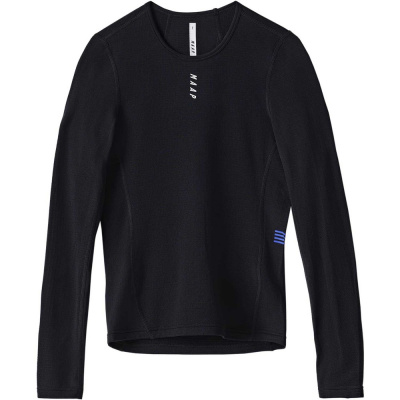
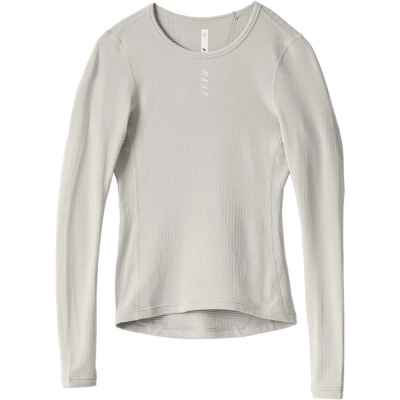
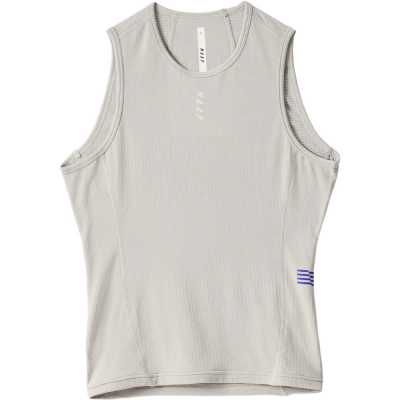
Prices and availability can change quickly. Delivery charges are not always included in listed prices.
Final price, stock status and delivery terms are set by retailer. We may receive a commission on purchases made.
Mesh vs. Thermal: What the Fabrics Actually Do
Pick the wrong base layer fabric and you'll either roast or shiver, and no amount of outer layers fixes it downstream. MAAP keeps the choice logical. The lightweight mesh options - built from fine, open-knit moisture-wicking yarns - exist to move sweat off your skin as fast as possible. On a hard climb on a warm day, or tucked under a waterproof jacket when you're sweating despite the rain, that rapid transfer stops the clammy, damp-towel sensation that kills morale fast. The open structure also means airflow isn't throttled when you're working hard.
Flip to the colder end of the range and the fabric logic changes. Polartec® Power Grid™ is the headline technology in the thermal options - a grid-patterned fleece construction that traps warm air in the channels closest to your skin while the surface wicks moisture outward. It sounds simple because it is, but the grid pattern is the clever bit: it maintains loft and warmth even when it gets damp from sweat, which cheaper fleece fabrics don't manage. You stay warm on the descent without baking on the climb. For the genuinely cold days - think Scottish winter miles or a Peak District loop when the temperature hasn't lifted above four degrees by midday - the Merino wool blend options add natural odour resistance and a softer handle against the skin, useful when you're layering for hours rather than a quick blast.
Neither fabric type overclaims. The mesh won't keep you warm, and the thermal won't breathe like mesh. That's the point - MAAP makes the distinction clear, and you choose based on what the ride actually demands.
Fit, Construction, and Getting the Size Right
MAAP base layers are cut with a compressive, race-oriented fit. That's not a style choice - it's functional. The fabric needs consistent, close contact with your skin to wick effectively. If it's hanging away from your body, it's just a lightweight shirt doing nothing. Snug without restricting your breathing is the target, and the seamless tubular knit construction is a big part of why it works. No side seams means nothing to bunch up under your jersey or create a pressure point under a bib strap on a long ride. It also means the base layer moves with you rather than against you when you're stretched over the bars.
On sizing: MAAP's fit runs compressive by design, so if you're on the boundary between two sizes or you simply prefer your kit without a second-skin feel, size up. It won't compromise the wicking performance significantly, and you'll wear it more often if it doesn't feel restrictive. Riders new to race-fit base layers sometimes find the snugness unfamiliar - give it one full ride before you judge it.
Are MAAP base layers true to size? In the conventional sense, no - they're designed to fit smaller than a standard jersey size. Check MAAP's size guide against your chest and torso measurements rather than defaulting to your usual jersey size, and you'll land in the right place first time.
Building a UK Layering System Around Them
A base layer only earns its place if the rest of your kit works with it. In summer, the mesh base layer paired with one of the MAAP jerseys - particularly a lightweight or aero-cut option - gives you a system where sweat transfers from skin to base layer and then dissipates through the jersey. The key is ensuring the jersey itself isn't so densely woven that it traps the moisture the base layer has already moved. On a hot, humid day in the Surrey Hills, that combination is genuinely the difference between arriving at the café feeling fine and arriving feeling wrung out.
For winter and the shoulder seasons - and UK shoulder seasons are long, unpredictable, and frequently annoying - the thermal base layer pairs well with a MAAP jacket or a MAAP gilet depending on how cold it actually is. The gilet pairing is particularly useful in March and October when mornings are sharp but you'll be shedding layers by midday. The Polartec base layer handles the core warmth, the gilet cuts the wind, and you're not carrying a heavy jacket you don't need. Stack that with a set of MAAP bib shorts and you've got a coherent system from the same range, which also means the cuts and proportions work together.
On care: technical fabrics are unforgiving of lazy laundry habits. Cold wash, inside out, no fabric softener. Fabric softener coats the moisture-wicking fibres and gradually kills their performance - you won't notice immediately, but after a few washes the base layer starts feeling clammy when it shouldn't. For Merino blends especially, a gentle cycle and air drying rather than tumble drying keeps the fibres intact and the fit consistent over time. It takes thirty seconds of thought and it doubles the useful life of the garment.
Do you need a base layer in summer? Short answer: yes. A lightweight mesh base layer actively moves sweat away from your skin so it can evaporate, which keeps your core temperature lower than riding in a jersey alone. On a hot day, that evaporative cooling effect is doing real work. Without the base layer, sweat sits on your skin and you heat up faster. It feels counterintuitive to add a layer in July, but the physics backs it up.
MAAP Base Layers FAQs
Should a cycling base layer be tight?
Yes - it needs to sit flush against your skin to work properly. The whole point of the technical fabric is skin contact; if it's loose and floating, it can't transfer sweat efficiently. Snug is right. It shouldn't restrict your breathing or movement, but it shouldn't have any loose fabric bunching under your jersey either.
Are MAAP base layers true to size?
They run compressive by design, so they fit closer than a standard jersey size suggests. Check your chest and torso measurements against MAAP's size guide rather than assuming your usual size. If you're between sizes or prefer a slightly less compressive feel, go up one - the wicking performance won't suffer noticeably.
Do I need a base layer for summer cycling?
Yes, and it's worth understanding why. A lightweight mesh base layer pulls sweat off your skin and lets it evaporate quickly, which actively cools you down. Riding in a jersey alone means sweat sits on your skin and your core temperature climbs faster. On a warm, humid day the difference is noticeable within the first hour.