
MAAP Jackets
MAAP cycling jackets have quietly become some of the most technically serious outerwear in road and gravel riding - built in Melbourne, tested against the kind of weather that makes British cyclists feel right at home. Rain on the downs, crosswinds on exposed moorland, that nasty damp cold that settles in on November descents - MAAP's jacket range is put together with all of that in mind.
What sets them apart is the membrane game. Where a lot of brands lean on a single waterproof fabric and call it done, MAAP deploys Polartec® NeoShell® and Sympatex® membranes depending on the job at hand - active breathability for hard efforts, full waterproofing when the sky properly opens up. The result is outerwear that doesn't force you to choose between staying dry and overheating on a steep climb.
The range covers packable rain shells you can stuff into a jersey pocket before a sportive, deep-winter thermal jackets built for January rides when the temperature drops to single figures, and everything in between. Whether you're a dedicated roadie after a Pro Fit that sits flush at speed or a gravel rider who wants a bit more movement, there's a jacket here that fits the brief. We'll break it all down below.
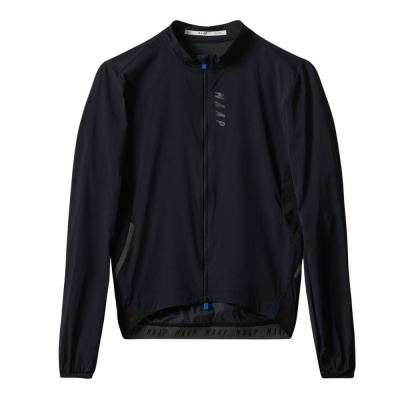
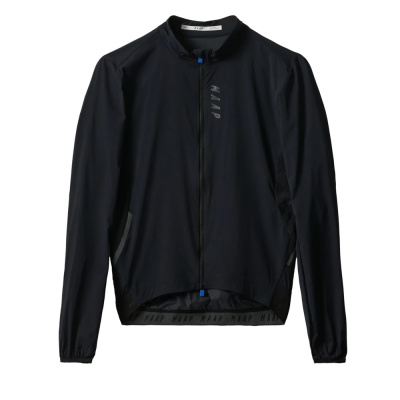
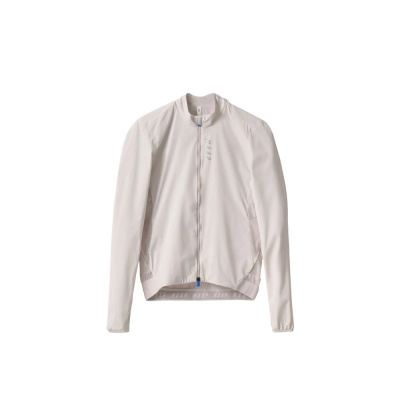
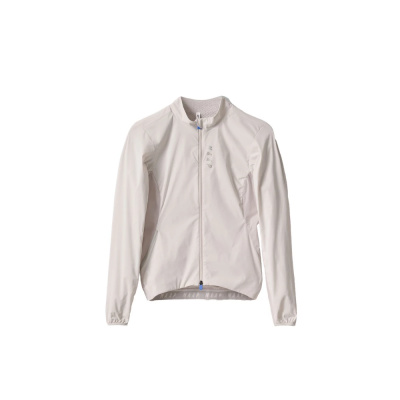
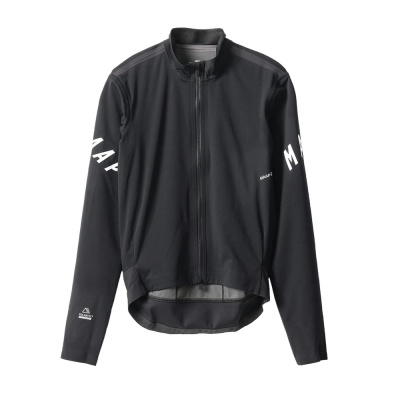
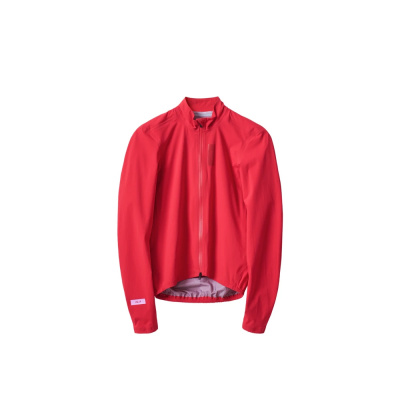
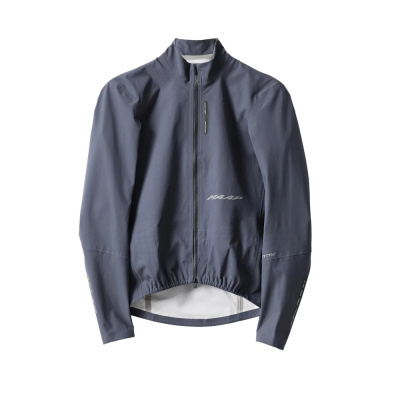
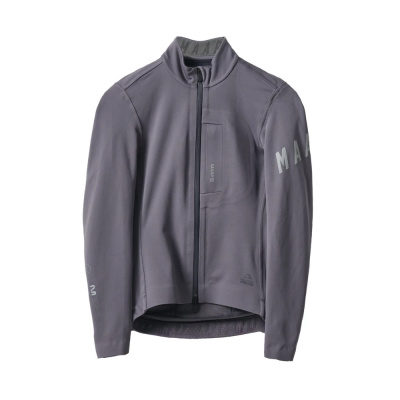
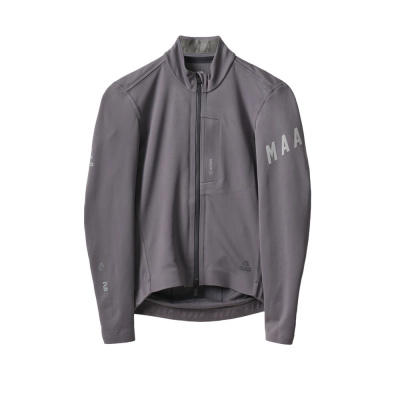
Prices and availability can change quickly. Delivery charges are not always included in listed prices.
Final price, stock status and delivery terms are set by retailer. We may receive a commission on purchases made.
Fabric Tech and Weather Performance
MAAP's jacket lineup earns its credibility through what's actually going on at the fabric level. The Polartec® NeoShell® membrane - used in their top-tier waterproof jackets - works differently from most laminates. Instead of only allowing vapour to pass outward, NeoShell stretches and flexes with the fabric, letting moist air escape more freely during hard efforts. That matters enormously on a steep Welsh climb in October, where a conventional waterproof jacket can leave you feeling like you're cooking from the inside out.
The Sympatex® membrane, used across other models in the range, brings an eco-friendlier angle - it's a PFC-free, fully recyclable film that still delivers solid waterproofing and breathability. Neither membrane is magic, but both perform well above what you'd get from a basic DWR-only shell when the rain gets serious.
Speaking of DWR (Durable Water Repellent) coatings - these sit on the outer face fabric and cause water to bead and roll off before it can saturate the material. It's your first line of defence. On a jacket with a quality membrane behind it, a fresh DWR coating means rain barely makes contact with the laminate at all. Worth knowing: DWR degrades with washing and wear, but it can be restored (more on that below).
Construction details matter too. Taped seams on fully waterproof models seal the needle holes where panels are stitched together - without them, even the best membrane will leak at the joins on a long wet ride. YKK Aquaguard two-way zips give you proper on-the-fly venting; crack the hem zip upward on a climb, close it down again on the descent. It sounds minor, but it's the kind of detail that stops you from reaching for the zip with numb fingers and finding it jammed or leaking.
For winter depth, some MAAP jackets incorporate thermal micro-grid fleece linings - a lightweight grid structure that traps warm air without adding dead weight. It's a different approach to a heavy brushed-fleece interior, and it works better when you're actually moving.
Finding Your Fit in the MAAP Range
MAAP runs a clear fit hierarchy, and getting your head around it before you buy saves a lot of hassle. The Pro Fit - found across the Evade and Ascend lines - is cut for the riding position. Shoulders drop forward, the hem sits long at the back, sleeves extend to cover your wrists when you're in the drops. In other words, it's snug when you're standing in the car park and exactly right when you're bent over the bars. There's no fabric flapping, no trapped air ballooning the back - just clean, close coverage.
If that sounds like it might be too close for comfort, the Alt_Road collection takes a more relaxed approach. It's still a performance cut - not a commuter jacket - but there's more room through the chest and shoulders, making it better suited to gravel riding or days when you're carrying a pack. The Alt_Road range also tends to lean into packability, with lighter shells that compress down small enough to live in a jersey pocket.
On sizing: MAAP jackets are cut for a performance fit, so if you're between sizes or planning to run a thermal MAAP base layer underneath in winter, sizing up is a sensible call. The Pro Fit especially - it's precise enough that a thick mid-layer underneath will push the shoulders and sleeves into uncomfortable territory if you stay true to size.
Riders looking for core protection without sleeves - on those in-between days when your arms stay warm but your torso doesn't - should head over to the MAAP Gilets page, where the sleeveless options are covered in full. We won't go further into gilets here.
Pairing a jacket with the right kit underneath makes a real difference. MAAP's own jerseys and bib tights are cut to work with the same fit architecture, so there's no bunching or mismatched hems when you layer up properly.
Layering and Looking After Your Jacket
A MAAP waterproof jacket works hardest when it's the outermost layer in a proper system. For most UK winter riding, that means a moisture-wicking base layer next to the skin - something thin and close-fitting that pulls sweat away from your body - then either a long-sleeve jersey or a thermal mid-layer, and the jacket on top. Resist the urge to add too much bulk; membranes breathe better when there's not a dense stack of fabric trapping vapour beneath them.
On mild but blustery days, a packable rain shell directly over a long-sleeve jersey is often enough. The shell cuts the wind, the jersey handles the temperature. Keep it simple. Don't forget your gloves - a good jacket with cold, wet hands is still a miserable experience.
Care is where a lot of riders go wrong with technical outerwear. Biological detergents - the standard stuff in most household washing powders - contain enzymes and surfactants that break down the DWR coating and clog breathable membranes over time. Use a dedicated technical wash like Nikwax Tech Wash or Grangers Performance Wash instead. Wash at 30°C, skip the fabric softener entirely, and don't overfill the machine.
To reactivate the DWR coating after washing, a short run in the tumble dryer on a low heat setting does the job - provided the care label says it's safe. If tumble drying isn't an option, a warm iron through a cloth works too. You'll know the DWR needs attention when water starts soaking into the face fabric rather than beading off; the jacket will feel heavier and breathe less efficiently. Catching it early and refreshing the coating is far easier than dealing with a saturated shell on a long descent.
MAAP Jackets FAQs
Are MAAP jackets true to size?
MAAP jackets are cut to a close Pro Fit designed to work in the riding position, not when you're standing still. If you're between sizes or planning to layer a thermal base layer underneath during winter, go up a size. The fit is precise enough that there's not much slack to absorb extra bulk.
Is the MAAP Evade jacket waterproof?
The Evade series is highly windproof and water-resistant, with a DWR coating that handles light showers and damp conditions well. For sustained heavy rain, you'll want a fully waterproof MAAP jacket with taped seams and a Sympatex® or Polartec® NeoShell® membrane - those are the models built for a proper soaking.
How do I wash my MAAP waterproof jacket?
Use a technical apparel wash like Nikwax or Grangers at 30°C - never biological detergents or fabric softener, both of which degrade breathable membranes. To bring the DWR coating back to life, tumble dry on low heat if the care label allows it. Do this regularly and the jacket will perform consistently for much longer.