
Albion Headwear
Albion cycling headwear starts from a simple premise: British weather doesn't care about your plans, so your kit shouldn't make you think twice. Albion builds each piece around what actually matters on a grey Tuesday morning in November or a sweaty August sportive climb - keeping you comfortable without adding bulk or fuss under your helmet.
The range splits cleanly between two jobs. Lightweight, breathable summer caps manage sweat and shield your eyes from low sun and road spray. When temperatures drop and the wind picks up, deep-cut winter skull caps and merino beanies step in, covering your ears and locking in heat without cramming your helmet fit. Every piece is shaped around under-helmet comfort first, which means low-bulk flatlock seams that won't dig in on long days, and fabrics chosen for their technical properties rather than their looks on a hanger.
Albion leans hard on merino wool blends and Pertex panels - materials that do real work across a range of conditions rather than excelling in one and failing in another. If you've ever arrived at the top of a Welsh climb sweating through a cheap acrylic beanie, you'll understand why fabric choice here isn't a minor detail. It's the whole point.
Prices and availability can change quickly. Delivery charges are not always included in listed prices.
Final price, stock status and delivery terms are set by retailer. We may receive a commission on purchases made.
Fabric Tech and Weather Performance: Merino Meets Pertex
Merino wool is doing the heavy lifting across most of the Albion winter range, and there are good reasons for that beyond tradition. The natural fibre structure wicks moisture away from your skin efficiently, but - crucially for UK riding - it retains meaningful thermal insulation even when it's damp. That matters when you're grinding up a long moorland climb in drizzle and sweating more than you expected. A synthetic insulator in the same conditions often feels cold and clammy within twenty minutes. Merino doesn't.
The anti-odour properties are a practical bonus too. Merino's natural crimp resists bacterial growth, so a skull cap that's been through a few wet commutes isn't going to become a biological hazard the way a cheap poly blend might. Worth knowing if you're the type to shove headwear into a jersey pocket mid-ride and forget about it.
On the wind protection side, Albion uses Pertex windproof panels in their winter-specific pieces, positioned on the forward-facing areas of the cap or skull cap - the forehead and temple zones that take the full force of a headwind on a descent. This is a considered choice rather than windproofing the whole piece. A fully windproof hat traps heat aggressively and becomes uncomfortable on anything with a sustained climb. Pertex on the front, breathable merino at the crown: you stay protected into the wind without cooking on the way up. DWR coatings on winter peaks add a layer of resistance to drizzle and road spray without adding noticeable weight.
Compared to something like Castelli headwear, which often prioritises aero profiles and synthetic stretch fabrics, Albion's merino-forward approach gives a more natural feel against skin - softer, less plasticky. It's a different set of priorities, and for longer rides in mixed UK conditions, many riders find merino the more comfortable call.
Understanding the Albion Headwear Range
The Albion headwear line doesn't sprawl. It focuses on a handful of well-defined products that cover the main scenarios UK riders actually face, rather than offering fifteen variations on the same thing.
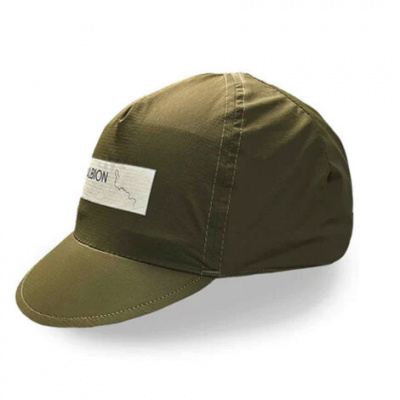
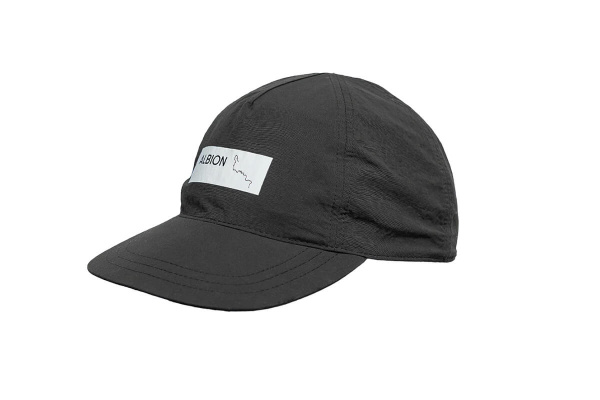
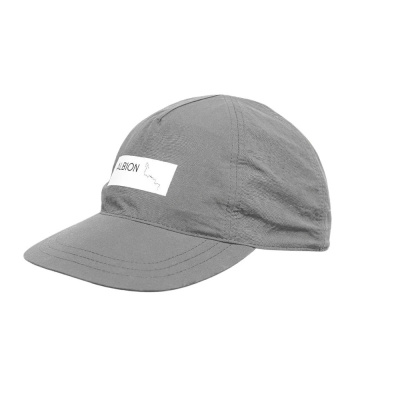
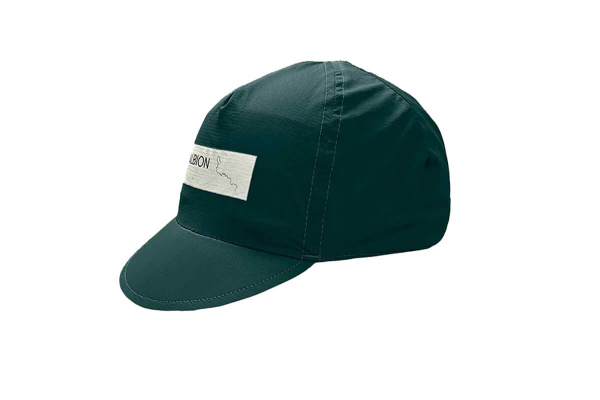
At the lighter end, the Albion cycling caps are built for spring through autumn use - think cotton-blend or technical woven construction, a structured peak, and a fit that sits snugly under a helmet without bunching. The peak is the functional core here: it keeps low sun out of your eyes on an early morning ride, deflects rain from your face in a shower, and stops sweat running straight into your vision on a hard effort. If you're comparing options in this space, Pas Normal Studios headwear and Rapha headwear occupy similar ground, though with different aesthetic leanings.
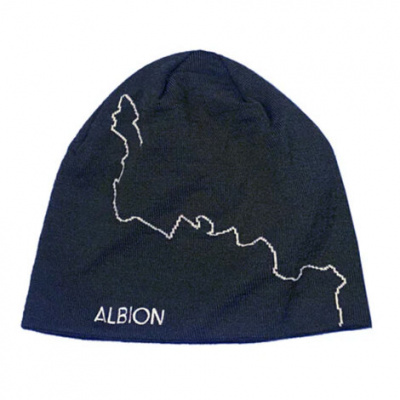
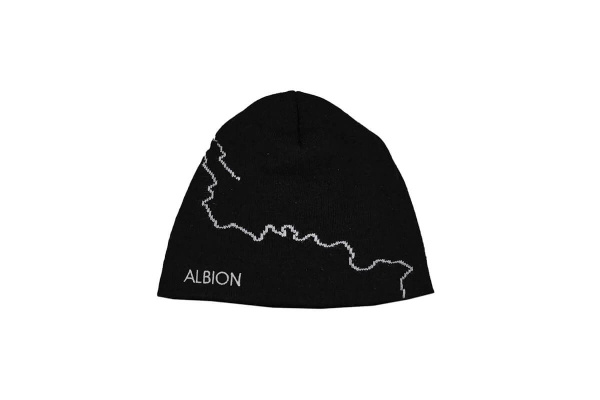
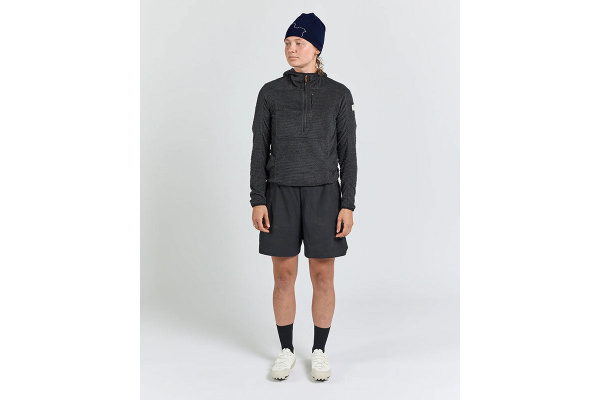
The winter end of the range is where Albion's technical fabric choices become most relevant. Albion winter skull caps extend down to cover the ears fully and sit close to the nape, closing off the gap between helmet and collar that lets cold air funnel in on fast descents. The low-bulk flatlock seam construction means the skull cap doesn't add noticeable pressure points under a helmet - something that becomes surprisingly important on a four-hour winter ride. The Albion merino beanie suits post-ride use and slower-paced cold-weather riding where helmet fit isn't the primary concern.
For complete protection from chin to chest in genuinely cold or wet conditions, headwear alone won't finish the job. Pairing an Albion skull cap with one of Albion's dedicated neck warmers closes the gap effectively - you can find those in the Albion neck accessories range on Bikesy.
Layering This Kit Into a UK Winter Setup
Headwear works hardest when it's part of a coherent layering system rather than a standalone addition. In practice, an Albion winter skull cap pairs well with a high-collar thermal jersey or a cycling jacket with a close-fitting neck - the skull cap handles the top of the head and ears, the collar handles the throat, and there's minimal cold air getting through the junction. If you're running a gilet over a mid-layer on milder days, a lighter skull cap or technical cap often replaces the full winter version without much loss of comfort.
On washing: merino needs a bit of respect. Run it through a cool, gentle cycle at 30°C or below and use a non-biological detergent - bio formulas contain enzymes that break down protein fibres, which is exactly what merino is. Don't wring it out, don't tumble dry it. Reshape the peak and the body while it's still damp, then lay it flat to air dry. This keeps the peak from warping and the merino from shrinking. Most Albion pieces will hold up well to regular washing if you follow this - treating them like a delicate rather than a sports item is the right instinct. GripGrab headwear, which leans more heavily on synthetic fabrics, is more tolerant of machine abuse if that's a priority, but the merino properties are lost in that trade-off.
One practical point worth flagging: if you're buying an Albion skull cap mid-season to slot into a setup built around a different brand's jacket, check the collar height. A very high-standing collar and a deep-cut skull cap occasionally overlap awkwardly and bunch at the back - worth trying on before a long ride rather than discovering it at mile forty.
Albion Headwear FAQs
Do I need a cycling cap under my helmet?
Not strictly, but it earns its place. In summer, a cap manages sweat and keeps spray and low sun out of your eyes. In winter, even a thin merino skull cap adds a meaningful layer of warmth and cuts windchill significantly. The peak alone is worth it on a rainy morning - it's surprising how much difference it makes to actually being able to see the road.
How do you wash a merino cycling hat?
Cool gentle cycle, 30°C maximum, non-biological detergent only. Biological detergents contain enzymes that degrade merino fibres over time. Don't tumble dry and don't wring it out. Reshape the peak and body while damp, then lay it flat to air dry. Follow this and it'll hold its shape and performance through a full season of UK riding.
Is a cycling skull cap better than a traditional cap for winter?
For genuine cold-weather riding, yes. A dedicated winter skull cap covers your ears and sits closer to the nape of the neck, sealing off the areas where heat loss is most significant. It also uses thermal and windproof fabrics rather than the thin woven cotton of a summer cap. A traditional cap in January is better than nothing, but a merino skull cap is a different tool entirely.