
Albion Jerseys
Albion cycling jerseys are designed in Britain with a clear-eyed understanding of what riding here actually demands - skies that change their mind mid-climb, humidity that clings on the way up, and the kind of low-light finishes that make reflective detailing a genuine necessity rather than a marketing checkbox. The range leans heavily on two fabric philosophies: recycled polyester for warmer, high-output days where breathability and fast drying matter most, and premium merino wool blends when the temperature drops and you need natural thermoregulation to do the heavy lifting. Across both, you get moisture-wicking performance that handles sweat properly rather than just relocating it. Fit is tailored and close to the skin - performance-oriented without being punishing - with silicone hem grippers that actually hold position on longer efforts, YKK Vislon zips that work one-handed without a fight, and pocket layouts that make sense when you're moving. It's a tight, considered range from a brand that takes sustainable fabrics seriously without using that as an excuse to compromise on function. Browse the jerseys below and we'll break down exactly what suits your riding.
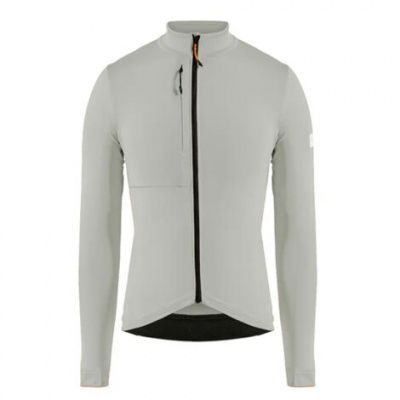
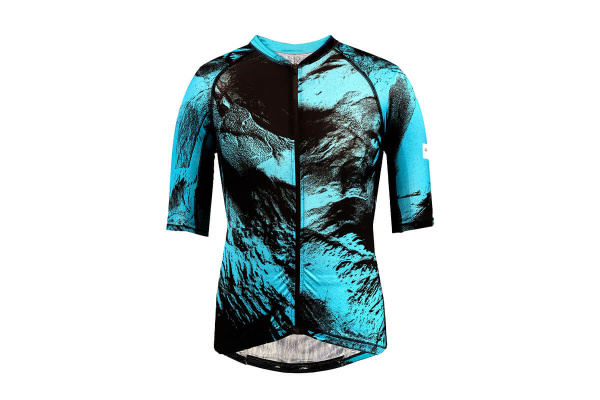
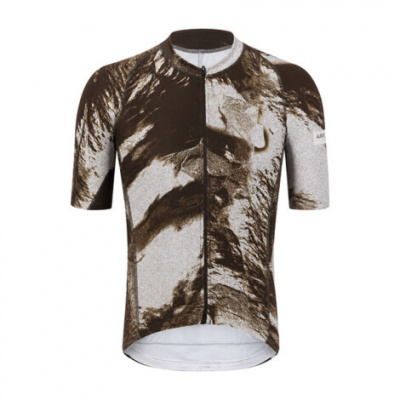
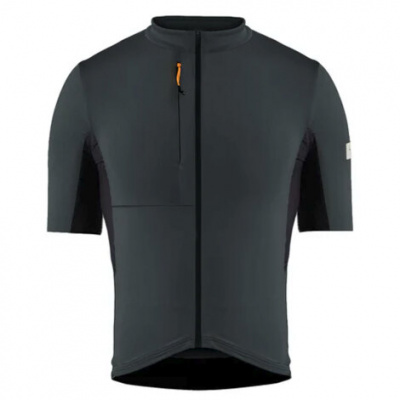
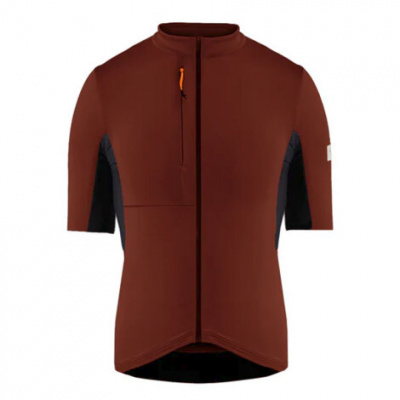
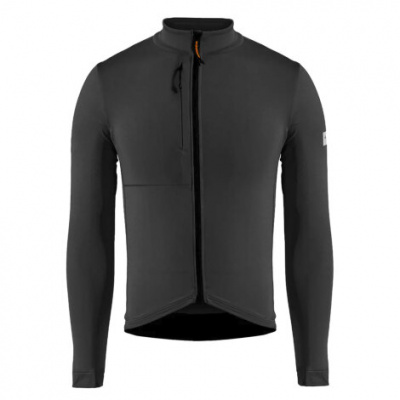
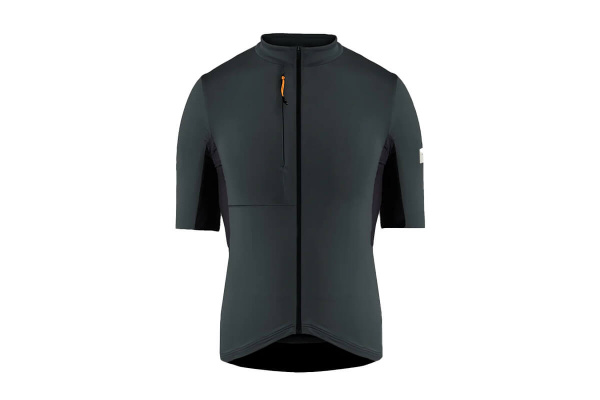
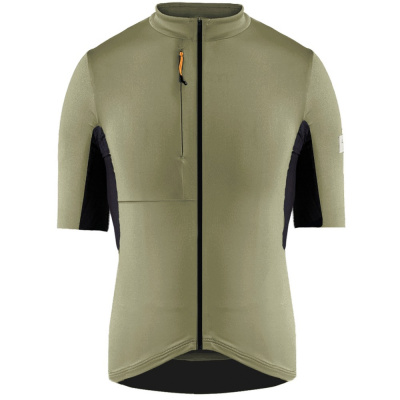
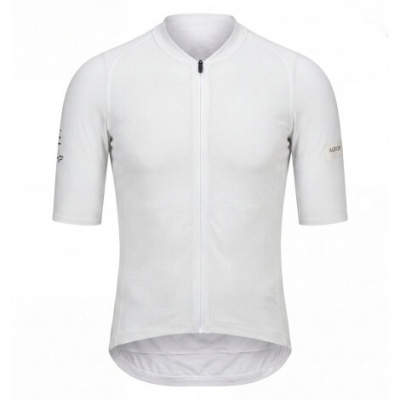
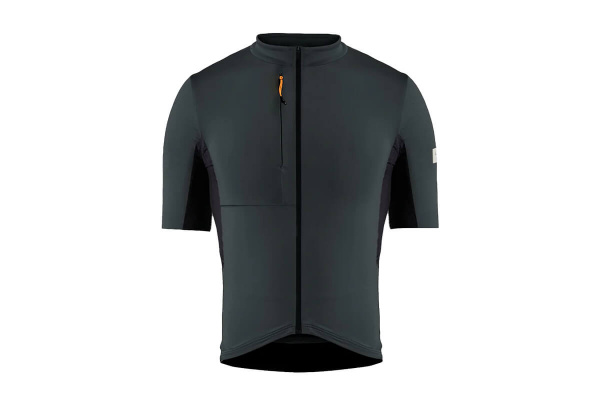
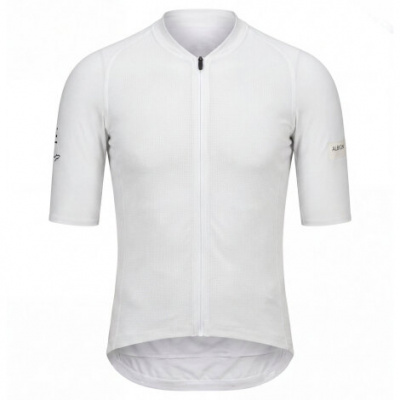
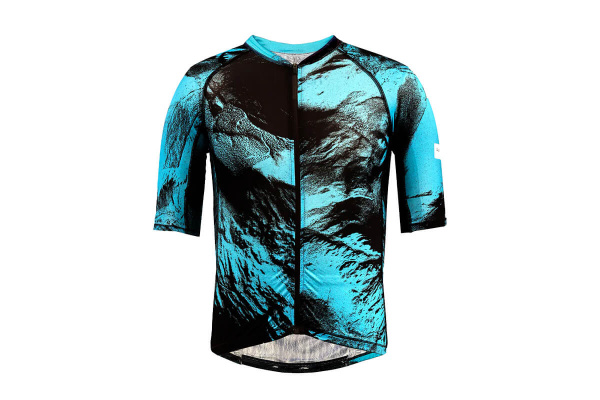
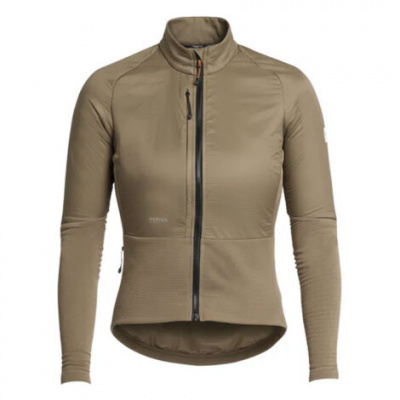
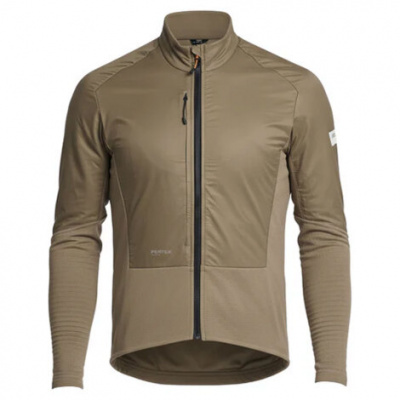
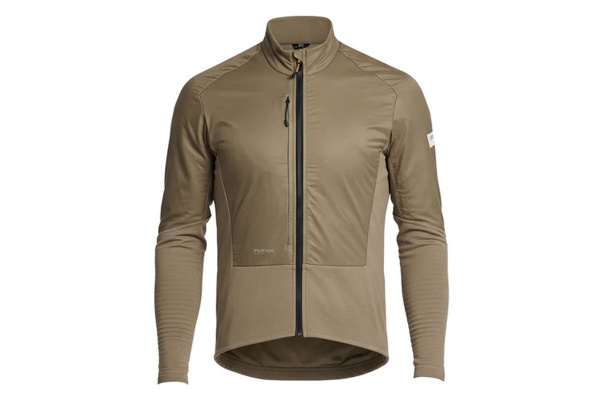
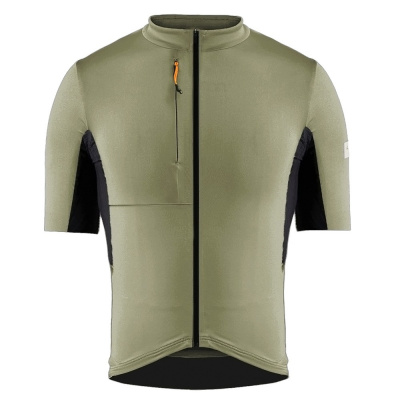
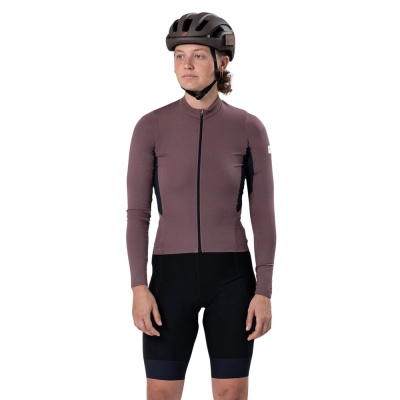
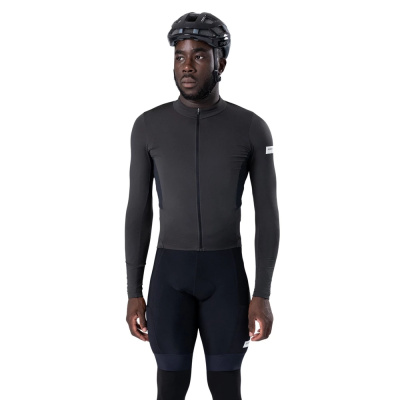
Prices and availability can change quickly. Delivery charges are not always included in listed prices.
Final price, stock status and delivery terms are set by retailer. We may receive a commission on purchases made.
Fabric Tech and How It Handles UK Weather
Albion's approach to fabric splits neatly along seasonal lines, and it's worth understanding why before you pick. Their summer-weight jerseys lean on recycled polyester - a synthetic that moves moisture away from the skin quickly and dries fast, which matters when you're grinding up a humid Welsh climb in July and generating more heat than you expected. It's not glamorous, but it works, and using recycled fibres keeps the environmental footprint lower than virgin synthetics.
The cooler-weather and Albion merino cycling jersey options bring in a merino wool blend, and this is where the thermoregulation story gets more interesting. Merino regulates temperature across a wider range than pure synthetics - it insulates when you're cold, breathes when you're working hard, and resists odour naturally, so you can push through a multi-hour winter ride in the Peaks without smelling like you've been stored in a kit bag since October. The blend with synthetic fibres adds durability and shape retention that pure merino can't always sustain over time.
Both fabric types carry reflective detailing to keep you visible during the kind of grey, flat-light afternoons that define October through February on UK roads. It's not a substitute for lights, but on a murky commute or a late finish after a long ride, it does real work. The moisture-wicking properties across the range mean you're not sitting in damp fabric on the descent - which is the point at which most cheaper jerseys let you down badly.
If you're comparing against other British-influenced performance options, Ashmei jerseys take a similar merino-led position, while Café du Cycliste jerseys lean more towards a relaxed, continental aesthetic with different fabric priorities. Worth knowing if you're weighing up.
Fit, Range Structure, and Picking the Right Option
The Albion all road jersey fit is close-to-body without crossing into the territory where you feel like you've been vacuum-packed. It's a performance cut - sitting flat against the skin to maximise wicking contact and reduce fabric flutter at speed - but there's enough structure in the construction that it doesn't restrict movement on the bike. If you ride in a more upright position or prefer a bit of extra room across the shoulders, sizing up one is a straightforward fix.
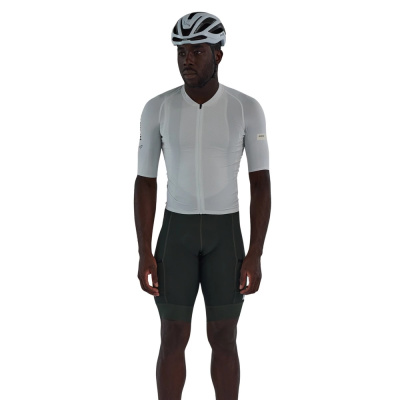
The Albion short sleeve jersey options are the starting point for most riders - lightweight, minimal, built for spring through early autumn when output is high and you want as little between you and the air as possible. These suit road and sportive riding well, and the tailored cut means they layer cleanly under a gilet or jacket without bunching.
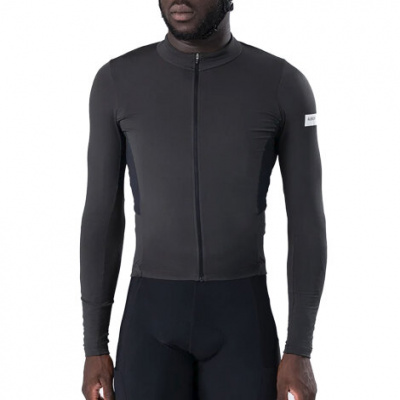
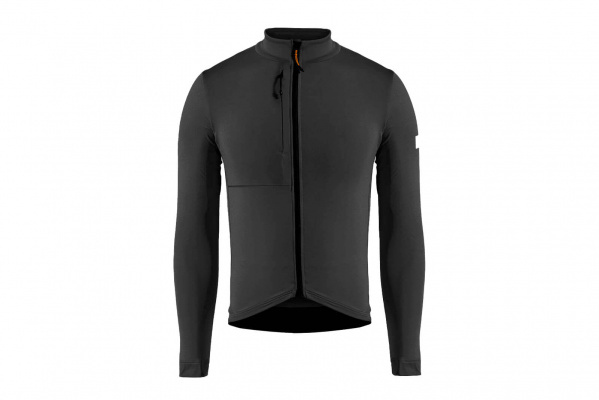
Step across to the Albion long sleeve jersey range and the construction shifts to account for cooler conditions. More substantial fabric weight, often incorporating the merino blend, and designed to work either as a standalone mid-season layer or as the foundation of a winter system. They're not dedicated thermal jerseys in the way a fleece-backed winter top is, but for three-season riding - which covers most of what UK cyclists actually do - they're well-positioned.
YKK Vislon zips run across the range and are worth calling out specifically. Vislon is a coil-free zip system that's easier to operate one-handed while moving and resists snagging better than standard coil zips. It's a small detail that you notice after years of fighting cheaper alternatives. The silicone hem gripper at the base keeps the jersey anchored when you're in an aggressive position - no riding up, no cold gap appearing above your Albion bib shorts on a long climb.
For a performance-benchmark comparison, Castelli jerseys sit at a similar technical level with a more race-focused Italian cut - useful context if you're deciding between European aero and Albion's British-tuned approach.
If you want something from Albion that works off the bike too, their T-shirts and shirts section covers casual options built from similar sustainable fabric principles.
Layering Logic and Keeping Your Jersey in Good Shape
A jersey doesn't work in isolation. For most of the UK riding calendar - which is to say, the bulk of it - you're building a system rather than relying on a single layer. A merino base layer underneath an Albion jersey gives you a meaningful temperature buffer on cold mornings without the bulk that makes unzipping feel pointless. Stash an Albion gilet in your rear pocket before a long descent and you've covered the swing between effort and freewheel without carrying a full jacket.
When conditions are genuinely bad - Scottish winter wet, or the kind of persistent drizzle that turns a Surrey Hills loop into a survival exercise - pairing a long-sleeve jersey with a proper Albion jacket over the top handles what a jersey alone can't. The key is not overstuffing the system; too many layers and the wicking advantage disappears because nothing can move moisture outward fast enough.
Washing merino blend jerseys correctly isn't complicated, but it does matter. Use a cool 30°C gentle cycle, non-biological detergent, and skip the fabric softener entirely - softener coats the fibres and kills the moisture-wicking performance you paid for. No tumble dryer, ever. Lay flat to dry and the jersey holds its shape and function through a long life. Recycled polyester jerseys are more forgiving, but the same cool-wash, no-softener rule applies if you want the wicking properties to last.
Storing jerseys loosely rather than compressed keeps the hem gripper elastic in better condition over time. Worth remembering if you're the type who folds everything into a tight cube in the kit drawer.
Albion Jerseys FAQs
How do Albion cycling jerseys fit?
Albion jerseys run to a tailored, performance-oriented cut that sits close to the body - good for wicking and reducing drag, but snug rather than relaxed. If you prefer a bit more room across the chest or shoulders, or ride gravel and all-road where comfort over distance matters more than aero, go up a size.
Are Albion jerseys good for winter riding?
The long-sleeve merino blend options handle winter genuinely well - merino thermoregulates across a wide range and keeps working even when damp, which is most of what UK winter riding involves. Add a quality base layer underneath and a windproof jacket over the top and you've got a solid three-layer system for deep-winter days.
How should I wash my Albion merino jersey?
Cool 30°C gentle cycle, non-biological detergent, no fabric softener, no tumble dryer. Fabric softener degrades the merino fibres and strips the moisture-wicking performance over time. Lay flat to dry and the jersey keeps its shape and function through repeated use.