
Abus Full Face Helmets
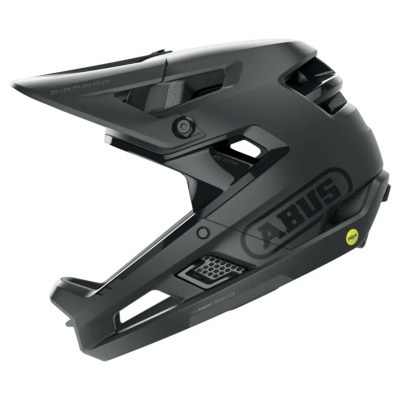
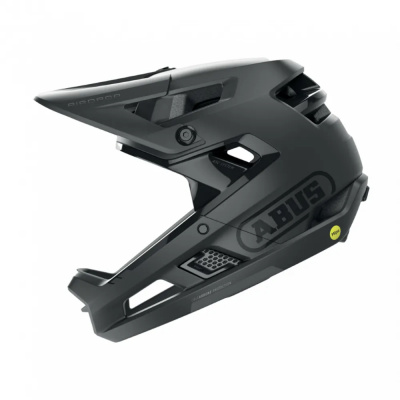
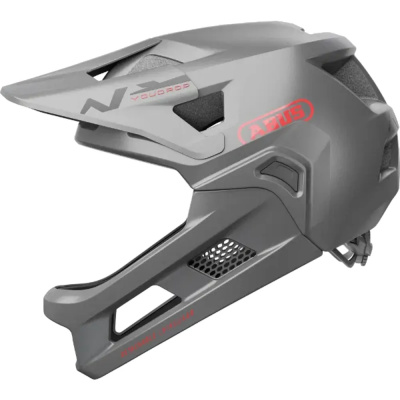
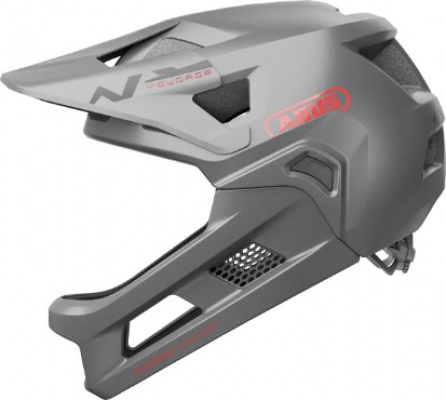
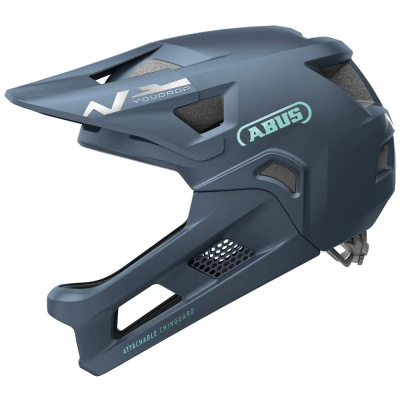
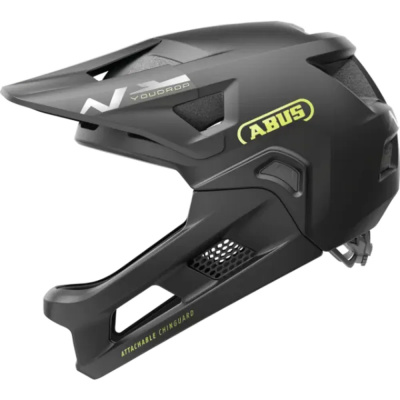
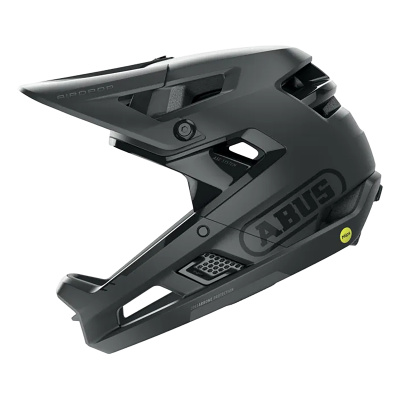
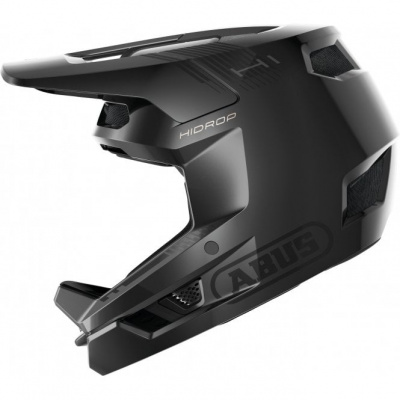
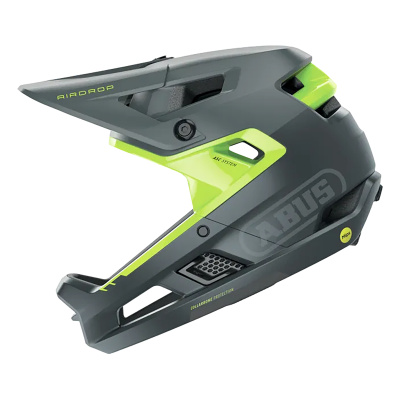
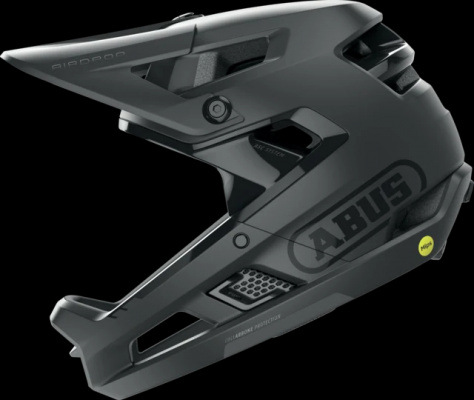
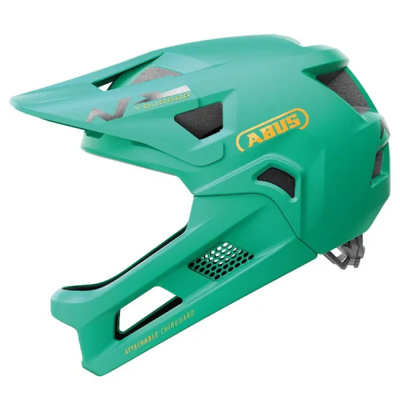
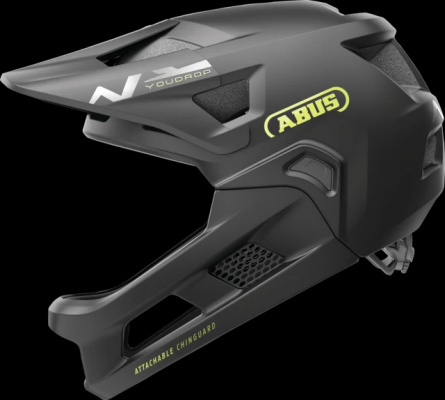
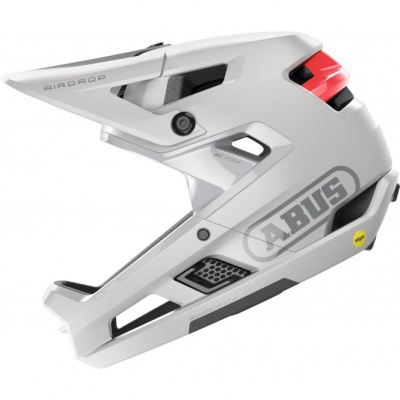
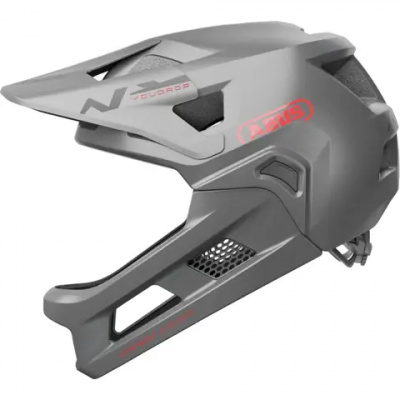
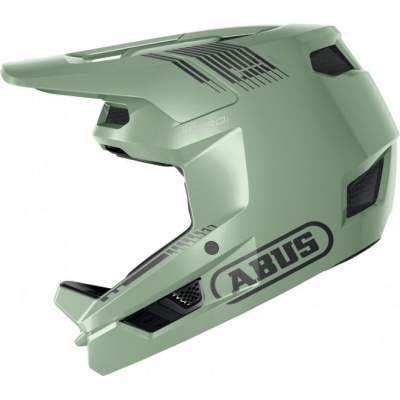
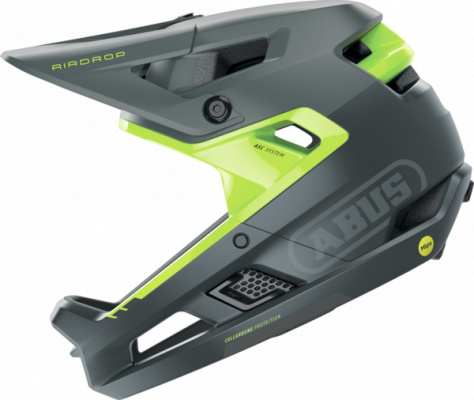
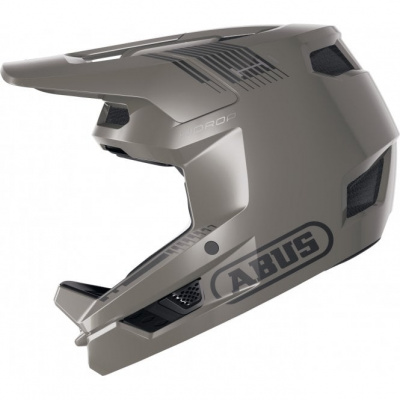
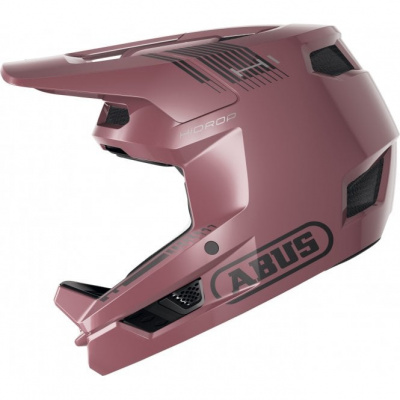
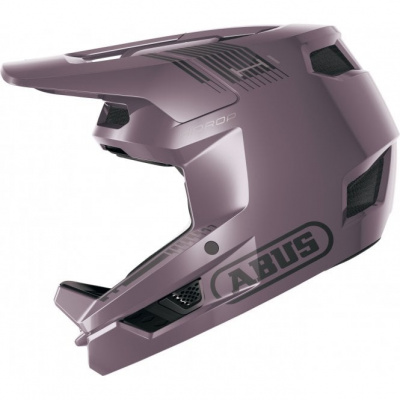
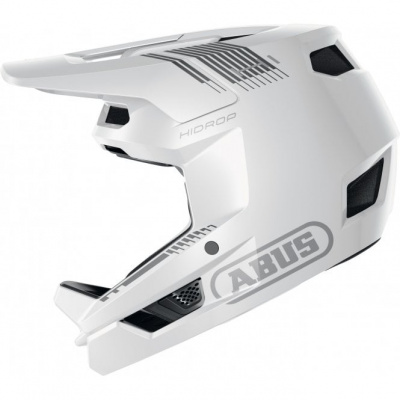
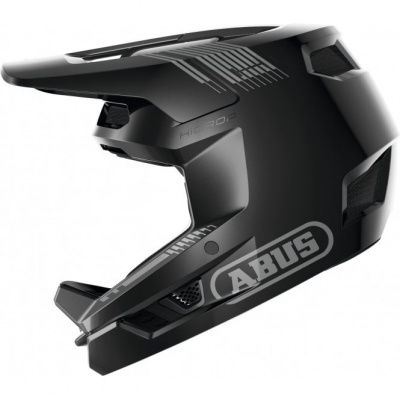
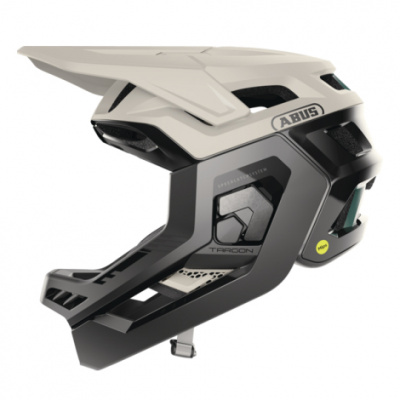
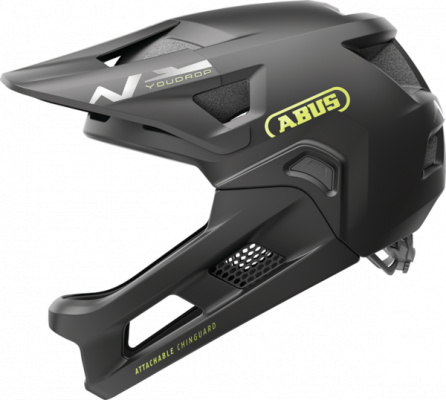
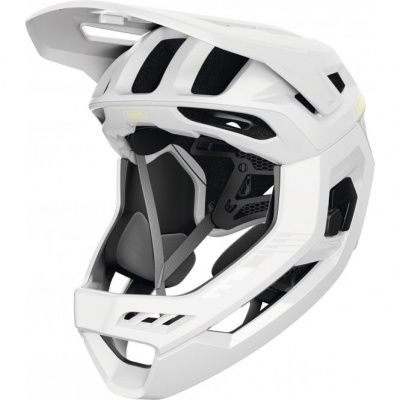
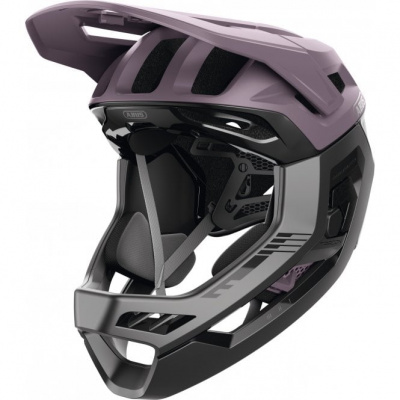
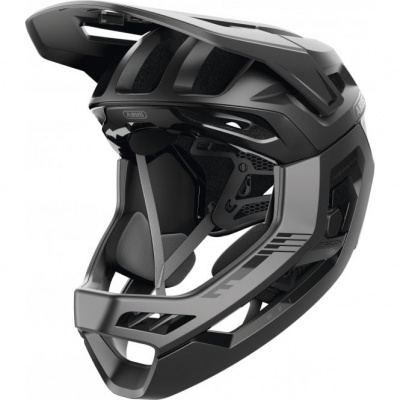
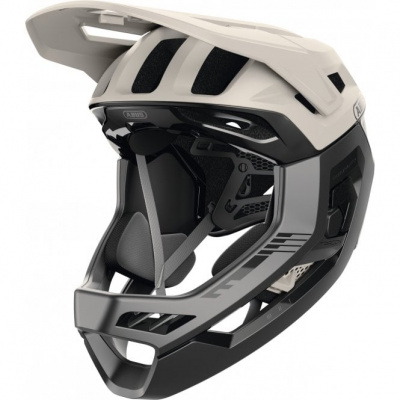
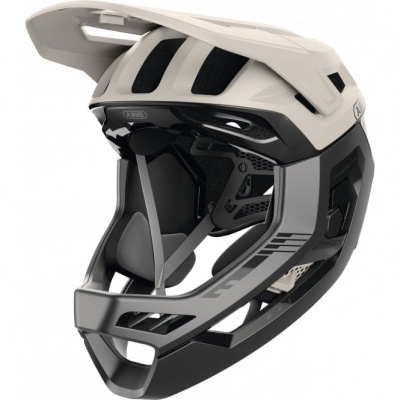
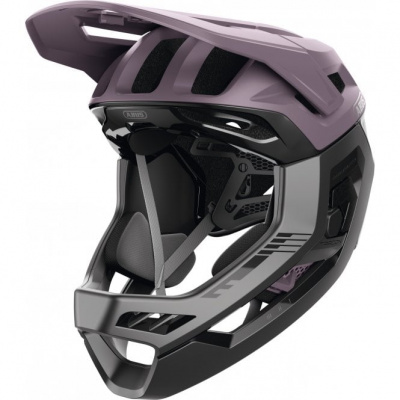
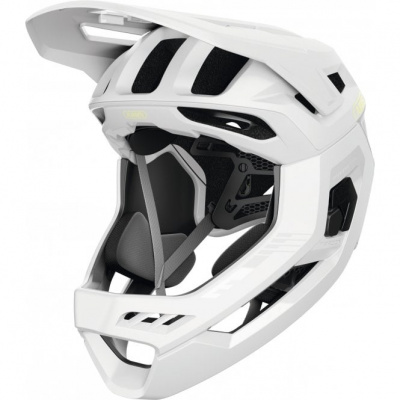
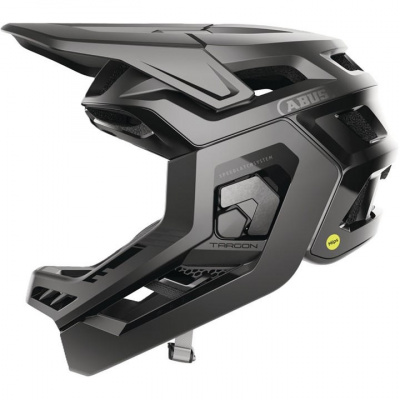
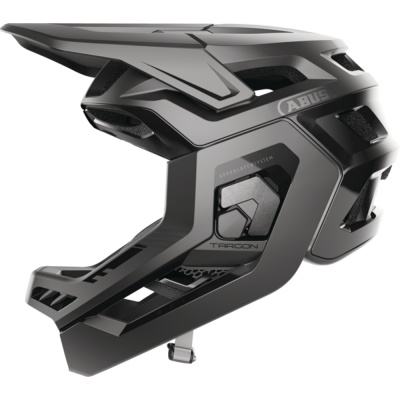
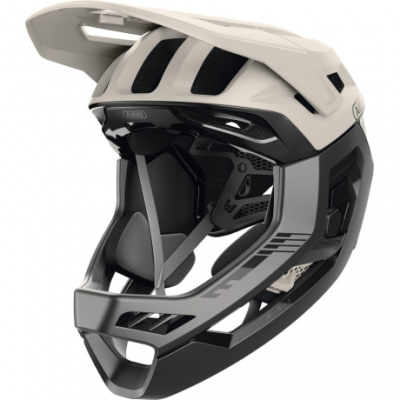
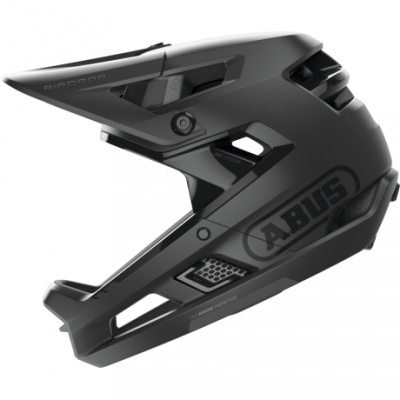
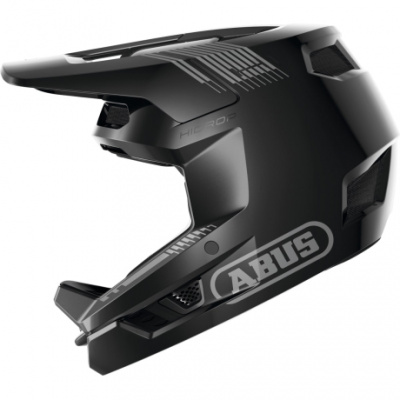
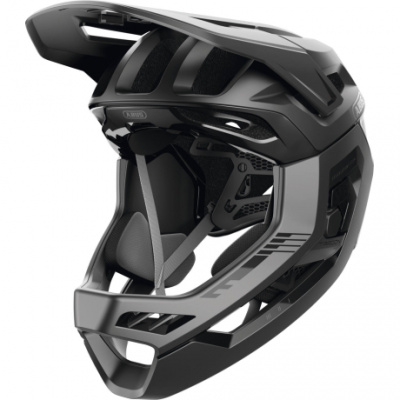
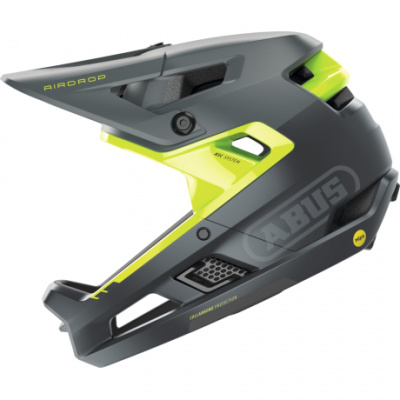
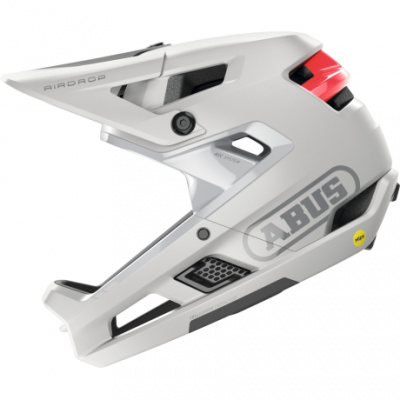
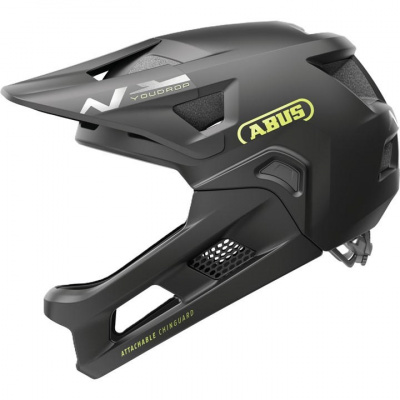
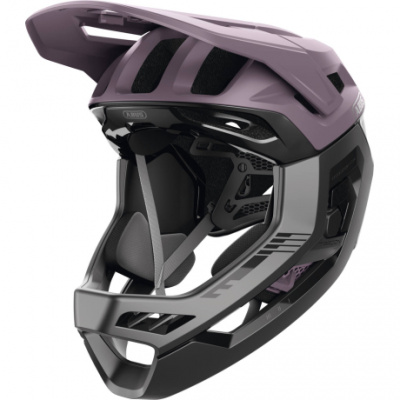
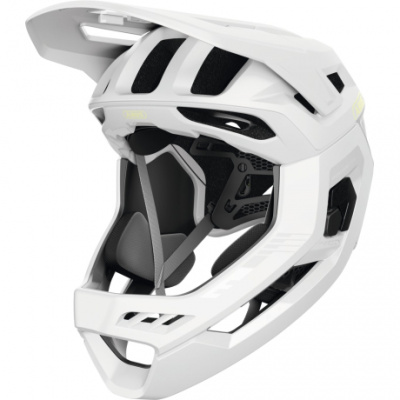
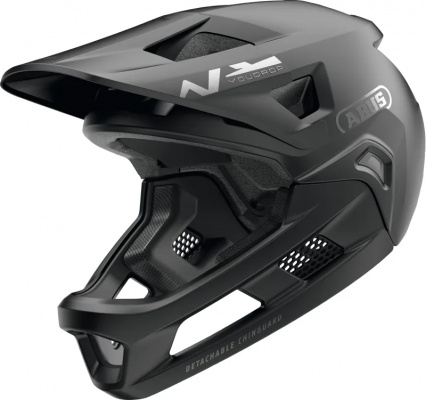
When the trail pitches down and the roots start coming thick and fast, Abus full face helmets are worth a serious look. The AirDrop series is the headline act - a German-engineered full face that's earned its place on enduro start lines and bike park lift queues alike. It carries full ASTM certification on the chin bar, so the protection credentials are genuine, not just marketing copy.
What sets Abus apart from the traditional gravity lid is the balance it strikes between coverage and breathability. Massive ventilation ports front and rear mean you're not cooking on the climb up to the top of the descent, which matters more than most riders expect on long Welsh trail centre days or Scottish summer enduro stages. MIPS is built in across the range, adding rotational impact protection without adding meaningful bulk.
The fit is a genuine talking point too. The Zoom Ace FF dial retention system - rare in a full face - lets you micro-adjust the cradle around your head, so the helmet sits locked-in rather than just perched. EPS foam construction keeps weight down for a full face lid. If you're shopping for an Abus downhill helmet or a capable Abus enduro full face, this is the range to start with.
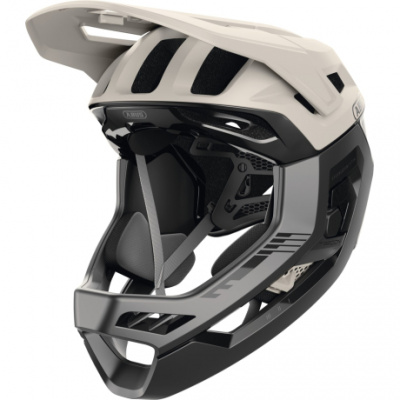
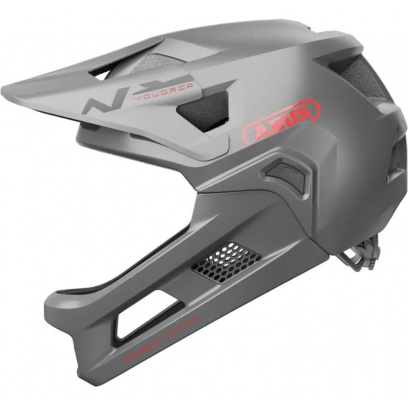
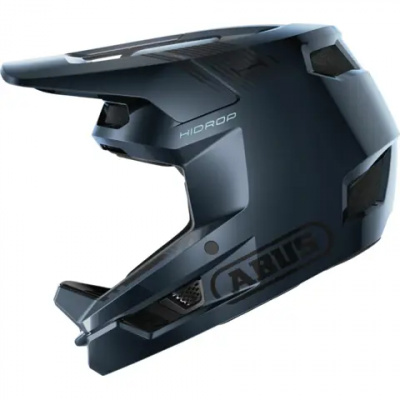
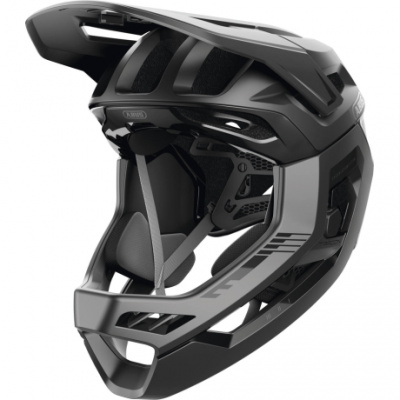
Prices and availability can change quickly. Delivery charges are not always included in listed prices.
Final price, stock status and delivery terms are set by retailer. We may receive a commission on purchases made.
Impact Tech and Airflow: What's Actually Going On Inside the Shell
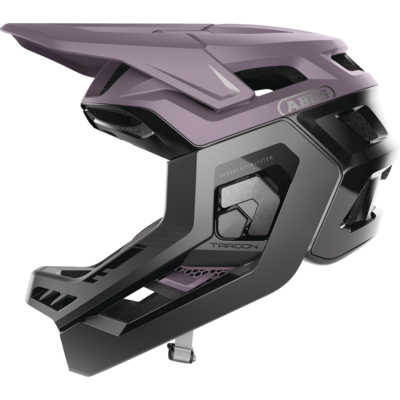
The structural story starts with ActiCage reinforcement - a skeleton built into the shell that lets Abus cut dramatically larger vent openings without the helmet losing its integrity. Think of it as the frame that makes the vents possible. Without it, you'd be choosing between airflow and protection; with it, you don't have to. The result is a full face that moves air rather than trapping it, which is exactly what you need grinding up a humid Quantocks fireroad in August before the descent.
MIPS - the Multi-directional Impact Protection System - sits inside the shell as a low-friction layer. In an angled impact, which is how most real crashes actually happen, it allows a brief rotational slip between your head and the helmet's EPS foam. That slip reduces the rotational force transmitted to the brain. It's not a guarantee, but the science behind it is solid and it's become a baseline expectation on any serious lid at this level.
The EVA collarbone protection edges around the lower rim are a detail worth noting. Hard shell edges can dig in during a get-off; EVA softens the contact point and reduces the chance of the helmet itself causing a secondary injury. It's a small thing that shows considered design rather than box-ticking.
On the ventilation side, Ambient Sound Channels do double duty. They route airflow through the helmet while also keeping external sounds - other riders, trail users, that suspicious creak from your fork - audible. Full face lids can feel isolating; this design choice actively works against that. The large chin bar vents pull air across your face rather than letting heat pool inside the shell, which is the difference between feeling focused on a descent and feeling like you need to pull over.
Fit, Sizing and the AirDrop Range Explained
The Zoom Ace FF dial is the feature that gets talked about most by riders who've tried the AirDrop alongside competing helmets. Dial retention systems are common on trail and XC lids, but rare in full face helmets - most rely on a fixed cradle and size selection alone. Abus's system wraps a wire loop around the back of the skull and lets you tighten or loosen it on the fly, even with gloves on. That means the helmet stays locked against your head during rough descents rather than rocking forward on big hits.
Sizing runs true to form. Measure your head circumference just above the eyebrows - that's the widest point - and match it to Abus's chart. Most riders find they don't need to go up or down from their usual size, though the dial adds a useful window of adjustment either side. If you're between sizes, the dial system generally handles it without needing to swap shells.
The AirDrop sits squarely in enduro use, designed to be pedalled as well as pointed downhill. It's not a dedicated DH race lid with the kind of bulk you'd find on a World Cup course, but it's genuinely ASTM certified for chin bar protection so it's not cutting corners on that front either. If you're racing enduro, sessioning a trail centre bike park at the weekends, or just prefer the peace of mind of a full face on steep and committing UK trail riding, it fits the brief well.
Looking for different coverage? Check out our full range of Abus Helmets, the specialised Abus Aero TT Helmets, or Abus Kids Helmets if you're kitting out a younger rider.
How does the AirDrop stack up against the competition? Fox full face helmets offer a similar enduro-focused approach with their own fit systems, while Bell full face helmets have a long pedigree in the gravity market. POC full face helmets lean heavier on proprietary protection science. The Abus sits comfortably in that conversation - it's not an outlier, it's a genuine contender that warrants side-by-side comparison.
The weight question comes up constantly with the AirDrop. At around 790g for a medium, it's light for a full face with this level of protection. You'll notice the difference on a long transition climb compared to a heavier DH-specific shell. That's the trade-off being made here: slightly less bulk than a pure park helmet in exchange for something genuinely wearable across a full enduro day. If you're doing lift-assisted bike park laps exclusively, a heavier dedicated DH lid might make sense. For most UK riding - mixed stages, long days, varied descending - the AirDrop's weight is a real practical advantage.
Keeping It Clean in Gritty British Conditions
UK mud has a way of getting everywhere, and a full face helmet takes the brunt of it. The good news is the cheek pads and crown padding in Abus full face helmets are fully removable - pull them out before they start to smell rather than after. Hand wash them in mild soapy water, rinse thoroughly, and let them air dry somewhere with airflow. Don't rush it with a radiator; heat degrades the foam over time and you'll end up with pads that don't sit right.
After any significant crash - not just a big one, any crash where the helmet took a hit - inspect the EPS foam carefully. EPS compresses on impact and doesn't fully recover, which is exactly how it absorbs energy. If you can see any cracking, denting, or distortion in the foam, the helmet needs replacing regardless of how intact the outer shell looks. The shell can stay cosmetically perfect while the EPS underneath has done its job and is no longer fit for purpose. Same logic applies to the chin bar structure.
Store the helmet somewhere dry and ventilated. A damp garage or a wet kit bag left in the boot is exactly the environment that degrades strap webbing, buckle mechanisms and pad materials fastest. A shelf in a dry shed, a helmet hook indoors - it makes a difference over a season. While you're sorting your post-ride storage, locking your bike at the trail centre café is worth thinking about too; Abus locks are a natural pairing given the brand's security heritage. And if you're rebuilding your trail kit, Abus frame bags are worth a look for carrying tools and essentials on longer days out.
One more thing worth knowing about the Abus AirDrop fit guide: re-check the Zoom Ace FF dial adjustment at the start of each season. Pads compress with use, and what felt snug last autumn might have a little more play now. A quick dial adjustment takes seconds and keeps the helmet sitting where it should.
Abus Full Face Helmets FAQs
Are Abus full face helmets true to size?
Yes, Abus full face helmets run true to size for most riders. Measure your head circumference just above the eyebrows and cross-reference with the Abus sizing chart. The Zoom Ace FF dial retention system gives you meaningful fine-tuning either side of your measured size, so borderline cases are generally handled without needing a different shell.
How heavy is the Abus AirDrop helmet?
The AirDrop comes in at around 790g for a size medium - light for an ASTM-certified full face with MIPS. That weight advantage is noticeable on long pedalling transitions between stages. It's not a dedicated DH race lid, but it's not trying to be; the weight is part of the enduro-focused compromise it makes deliberately.
Can you wash the pads in an Abus full face helmet?
Yes. The cheek and crown pads remove easily and are hand-washable in mild soapy water. Rinse them well and air dry fully before refitting - don't use direct heat. In UK conditions, washing them every few rides rather than waiting until they're noticeably grim will keep both the fit and the smell in check.