
Abus Frame Bags
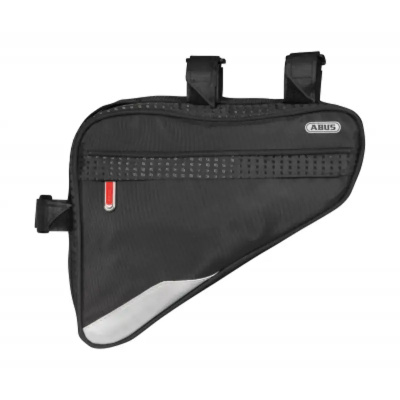
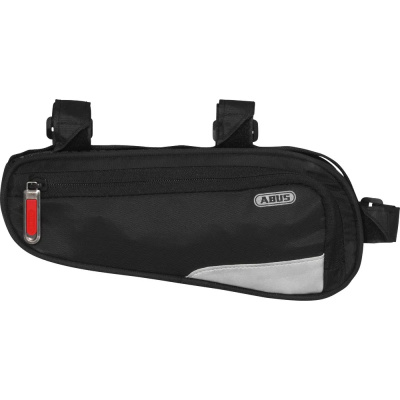
Abus frame bags bring the same no-nonsense build quality the brand puts into its locks straight into your bikepacking setup. These are bags made to work hard - whether you're loading up an Abus lock for a city commute or stuffing a mid-layer and a multi-tool into your front triangle before a long gravel day in the Peaks.
The materials do a lot of the talking here. High-density abrasion-resistant ripstop fabrics resist tearing where cheap nylon would give up, and weather-sealed, mud-resistant zippers keep UK grit from jamming the pulls mid-ride. The rubberised, non-slip Velcro mounting straps are worth a specific mention - they grip the frame tubes firmly and stop the bag from swaying laterally, which is the kind of thing you only appreciate once you've had a cheap bag clonking against your knee for thirty miles.
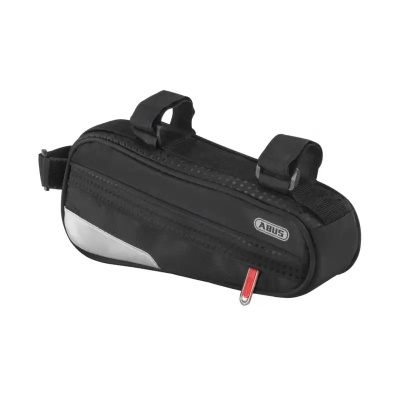
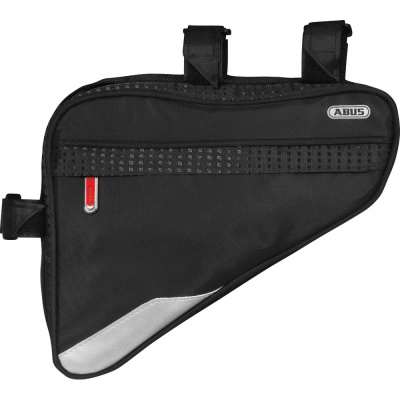
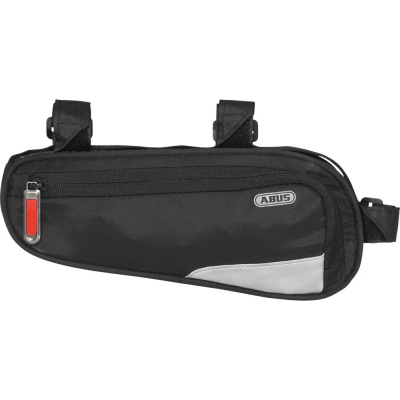
Capacity options run from slim top-tube designs suited to commuters carrying a phone, keys, and a few cables, right up to larger full-triangle bags for overnight touring. Water resistance is high across the range, with premium models offering taped seams for heavier showers and road spray. If you're comparing alternatives, Apidura frame bags and Ortlieb frame bags sit in a similar bracket - though Abus's mounting system has a distinctly practical, no-faff character that suits riders who just want to fit and forget.
Prices and availability can change quickly. Delivery charges are not always included in listed prices.
Final price, stock status and delivery terms are set by retailer. We may receive a commission on purchases made.
Getting the Fit Right: Sizing and Frame Compatibility
Before you buy, grab a tape measure and check the internal triangle of your frame - the distance along the top tube, down tube, and seat tube gives you the working envelope. Compare those numbers against the bag's stated dimensions and leave yourself a comfortable margin. A bag crammed into the triangle with no slack is harder to zip under load and puts more stress on the mounting straps.
The biggest practical trade-off with a full Abus triangle frame bag is bottle cage clearance. Larger-capacity bags can block one or both cage positions depending on your frame geometry, which matters if you're not running a handlebar or saddle bag for fluids. On compact geometry frames - common on many modern gravel bikes - a half-frame bag or an Abus saddle bag will often serve you better than forcing a full-frame option that crowds the triangle.
Strap length is worth checking too. Standard round steel and alloy tubes are well catered for across the range, but oversized carbon aero tubes - the kind with wide, flat profiles - can exceed the wrap length of shorter straps. If your frame has shaped tubes, double-check the strap specs before ordering. A bag that fits perfectly on a steel tourer might not close properly on a modern aero road bike.
Thinking about rear storage as well? Take a look at our Abus pannier bags for commuting capacity, or the saddle bag range linked above for lightweight bikepacking.
Commuter Bags vs. Touring Bags: What You Actually Get
Abus positions its frame bag range across two fairly distinct use cases, and understanding the difference saves you buying the wrong thing.
At the commuter end, you're looking at smaller-capacity bags - typically slim top-tube designs - built around splash-proof fabrics and straightforward zip access. They're light, tidy, and sized to hold a phone, a flat-key lock like an Abus cable or folding lock, earphones, and maybe a card wallet. The water resistance here is adequate for daily UK drizzle and road spray, but the construction doesn't push towards fully taped seams. That's a reasonable trade-off: you're not paying for expedition-grade materials when you're nipping to the station.
Step up to the touring and bikepacking-focused bags and the gap in construction is clear. Larger capacity litres, ripstop panels throughout, and weather-sealed mud-resistant zippers that won't jam when you've ridden through a Welsh lane caked in silica-rich clay. The rubberised Velcro straps on these models are wider and grip more surface area, which keeps the bag planted even on rough roads where a lighter commuter bag might start to wander. Taped internal seams mean standing water doesn't wick through under sustained rain.
The premium models cost more, but what you're paying for is durability over distance. A commuter bag used for bikepacking will show its limits within a season. If you're heading out on multi-day routes - think the Cairngorms or the South Downs Way loaded - the heavier-duty construction is worth the investment. For comparison, Altura frame bags and Blackburn frame bags occupy a similar middle ground, though Abus's zipper treatment tends to handle sustained grit exposure particularly well.
Keeping the Bag and Your Frame in Good Shape
UK riding conditions are genuinely rough on luggage. Road spray, silica-rich mud from bridleways, and the constant wet-dry cycle of a British winter all accelerate wear - both on the bag and, if you're not careful, on your frame's clearcoat.
The single most useful thing you can do before fitting any frame bag is apply helicopter tape - clear polyurethane film - to the top tube and down tube contact points. Wet grit works its way under the straps during a ride and acts like fine sandpaper every time the bag flexes. On a steel or alloy frame it'll dull the paint; on a carbon frame it risks surface scratches that are harder to assess. Tape is cheap, invisible once applied, and takes ten minutes. Do it first.
The zippers need occasional attention too, particularly after muddy rides. Dried mud contracts as it sets and can lock a zip pull solid. A soft brush and a rinse with clean water sorts the majority of mud contamination - work along the zip track, not across it. Once clean and dry, a light application of dry silicone lubricant (not oil-based, which attracts more grit) keeps the pulls running smoothly and prolongs the life of the weather seal. Do this every few rides in winter and you'll rarely have a zip problem.
The abrasion-resistant ripstop fabric holds up well to repeated contact with frame tubes, but check the underside of the bag periodically for wear patches, especially if you're running a full-frame bag close to the tyre or mudguard arc. Catching a thin spot early means a dab of seam sealer rather than a replacement bag.
Abus Frame Bags FAQs
Do frame bags scratch your bike?
They can. Grit trapped under the Velcro mounting straps acts like sandpaper on your paintwork as the bag moves during riding. Apply helicopter tape or clear frame protection film to the top tube and down tube contact points before fitting any frame bag - it's a five-minute job that saves your clearcoat.
How do I choose the right size frame bag?
Measure the internal triangle of your frame - top tube, down tube, and seat tube lengths - and compare against the bag's dimensions. Leave enough clearance to remove water bottles easily. If your frame has compact geometry, a half-frame or top tube bag is often a better fit than a full-triangle option.
Are Abus frame bags fully waterproof?
Premium Abus frame bags use highly water-resistant fabrics and weather-sealed mud-resistant zippers that handle heavy UK showers and road spray well. They're not submersion-rated, though. For electronics on particularly wet days or any river crossing, pop them in a secondary dry bag inside - it takes ten seconds and saves a lot of grief.