
Abus Aero TT Helmets
Abus Aero TT helmets are built around one idea: get you to the finish line faster. In the race of truth, there's nowhere to hide and no wheel to follow - so every marginal gain counts. Abus designs these helmets to do the heavy lifting on drag reduction, with wind tunnel testing backing up every curve and vent placement.
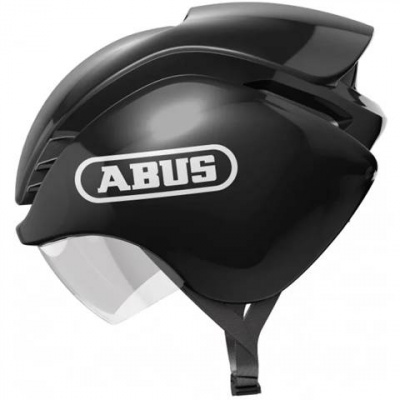
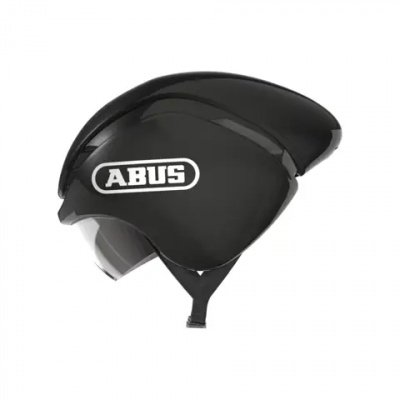
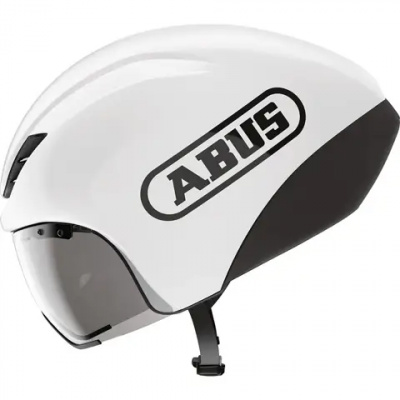
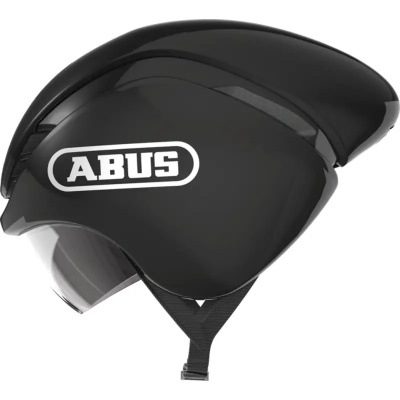
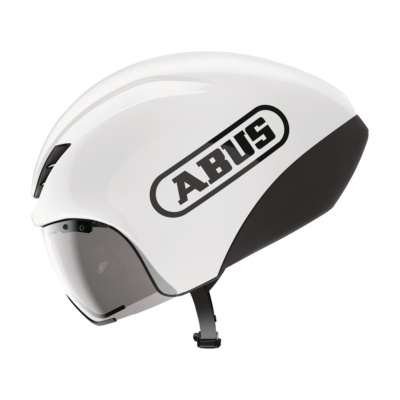
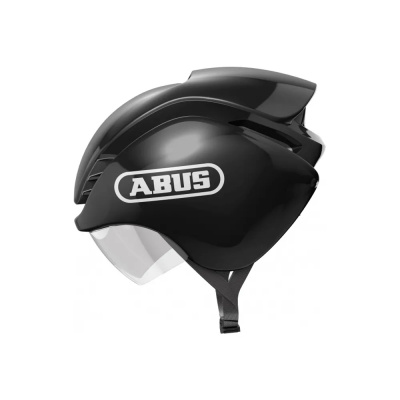
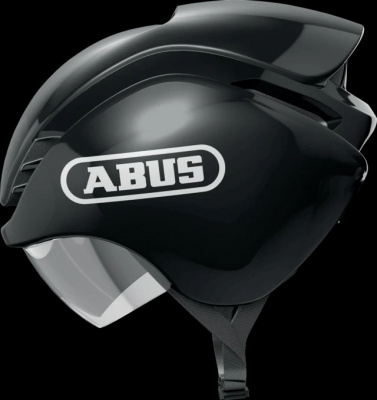
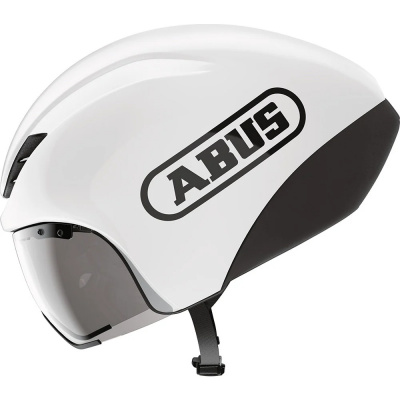
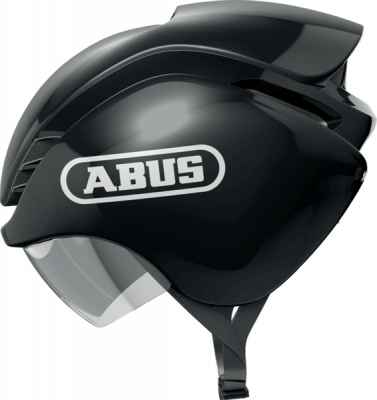
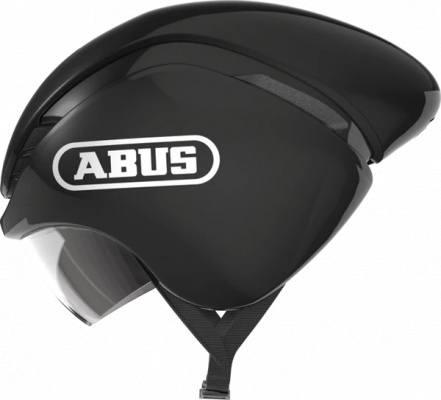
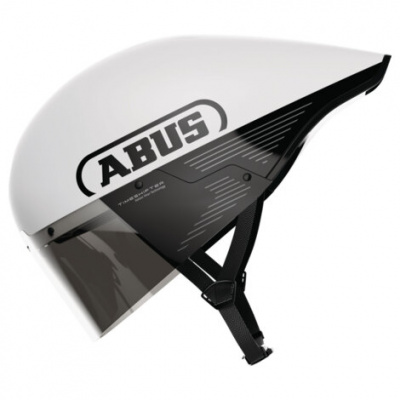
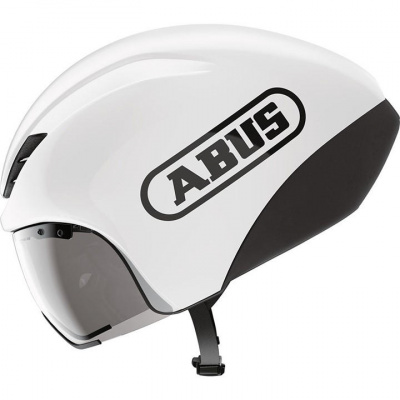
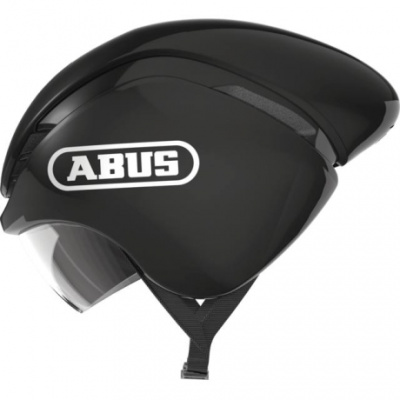
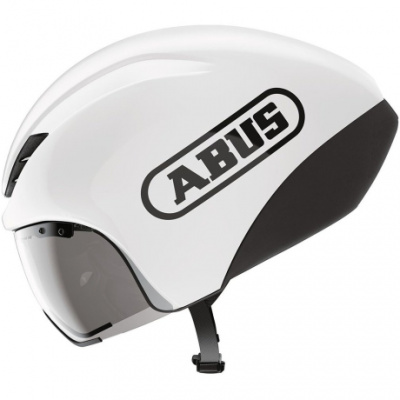
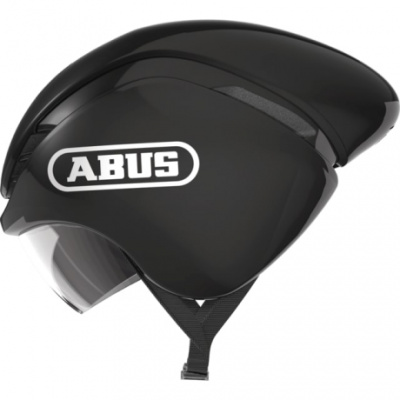
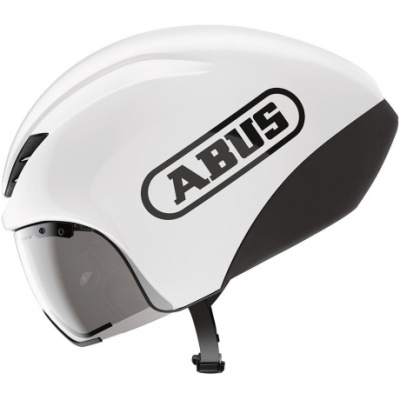
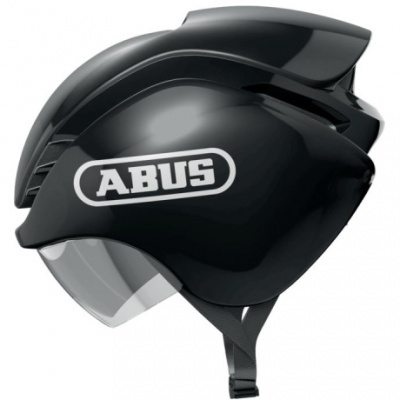
The Abus GameChanger TT sits at the sharp end of the range. It uses Abus's Multi Position Design, which keeps the helmet aerodynamically efficient even when your head drops in the final miles - handy when fatigue creeps in and your position shifts. That's not a given across all aero lids.
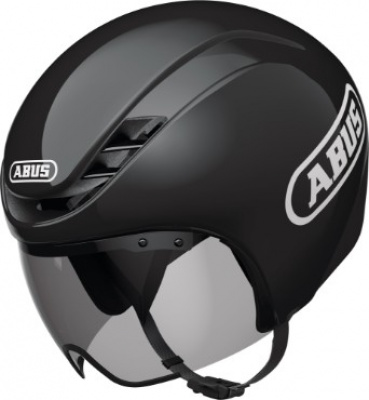
A magnetic visor with anti-fog coating keeps your vision clear through damp, murky British mornings, and the Fidlock magnetic buckle means triathlon transitions stay slick - no fumbling with a chin strap when seconds matter. Forced Air Cooling Technology channels airflow over your head, so you're not cooking on a humid August evening ten-mile.
If you're targeting a club TT, a regional championship, or a full iron-distance triathlon, this is where Abus focuses its engineering. Serious kit for serious efforts.
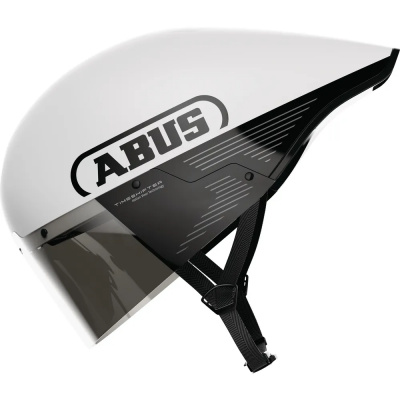
Prices and availability can change quickly. Delivery charges are not always included in listed prices.
Final price, stock status and delivery terms are set by retailer. We may receive a commission on purchases made.
Hard Tech: What the Wind Tunnel Actually Delivers
Aerodynamics on a TT helmet isn't just about having a long tail - it's about consistency. Abus's Multi Position Design addresses one of the most common ways riders lose free speed: head movement. When you're grinding up a false flat or pushing through the closing kilometres, your chin naturally lifts or drops. On a poorly designed aero lid, that shift can spike your drag coefficient significantly. Abus's shell geometry accounts for a range of head angles, keeping frontal area and drag reduction optimised without demanding a robotically fixed position.
The Forced Air Cooling Technology is worth understanding rather than dismissing as marketing. Internal channels route air across the scalp, which matters in humid UK summer conditions where heat buildup affects output well before you feel obviously overheated. You won't get the breeze of an open-vented road helmet, but Abus has clearly put thought into keeping core temperature manageable on courses like the flat, exposed dual-carriageway loops common to British 10s and 25s.
The magnetic visor does two jobs. First, it smooths the airflow across your face and forehead - a rough gap or lifted lens edge creates turbulence that costs measurable watts over distance. Second, the anti-fog coating on the lens handles the reality of an early-morning UK race start: cold air, damp roads, a body warming up fast. No visor fogs, no panic, no fumbling to remove it mid-effort. Clean it with water and a microfibre cloth only - no sprays, no paper towels. The coating is delicate and scratches easily, and a scratched anti-fog layer is effectively no anti-fog layer.
Crosswind stability is another genuine UK consideration. Exposed dual carriageway TT courses can throw gusts that make a poorly balanced aero helmet feel nervous. The tail geometry on Abus's TT lids is designed to remain stable rather than acting as a sail - not something you'd think about in a velodrome, but very relevant on an open A-road in October.
Fit, Sizing, and Where These Helmets Belong
Getting the fit right on an aero TT helmet matters more than on any other lid you own. Start with the Zoom Ace dial at the rear - wind it until the cradle sits snugly around your occipital bone without any pressure points. It should feel secure when you shake your head, with no rocking. Then check your strap: flat under the chin, just enough room for two fingers.
The critical check is in your aero position. Get on your bike - or at least simulate your tuck - and have someone look from the side. The tail of the helmet should sit flush against your back, parallel to your spine. If it's pointing upward, the helmet is too far back on your head. If it's digging in, it's too far forward. Neither is giving you the aerodynamic benefit you paid for, and the flush-tail position is where the wind tunnel data actually applies.
One thing to be clear about: dedicated Abus time trial helmets are designed for racing against the clock, not for general riding. If you're looking for something to wear on a sportive, a chain-gang, or a day in the Dales, these aren't it - the limited ventilation and restricted field of hearing make them the wrong tool. For those rides, take a look at the broader Abus helmets range, which covers road, commute, and trail use with the same build quality. If you're after a full-face option for aggressive descending or trail riding, the Abus full face helmets are worth a look.
For competitors weighing up alternatives, Kask aero TT helmets and Giro aero TT helmets sit in similar territory - different fit profiles and visor systems, so worth trying alongside Abus if you're between brands. MET aero TT helmets are another solid option if you find the Abus shell geometry doesn't suit your head shape.
Race Day Prep and Looking After the Kit
Transport is where TT helmets take the most damage. The aerodynamic tail is structurally vulnerable - it's not designed to be sat on, wedged in a bag, or used as a cup holder in the passenger seat (you'd be surprised). Carry it in a dedicated helmet bag or in the original box with the visor removed and stored flat. The magnetic lens clicks off easily; do it before you pack the helmet, not after it's bounced around for an hour on the M1.
Post-race visor care is straightforward but easy to get wrong. Rinse with clean water, pat dry with a microfibre cloth, and store the lens in a soft pouch. Avoid leaving it face-down on any surface. Dry anti-fog coatings and abrasive contact don't mix, and replacement visors aren't cheap. Keep the helmet shell away from direct sunlight for extended periods - UV degradation affects EPS foam over time, which isn't visible until the protection is already compromised.
If you're heading to a triathlon, pair the helmet with properly sorted transition kit. Abus's saddle bags can help keep your bike setup tidy, and given you're leaving kit in transition overnight at some events, their locks range is worth factoring in for securing your bike securely in T1.
The Fidlock magnetic buckle is genuinely useful in transition - one-handed, fast, and reliable - but practice it before race day. It's different enough from a standard buckle that fumbling it under pressure is a real possibility if you've never used it in anger.
Abus Aero TT Helmets FAQs
Are aero helmets worth it for time trials?
Yes - a quality aero helmet is one of the most effective aerodynamic upgrades available per pound spent. Compared to a standard vented road helmet, a dedicated TT lid reduces drag meaningfully, translating to real watt savings and seconds dropped over a 10- or 25-mile course. The faster you ride, the bigger the return.
How do you fit an Abus aero helmet?
Use the Zoom Ace dial at the rear to dial in a snug fit around the occipital bone - no pressure points, no rocking. Sit the helmet level on your head, then check your aero tuck: the tail should lie flush against your back. If it's angled up or pressing in, adjust the fore-aft position before your next ride.
Can you use a TT helmet for road racing?
Technically yes, but it's the wrong tool. Dedicated TT helmets ventilate poorly over long, hard road races and can limit your hearing and peripheral awareness in a bunch - both safety concerns in a mass-start event. For road racing or everyday fast riding, a semi-aero road helmet is a far more sensible choice.