
POC Full Face Helmets
POC full face helmets sit at the sharper end of gravity protection - Swedish-engineered lids that take impact management seriously without burying you under unnecessary weight. Whether you're clipping into the uplift at Glentress or grinding out a Tweed Valley enduro stage, there's a POC full face built around what your riding actually demands.
The foundation is the safety stack. Mips Integra rotational impact protection is woven into the liner itself rather than bolted on as an afterthought, so the fit stays clean and the coverage is consistent. Beneath the shell, multi-impact EPP liners in the lower helmet absorb repeated knocks - useful when a single run isn't your only concern - while EPS in the upper section handles the harder, sharper hits. Aramid bridges tie it all together structurally, stopping the shell from fragmenting on serious impacts. The breakaway peak design is worth noting too: it's engineered to release under load rather than lever your neck, which matters more than most riders think until it doesn't.
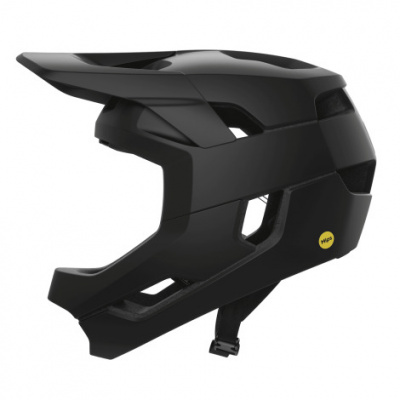
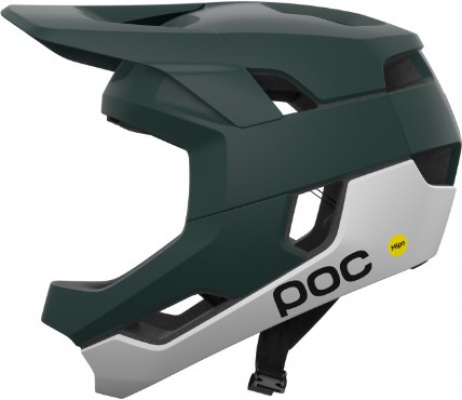
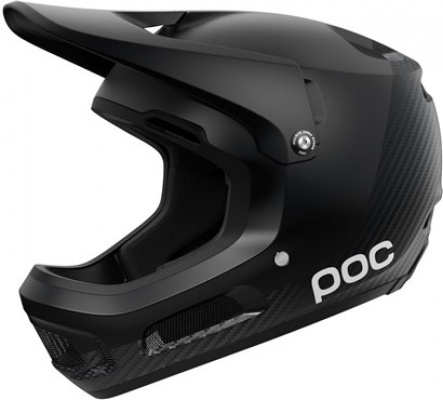
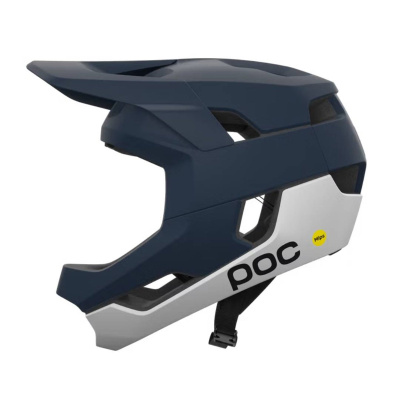
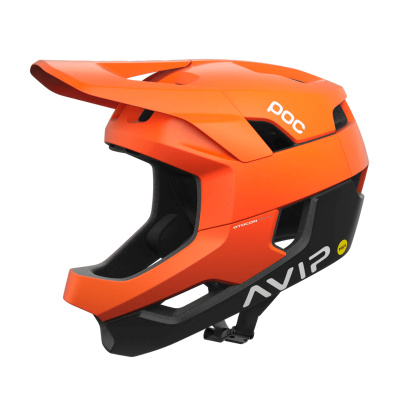
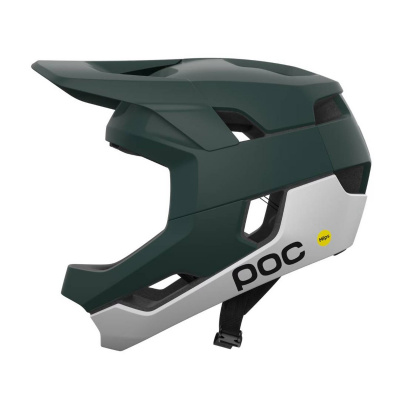
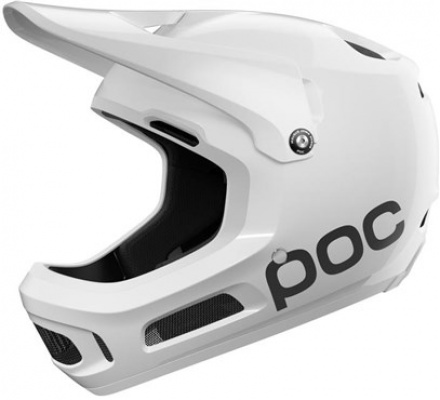
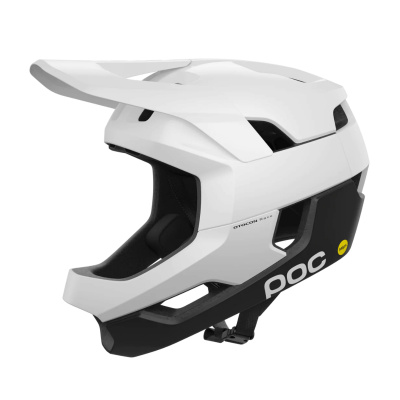
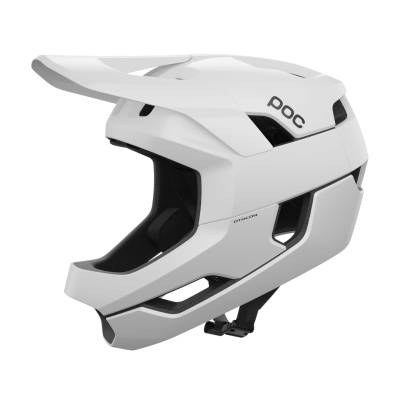
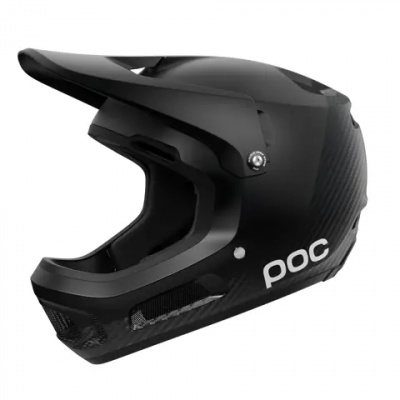
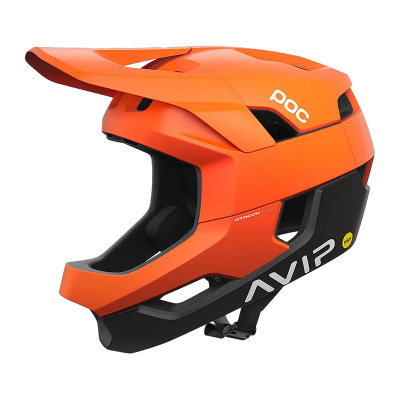
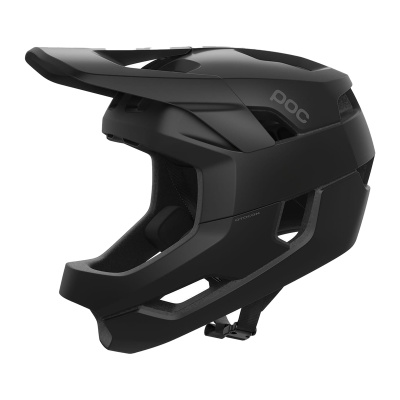
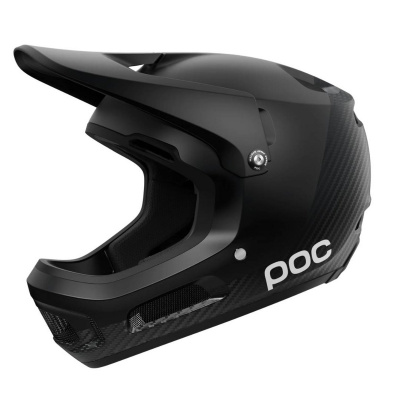
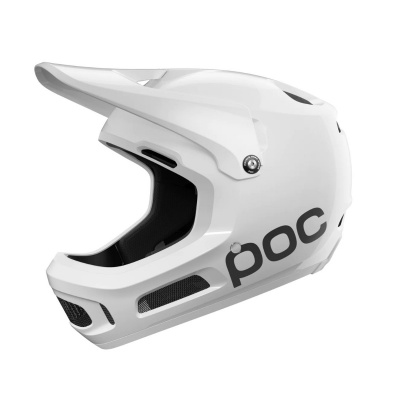
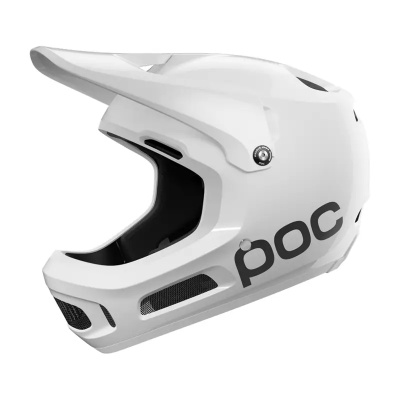
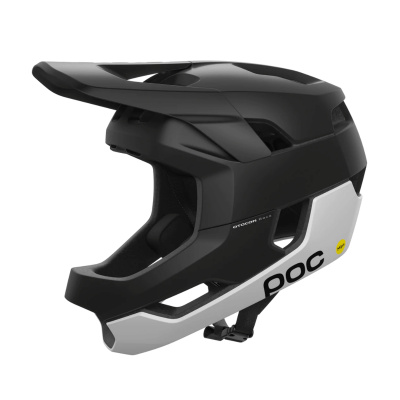
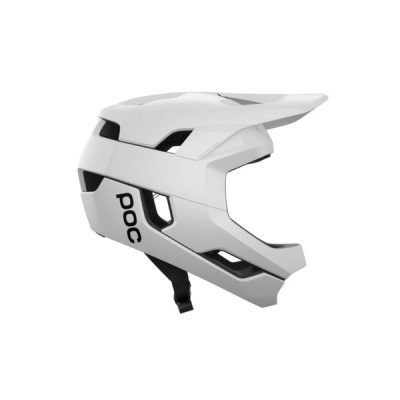
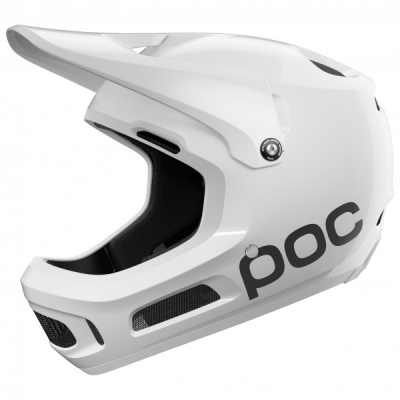
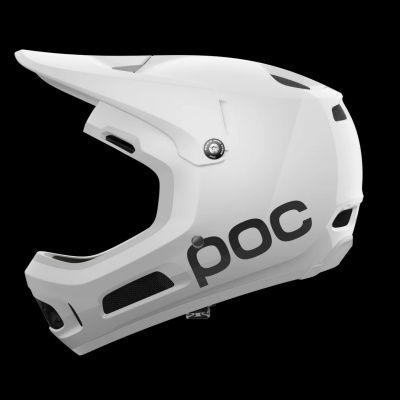
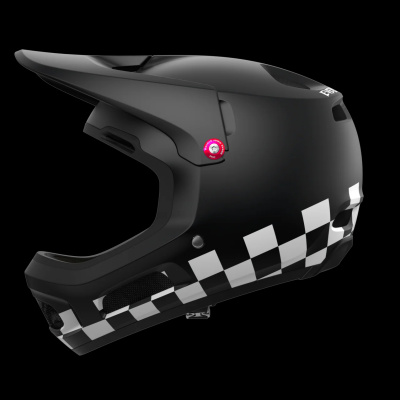
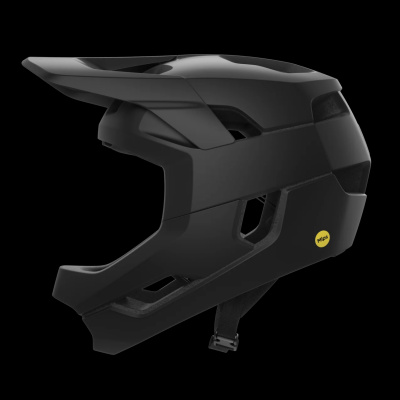
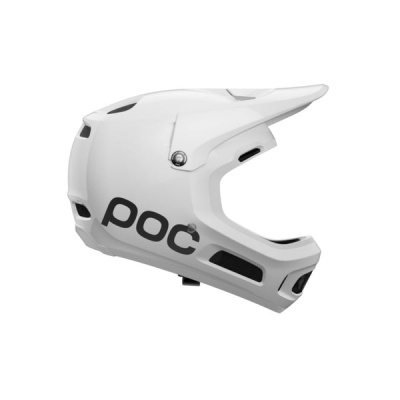
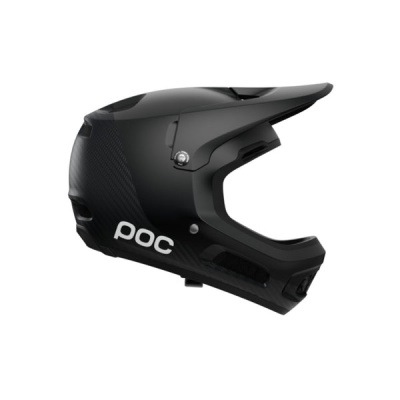
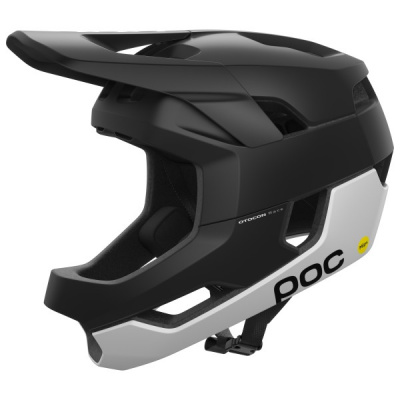
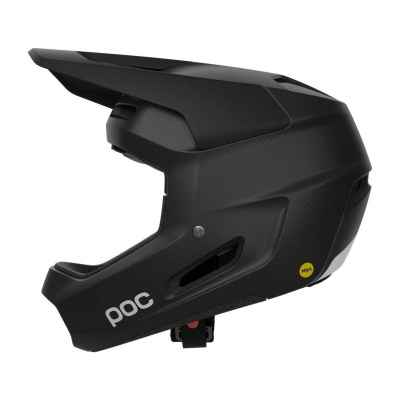
Two models do the heavy lifting in the range. The Coron Air is POC's downhill-certified workhorse - built for bike park repetition and race day. The Otocon is lighter, dramatically better ventilated, and designed for enduro riders who have to earn their descents. Both use the same core safety architecture. The difference is in how you spend most of your day.
Prices and availability can change quickly. Delivery charges are not always included in listed prices.
Final price, stock status and delivery terms are set by retailer. We may receive a commission on purchases made.
What's Actually Going On Inside the Shell
POC's approach to impact protection is layered - literally. The lower section of each helmet uses EPP (Expanded Polypropylene), a foam that can absorb multiple impacts without losing its structure. That's relevant for enduro riders who might take a low-speed tumble on a rocky transition climb and then carry on. The upper shell pairs that with EPS (Expanded Polystyrene), which is better suited to managing the sharp, high-energy forces of a proper high-speed get-off. Most helmets use one or the other throughout. Using both, where each makes most sense, is a considered engineering decision rather than a marketing tick-box.
Aramid bridges - aramid being the same material family as Kevlar - run through the structure to prevent the helmet cracking apart on severe impact. Think of it as the difference between a windscreen that crazes versus one that shatters into pieces; the bridge system keeps the helmet intact and protective even when it's taking serious force. Combined with Mips Integra, which allows the liner to rotate independently of the outer shell during an angled impact, the result is a helmet that addresses both linear and rotational forces in a single coherent system - not two separate add-ons fighting for space.
The breakaway peak is easy to overlook but genuinely important. In a forward impact, a rigid peak can act as a lever on your neck. POC's peaks are designed to detach cleanly under that kind of load, reducing the rotational neck force before it becomes a problem. It's the sort of detail you won't notice until you need it.
Coron Air or Otocon - Which One's for You
The Coron Air is POC's dedicated POC downhill helmet. Fiberglass or carbon shell depending on the spec, downhill certified, and built to handle the kind of repeated high-speed abuse that bike park laps dish out. It's heavier than the Otocon - deliberately so. The shell geometry and materials prioritise maximum coverage and structural robustness. If your days involve uplift queues and timed runs at a trail centre rather than two-hour pedal approaches, this is the one to look at. Pair it with POC Goggles and the integration is seamless.
The Otocon takes a different line. It's the lightweight full face MTB helmet in the POC range - noticeably less mass on your head, and ventilation channels that actually work when you're grinding uphill in August humidity. The Race Lock fit system gives you a dial-adjustable retention cradle at the back, so you can fine-tune the fit on the fly rather than swapping out pads mid-stage. Removable cheek pads let you adjust comfort and fit precision independently. If your riding involves any meaningful amount of pedalling - Tweed Valley enduro, Highland Trail, anything where the climbs are real - the Otocon is the more honest choice.
If you're after half-shell trail protection rather than a full face lid, or something for road and gravel use, those are separate conversations - our Fox full face helmets, Troy Lee Designs full face helmets, and Bell full face helmets pages cover the broader gravity market if you want to compare across brands before committing.
Ventilation, Goggle Fit, and Keeping It Clean
UK riding puts specific demands on a full face helmet that, say, a dry Californian trail centre simply doesn't. The Tweed Valley in September is humid, rooty, and involves a lot of slow climbing with a full face on your head. That's when poor ventilation channels go from a minor gripe to a genuine misery. The Otocon's internal ventilation channels are wide and direct - air moves through the liner rather than just across the outer shell - which makes a real difference when you're sweating on a boggy forest climb before the descent you actually came for.
Goggle integration on both models is worth paying attention to. The brow geometry is shaped to accept POC's own goggle frames without gaps or pressure points, which prevents the cold-air funnelling that causes lens fogging on wet descents. If you're running POC Goggles, the fit is engineered - not approximate. Mud clearance in the goggle channel is also generous, which matters when you're riding through the kind of Welsh winter slop that coats everything within the first five minutes.
Maintenance is straightforward and worth doing regularly. The cheek pads and inner liner on the Otocon pull out without tools - give them a hand wash in mild soapy water, rinse thoroughly, and let them air dry away from direct heat. Don't bung them in the machine or blast them with a hairdryer; the foam backing doesn't respond well to either. After a muddy Northumberland enduro or a particularly grim bike park day, cleaning the pads properly and leaving the helmet open to dry overnight keeps bacteria from building up and extends the lifespan of the foam considerably. The shell itself just needs a wipe with a damp cloth - avoid solvent-based cleaners near the EPS liner.
To round out your setup, POC body armour is designed to work with the same size and fit philosophy as the helmets, and POC gloves and POC MTB baggy shorts complete a kit that's been built to move together rather than just look coordinated in the car park.
POC Full Face Helmets FAQs
How should a POC full face helmet fit?
Snug all over, with the cheek pads pressing firmly but not painfully against your face - you should feel them without being aware of them constantly. Shake your head: if the helmet moves independently of your skull, drop a size or try thicker replacement cheek pads. The Race Lock dial on the Otocon lets you fine-tune rear retention once you've got the right shell size sorted.
What is the difference between the POC Otocon and Coron Air?
The Coron Air is a pure downhill helmet - heavier shell, downhill certified, built for bike park repetition and race-day protection. The Otocon is lighter with substantially better ventilation and a Race Lock dial fit system, aimed at enduro riders who spend real time pedalling between descents. Same core safety architecture; very different priorities in the riding day.
Can you wash the pads in a POC full face helmet?
Yes. Both the cheek pads and inner liner are removable on current POC models. Hand wash in cool water with a mild detergent, rinse well, and air dry completely before refitting. Avoid machine washing or heat drying - both degrade the foam backing and reduce the pads' effectiveness faster than honest trail use ever would.