
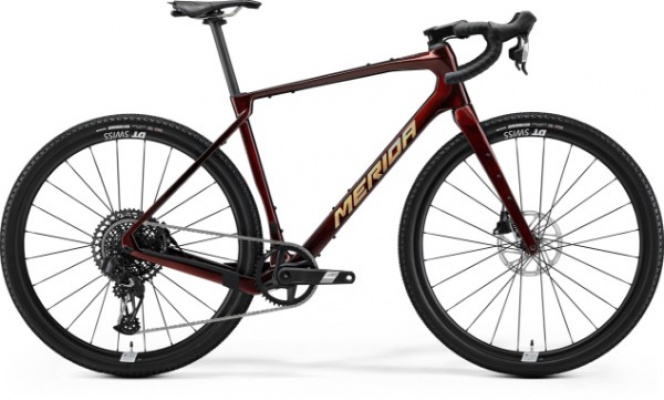
Merida SILEX 8000
Stable, comfortable adventure gravel built for loaded touring, rough terrain, and long days when the road runs out.
- SRAM Apex AXS wireless 1×12: no cables, wide range
- Disc Cooler fins drop brake temps by 35%
- Five bottle bosses plus fork mounts for bikepacking
- 700×45mm tyre clearance for rough terrain confidence
- MTB-inspired geometry: stable when loaded, calm on descents
- Suspension fork compatible without geometry compromise
Merida SILEX 8000 Deals
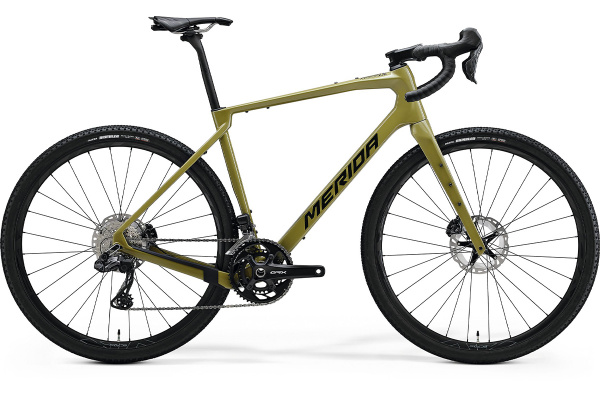


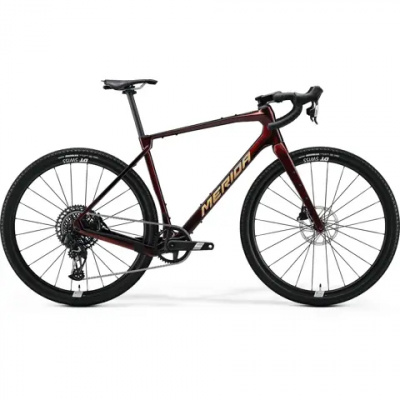
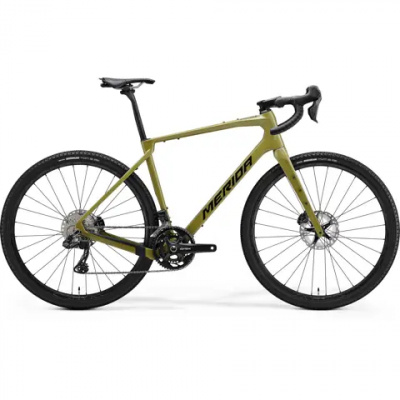
Prices and availability can change quickly. Delivery charges are not always included in listed prices.
Final price, stock status and delivery terms are set by retailer. We may receive a commission on purchases made.
Bikesy's Verdict
The SILEX 8000 is a bike you trust when the road runs out and the map gets interesting. It won't win your local gravel crit, but it'll carry you and your kit across continents without complaint, soaking up rough surfaces and staying composed on technical descents even when loaded. The MTB-inspired geometry, Disc Cooler brakes, and extensive mounts make it a natural for bikepacking and adventure riding, while the SRAM Apex AXS wireless drivetrain keeps things simple and reliable.
If you value stability over twitchiness, comfort over outright speed, and versatility over specialisation, this is one of the most capable adventure gravel bikes you can buy. It's for riders who measure trips in days, not segments, and who need a frame that won't punish them when the surface turns to corrugations or the descent gets steep with twenty kilos on board. The SILEX 8000 is a proper tool for the road less travelled.
Pros
- Stable, confidence-inspiring geometry that stays calm when loaded
- Disc Cooler fins drop brake temps by 35% on long descents
- Five bottle bosses plus fork mounts for serious bikepacking
- SRAM Apex AXS wireless shifting: no cables, wide 10 - 52T range
- 700×45mm tyre clearance for rough terrain and all-day comfort
Cons
- Heavier than race gravel bikes if you chase fast group rides or KOMs
- Less agile in tight corners; takes a beat longer to accelerate
- 1× drivetrain can feel limited on fast tarmac if you prefer tighter gear steps
About the Merida SILEX 8000
The SILEX 8000 sits at the adventure end of Merida's gravel spectrum, a bike built for the road less travelled rather than the podium. Where the new Mission platform chases race results, the SILEX doubles down on versatility: it'll carry your kit across continents, soak up washboard gravel for hours, and still feel composed when you point it down a rocky descent with panniers swinging. The second-generation frame blends mountain bike confidence with gravel efficiency, wrapping CF2 carbon around a geometry that prioritises stability over twitchiness and comfort over outright speed.
For 2026 Merida has swapped in SRAM's Apex AXS wireless drivetrain - a single-ring 1×12 setup that cuts cables and clutter while delivering a 10 - 52-tooth range wide enough for loaded climbs and fast valley roads. DT Swiss G 1800 Spline wheels wear Maxxis Rambler rubber at 45mm, and those 180mm brake rotors get the brand's Disc Cooler treatment: CNC-machined aluminium fins on the chainstay that drop operating temperatures by up to 35 per cent. It's a detail that matters when you're descending alpine passes with twenty kilos of camping gear.
This isn't a bike that'll win your local gravel crit, but that's not the brief. The SILEX 8000 is for riders who measure rides in days rather than hours, who value a frame that won't punish you over corrugations, and who need mounts for everything from spare bottles to dynamo lights. It's a platform you can trust when the tarmac runs out and the map gets vague.
Merida SILEX 8000 geometry
Merida borrowed from the mountain bike playbook here: a long top tube, a slack head angle, and an 80mm stem across every size. The result is a front end that feels planted rather than nervous, tracking through ruts and over roots without the constant micro-corrections that shorter, steeper bikes demand. You sit in the bike rather than perched on top of it, and when you load the fork with bags or strap gear to the frame, the handling stays predictable.
Reach grows steadily from 392mm in XS to 441mm in XL, but stack climbs in step so you're not forced into an aggressive tuck. The 69.5-degree head angle is calmer than most race gravel bikes, which means descents feel less frantic and technical sections don't punish lapses in concentration. Chainstays hold steady at 430mm across the range, short enough to keep the rear wheel responsive but not so tight that the bike gets skittish when you hang a saddlebag off the rails.
The upright posture and longer wheelbase do cost you a little snap out of corners - this isn't a bike that pivots on a sixpence - but the trade-off is all-day comfort and the kind of stability that lets you relax when the surface turns to marbles. If your rides involve more exploration than competition, the geometry makes sense.
Component choices & upgrades
The stock build is already well sorted. SRAM Apex AXS gives you wireless shifting with a clutch rear mech that keeps the chain quiet over rough ground, and the 10 - 52-tooth cassette paired with a 42-tooth chainring covers everything from steep gravel climbs to fast tarmac linking sections. The DT Swiss G 1800 Spline wheels are robust and tubeless-ready, with a 24mm internal width that supports the Maxxis Rambler tyres well. Those Ramblers are a sensible all-rounder: fast-rolling centre tread with enough side knob to hook up in loose corners.
If you're chasing weight or planning to race the occasional event, lighter wheels would sharpen the bike's responses - something in the 1,400-gram range would drop rotational mass without sacrificing durability. The Easton EC70 AX carbon bar is already a quality piece, but if you prefer more flare or a different reach, swapping bars is straightforward. Tyre choice is the easiest way to tune the ride: go narrower (say, 38mm) for faster tarmac sections, or fit something with deeper tread if you're heading into proper mud or loose trails.
The Prologo Scratch M5 AGX saddle includes a neat integrated minitool in the V-mount adapter, which is handy for trailside tweaks, though saddle fit is personal - don't hesitate to swap if it doesn't suit your sit bones. The SRAM Apex hydraulic brakes with 180mm rotors and Disc Cooler fins are already generous; unless you're descending alpine passes daily with a full load, there's little reason to upgrade. The stock setup rewards riders who want to ride rather than tinker.
Where the Merida SILEX 8000 excels
This bike is outstanding at multi-day bikepacking and long-distance gravel adventure. The stable geometry, generous tyre clearance, and extensive mounting points make it a natural for loaded touring, whether you're crossing continents or stringing together weekend overnighters. The Disc Cooler technology and powerful brakes mean you can descend technical passes with confidence, even when the bike is carrying twenty kilos of kit. The CF2 carbon frame soaks up vibration without feeling dead, and the S-Flex seatpost adds another layer of compliance for all-day comfort.
It's also very capable on rough gravel and bridleways where surface quality varies wildly. The MTB-inspired geometry keeps the front end calm through washboard sections and loose corners, and the 45mm Rambler tyres have enough volume to float over gravel and absorb sharp edges. If your rides mix tarmac linking sections with long stretches of unmaintained tracks, the SILEX 8000 won't complain.
Where it's less ideal: fast group rides and competitive gravel racing. The longer wheelbase and upright position mean it takes a beat longer to accelerate out of corners, and when the pace lifts on smooth roads, lighter race-focused bikes will feel snappier. The 1× drivetrain is simple and reliable, but if you spend a lot of time on tarmac at higher speeds, you might miss the tighter gear steps of a 2× setup. It's also heavier than dedicated race gravel bikes - around 9.2 kilograms in a size medium - so if you're chasing KOMs or podiums, there are faster options. But if your idea of a good ride involves a tent, a map with blank spots, and roads that might not be roads at all, the SILEX 8000 is hard to fault.
Merida SILEX 8000 FAQs
What is the maximum tyre size for the Merida SILEX 8000?
The frame clears 700×45mm tyres, or 700×42mm if you fit mudguards. That's enough volume for proper off-road capability and comfort over rough surfaces without compromising handling. The dropped chainstay design is what unlocks that clearance.
Is the Merida SILEX 8000 suitable for bikepacking?
Absolutely. Five bottle bosses, fork cargo mounts, rack and mudguard eyelets, plus WIRE PORT internal cable routing that won't snag on frame bags - it's designed for loaded touring. The stable geometry and Disc Cooler brakes make it confidence-inspiring when you're carrying weight, and the wide gear range handles steep climbs even with panniers.
What is the weight of the Merida SILEX 8000?
Around 9.2 kilograms for a size medium with the 2026 SRAM Apex AXS build. That's not featherweight, but it's reasonable for a bike with this much versatility and durability built in. The CF2 carbon frame keeps weight in check without sacrificing strength.
What type of bottom bracket does the Merida SILEX 8000 use?
A BSA threaded bottom bracket. It's a reliable, serviceable standard that's easy to maintain and compatible with a wide range of cranksets. No press-fit creaks to worry about on long tours.
Can I fit a suspension fork to the Merida SILEX 8000?
Yes. The revised fork design allows you to swap in a suspension fork without altering the bike's geometry, so you can add front travel for rougher terrain or bikepacking routes that venture onto singletrack. The frame's already set up for it.
What are the key differences between the 2025 and 2026 Merida SILEX 8000 models?
The 2026 model switches to SRAM Apex AXS wireless 1×12 drivetrain, replacing the Shimano GRX Di2 2×12 option from 2025. You also get DT Swiss G 1800 Spline wheels instead of the Easton EC70 AX carbon hoops, and the colour changes to Elegant Wildberry Gold. The frame, geometry, and Disc Cooler brake tech carry over unchanged.
Is the Merida SILEX 8000 good for long-distance riding?
Very. The upright geometry, compliant frame, S-Flex seatpost, and generous tyre clearance all contribute to comfort over hundreds of kilometres. The wide gear range and stable handling mean you won't be fighting the bike when fatigue sets in, and the extensive mounts let you carry everything you need without resorting to a backpack.
What are the pros and cons of the Merida SILEX 8000?
Pros: exceptional stability and comfort, extensive bikepacking mounts, Disc Cooler brake technology, generous tyre clearance, and a versatile platform for adventure riding. Cons: heavier than race-focused gravel bikes if outright speed matters, less agile in tight corners or sprints, and the 1× drivetrain might feel limited if you spend a lot of time on fast tarmac.
Key Features & Benefits
- SRAM Apex AXS wireless 1×12 drivetrain: No cables to snag on bags, wide 10 - 52T range for loaded climbs and fast flats, clutch mech keeps the chain quiet over rough ground
- Disc Cooler aluminium fins on chainstay: Drops brake operating temps by up to 35%, crucial for long descents with panniers or when braking hard on technical terrain
- MTB-inspired geometry with 69.5° head angle and 80mm stem: Stable, planted handling on rough gravel and descents; tracks confidently through ruts and stays predictable when loaded
- Five bottle bosses, fork cargo mounts, and WIRE PORT cable routing: Carry everything you need for multi-day tours without frame-bag snags; dynamo-ready for self-supported adventures
- 700×45mm tyre clearance and CF2 carbon frame: Fits wide rubber for traction and comfort over rough surfaces; compliant frame soaks up vibration without feeling sluggish
Merida SILEX 8000 2025 and 2024 differences
The 2025 SILEX 8000 was available with either Shimano GRX825 Di2 2×12 electronic shifting or SRAM Apex AXS 1×12 wireless, paired with Easton EC70 AX carbon wheels and Shimano GRX820 hydraulic disc brakes with 180mm rotors and Disc Cooler technology. Component specs were otherwise very similar to the 2026 model, with the same CF2 carbon frame, MTB-inspired geometry, and extensive mounting options for bikepacking.
For 2026, Merida has standardised on the SRAM Apex AXS 1×12 wireless drivetrain, dropping the Shimano GRX Di2 2× option. The wheels have changed from Easton EC70 AX carbon to DT Swiss G 1800 Spline, and the colour has shifted to Elegant Wildberry Gold. The frame, geometry, tyre clearance (700×45mm), and Disc Cooler brake technology remain unchanged. The 2024 model was very similar to the 2025 spec, with Shimano GRX820 brakes and Easton wheels being the common configuration.
Alternatives to Consider
Within Merida's own range, the SILEX 7000 offers a similar adventure-focused platform with a slightly more accessible component spec - Shimano GRX mechanical shifting and alloy wheels - if you want the same geometry and versatility without the wireless drivetrain. Step up to the new Merida Mission CX 8000 if racing is more your focus; it's lighter, more aggressive, and built for cyclocross and fast gravel events rather than loaded touring.
Cross-brand, the Specialized Diverge Comp Carbon brings Future Shock front suspension and a more road-biased geometry, trading some of the SILEX's off-road stability for smoother tarmac manners and a lighter feel. The Salsa Warbird Carbon GRX 600 is another adventure-ready option with similar tyre clearance and bikepacking credentials, though it leans slightly racier in geometry. For pure versatility, the Ribble Gravel Ti offers titanium compliance and a lifetime frame guarantee, with a more custom build-your-own approach. The Trek Checkpoint SL 5 splits the difference between race and adventure, with IsoSpeed compliance and a 2× drivetrain if you prefer tighter gear steps on varied terrain. Each has its own character, but the SILEX 8000's combination of stability, Disc Cooler tech, and extensive mounts makes it particularly compelling for riders who measure trips in days rather than hours.
Reviews
Longer reach and a calmer front centre bring poise that really shows when the surface turns to marbles or the bike's loaded with a week's kit. Stability is the headline act: the front end tracks through washboard gravel and loose corners without the constant steering corrections that shorter, steeper bikes demand. When you hang panniers off the rear and strap a dry bag to the fork, the handling stays predictable rather than wandering.
Comfort over distance is another strength. The CF2 carbon frame filters vibration without feeling dead, and the S-Flex seatpost adds another layer of compliance that matters after six hours in the saddle. Those 45mm Maxxis Ramblers have enough volume to float over rough gravel and absorb sharp edges, and the 24mm internal rim width supports them well. Disc Cooler fins on the chainstay aren't just a neat detail - they genuinely drop brake temps on long descents, which you'll appreciate when you're braking hard with a full load.
SRAM Apex AXS wireless shifting is clean and reliable, the clutch rear mech keeping the chain quiet over rough ground. The 10 - 52-tooth cassette paired with a 42-tooth ring covers steep climbs and fast linking sections, though the single-ring setup can feel a touch gappy on smooth tarmac if you're used to a 2×. Acceleration out of corners takes a beat longer than racier bikes - the longer wheelbase and upright position mean it's not as snappy - but that's the trade-off for all-day comfort and stability.
We rate the extensive mounting options highly: five bottle bosses, fork cargo points, and WIRE PORT internal routing that won't snag on frame bags. It's a bike that rewards planning and exploration rather than chasing segments. Weight sits around 9.2 kilograms, which is reasonable for the spec and durability on offer, though lighter race gravel bikes will feel quicker when the pace lifts. If your rides involve rough terrain, loaded touring, or long days where comfort trumps outright speed, the SILEX 8000 delivers.
Full Specification
| Spec | Value |
|---|---|
| Frame Material | CF2 Carbon |
| Frame Features | WIRE PORT internal cable routing; Disc Cooler technology (CNC-machined aluminum fins on chainstay); multiple mounting points for cages, bags, fenders, racks; five bottle bosses |
| Tyre Clearance | 700x45mm (700x42mm with fenders) |
| Bottom Bracket | BSA |
| Rear Axle | 142x12mm |
| Fork | Merida SILEX II CF2 Carbon, rigid, tapered steerer, cargo mounting points, dynamo hub routing |
| Shifters | SRAM Apex AXS (wireless, electronic) or Shimano GRX825 Di2 (electronic) |
| Rear Derailleur | SRAM X1 Eagle AXS (wireless) or Shimano GRX825 Di2 |
| Front Derailleur | Shimano GRX825 Di2 (2x12 models only) |
| Crankset | SRAM Apex 1 Wide, 42T, 165mm (XXS/XS), 170mm (S/M), 172.5mm (L/XL) or Shimano GRX820, 48-31T, 170mm (XS/S), 172.5mm (M), 175mm (L/XL) |
| Cassette | SRAM XG 1275, 10-52T, 12-speed or Shimano HG710, 11-36T, 12-speed |
| Chain | SRAM Apex CN-APX-D1 or Shimano M8100 |
| Brakes | Hydraulic disc |
| Brake Calipers | SRAM Apex or Shimano GRX820 |
| Brake Levers | SRAM Apex AXS or Shimano GRX825 Di2 |
| Rotors | 180mm |
| Rims | DT Swiss G 1800 SPLINE, 24mm internal width or Easton EC70 AX, 24mm internal width |
| Hubs (Front) | DT Swiss G 1800 SPLINE, 100x12mm or Easton EC70 AX, 100x12mm |
| Hubs (Rear) | DT Swiss G 1800 SPLINE, 142x12mm or Easton EC70 AX, 142x12mm |
| Tyres | Maxxis Rambler 700x45C |
| Handlebar | Easton EC70 AX carbon, 400mm (XS-S), 420mm (M), 440mm (L/XL) |
| Stem | Merida Team CC III, aluminium, 31.8mm diameter, -6° angle, 80mm |
| Headset | Acros ICR Merida external or Merida 8158 |
| Seatpost | Merida Team SL, 27.2mm diameter, 15mm setback, carbon, S-Flex or Merida Team SL II, 27.2mm diameter, 0mm setback, carbon |
| Saddle | Prologo Scratch M5 AGX with V-mount adapter |
| Weight (Approx) | 9.2 kg (Size M, 2026 model with SRAM Apex AXS) |