
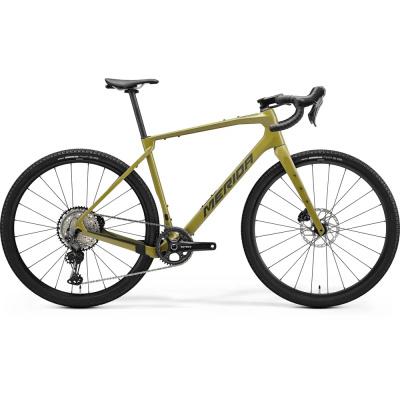
Merida SILEX 7000
Stable MTB-inspired geometry, wide tyre clearance, and all-day comfort for rough gravel and loaded adventures.
- Carbon CF2 frame with MTB-inspired geometry for off-road confidence
- Shimano GRX 12-speed: 10-51t cassette, 42t chainring
- 700×45mm tyre clearance - comfort and traction on rough surfaces
- WIRE PORT internal routing: clean lines, bag-friendly
- Multiple mounts for bottles, bags, fenders, and accessories
- Suspension fork compatible without geometry compromise
Merida SILEX 7000 Deals
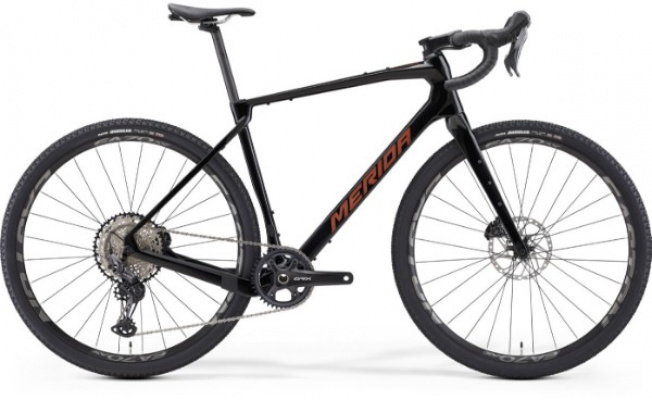
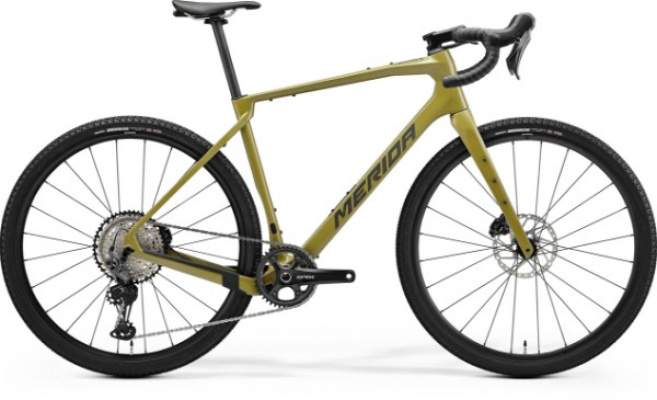
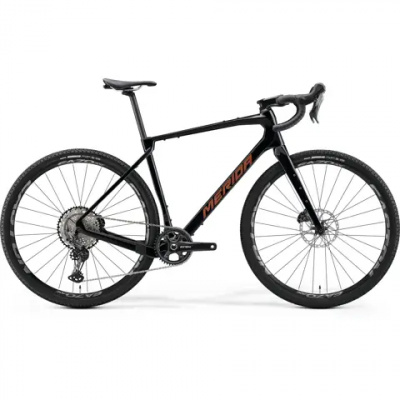
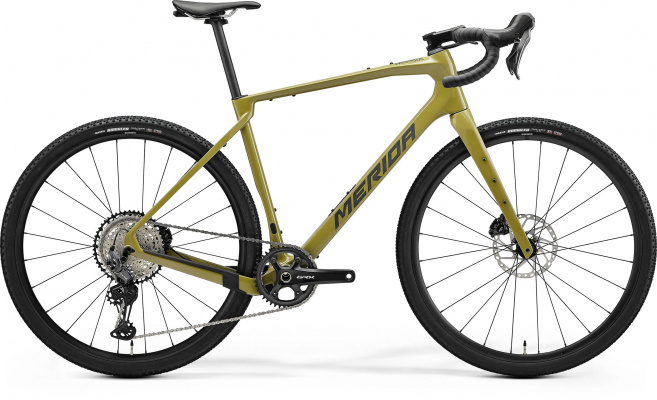


Prices and availability can change quickly. Delivery charges are not always included in listed prices.
Final price, stock status and delivery terms are set by retailer. We may receive a commission on purchases made.
Bikesy's Verdict
The Merida SILEX 7000 is a gravel bike that prioritises confidence and capability over outright speed, and it delivers on that promise with authority. The MTB-inspired geometry, generous tyre clearance, and robust build make it an outstanding choice for riders who want to explore rough terrain, load up for multi-day adventures, or simply ride whatever surface they fancy without worrying whether the bike can handle it. It's comfortable enough for all-day epics, stable enough for technical descents, and practical enough for year-round commuting.
If you're after a single bike that can tackle gravel races, bikepacking trips, and daily commutes without compromise, the SILEX 7000 is hard to fault. The Shimano GRX 12-speed groupset and wide tyre clearance give you the range and traction to handle steep climbs and loose descents, while the multiple mounts and internal routing make it genuinely versatile. It's not the lightest or fastest gravel bike you can buy, but it's one of the most capable and well-rounded - a bike that rewards commitment and handles the rough stuff with calm assurance.
Pros
- Stable, confidence-inspiring geometry for rough gravel and technical terrain
- Generous 700×45mm tyre clearance and multiple mounts for bikepacking and adventure
- Shimano GRX 12-speed groupset with wide 10-51t range
- Comfortable all-day position without sacrificing control
- Suspension fork compatible without geometry compromise
Cons
- Heavier than pure race-focused gravel bikes if you're chasing KOMs
- Stock wheels can be labour-intensive for tubeless setup
- Less suited to fast, smooth gravel where outright speed matters most
About the Merida SILEX 7000
The Merida SILEX 7000 is a gravel bike that borrows its manners from the mountain bike world and wraps them in a carbon frame built for all-day adventure. It's designed for riders who want to leave the tarmac behind without leaving their speed or comfort at the roadside - whether that's a multi-day bikepacking route, a gravel race that turns scrappy, or simply the freedom to explore whatever surface you fancy. The CF2 carbon frame is light enough to keep you moving efficiently on the flat, yet the geometry - slacker head angle, longer wheelbase, dropped chainstays - plants you squarely over the contact patches when the going gets loose or technical.
This isn't a bike that asks you to choose between road manners and off-road capability; it's engineered to deliver both. The 2026 model carries forward the successful platform introduced in 2024, which brought a revised fork design, increased tyre clearance, and a cleaner aesthetic. Shimano's GRX 12-speed groupset provides the range you need for steep climbs and fast descents, while hydraulic disc brakes - mounted on CNC'd aluminium Disc Cooler fins on the carbon models - offer consistent stopping power even when you're loaded for a week in the hills. Maxxis Rambler tyres in 700×45mm come fitted as standard, giving you a supple, grippy platform that soaks up chatter and holds the line when the surface turns to marbles.
What sets the SILEX 7000 apart is its commitment to versatility without compromise. You get generous tyre clearance (up to 700×45mm, or 42mm with mudguards), multiple mounting points for bottles, bags, and accessories, and internal routing for dynamo hubs and dropper posts. The WIRE PORT cable routing threads everything through the headtube and down tube, keeping the frame clean and reducing the risk of snagging when you're wrestling a handlebar bag into place. It's a bike that's been thought through for real-world adventure, not just showroom appeal.
Merida SILEX 7000 geometry
The geometry here is where the SILEX 7000 shows its hand. Merida has leaned into mountain bike principles - a slacker head angle and a longer wheelbase - to deliver stability and confidence when the surface turns unpredictable. You sit in a position that's upright enough for all-day comfort but forward enough to keep weight over the front wheel when you're climbing or descending technical sections. The longer top tube pairs with a short 80mm stem across all sizes, giving you a planted, controlled feel through the bars without the twitchiness that can come with a longer stem on rough ground.
The dropped chainstay design keeps the rear end compact, which sharpens handling without sacrificing stability. When you're threading through tight switchbacks or picking a line through a rocky descent, the bike responds quickly but never feels nervous. The longer wheelbase smooths out the ride over washboard gravel and keeps the front wheel tracking predictably through ruts. It's a setup that rewards commitment - lean into a corner or point it down a loose descent, and the bike holds its line with a calm assurance that's rare in the gravel category.
The stack-to-reach ratio leans towards comfort and control rather than aggressive racing posture. You're not hunched over the bars, which means you can spend hours in the saddle without your back or shoulders complaining. The geometry also accommodates the wide tyre clearance without compromising handling; even with 45mm rubber fitted, the bike doesn't feel sluggish or vague. It's a balance that works whether you're hammering a fire road or picking your way through a rocky descent.
Component choices & upgrades
The stock build on the SILEX 7000 is already well sorted. Shimano's GRX 12-speed groupset is a proven workhorse, offering a 10-51t cassette that gives you the range to tackle steep climbs without spinning out on fast descents. The 42t chainring up front is a sensible middle ground for mixed terrain. The GRX hydraulic disc brakes are powerful and easy to modulate, and the 180mm rotors front and rear (with Disc Cooler fins on the carbon models) provide consistent stopping power even when you're loaded up for a long trip.
The Shimano WH-RX180 wheelset is durable and wide enough (25mm internal) to support the 45mm Maxxis Rambler tyres, though some riders have noted they can be a bit labour-intensive to set up tubeless. If you're chasing lighter weight or faster acceleration, an upgrade to a lighter carbon wheelset - something like a Hunt or DT Swiss option - will sharpen the bike's response without changing its character. The Maxxis Ramblers are a solid all-rounder, but if you're spending more time on hardpack or tarmac, a faster-rolling tyre like a Schwalbe G-One Speed or Panaracer Gravel King will reduce rolling resistance. For rougher, looser terrain, something with more aggressive tread - a WTB Raddler or Teravail Rutland - will give you more bite.
The Merida EXPERT GR II aluminium handlebar is functional and well shaped, but if you're after more comfort on long rides, a carbon bar with a bit more flare will reduce vibration and give you more hand positions. The Merida TEAM SL II carbon seatpost is already a quality piece, but if you're venturing into more technical terrain, an internal dropper post is a worthwhile addition - the frame is routed for it, and the ability to drop your saddle on descents transforms the bike's handling. The Merida EXPERT SL saddle is a decent starting point, but saddles are personal; if it doesn't suit you after a few long rides, swap it for something that does.
Where the Merida SILEX 7000 excels
The SILEX 7000 is outstanding at long-distance adventure riding where the surface is unpredictable and the terrain demands confidence. It's a bike that thrives on rough gravel, washboarded fire roads, and technical byways where stability and tyre clearance matter more than outright speed. If your weekends involve multi-day bikepacking trips, loaded descents, or exploring routes that mix tarmac, gravel, and the occasional stretch of singletrack, this is the bike that'll get you there without drama. The MTB-inspired geometry and generous tyre clearance mean you can tackle terrain that would have other gravel bikes feeling skittish or overwhelmed.
It's also a strong choice for riders who want a single bike that can handle commuting, weekend adventures, and the odd gravel race without needing to compromise. The multiple mounting points and internal routing make it practical for everyday use - fit mudguards and a rack, and it's a capable year-round commuter. Strip it down, fit faster tyres, and it's quick enough to hold its own in a gravel race, though it won't match the outright speed of a lighter, more race-focused machine. The comfort and stability make it ideal for endurance events where the course is rough and the hours are long.
Where it's less ideal is pure road riding or flat, smooth gravel where outright speed and aerodynamics matter most. The wider tyres and stable geometry prioritise control and comfort over razor-sharp acceleration, so if you're chasing KOMs on tarmac or racing on fast, smooth gravel, a lighter, more road-oriented bike will feel quicker. It's also not the lightest option in its class - the focus here is on durability and capability, which means a bit more weight. If you're a weight-conscious rider who prioritises climbing speed above all else, there are lighter alternatives, though you'll likely sacrifice some of the SILEX 7000's versatility and robustness in the process.
Merida SILEX 7000 FAQs
What is the tyre clearance on the Merida SILEX 7000?
The SILEX 7000 accommodates up to 700×45mm tyres, or 700×42mm if you're running mudguards. That's enough clearance to fit wide, supple rubber for rough terrain or to run lower pressures for comfort and traction without worrying about mud clearance.
Is the Merida SILEX 7000 good for bikepacking?
Yes, it's an excellent bikepacking platform. The frame has multiple mounting points for bottles, bags, and accessories, and the stable geometry handles well when loaded. The wide tyre clearance and robust build mean it'll cope with rough terrain and long days in the saddle without complaint.
What is the geometry of the Merida SILEX 7000?
The geometry is MTB-inspired, with a slacker head angle, longer wheelbase, and shorter stem than traditional gravel bikes. This setup prioritises stability and control on rough terrain, giving you a confident, planted feel when the surface turns technical. The upright position is comfortable for long rides without sacrificing handling precision.
Can I fit a suspension fork on the Merida SILEX 7000?
Yes, the revised fork design introduced in 2024 allows you to fit a gravel-specific suspension fork without negatively affecting the geometry. The 415mm axle-to-crown length accommodates forks with around 30-40mm of travel, which can smooth out rough terrain on long rides or bikepacking trips.
What is the weight of the Merida SILEX 7000?
The complete bike weighs around 9.8 kg based on the 2024 model. That's competitive for a carbon gravel bike with this level of capability and spec, though it's not the lightest option if you're chasing pure climbing speed.
What groupset does the Merida SILEX 7000 come with?
The 2026 model is equipped with Shimano's GRX 12-speed groupset, including GRX820 shifters and a GRX822 rear derailleur. The cassette is a Shimano M7100 10-51t, paired with a 42t chainring, giving you a wide range for steep climbs and fast descents.
Is the Merida SILEX 7000 suitable for gravel racing?
It's capable of gravel racing, particularly on rougher, more technical courses where stability and tyre clearance are advantages. However, it's not a pure race bike - the geometry and wider tyres prioritise comfort and control over outright speed, so if you're racing on fast, smooth gravel, a lighter, more race-focused machine will be quicker.
What are the differences between Merida SILEX generations?
The 2024 model introduced a significant update with a revised frame and fork design, including a longer fork (415mm axle-to-crown), increased tyre clearance, a slacker head angle, and cleaner aesthetics. The 2025 and 2026 models carry forward this platform with consistent geometry and spec, maintaining the Shimano GRX 12-speed groupset and robust feature set.
Key Features & Benefits
- MTB-inspired geometry with slacker head angle and longer wheelbase: Delivers stability and confidence on rough, technical gravel and loaded descents
- 700×45mm tyre clearance: Lets you run wide, supple tyres for comfort, traction, and control on varied surfaces
- Shimano GRX 12-speed with 10-51t cassette: Provides the range to tackle steep climbs and fast descents without spinning out or running out of gears
- WIRE PORT internal cable routing and multiple mounts: Keeps the frame clean, reduces snagging with bags, and supports bikepacking and commuting setups
- Disc Cooler fins on carbon models: Dissipates brake heat on long, loaded descents for consistent stopping power
Merida SILEX 7000 2025 & 2024 differences
The 2024 model introduced a significant update to the SILEX platform, with a revised frame and fork design that carried forward into 2025 and 2026. The key changes included a longer fork (415mm axle-to-crown) to increase tyre clearance and accommodate gravel-specific suspension forks without affecting geometry, a slacker head angle for improved stability on rough terrain, and a cleaner aesthetic achieved by reducing the headtube size. The 2024 update also introduced Shimano's GRX 12-speed groupset across the range, replacing the previous 11-speed setup, and updated the wheelset options to include the Shimano WH-RX180 and Easton EA70 AX.
The 2025 model continued with the same platform, maintaining the carbon CF2 frame, revised fork design, and Shimano GRX 12-speed groupset. The 2026 model carries forward this successful setup with no significant changes, preserving the geometry, tyre clearance, and feature set that made the 2024 update so well received. If you're considering an older model, the 2024 and 2025 versions are functionally identical to the 2026, so any price difference may simply reflect model-year stock rather than meaningful spec changes.
Alternatives to Consider
Within Merida's own range, the SILEX 700 offers a more budget-friendly aluminium frame with similar geometry and capability, though you'll trade some weight and refinement for the lower price. If you're after a more race-focused platform, the Merida MISSION CX 7000 leans towards faster, smoother gravel with a lighter build and sharper handling, though it sacrifices some of the SILEX's tyre clearance and adventure-ready features.
Cross-brand, the Specialized Diverge Comp Carbon is a direct competitor, offering similar tyre clearance and a capable gravel platform, though its geometry leans slightly more towards road manners than the SILEX's MTB-inspired stability. The Marin Gestalt X11 delivers comparable MTB-style geometry and even wider tyre clearance, often at a slightly lower price, though the spec and frame refinement may not match the SILEX 7000. The Cannondale Topstone Carbon 2 is another strong alternative, with a focus on comfort and capability, though it uses a different suspension approach (Kingpin) that some riders prefer and others find less direct. For a more budget-conscious option, the Sonder Camino Ti offers titanium frame durability and generous tyre clearance, though the build kit may be a step down from the SILEX's GRX 12-speed setup. Finally, the Trek Checkpoint SL 5 provides a balanced gravel platform with good tyre clearance and a comfortable geometry, though it's slightly more road-oriented than the SILEX's off-road focus.
Reviews
Stable handling and generous tyre clearance define the ride character. The MTB-inspired geometry plants you confidently over rough gravel, washboarded fire roads, and technical descents where other gravel bikes feel skittish. When you're loaded for a multi-day trip, the longer wheelbase and slacker head angle keep the front wheel tracking predictably through ruts and loose corners.
Shimano's GRX 12-speed groupset delivers the range you need without fuss. The 10-51t cassette handles steep climbs and fast descents, while the hydraulic disc brakes - mounted on CNC'd aluminium Disc Cooler fins - provide consistent stopping power even when you're carrying a week's worth of gear. We appreciate the wide 700×45mm tyre clearance; it lets you run supple, grippy rubber that soaks up chatter and holds the line when the surface turns to marbles.
Comfort over long distances is a standout strength. The upright position and carbon frame reduce fatigue without sacrificing control, and the dropped chainstay design keeps the rear end responsive without feeling nervous. Because the frame is routed for dynamo hubs and dropper posts, it's genuinely practical for bikepacking and year-round commuting. The WIRE PORT internal routing keeps the frame clean and reduces snagging with handlebar bags.
If you're chasing outright speed on smooth gravel or tarmac, the SILEX 7000 won't match lighter, more race-focused machines. The stock Shimano WH-RX180 wheels are durable but can be labour-intensive to set up tubeless, and the overall weight leans towards capability rather than climbing speed. Still, the trade-off is a bike that handles rough terrain with calm assurance and carries a load without drama - exactly what you want when the route turns scrappy and the hours stretch long.
Full Specification
| Spec | Value |
|---|---|
| Frame Material | Carbon (CF2 II) |
| Frame Design | Modern MTB-inspired geometry with long top tube, short stem, slacker head angle, dropped chainstay |
| Tyre Clearance | 700x45mm (700x42mm with fenders) |
| Bottom Bracket | BSA threaded, Shimano SM-BBR60 |
| Rear Axle | 142x12mm |
| Fork | Merida SILEX II CF2 carbon, tapered steerer, 415mm axle-to-crown |
| Shifters | Shimano GRX820 |
| Rear Derailleur | Shimano GRX822 (12-speed) |
| Crankset | Shimano GRX820, 42 teeth, 170mm (XXS/XS/S/M), 172.5mm (L/XL) |
| Cassette | Shimano M7100, 10-51 teeth |
| Chain | Shimano M7100 |
| Brakes | Hydraulic disc |
| Brake Levers | Shimano GRX820 |
| Brake Calipers | Shimano GRX820 |
| Rotors (Front) | 180mm |
| Rotors (Rear) | 180mm or 160mm |
| Rims (Internal Width) | Shimano WH-RX180 (25mm IW) or Easton EA70 AX (24mm IW) |
| Hubs (Front) | Shimano WH-RX180 or Merida EXPERT TR (Centerlock, 100x12mm) |
| Hubs (Rear) | Shimano WH-RX180 or Merida EXPERT TR (Centerlock, 142x12mm) |
| Tyres (Front) | Maxxis Rambler 700x45mm, TR, EXO |
| Tyres (Rear) | Maxxis Rambler 700x45mm, TR, EXO |
| Handlebar | Merida EXPERT GR II aluminum, 400mm (XXS-S), 420mm (M), 440mm (L/XL) |
| Handlebar Clamp | Not specified |
| Stem | Merida TEAM CC III aluminum, 80mm, -6° angle |
| Headset | Acros ICR MERIDA external neck with diecast splitring |
| Seatpost | Merida TEAM SL II (carbon, 27.2mm, 0mm setback) or Merida EXPERT CC (carbon, 27.2mm, 15mm setback) |
| Saddle | Merida EXPERT SL |
| Grips/Tape | Merida ROAD EXPERT |
| Weight (Approx) | 9.8 kg (2024 model) |