
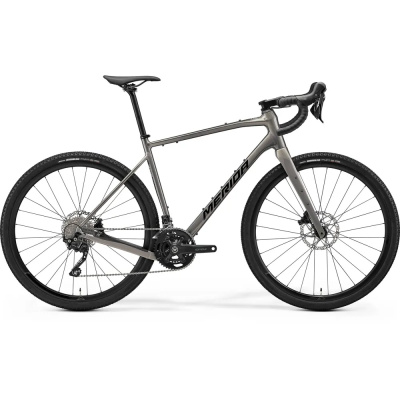
Merida SILEX 400
Tackle rough gravel, load up for multi-day adventures, and commute with confidence - all on one capable aluminium frame.
- MTB-inspired geometry: stable, confident handling off-road
- 700×45C tyre clearance: comfort and grip on rough surfaces
- Five bottle bosses plus rack mounts for bikepacking
- Shimano GRX 400 2×10: reliable gravel shifting and braking
- WIRE PORT internal routing keeps cables tidy and snag-free
- Tubeless-ready wheels with 23mm internal width rims
Merida SILEX 400 Deals
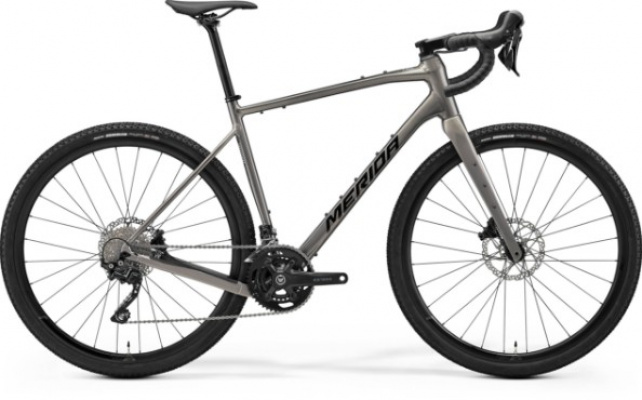

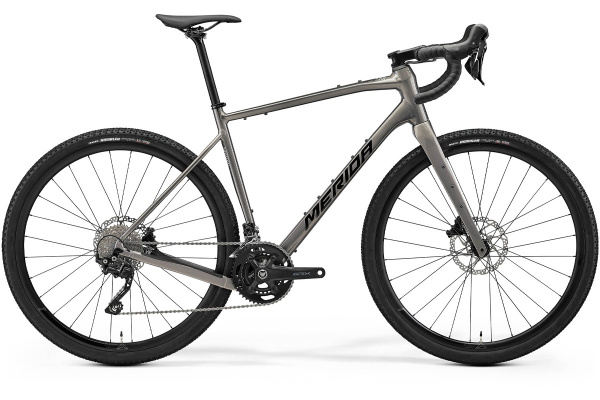
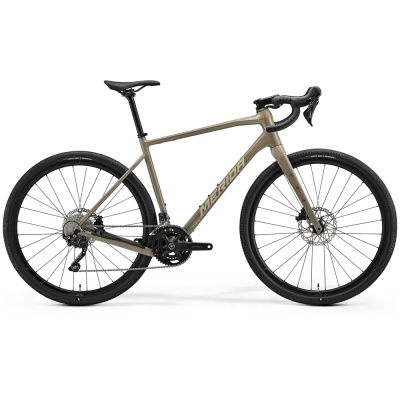
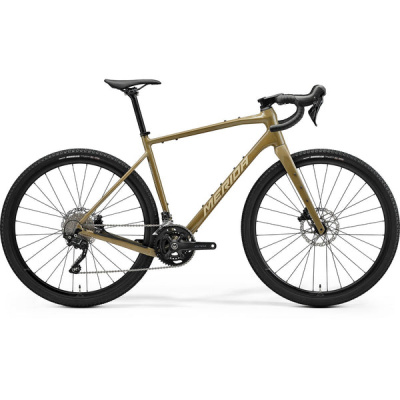
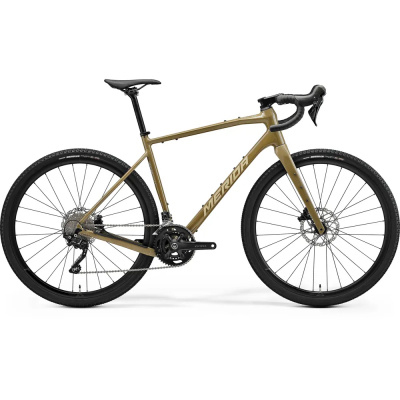
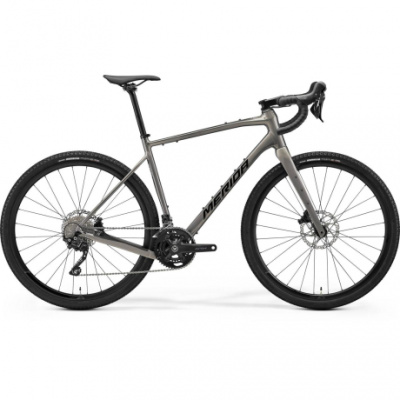

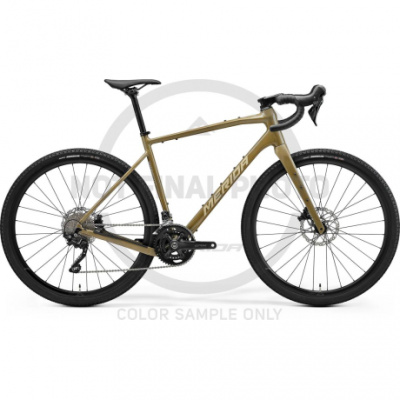
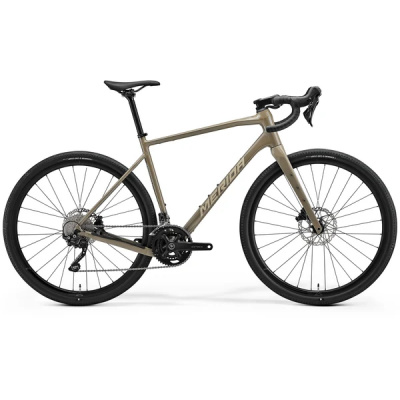
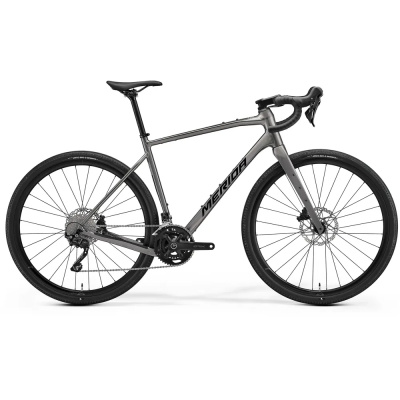
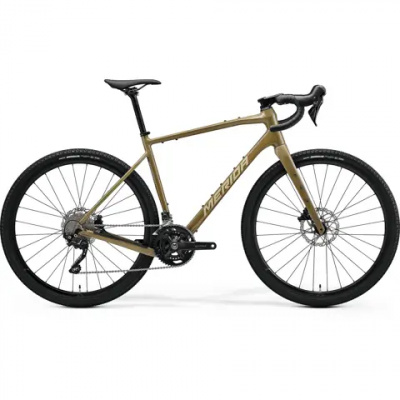
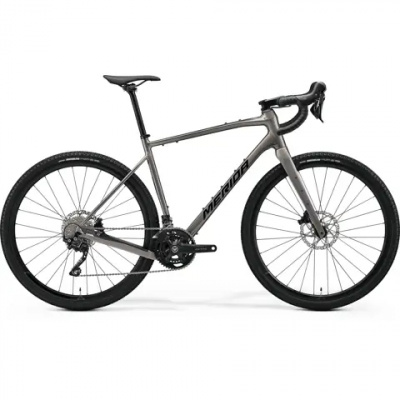
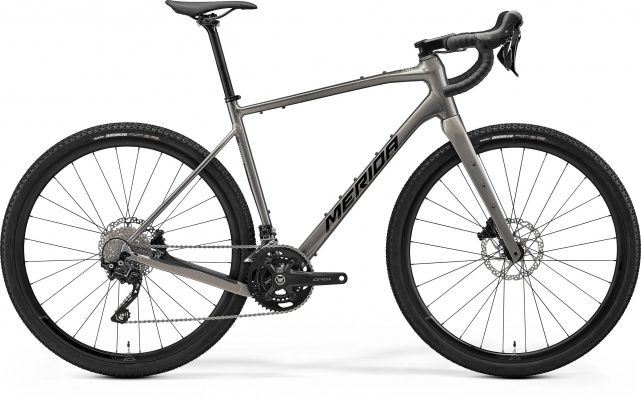
Prices and availability can change quickly. Delivery charges are not always included in listed prices.
Final price, stock status and delivery terms are set by retailer. We may receive a commission on purchases made.
Bikesy's Verdict
The Merida SILEX 400 is a brilliant do-it-all gravel bike for riders who want one machine that'll handle commuting, weekend adventures, and multi-day bikepacking trips without feeling compromised. It's not chasing podiums or Strava segments - it's built for stability, comfort, and the kind of versatility that means you can point it down a rutted bridleway one day and roll smoothly along tarmac the next.
The MTB-inspired geometry delivers confident, planted handling on rough terrain, and the generous tyre clearance gives you room to run proper volume for comfort and traction. Five bottle bosses, rack mounts, and internal cable routing make it a practical choice for loaded touring, and the Shimano GRX groupset offers reliable shifting and braking in all conditions. It's heavier than racier gravel bikes, but the weight buys you durability and practicality - this is a frame that'll shrug off years of rough treatment.
If you want a bike that's outstanding at mixed-surface adventure riding, capable on commutes, and ready to carry your gear across continents, the Silex 400 is a very strong contender. It's not the fastest or lightest, but it's versatile, comfortable, and built to last.
Pros
- MTB-inspired geometry delivers stable, confident handling on rough terrain and technical sections
- Generous 700×45C tyre clearance and wide rims provide comfort and grip across varied surfaces
- Five bottle bosses plus rack mounts make it ideal for bikepacking and loaded touring
- Shimano GRX 400 groupset offers reliable shifting and hydraulic braking in all conditions
- Durable aluminium frame with smooth welds and internal routing built for long-term adventure use
Cons
- Heavier than racier gravel bikes if you're chasing speed or KOMs on tarmac
- Stock Maxxis Rambler tyres lack aggressive tread for very wet or muddy conditions - swap to a mud-specific tyre if needed
- Upright geometry prioritises comfort over outright speed, so it's not the quickest on pure road rides
About the Merida SILEX 400
The Merida SILEX 400 sits squarely in the adventure-gravel camp, built for riders who want one bike that'll handle the morning commute, weekend gravel loops, and week-long bikepacking trips without complaint. It's not chasing podiums or Strava segments; instead, it prioritises stability, comfort, and the kind of versatility that means you can point it down a rutted bridleway one day and roll smoothly along tarmac the next. The Silex Lite II aluminium frame uses triple-butted, hydroformed 6066 alloy with smooth welds - Merida's way of keeping weight reasonable whilst delivering a frame that'll shrug off years of loaded touring and rough treatment.
What sets the Silex apart from more road-leaning gravel bikes is its mountain-bike-inspired geometry. Longer top tube, extended head tube, and a shorter stem create a riding position that feels planted and composed when the surface turns loose or technical. You're not hunched over in a race tuck; you're upright enough to scan the trail ahead, with enough weight over the front to keep steering precise when gravel turns to hardpack or mud. The dropped chainstay design and slacker head angle (updated in the 2024 refresh) add to that sense of control, especially when you're descending fast or threading through off-camber corners.
Tyre clearance is generous - up to 700×45C, or 42mm if you fit mudguards - so you've got room to run proper volume for comfort and traction. The Maxxis Rambler tyres fitted as standard are fast-rolling but capable enough for mixed surfaces, though they're not aggressive mud tyres. Five sets of bottle bosses, rack mounts on the frame and fork, and WIRE PORT internal cable routing mean you can load this bike for a tour without cables snagging on frame bags or panniers rattling against exposed housing. It's a practical, well-thought-out package that doesn't try to be everything to everyone but does what it promises very well indeed.
Merida SILEX 400 geometry
The geometry here is where the Silex shows its adventure credentials. That longer top tube and extended head tube put you in a position that's stable and confidence-inspiring rather than aggressive. You'll feel more upright than on a traditional road or cyclocross bike, which helps when you're scanning rough terrain or riding technical sections where you need to shift your weight quickly. The shorter stem - 80mm across all sizes - keeps steering responsive without feeling twitchy, and it pairs well with the slacker head angle to deliver composed handling on descents and loose surfaces.
Reach and stack are balanced to suit long days in the saddle. You're not stretched out in an aero tuck, but neither are you sitting bolt upright like a Dutch city bike. It's a sweet spot for all-day comfort, whether you're grinding up a long gravel climb or settling into a steady pace on tarmac. The dropped chainstays lower the centre of gravity slightly and improve tyre clearance, whilst the longer wheelbase adds stability - particularly noticeable when the bike's loaded with bags or you're descending fast on loose gravel.
Handling feels neutral and predictable. The front end doesn't wander when you're climbing out of the saddle, and it tracks confidently through ruts or over roots. When you're cornering on gravel, the bike leans smoothly and holds its line without feeling vague or nervous. It's not a criterium racer, but it's nimble enough for tight singletrack and composed enough for high-speed fire roads. The geometry suits riders who want a bike that feels stable and planted, not one that demands constant input to keep it on line.
Component choices & upgrades
The stock build on the Silex 400 is well-sorted for its intended use. Shimano's GRX 400 groupset is the entry point to their gravel-specific range, and it delivers reliable shifting and braking without fuss. The 2×10 setup - 46-30T crankset paired with an 11-36T cassette - gives you a wide enough range for steep climbs and fast descents, though it's not as broad as a 1× setup with a dinner-plate cassette. The hydraulic disc brakes (180mm front, 160mm rear) offer dependable stopping power in all conditions, and the GRX levers have a comfortable shape for long days on rough roads.
The Merida Expert SL II wheels are tubeless-ready with a 23mm internal width, which is spot-on for the 700×45C Maxxis Rambler tyres. Those tyres are a good all-rounder - fast on hardpack, grippy enough on loose gravel, and comfortable over rough surfaces - but they're not aggressive enough for deep mud or very loose conditions. If you're riding wetter, muddier terrain regularly, swapping to something like a Panaracer GravelKing Mud or Schwalbe G-One Bite would give you more bite without sacrificing too much speed on the smoother sections.
The Merida Comp CC seatpost and Comp SL saddle are functional rather than fancy, but they do the job. If you're planning long bikepacking trips or find the saddle doesn't suit your sit bones, upgrading to a saddle that fits you properly is always worthwhile - comfort matters more than grams when you're spending hours in the saddle. The handlebar and stem are sized appropriately for each frame size, and the 31.8mm clamp diameter means you've got plenty of upgrade options if you want to experiment with different widths or flare angles.
For most riders, the stock build will be more than adequate. The components are durable, well-matched to the bike's character, and won't leave you feeling short-changed. If your riding pushes harder - longer tours, rougher terrain, or faster descents - then tyres, saddle, and perhaps a wider-range cassette are sensible upgrades. But there's no need to strip the bike and start again; it's already a capable package straight out of the box.
Where the Merida SILEX 400 excels
This bike is outstanding at mixed-surface adventure riding - the kind of day where you start on tarmac, veer onto gravel byways, tackle a bit of singletrack, and finish with a canal towpath. It's stable, comfortable, and versatile enough to handle all of it without feeling compromised. The generous tyre clearance and robust frame make it ideal for bikepacking, whether that's a weekend overnighter or a multi-week tour. You can load it up with frame bags, panniers, and a handlebar roll, and it'll carry the weight without feeling sluggish or unstable.
It's also a very capable commuter, especially if your route includes rough roads, potholes, or the occasional shortcut across a park or towpath. The upright position gives you good visibility in traffic, the hydraulic discs work well in the wet, and the mudguard mounts mean you can fit proper full-length guards for year-round riding. The wide tyres soak up the worst of urban road surfaces, and the durable aluminium frame will take the knocks and scrapes of daily use without complaint.
Where it's less ideal is pure road riding or racing. It's not slow on tarmac, but it's not as quick or responsive as a dedicated road bike or a lighter, racier gravel bike. The upright position and stable geometry prioritise comfort and control over outright speed, so if you're chasing KOMs or trying to hang onto a fast club ride, you'll feel the difference. Similarly, if you're riding very technical singletrack or proper mountain bike trails, the rigid fork and gravel geometry won't give you the same capability as a hardtail or full-suspension MTB. It'll handle moderate trails confidently, but it's not designed for rock gardens or big drops.
In short, the Silex 400 is brilliant at being a do-it-all adventure bike. It's not the fastest, lightest, or most technical machine in any single category, but it's capable, comfortable, and versatile enough to handle a huge range of riding without feeling out of its depth. If you want one bike that'll cover commuting, weekend gravel rides, and bikepacking trips, this is a very strong contender.
Merida SILEX 400 FAQs
What is the maximum tyre clearance for the Merida SILEX 400?
The frame and fork will accommodate up to 700×45C tyres, or 700×42C if you're fitting mudguards. That's plenty of room for comfort and grip on rough surfaces, and it gives you flexibility to experiment with different tyre widths and tread patterns depending on the terrain you're riding most.
Is the Merida SILEX 400 good for bikepacking?
Yes, very much so. The frame has five sets of bottle bosses, rack mounts front and rear, and internal cable routing that won't snag on frame bags. The stable geometry and robust aluminium frame handle loaded weight well, and the wide tyre clearance means you can run comfortable, grippy tyres for long days on rough roads. It's designed with multi-day adventures in mind.
Can I fit a suspension fork to the Merida SILEX 400?
The fork is described as suspension-corrected, which suggests the geometry is designed to accommodate a suspension fork without significantly altering handling. However, fitting a suspension fork would add weight and change the bike's character - it's not necessary for the kind of gravel and adventure riding the Silex is built for, and you'd lose the fork's cargo mounts. If you're riding terrain rough enough to need suspension, a mountain bike might be a better choice.
What is the weight of the Merida SILEX 400?
Complete bike weight is approximately 10.36 kg for a size medium, though this can vary slightly depending on model year and component spec. It's not ultralight, but the weight is reasonable for an aluminium adventure bike with this level of versatility and durability. The frame prioritises strength and practicality over shedding every last gram.
Is the Merida SILEX 400 suitable for commuting?
Absolutely. The upright geometry gives you good visibility in traffic, the hydraulic disc brakes work reliably in all weather, and the mudguard and rack mounts mean you can fit practical accessories for year-round riding. The wide tyres handle potholes and rough urban roads with ease, and the durable frame will take the daily abuse of commuting without complaint. It's a very practical choice for mixed-surface commuting or utility riding.
What are the differences between Merida SILEX 400 models from different years?
The 2024 model year introduced a significant update with a slacker head angle, increased tyre clearance (up to 700×45C), WIRE PORT internal cable routing, and a refreshed carbon fork with more cargo mounts. Earlier models, such as the 2023, had slightly less tyre clearance (700×38C) and different cable routing. The 2025 model continues the 2024 spec with the same frame, fork, and component choices, so it's a stable, proven platform.
What kind of riding is the Merida SILEX 400 best for?
It's best for mixed-surface adventure riding, bikepacking, and commuting. It excels on gravel byways, rough lanes, canal towpaths, and moderate singletrack, and it's comfortable enough for long days in the saddle. It's not designed for racing or very technical mountain bike trails, but it's a brilliant all-rounder for riders who want one bike that can handle a wide variety of terrain and conditions.
How does the Merida SILEX 400 compare to other gravel bikes in its price range?
The Silex 400 stands out for its mountain-bike-inspired geometry, generous tyre clearance, and practical bikepacking features. It's more adventure-focused than race-oriented gravel bikes, prioritising stability and versatility over outright speed. Compared to similar bikes, it offers good value, with a reliable Shimano GRX groupset, tubeless-ready wheels, and a durable aluminium frame that's built to last. It's a strong choice if you want a capable, do-it-all gravel bike rather than a lightweight speed machine.
Key Features & Benefits
- MTB-inspired geometry with longer top tube and slacker head angle: Stable, planted handling on loose gravel and technical descents, with an upright position for all-day comfort
- 700×45C tyre clearance and tubeless-ready 23mm internal width rims: Run high-volume tyres for comfort and traction on rough surfaces, with flexibility to fit mudguards for year-round riding
- Five bottle bosses, rack mounts, and WIRE PORT internal cable routing: Load up for multi-day bikepacking trips without cables snagging on bags, with practical mounting points for gear and accessories
- Shimano GRX 400 2×10 groupset with hydraulic disc brakes: Reliable gravel-specific shifting and dependable stopping power in all weather, with a wide gear range for steep climbs and fast descents
- Silex Lite II triple-butted aluminium frame with smooth welds: Durable, practical frame that balances weight and strength, built to handle years of loaded touring and rough treatment
Merida SILEX 400 2024 & 2023 differences
The 2024 model year brought a significant update to the Silex platform. Merida introduced a slacker head angle for more composed descending, increased tyre clearance from 700×38C to 700×45C, and added WIRE PORT internal cable routing to keep cables tidy and prevent snagging on frame bags. The carbon fork was refreshed with additional cargo mounts and dynamo hub routing, making it more practical for bikepacking and touring. Frame weights were also updated, with the aluminium frame coming in at approximately 1,900g for a size medium.
The 2023 model featured the same core Shimano GRX 400 groupset and similar component choices, but with slightly less tyre clearance (700×38C maximum) and different cable routing. Rotor sizes also varied, with some 2023 models speccing 160mm front and rear, compared to the 180mm front rotor on the 2024 and 2025 models. The 2025 model continues the 2024 spec without major changes, so it's a stable, proven platform that's been refined over the past two years.
Alternatives to Consider
Within Merida's own range, the Silex 200 steps down with a lower-spec groupset and simpler wheels, making it a more budget-conscious option if you're new to gravel or don't need the refinement of GRX components. Moving up, the Silex 4000 swaps to a carbon frame and higher-tier components, shedding weight and adding a bit more snap for riders who want a lighter, more responsive feel without losing the adventure capability.
Cross-brand, the Specialized Diverge E5 offers a similar aluminium adventure platform with Future Shock suspension for added comfort, though it's slightly more road-leaning in geometry. The Trek Checkpoint ALR 4 delivers comparable versatility with IsoSpeed compliance and a slightly racier edge, whilst the Cannondale Topstone 2 brings a lighter aluminium frame and more nimble handling if you prefer quicker steering. For a more upright, touring-focused option, the GT Grade Comp emphasises comfort and stability with a triple-triangle frame design, and the Ribble CGR AL Sport offers a customisable build with a focus on value and practicality. Each brings a different balance of speed, comfort, and off-road capability, but the Silex 400 stands out for its MTB-inspired stability and practical bikepacking features.
Reviews
Generous tyre clearance and stable geometry make rough gravel feel manageable rather than punishing. The bike tracks confidently through ruts and over loose surfaces, with enough front-end weight to keep steering precise when the trail turns technical. That upright position helps you read the terrain ahead, and the longer wheelbase smooths out the chatter from washboard gravel or broken tarmac.
When you're climbing, the wide-range gearing takes the sting out of steep pitches, and the bike doesn't wander or feel vague when you're out of the saddle. Descending is composed and controlled - the slacker head angle and dropped chainstays give you confidence to let the brakes off and carry speed through corners. It's not a race bike, but it's quick enough to keep pace on mixed-surface rides without feeling sluggish.
Load it up for a bikepacking trip and the frame handles the weight without complaint. Those five bottle bosses and rack mounts mean you can carry plenty of gear, and the internal cable routing keeps everything tidy when you're strapping on frame bags. The Shimano GRX brakes work reliably in the wet, and the hydraulic levers have a comfortable shape for long days on rough roads. Stock tyres are fast-rolling and grippy enough for most conditions, though they're not aggressive enough for deep mud - swap them if you're riding wetter terrain regularly.
Because the geometry prioritises stability over outright speed, it's not the quickest on pure tarmac. You'll feel the difference if you're trying to hang onto a fast club ride or chase KOMs. But for mixed-surface adventure riding, commuting, or loaded touring, it's a very capable, practical machine that does exactly what it promises.
Full Specification
| Spec | Value |
|---|---|
| Frame Material | Silex Lite II aluminum (6066 triple-butted hydroformed) |
| Frame Design | Dropped chainstay, MTB-inspired geometry |
| Frame Features | WIRE PORT internal cable routing, multiple mounting points for cages, bags, fenders, five bottle bosses, rack mounting points, fork cargo mounting points |
| Tyre Clearance | 700x45C (or 700x47C fork) |
| Available Sizes | XXS, XS, S, M, L, XL |
| Bottom Bracket | BSA threaded |
| Rear Axle | 142x12mm thru-axle |
| Fork | Silex II CF2 carbon, rigid |
| Drivetrain | 2x10-speed |
| Shifters | Shimano GRX 400 |
| Rear Derailleur | Shimano GRX 400 |
| Front Derailleur | Shimano GRX 400 |
| Crankset | Shimano GRX 600, 46-30T |
| Crank Length | 165mm (XXS/XS), 170mm (S/M), 172.5mm (L/XL) |
| Cassette | Shimano CS-HG50, 11-36T, 10-speed |
| Chain | KMC X10 |
| Brakes | Hydraulic disc |
| Brake Levers | Shimano GRX 400 |
| Brake Calipers | Shimano GRX 400 |
| Rotors (Front) | 180mm |
| Rotors (Rear) | 160mm |
| Rims | Merida Expert SL II, 23mm internal width, tubeless ready |
| Spokes | 32, black stainless |
| Hubs (Front) | VP CLK170F or Shimano HB-TC500, 100x12mm, centerlock |
| Hubs (Rear) | VP CLK270R or Shimano TC500-HM, 142x12mm, centerlock |
| Tyres (Front) | Maxxis Rambler, 700x45C, EXO, tubeless ready |
| Tyres (Rear) | Maxxis Rambler, 700x45C, EXO, tubeless ready |
| Handlebar | Merida Expert GR II, 400mm (XXS-S), 420mm (M), 440mm (L/XL) |
| Stem | Merida Team CC III or Expert CW, 31.8mm, -6°, 80mm |
| Headset | MERIDA 8158 or Acros ICR Merida external |
| Seatpost | Merida Comp CC, 27.2mm diameter, aluminum |
| Saddle | Merida Comp SL |
| Weight (Approx) | 11.1 kg (2026 model) |