

Merida SILEX 200
Stable, adventure-ready gravel bike that carries loads calmly and floats over rough tracks without fuss.
- 700×45mm tyre clearance: float over rough gravel
- MTB-inspired geometry: stable on descents, calm loaded
- Five bottle bosses plus rack mounts: bikepacking ready
- Carbon fork with cargo mounts and dynamo routing
- 2×9 Shimano Sora: wide range for long days
- WIRE PORT routing: clean cockpit, bag-friendly
Merida SILEX 200 Deals
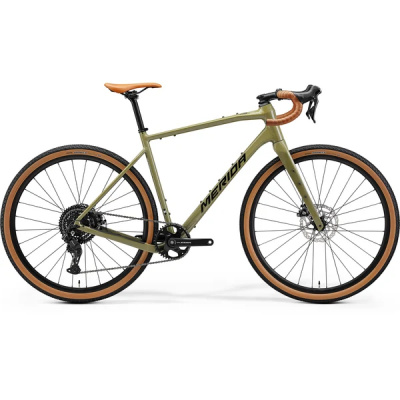
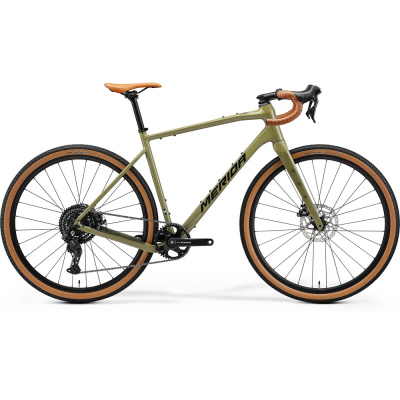
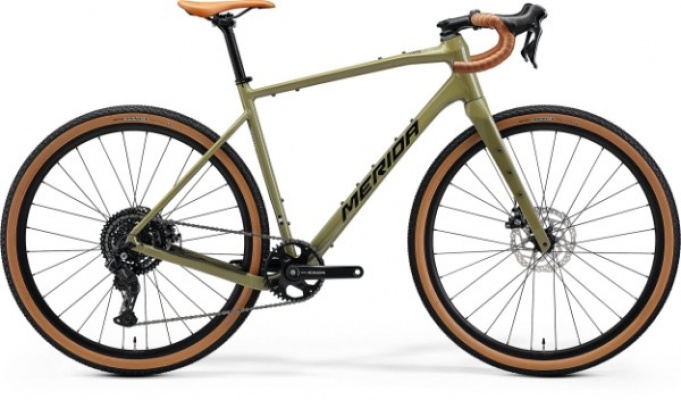
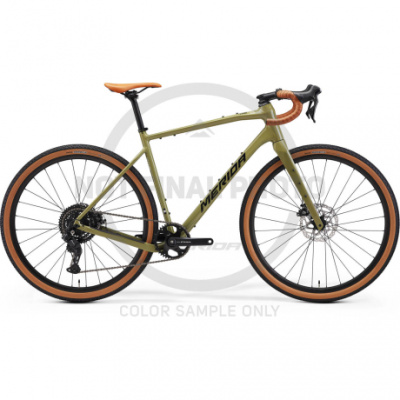
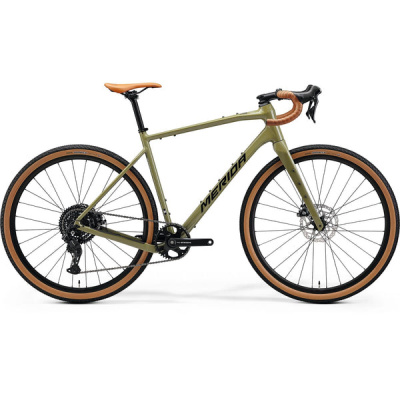

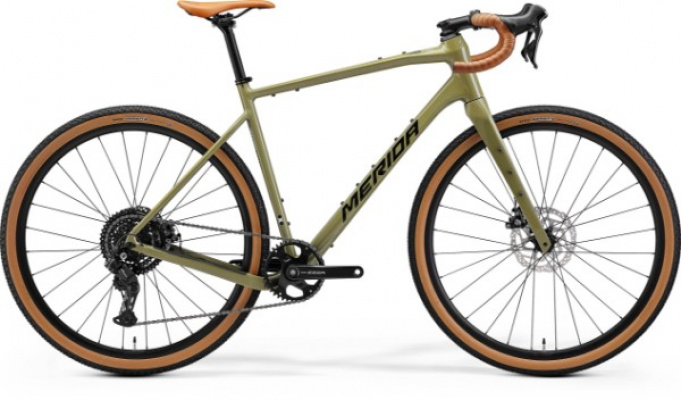

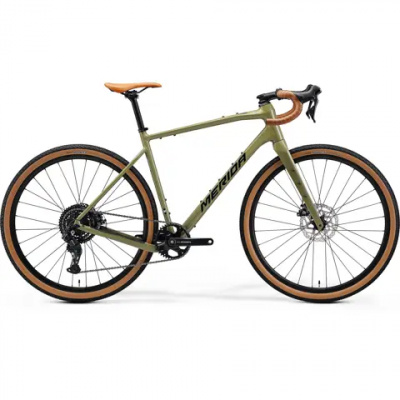
Prices and availability can change quickly. Delivery charges are not always included in listed prices.
Final price, stock status and delivery terms are set by retailer. We may receive a commission on purchases made.
Bikesy's Verdict
The Merida SILEX 200 is one of the most versatile gravel bikes you'll find at this price. It's built for riders who want to explore - whether that's a multi-day bikepacking trip, a rough gravel loop, or a daily commute that mixes tarmac and towpaths. The MTB-inspired geometry gives you confidence on descents and loose surfaces, the generous tyre clearance smooths out rough tracks, and the abundance of mounts means you can carry everything you need without compromising handling.
The spec is honest and functional rather than flashy. Shimano Sora 2×9 gearing covers the range you need, the mechanical disc brakes are reliable and easy to maintain, and the Maxxis Rambler tyres strike a good balance between speed and grip. It's not the lightest or fastest gravel bike, but it's durable, comfortable, and ready for whatever you throw at it. If you want one bike that'll handle the daily grind and still be ready for adventure, the SILEX 200 delivers.
Pros
- Stable, confidence-inspiring geometry for rough gravel and loaded riding
- Generous tyre clearance (700×45mm) for comfort and traction
- Extensive mounting points for bikepacking, racks, and mudguards
- Carbon fork with cargo mounts and dynamo routing
- Wide 2×9 gear range covers steep climbs and fast descents
Cons
- Mechanical disc brakes lack the power and modulation of hydraulic systems if you're tackling steep, technical descents
- Heavier than race-focused gravel bikes if you're chasing speed on smooth surfaces
- Entry-level componentry means you'll feel the limits sooner if you're an experienced rider pushing hard
About the Merida SILEX 200
Merida's SILEX 200 sits at the accessible end of the brand's adventure-gravel lineup, but it doesn't skimp on the fundamentals that make the SILEX family so capable. The second-generation aluminium frame borrows geometry cues from mountain bikes - slacker head angle, longer wheelbase, shorter stem - so you get stability and poise on loose surfaces rather than the twitchy, road-racer manners of older gravel designs. Dropped chainstays and a revised carbon fork let you run tyres up to 700×45mm, which means you can soften the ride, find traction in loose corners, and keep rolling when the surface turns to washboard.
What sets the SILEX 200 apart is its commitment to versatility without the price tag of higher-tier models. Five sets of bottle bosses, rack and mudguard eyelets, and fork cargo mounts mean you can load it for a weekend tour or strip it down for a fast club ride. The WIRE PORT internal cable routing keeps everything tidy and prevents snagging when you strap a handlebar bag up front. It's built for riders who want one bike that'll handle the commute, the weekend gravel loop, and the occasional multi-day adventure - without needing a second mortgage.
The spec is honest: Shimano Sora 2×9 gearing, Promax mechanical disc brakes, and Maxxis Rambler tyres on tubeless-ready aluminium rims. It's not flashy, but it's functional and easy to live with. The frame's the star here, and Merida's given you a platform that'll grow with your ambitions.
Merida SILEX 200 geometry
The SILEX 200's geometry is where Merida's mountain-bike heritage shows through. That slacker head angle - compared to traditional gravel bikes - plants the front wheel further ahead, so you're not fighting the bars when the trail gets steep or loose. The longer wheelbase stretches out the contact patches, which means the bike tracks calmly through ruts and doesn't get knocked off line by roots or rocks. You sit more upright than on a race-oriented gravel bike, which takes pressure off your wrists and lets you scan the trail ahead rather than staring at your stem.
Reach figures are moderate, so you're not stretched out in an aggressive tuck, and the shorter stem - 80mm across all sizes - quickens the steering just enough to keep things playful without sacrificing stability. When you load the bike with panniers or a frame bag, that longer wheelbase and lower centre of gravity keep it composed rather than wandering. The dropped chainstays tuck the rear wheel closer to the seat tube, which opens up tyre clearance without making the back end feel sluggish. It's a geometry that prioritises confidence over outright speed, and that's exactly what you want when the tarmac runs out.
Component choices & upgrades
The stock build on the SILEX 200 is well-judged for its price point. Shimano Sora 2×9 gives you a 48-32 crankset paired with an 11-32 cassette, which covers most gradients without leaving you spinning out on fast descents or grinding on steep climbs. The mechanical Promax disc brakes are reliable and easy to service, though they lack the modulation and power of hydraulic systems. Maxxis Rambler tyres are a smart choice - fast-rolling on hardpack, grippy enough in loose corners, and tubeless-ready if you want to drop pressure for more comfort and traction.
If you're planning serious bikepacking or riding in steep, technical terrain, upgrading to hydraulic disc brakes would be the first move. The difference in control and finger effort is significant, especially when you're descending loaded. A wider-range cassette - say, an 11-34 or 11-36 - would give you easier climbing gears without needing to swap the crankset. The wheels are solid but not particularly light; if you're chasing weight savings, a lighter wheelset would sharpen acceleration and make long climbs less of a slog. That said, the stock setup is more than capable for most riders, and you'll get plenty of miles in before you feel the need to change anything.
Where the Merida SILEX 200 excels
The SILEX 200 is outstanding at long-distance gravel riding and bikepacking. Its stable geometry, generous tyre clearance, and abundant mounting points make it a natural for multi-day adventures where comfort and carrying capacity matter more than outright speed. You can load it with frame bags, panniers, and a handlebar roll, and it'll still handle predictably on rough tracks and loose descents. The upright position and carbon fork keep you comfortable over hours in the saddle, and the wide gear range means you won't be walking steep climbs even when you're carrying extra weight.
It's also very good for mixed-surface commuting and utility riding. Mudguard and rack mounts mean you can set it up for year-round use, and the robust aluminium frame shrugs off the knocks and scrapes of daily life. The 45mm tyres smooth out potholes and cobbles, and the mechanical disc brakes are easy to adjust and maintain. If you want a bike that'll handle the daily grind and still be ready for a weekend adventure, the SILEX 200 delivers.
Where it's not ideal is pure speed. The relaxed geometry and moderate weight mean it won't keep up with race-focused gravel bikes on fast, smooth surfaces. If you're chasing KOMs on fire roads or entering competitive gravel events, you'll want something lighter and more aggressive. It's also not the best choice for singletrack mountain biking - the drop bars and gravel-specific geometry limit your control on steep, technical descents. But for everything in between, it's a remarkably capable machine.
Merida SILEX 200 FAQs
What is the maximum tyre clearance for the Merida SILEX 200?
The frame and fork accommodate tyres up to 700×45mm, which gives you plenty of room for comfort and grip on rough surfaces. If you fit mudguards, clearance drops to around 42mm, which is still generous for year-round riding.
Is the Merida SILEX 200 good for bikepacking?
Absolutely. Five bottle bosses, rack and mudguard mounts, and fork cargo points mean you can carry everything you need for multi-day trips. The stable geometry and wide tyres keep it composed when loaded, and the carbon fork adds compliance for long days on rough tracks.
What is the difference between Merida SILEX models?
The SILEX range shares the same frame geometry and adventure-focused design, but higher models like the SILEX 400 and 700 get better components - hydraulic disc brakes, wider-range drivetrains, lighter wheels, and sometimes carbon frames. The SILEX 200 offers the same versatility and handling at a more accessible price.
Can I fit hydraulic disc brakes to the Merida SILEX 200?
Yes, the frame and fork use flat-mount disc brake standards, so you can upgrade to hydraulic calipers and levers if you want more power and modulation. You'll need to replace the shifters as well, since the stock Sora levers are designed for mechanical brakes.
What type of bottom bracket does the Merida SILEX 200 use?
The frame uses a BSA threaded bottom bracket, which is easy to service and less prone to creaking than press-fit designs. The stock setup is a Shimano SM-BBR60 or UN101, both of which are reliable and widely available.
Is the Merida SILEX 200 suitable for beginners?
Very much so. The stable geometry inspires confidence on varied terrain, the wide tyres smooth out rough surfaces, and the mechanical disc brakes are straightforward to maintain. It's forgiving enough for new riders but capable enough to grow with your skills.
How much does the Merida SILEX 200 weigh?
Around 11.1 kg for a medium frame, which is reasonable for an aluminium gravel bike at this price point. It's not the lightest, but the weight brings durability and stability, especially when you're riding loaded or on rough terrain.
Key Features & Benefits
- MTB-inspired geometry with slacker head angle: Stable, predictable handling on loose descents and rough gravel, even when loaded with bags
- 700×45mm tyre clearance and tubeless-ready rims: Run lower pressures for more comfort and grip without risking pinch flats on rocky tracks
- Five bottle bosses plus rack and fork cargo mounts: Carry everything you need for multi-day adventures without compromising handling
- WIRE PORT internal cable routing: Clean cockpit that won't snag on handlebar bags, and cables stay protected from mud and grit
- Carbon fork with dynamo hub routing: Absorbs trail chatter for all-day comfort and lets you run lights for long-distance touring
Merida SILEX 200 2025 and 2024 differences
The 2025 model introduced the second-generation SILEX frame with updated geometry, increased tyre clearance (up to 700×45mm), and a revised carbon fork design that allows for suspension fork compatibility without altering geometry. The 2×9 Shimano Sora drivetrain and Promax mechanical disc brakes remained consistent. The 2024 model shared the same adventure-focused philosophy and similar geometry, though some earlier versions used a press-fit BB86 bottom bracket rather than the BSA threaded standard found on newer models. The 2026 model largely carries over the 2025 specification, with the same frame, fork, and component choices, though some regional variations may offer a 1×8 Shimano ESSA drivetrain instead of the 2×9 Sora setup.
Alternatives to Consider
Within Merida's own lineup, the SILEX 400 steps up with hydraulic disc brakes, a wider-range 1× drivetrain, and lighter wheels, making it a better choice if you're tackling steeper terrain or want more precise braking. The SILEX 700 goes further still with a carbon frame and higher-tier components, though it's aimed at riders who prioritise weight savings and refinement over value. If you're after something even more affordable, Merida's entry-level gravel options may lack some of the SILEX 200's versatility and mounting points.
Cross-brand, the Giant Revolt 2 offers similar adventure-gravel capability with a lively aluminium frame, hydraulic disc brakes, and slightly wider tyre clearance (up to 50mm), though its geometry is a touch racier. The Boardman ADV 8.9 is another strong contender, with a stable platform, decent spec, and plenty of mounts, though it may not match the SILEX's off-road poise. The Specialized Diverge E5 brings Future Shock suspension for extra compliance on rough roads, but it's less bikepacking-focused and typically costs more. For a more race-oriented feel, the Trek Checkpoint ALR 4 offers snappier handling and hydraulic brakes, though it sacrifices some of the SILEX's load-carrying versatility. The Cube Nuroad Pro is another solid all-rounder with good componentry and mounts, sitting somewhere between the SILEX's adventure focus and the Checkpoint's speed.
Reviews
Longer reach and a calmer front centre bring poise when the surface turns to washboard or loose gravel. The slacker head angle plants the front wheel ahead of you, so the bike tracks through ruts rather than darting sideways. When you load it with frame bags and panniers for a weekend tour, that stretched wheelbase keeps everything stable rather than wandering, and the dropped chainstays let the rear tyre sit fat without making the back end sluggish.
Comfort over distance is a real strength. The carbon fork soaks up trail chatter, and the 45mm Maxxis Ramblers smooth out rough tracks without feeling slow on hardpack. You sit upright enough to scan the trail ahead rather than staring at your stem, which makes a difference on long days. The 2×9 Sora drivetrain covers most gradients without drama, though the mechanical Promax brakes need a firm squeeze on steep descents - hydraulics would bring more control and less hand fatigue.
Because the geometry prioritises stability over outright speed, it's not the bike for chasing fast times on smooth fire roads. But when the route mixes tarmac, gravel, dirt, and the occasional rocky descent, the SILEX 200 feels composed and capable. Load it up, point it at rough byways, and it delivers.
Full Specification
| Spec | Value |
|---|---|
| Frame Material | SILEX Lite II Aluminium |
| Frame Design | Dropped chainstay, MTB-inspired geometry, slacker head angle |
| Frame Features | Multiple mounting points for cages, bags, fenders, racks, fork cargo; five bottle bosses; WIRE PORT internal cable routing; dynamo hub routing |
| Tyre Clearance | 700x45mm |
| Mudguard/Rack Mounts | Yes |
| Available Sizes | XXS, XS, S, M, L, XL |
| Bottom Bracket | BSA |
| Rear Axle | 142x12mm thru-axle |
| Fork | Merida Silex II CF2 carbon |
| Fork Type | Tapered steerer, carbon construction, cargo mounting points, dynamo hub routing |
| Drivetrain | 2x9-speed Shimano Sora |
| Shifters | Shimano Sora |
| Rear Derailleur | Shimano Sora GS |
| Front Derailleur | Shimano Sora |
| Crankset | 48-32 teeth |
| Crank Length | 170mm (XS/S), 172.5mm (M), 175mm (L/XL) |
| Cassette | Shimano, 11-32T |
| Chain | KMC M99 |
| Brakes | Mechanical disc |
| Brake Levers | Promax DSK-330R |
| Brake Calipers | Promax DSK-330R |
| Rotors (Front) | 180mm, Promax 160G |
| Rotors (Rear) | 160mm, Promax 160G |
| Rims | MERIDA COMP SL; 17mm internal width; MAT aluminium; tubeless-ready |
| Hubs (Front) | VP 173SB; 100x12mm thru-axle; 32 spoke holes; 6 bolt |
| Hubs (Rear) | VP 273SB; 142x12mm thru-axle; 32 spoke holes; 6 bolt |
| Spokes | Black stainless |
| Tyres (Front) | Maxxis Rambler 700x45C, tubeless-ready, EXO |
| Tyres (Rear) | Maxxis Rambler 700x45C, tubeless-ready, EXO |
| Handlebar | MERIDA EXPERT GRII; MAT aluminium; 400mm (XS-S), 420mm (M), 440mm (L/XL) |
| Stem | MERIDA COMP CC; MAT aluminium; 31.8mm diameter; -6°/-7° angle; 80mm |
| Grips | MERIDA ROAD Comp |
| Headset | Acros ICR MERIDA external, MERIDA M2331 neck |
| Seatpost | MERIDA COMP CC; MAT aluminium; 27.2mm diameter |
| Saddle | MERIDA COMP SL; V-mount; 22% recycled material |
| Weight (Approx) | 11.1 kg |