
Zipp Road Tyres
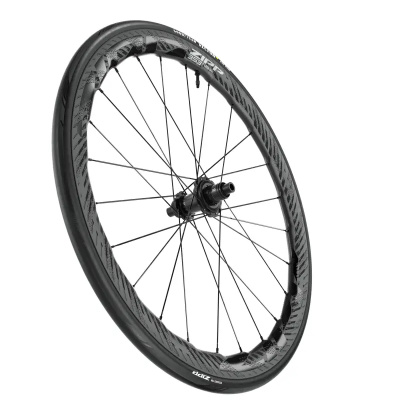
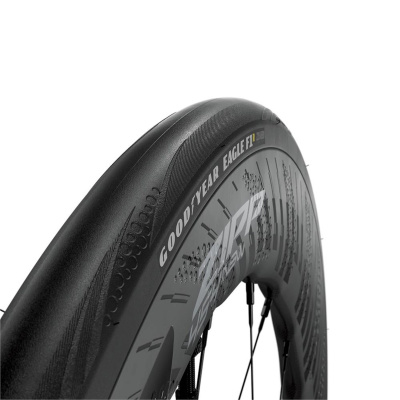
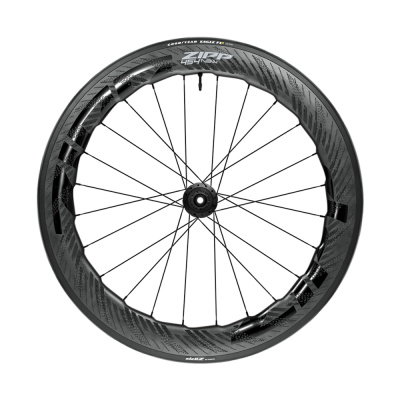
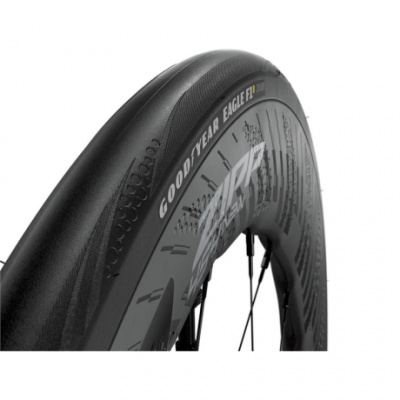
Zipp road tyres are engineered around one idea: every watt you generate should actually move you forward. Developed alongside Zipp's own wheel programme, these tyres aren't an afterthought bolted onto a rim catalogue - they're designed to work as a system with rims like the 303 Firecrest and NSW series, matching casing shape to rim profile so the aero numbers Zipp quote in the wind tunnel are the ones you actually see on the road.
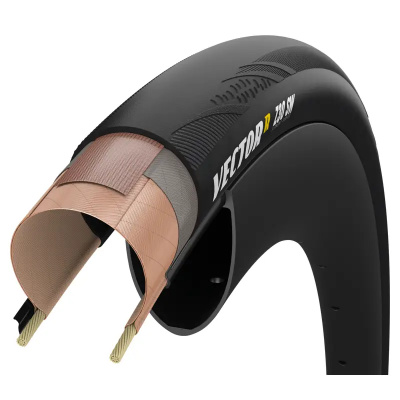
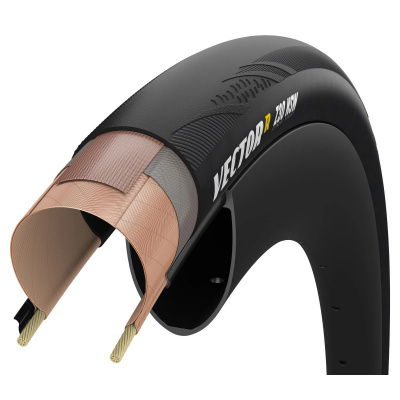
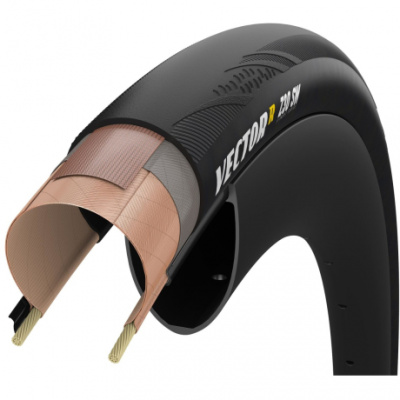
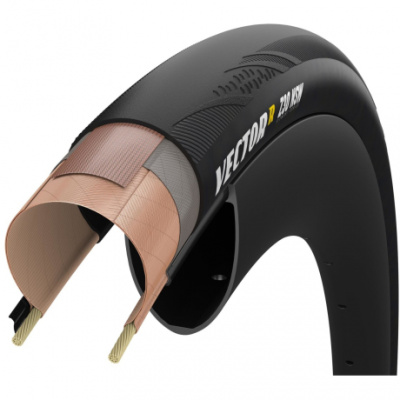
The Tangente series sits at the heart of the lineup, available in both Speed and Course variants to cover race day and hard-training blocks alike. All tubeless-ready options use Zipp's TSS (Tubeless Straight Side) bead construction, which gives a secure, predictable seat on hookless rims - no guessing, no wrestling with a sketchy fit. The advanced silica rubber compound keeps rolling resistance low without going brittle when the temperature drops, which matters on a cold January morning in the Peaks or a damp autumn sportive through the Cotswolds.
If you're running clinchers with inner tubes, Zipp's hooked-bead options still benefit from the same compound and casing development. The tread widths run from 25mm to 30mm, and matching a 28mm or 30mm tyre to Zipp's wider internal rim widths produces a rounder cross-section that both reduces rolling resistance and seats the tyre more stably. Practical rubber, seriously developed.
Prices and availability can change quickly. Delivery charges are not always included in listed prices.
Final price, stock status and delivery terms are set by retailer. We may receive a commission on purchases made.
Hookless or Hooked: Getting Compatibility Right
This is the bit that actually matters before you buy anything. Traditional clincher rims use a small hook at the rim's edge to retain the tyre bead under pressure - it's how cycling has worked for decades, and it's forgiving of a wide range of tyre constructions. Hookless rims, which Zipp calls TSS (Tubeless Straight Side), drop that hook entirely. The bead seat is a straight wall, and retention relies on the tyre bead being stiff and dimensionally precise enough to lock in place. That's a fundamentally different ask of the tyre.
Zipp's tubeless road tyres are built specifically for this. The bead construction is stiffer and held to tighter tolerances than a standard clincher tyre, so it seats correctly on the straight wall of a TSS rim and doesn't creep or blow off under load. If you're running a 303 Firecrest or any other Zipp hookless rim, you need a tyre that's explicitly approved for hookless use - and Zipp's own rubber is the obvious starting point. The hard limit is 73psi (5 bar) on hookless setups. That's not a guideline; it's a safety ceiling, and exceeding it risks a sudden bead failure. Keep it in your head every time you pump up.
ETRTO standards now provide a consistent framework for hookless compatibility, and Zipp's tyres are developed in line with those standards. Width matching matters too: fitting a 28mm or 30mm tyre to a rim with a 23mm or 25mm internal width produces a rounder, more balloon-like cross-section. That shape reduces the contact patch drag that kills rolling efficiency and helps the tyre sit square on the road rather than pinching at the edges. If you're comparing options, Continental road tyres and Vittoria road tyres both publish hookless compatibility lists - worth checking if you're weighing up alternatives.
Speed vs. Course: Picking the Right Zipp Tyre for the Job
Zipp structures the Tangente range around two clear use cases, and the difference between them is worth understanding rather than just grabbing whichever is cheapest. The Speed variants use a higher TPI casing - more threads per inch means a thinner, more flexible casing that deforms around road texture instead of bouncing off it. That translates directly to lower rolling resistance. The tread is thinner and the compound is optimised for fast rolling over grip longevity. These are race-day tyres, best suited to summer events, fast club runs, or any ride where you're prioritising pace over lifespan.
The Course variants add a puncture protection belt beneath the tread and use a slightly thicker rubber layer. Rolling resistance goes up marginally, but you get meaningfully better resistance to flint cuts, blackthorn, and the kind of debris that litters rural B-roads after a wet autumn. For most UK riders doing four or five rides a week across mixed conditions, the Course is the practical choice - you're not giving up much speed, and you're not changing a tyre on the side of a lane in the dark as often. The silica compound in both variants handles cold, greasy tarmac better than a pure-carbon-black rubber would, staying pliable rather than going hard and slick.
Pair either variant with Zipp road wheels and the system integration really shows - the tyre profile sits as Zipp intended on their own rims, which is harder to guarantee on third-party hoops. If you need tubeless valves or extenders to complete a setup, Zipp tubeless valves and Zipp valve extenders are designed to seal reliably with the Tangente bead.
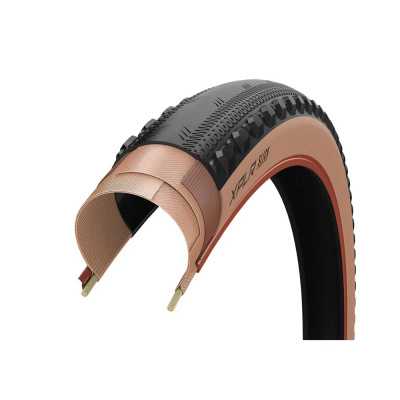
Taking your Zipp wheels off the tarmac? The Tangente range won't cut it on loose or mixed surfaces. Have a look at the Zipp gravel and cyclocross tyres range for the right rubber when the road runs out.
UK Roads, Tubeless Maintenance, and What Actually Wears Out
British roads are hard on tyres in ways that don't always show up in lab rolling-resistance figures. Flint is the main culprit in the south - those sharp little shards get pushed upright by tractor tyres on rural lanes and sit waiting to core-sample your tread. In the north, it's more about sustained wet grip on cold, greasy tarmac, where a compound that softens in the cold is worth more than one that's fast in dry conditions. Zipp's silica compound addresses both: silica molecules bond with wet road surfaces more effectively than carbon black, and they stay elastic at lower temperatures rather than going stiff and skating.
Tubeless setups add a layer of maintenance that's easy to forget. Latex sealant dries out, and in the UK it does so faster than the packaging implies - temperature swings between a cold garage and a warmer ride accelerate evaporation. Check sealant levels every two to three months, or any time you notice the tyre looking slightly underinflated after sitting. Top it up before it's completely dry; trying to re-seat a dry tubeless tyre in a car park is nobody's idea of a good Saturday.
Seating a Zipp tubeless tyre for the first time takes a proper high-volume pump or a compressor - the stiff TSS bead needs a fast burst of air to pop over the rim ledge. A track pump on its own often won't get there. Once it's seated, running the correct sealant volume and giving the wheel a good shake to distribute it is the difference between a tyre that seals instantly and one that weeps from the sidewall for a week. Zipp inner tubes are worth keeping as a backup if you're heading somewhere remote - a tubeless tyre that won't re-seal after a cut can be ridden home on a tube.
Tread longevity on the Course variants sits in a reasonable range for the category. The rear wears faster than the front, as always, and the tread squaring-off that signals a tired rear tyre is easy to spot. Inspect the centre tread and the sidewalls - flint cuts that look superficial from the outside can go deeper than you think. Goodyear road tyres and Michelin road tyres are worth a look if you want a direct comparison on durability, though both use different compound approaches to the wet-grip problem.
Zipp Road Tyres FAQs
Are Zipp road tyres compatible with hookless rims?
Yes - Zipp's tubeless-ready road tyres are built with a stiffer TSS (Tubeless Straight Side) bead specifically for hookless rims like the 303 Firecrest. The critical thing to remember: hookless setups have a strict 73psi (5 bar) pressure ceiling. Don't exceed it. Check the tyre's sidewall marking to confirm hookless approval before fitting.
What tyre pressure should I run on Zipp tubeless tyres?
Most tubeless setups on road bikes run between 50 - 70psi, but your exact starting point depends on rider weight, tyre width, and internal rim width. Use the SRAM/Zipp online tyre pressure calculator for a personalised figure. On hookless rims, 73psi is the absolute maximum regardless of what your pump says.
How long do Zipp Tangente road tyres last?
Rear tyres typically cover 2,000 - 3,000 miles before the tread squares off noticeably; fronts last considerably longer. UK roads - particularly flint-heavy lanes - can shorten that. Check the centre tread depth and sidewalls regularly. When the tread looks flat across the top rather than rounded, it's time to replace.