
Zipp Road Wheels
Zipp road wheels have long set the standard for aerodynamic performance, but the current generation goes well beyond chasing low drag numbers. With Total System Efficiency (TSE) and hookless rim technology now baked into the range, Zipp has reframed what a fast wheelset actually does - particularly on the kind of broken, patchy B-roads that make up a good chunk of UK riding. Running wider tyres at lower pressures isn't a compromise here; it's the point. The rim geometry is designed around it.
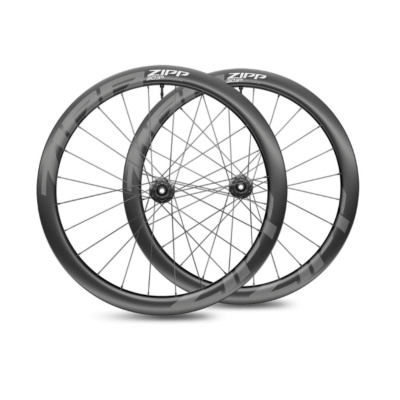
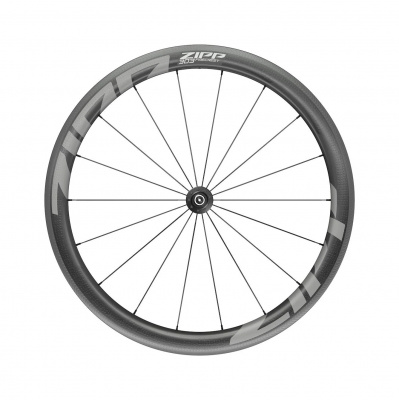
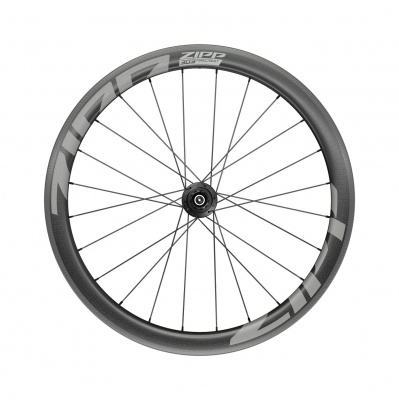
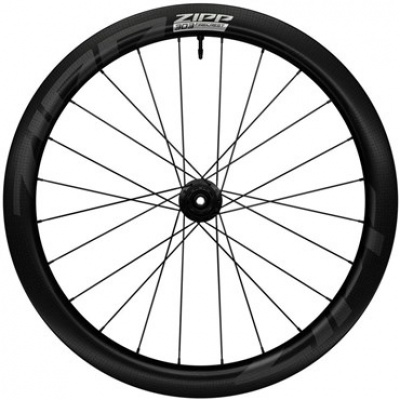
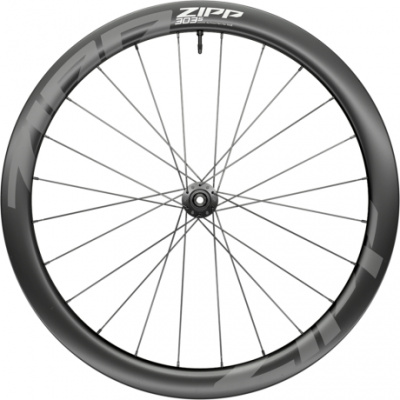
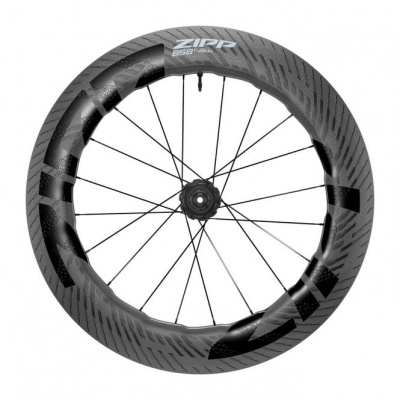
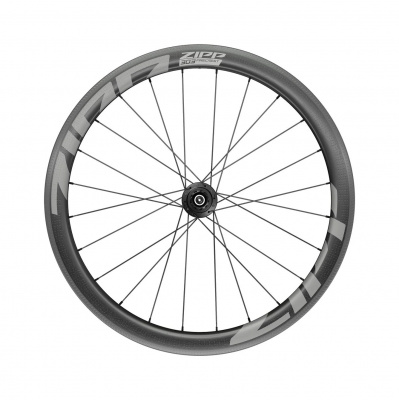
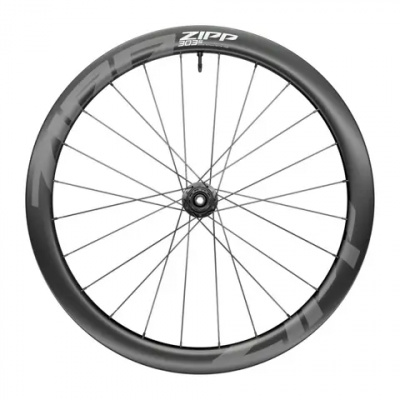
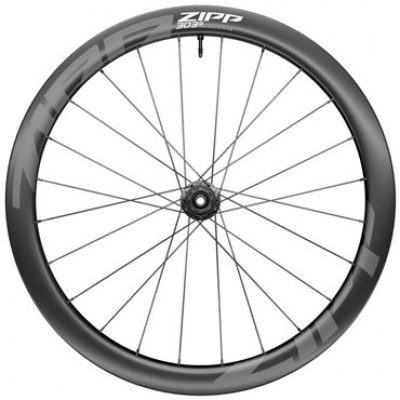
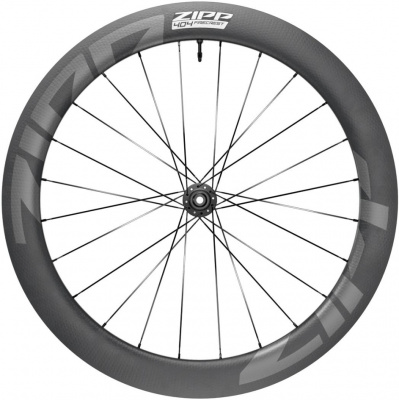
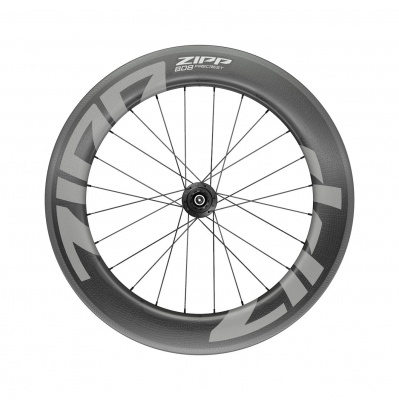
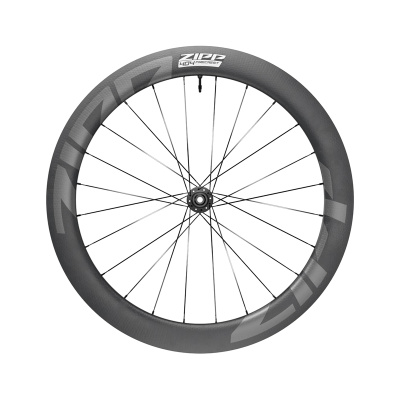
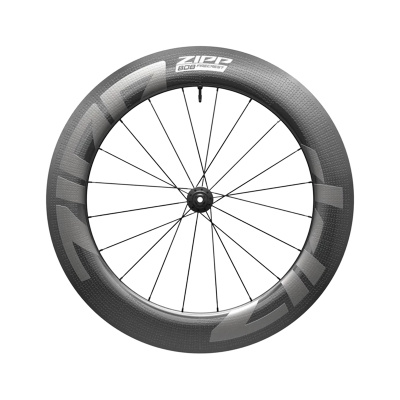
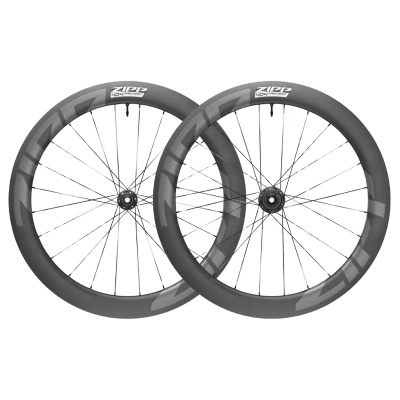
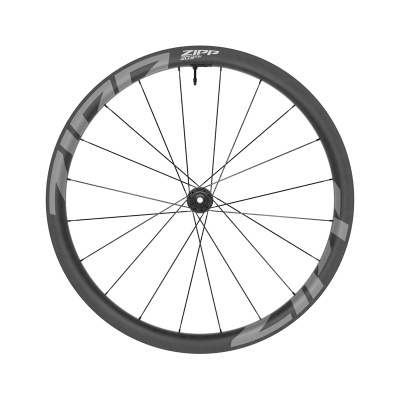
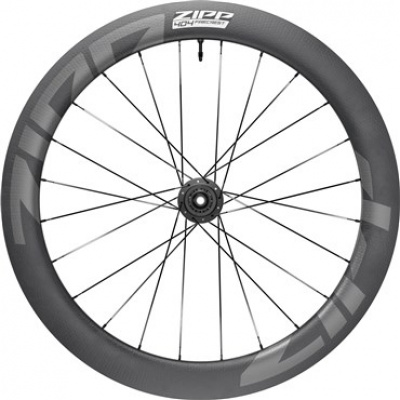
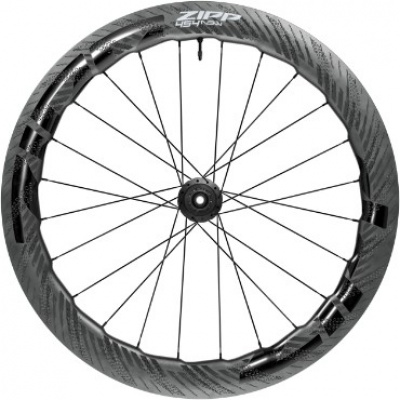
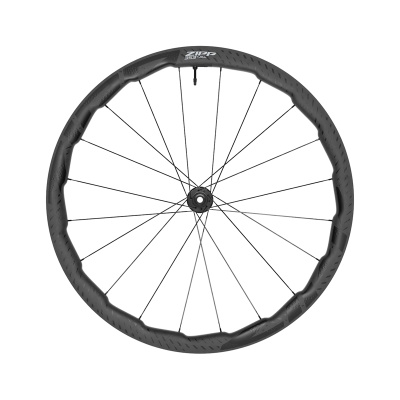
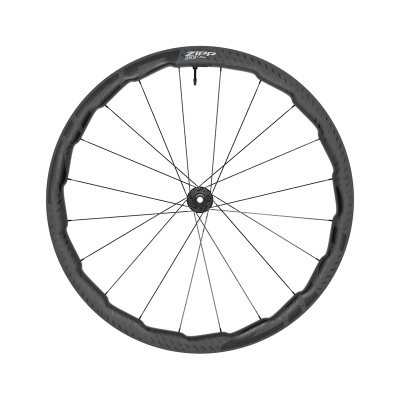
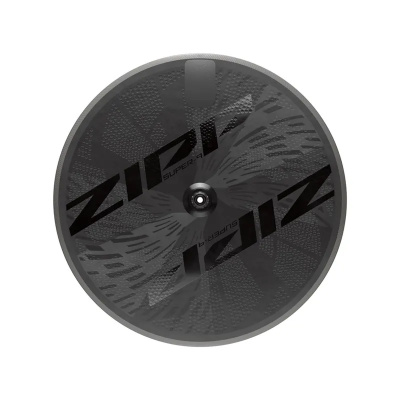
The range spans from the lightweight, all-road 303 through to the deep-section 404 and 858 - each tuned for a different type of riding. Climbers and fondo riders tend to gravitate toward the 202 and 303 for their low rotational weight. Criterium and sportive riders often reach for the 404, where the aero advantage is most obvious on flat or rolling roads. All modern Zipp disc-brake wheels are available in 12x100mm front and 12x142mm thru-axle rear standards, with Centerlock rotor mounting as standard. Whether you're chasing watts on a flat coastal loop or looking for a wheelset that won't punish you on rougher ground, there's a Zipp option worth considering.
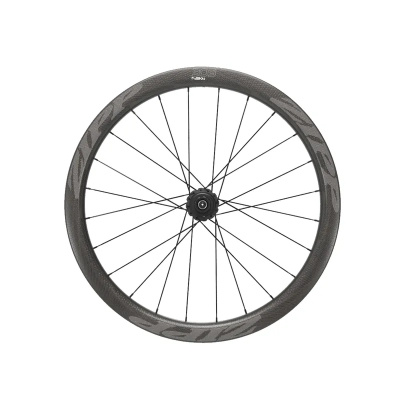
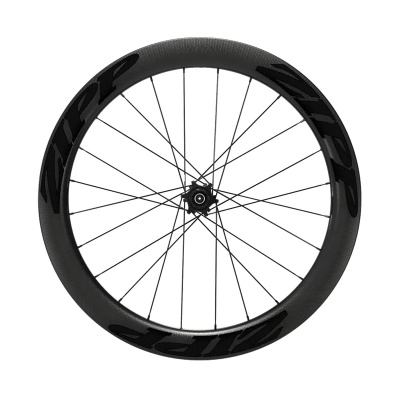
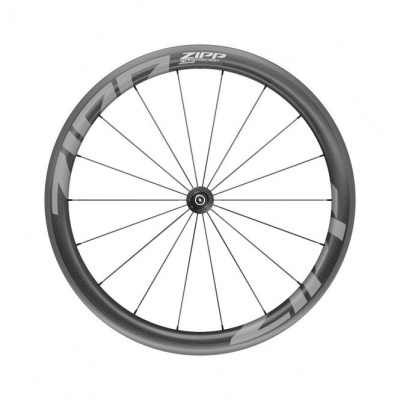
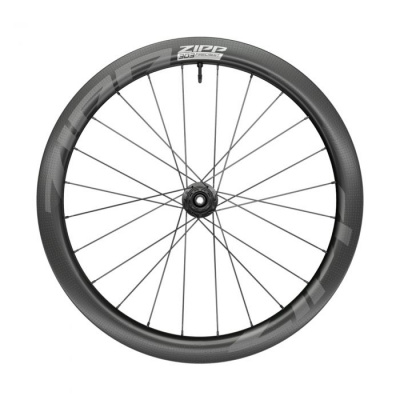
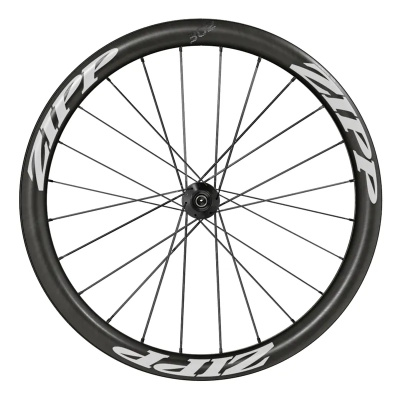
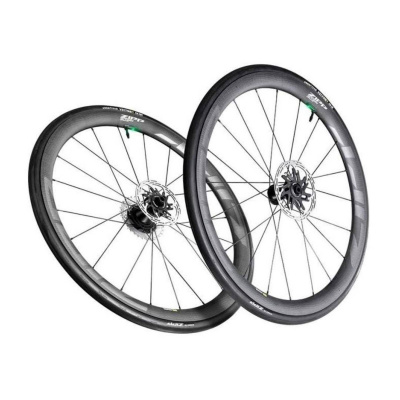
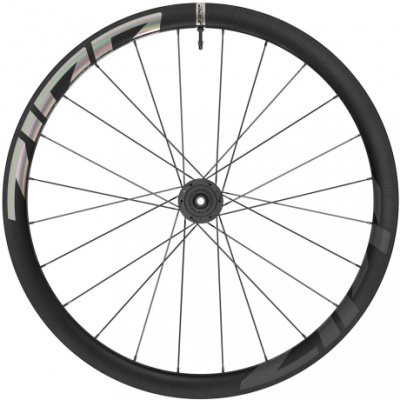
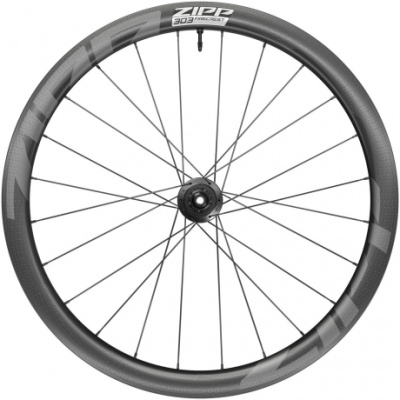
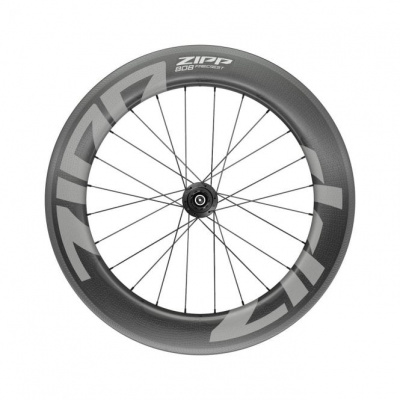
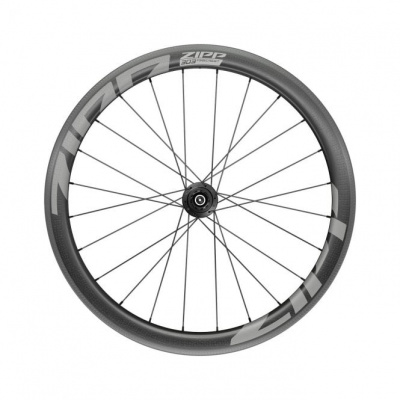
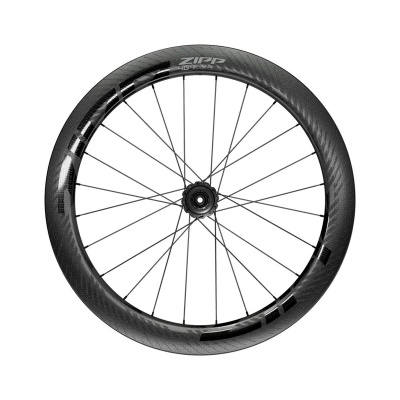
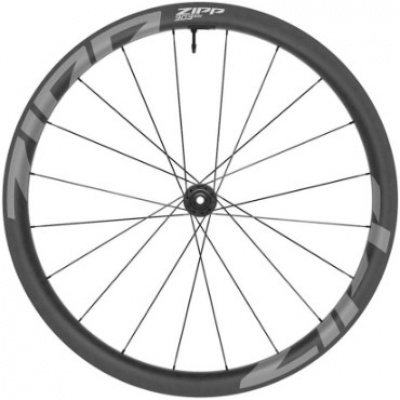
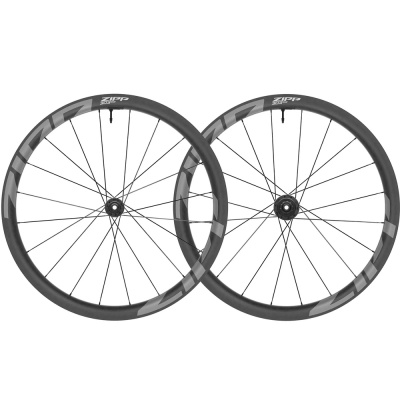
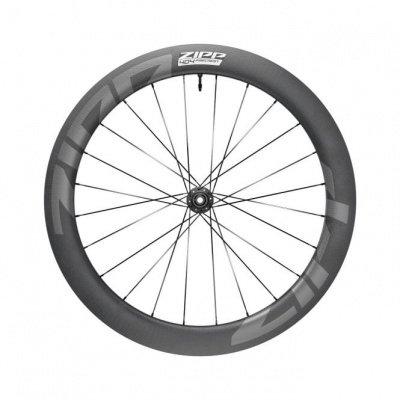
Prices and availability can change quickly. Delivery charges are not always included in listed prices.
Final price, stock status and delivery terms are set by retailer. We may receive a commission on purchases made.
Hookless Rims, Axle Standards, and Getting Compatibility Right
Most current Zipp disc-brake wheels - including the 303 S and the full Firecrest lineup - use hookless rims. That's worth understanding properly before you buy. Hookless rims require a tubeless-ready tyre, full stop. Even if you plan to run an inner tube inside it, the tyre itself must be rated for hookless fitment. Sticking a standard clincher on a hookless rim isn't safe, and Zipp are unambiguous about this. The maximum pressure limit on hookless rims is 73psi (5 bar) - significantly lower than traditional hooked rims. For most UK riders running 28c or wider tyres, that's not a hardship. On a rough Devon lane or across the exposed moorland roads of the Dales, lower pressure is generally quicker anyway.
Axle standards across the disc range are 12x100mm front and 12x142mm rear thru-axle - the current road norm, so compatibility with modern frames is straightforward. Rotor mounting is Centerlock throughout, so factor in a Centerlock-to-six-bolt adaptor if your callipers need it. Freehub options cover Shimano HG, SRAM XDR, and Campagnolo, so whichever groupset you're running, there's a body available. If you're building a custom wheel or need replacement parts, view our dedicated Zipp Hubs, Zipp Rims, and Zipp Spokes & Nipples pages.
S-Series, Firecrest, and NSW: What Each Tier Actually Gives You
Zipp structures the range across three tiers, and the differences between them are meaningful rather than cosmetic.
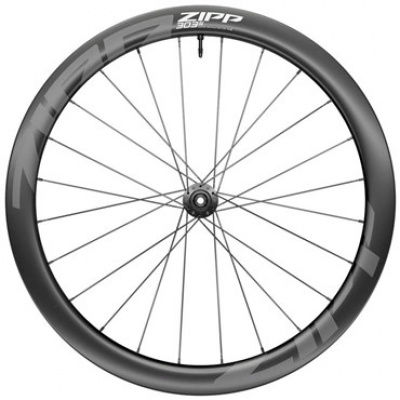
The S-Series - think 303 S - sits at the entry point for Zipp carbon. You get hookless carbon rims and the aerodynamic rim profile, but the hubs are a simpler spec than the tiers above. It's a solid starting point if you want the rim technology without the full NSW price tag, and it pairs well with a set of Zipp road tyres to get the most from the hookless setup.
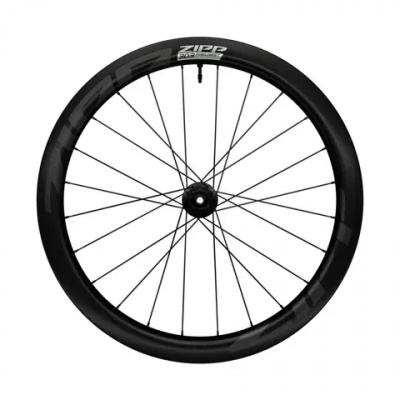
Firecrest is the workhorse tier and where most riders will land. The rims feature ABLC (Aerodynamic Boundary Layer Control) Sawtooth dimpling - small surface disruptions that manage airflow across the rim in crosswinds. If you've ever been caught out by a gust on an exposed viaduct or a coastal headland, you'll know crosswind handling matters. The Firecrest rims are designed to reduce that steering correction rather than amplify it. Hubs at this tier are ZR1 units with 66 points of engagement - fast pickup, audible but not aggressive, and built for reliability. TSE (Total System Efficiency) technology is woven into the rim construction here too, reducing vibration transmission and rolling resistance by optimising how the rim flexes under load.
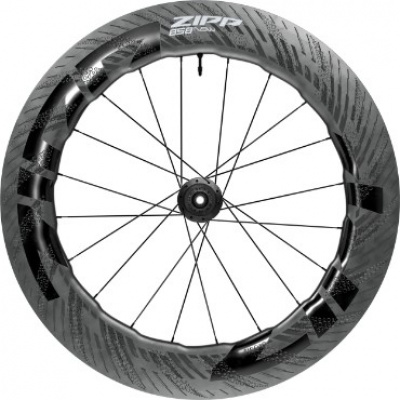
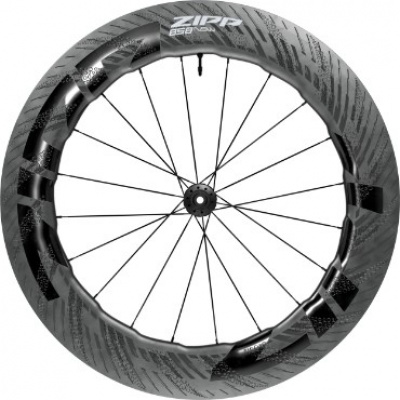
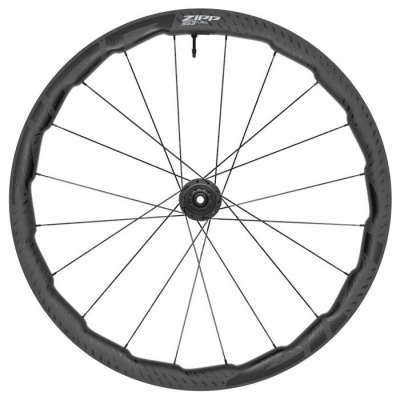
At the top sits NSW (Nest Speed Works). The carbon layup is lighter, the rim profiles use an undulating Sawtooth shape rather than flat ABLC dimpling, and the hubs are Cognition V2 units with Axial Clutch technology. The Axial Clutch is the standout detail: it disengages the drive mechanism during coasting, eliminating the drag created by spinning pawls. On a long descent or a fast rolling road, that translates to measurably lower resistance. It's the kind of thing you notice when you stop noticing it - the freewheeling feels cleaner and quieter than you'd expect. NSW sits in similar company to ENVE and DT Swiss at the premium end, and the price reflects that.
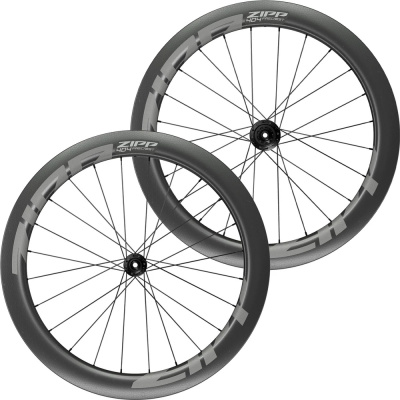
On depth: the numbering system roughly maps to rim depth. The 303 runs around 40mm, making it the versatile, all-road choice. The 404 sits around 58mm and comes into its own on flatter, faster roads. The 858 is the deep-section option for riders who want full aero commitment and mostly race on flat circuits. Climbing riders, or anyone who spends time on technical descents, tend to prefer the 303 for its lighter weight and more planted feel in corners.
Keeping Zipp Wheels Running Through UK Winters
Carbon wheels and gritty British winters aren't natural friends, but Zipp's construction holds up reasonably well with the right maintenance habits. The wider internal rim widths - typically 23mm or 25mm across the range - mean you can run 28c to 32c tyres at lower pressures, which does a lot of the work in avoiding pinch damage on potholed roads. A tyre that's properly seated and running at the right pressure is your first line of defence against the kind of impact damage that a narrow, overinflated setup invites.
Where things tend to deteriorate is in the hubs. After sustained wet riding - particularly on salted winter roads - the bearings in both ZR1 and Cognition V2 hubs will take on grit and moisture if the seals aren't checked periodically. It's worth pulling the wheels out every few months through winter, wiping down the hub shells, and feeling for any grittiness in the spin. Replacing bearings early is far cheaper than letting contamination work through to the races. Check the freehub body too - the ratchet mechanism on ZR1 hubs can accumulate debris if left unserviced. For maintenance parts, the Zipp Bearings page carries the relevant bearing specs, and you'll find freehub bodies and spares listed separately for both hub types.
It's also worth noting that Zipp's disc-brake rim braking surfaces aren't a consideration - no heat build-up, no pad compound questions. That's one genuine advantage of the disc format on carbon rims, especially on longer Welsh descents where rim-brake carbon has historically needed careful management.
If you're comparing against other carbon options at similar depths, Campagnolo and Mavic both offer credible alternatives, each with their own hub and rim philosophies. Zipp's advantage tends to be the TSE vibration management and the Cognition hub tech at NSW level - details that make a tangible difference on longer, rougher rides.
Zipp Road Wheels FAQs
Are Zipp road wheels hookless?
Most current Zipp disc-brake wheels - including the 303 S and the Firecrest series - use hookless rims. You must fit a tubeless-ready tyre rated for hookless fitment, even if you're running an inner tube inside it. Standard clincher tyres are not safe on hookless rims.
What is the difference between Zipp Firecrest and NSW?
Firecrest is Zipp's professional workhorse tier, featuring ABLC dimpling for crosswind stability and ZR1 hubs with 66 points of engagement. NSW is the premium tier - lighter carbon layup, an undulating Sawtooth rim profile, and Cognition V2 hubs with Axial Clutch technology that eliminates coasting drag. The performance gap is real, and so is the price difference.
What tyre pressure should I run on Zipp hookless wheels?
Hookless rims have a strict maximum of 73psi (5 bar) - do not exceed this. The optimal pressure will be lower than you might expect, depending on your system weight and tyre width. Use Zipp's online tyre pressure calculator to get the right figure for your setup rather than guessing.