
Zipp Gravel And Cyclocross Tyres
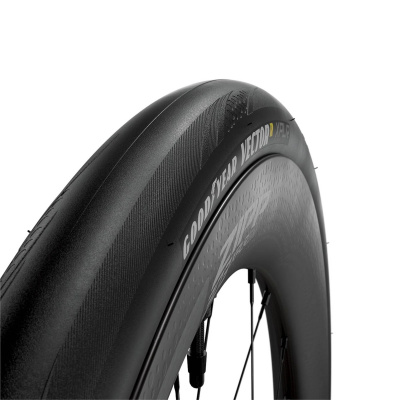
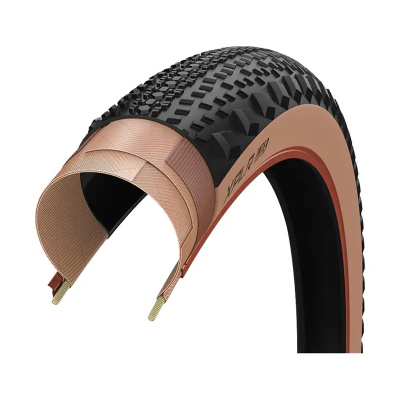
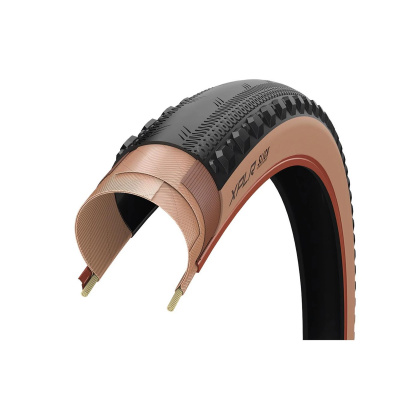
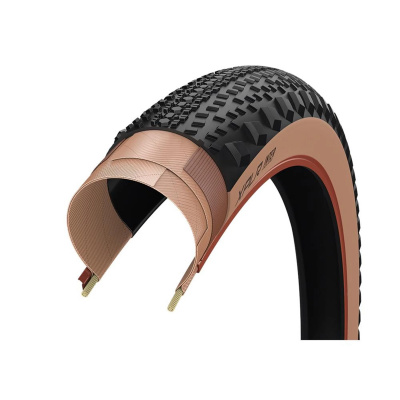
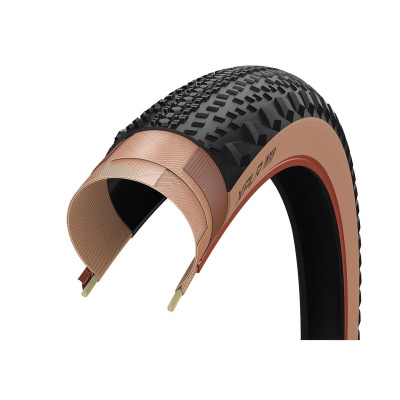
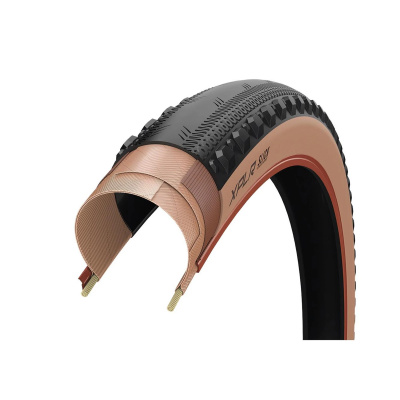
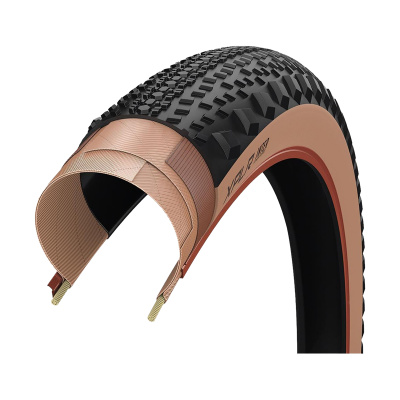
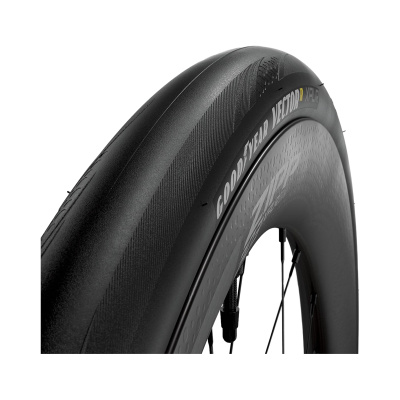
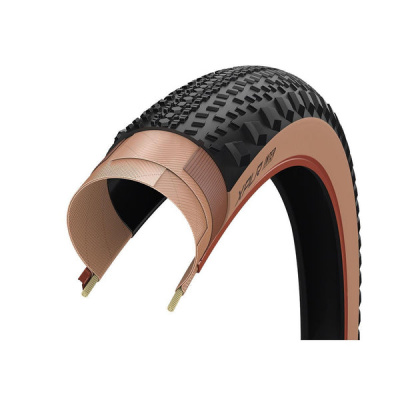
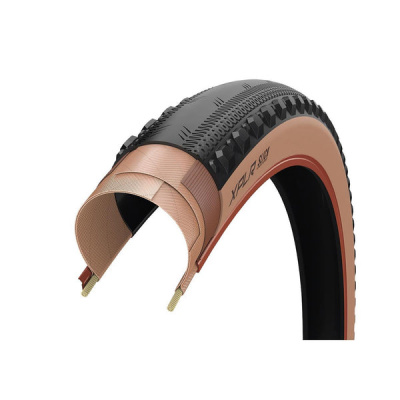
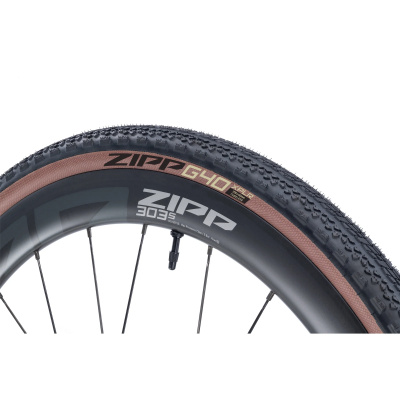
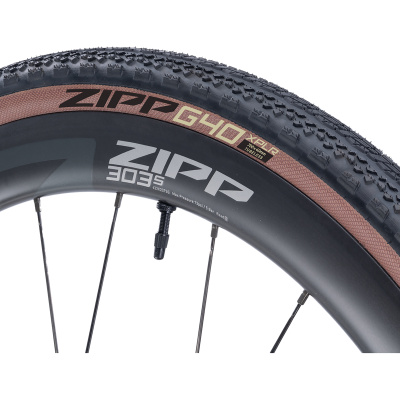
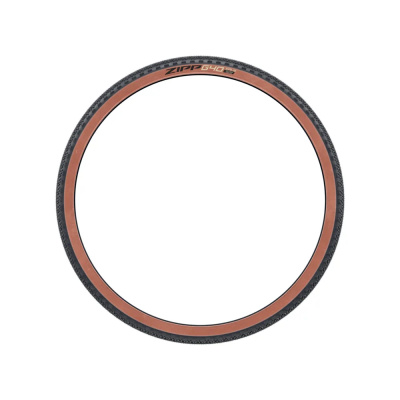
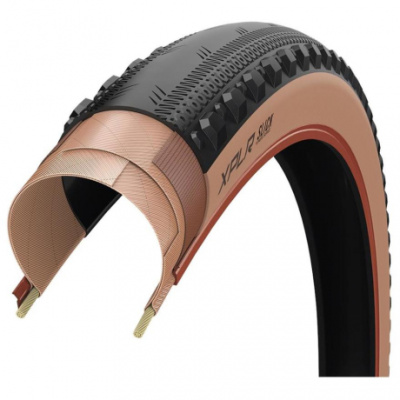
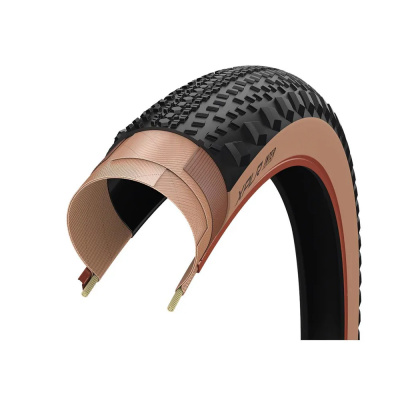
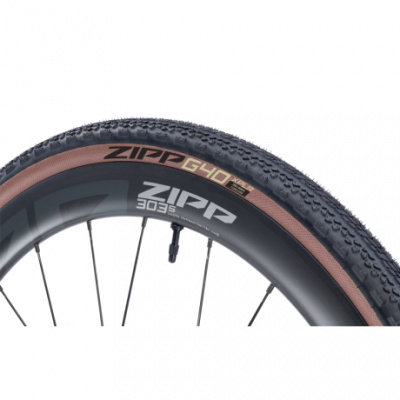
Zipp gravel tyres bring the same obsessive attention to rolling efficiency that made their wheels famous - now applied to what actually touches the ground. The G40 XPLR leads the range, a 700x40c tubeless-ready tyre built around a 127 TPI supple casing that soaks up chatter on rough bridleways and keeps your hands fresh over long miles. The tread pattern is cleverly split: a chevron centre strip rolls fast on hardpack and tarmac, while the shoulder knobs dig in when you tip the bike into a loose corner.
Underneath it all sits an Aramid bead-to-bead puncture protection layer - proper insurance for the kind of flint-strewn chalk tracks you find across the South Downs or the sharp-edged gravel of North Yorkshire's green lanes. These are tubeless-ready, hookless rim-compatible tyres, so they slot straight onto Zipp's own gravel wheels without faff.
If you're running a different brand's hoops, they'll still play nicely with any ETRTO-compliant hookless rim. Whether you want grip in January mud or pace on dry summer gravel, compare UK prices on the full Zipp range below.
Prices and availability can change quickly. Delivery charges are not always included in listed prices.
Final price, stock status and delivery terms are set by retailer. We may receive a commission on purchases made.
Hookless Rims, ETRTO Standards and What You Need to Know
Zipp has been one of the most vocal advocates for hookless rim construction - their 303 Firecrest and 101 XPLR wheels are built on it - so it follows that their gravel tyres are designed with hookless compatibility baked in from the start. The G40 XPLR is fully tubeless-ready and meets current ETRTO standards for use on hookless rims with internal widths in the 25 - 27mm range, which covers most modern gravel-specific hoops.
One number worth committing to memory: 72.5 psi (5 bar) is the maximum pressure permitted on a hookless setup. In practice, gravel riders run nowhere near that - more on pressures in the FAQ below - but it matters if you're ever tempted to over-inflate during a tubeless setup. Don't. The bead-to-bead design of a hookless rim relies on tyre pressure and bead fit working together; exceeding the limit risks a sudden and dramatic separation.
If you're building a tubeless setup from scratch, you'll want to sort your rim tape, tubeless valves, and a quality sealant before the tyre goes near the rim. Get those basics right and the rest is straightforward. Riders pairing Zipp tyres with non-Zipp deep-section wheels should also double-check they have the right valve extenders to clear the rim bed.
G40 XPLR: What the Tread Pattern Actually Does
Zipp's gravel tyre range is deliberately tight - there's no sprawling catalogue of marginal variants here. The G40 XPLR in 700x40c is the focal point, and understanding how the tread is laid out helps you decide whether it suits your regular routes.
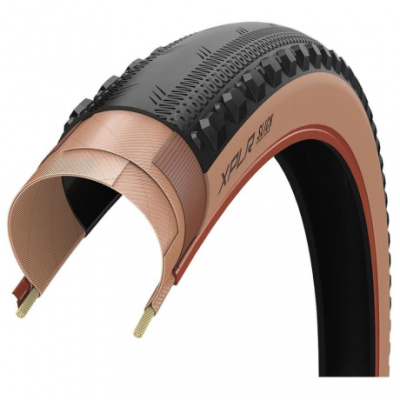
The centre of the tyre runs a chevron tread pattern: low-profile, directional, and designed to roll quickly on compacted surfaces. Fire roads, dry chalk tracks, gravel paths - anywhere the surface is firm, the centre strip keeps resistance low without sacrificing bite when you're pushing pace. Think of it as the motorway mode.
Towards the shoulders, the knob profile shifts to what Zipp describes as an inverted soccer cleat shape. These are taller, more widely spaced, and angled to hook into loose or soft ground as the tyre leans over in corners. On wet Welsh hillside tracks or the kind of sticky Pennine mud that builds up through October, that spacing also helps the tyre shed debris rather than clogging up and losing grip progressively.
The 127 TPI casing is worth dwelling on. Thread count in a tyre casing works similarly to thread count in fabric - higher TPI means finer, more closely woven threads, which produces a more compliant, flexible casing. That compliance matters on surfaces like rooty woodland singletrack or the loose, rocky gravel of Scottish gravel passes, where the tyre needs to deform slightly and wrap around obstacles rather than skipping off them. It also contributes to vibration damping over long days, which is a tangible comfort benefit you'll notice in the hands and lower back.
For Zipp cyclocross tyres, the same casing qualities apply, though the tread geometry shifts towards pure mud clearance and dismount/remount durability. If your riding is exclusively on tarmac, our Vittoria gravel tyres or Continental gravel tyres offer road-biased options worth considering alongside dedicated road rubber.
Surviving UK Conditions: Puncture Protection and Sealant Maintenance
British gravel riding has a particular talent for destroying tyres. The South Downs Way alone will introduce you to flint edges that slice through sidewalls with little warning. Add in the hawthorn hedgerows of Shropshire lanes or the buried slate fragments on Welsh bridleways, and a robust puncture protection layer stops being a nice-to-have.
Zipp's Aramid bead-to-bead puncture protection layer runs the full width of the tyre casing - not just under the centre tread, but right out to the bead. That matters for sidewall protection specifically, because flint tends to catch the tyre at the sidewall as much as under the footprint. Aramid (the same fibre family as Kevlar) is tough without adding significant weight, so you're not paying a rolling resistance penalty for the extra resilience.
Running tubeless is the sensible complement to this. A quality latex sealant will handle small punctures before you even feel them, and when combined with the Aramid layer, larger cuts that might otherwise end your day have a better chance of sealing up. Check your sealant levels every two to three months - more frequently through a UK winter, when cold temperatures thicken latex and grit ingress around the bead can accelerate drying. A quick squirt through the valve with a sealant injector takes two minutes and saves the kind of roadside drama nobody enjoys.
When setting up a fresh tyre, applying sealant before fully seating the bead - rather than injecting afterwards - gives better coverage across the casing. You can pick up everything needed via Zipp's own tubeless kits if you want a matched setup. For alternatives with different tread biases, WTB gravel tyres and Panaracer gravel tyres are worth a look - particularly if you want a more mud-specific or file-tread option.
Zipp Gravel And Cyclocross Tyres FAQs
Are Zipp gravel tyres compatible with hookless rims?
Yes. The G40 XPLR is tubeless-ready and built to ETRTO standards for hookless rim compatibility. The critical rule is keeping pressure below 72.5 psi (5 bar) on a hookless setup - though most gravel riders run well under 45 psi, so this limit is rarely a practical concern.
What pressure should I run in Zipp tubeless gravel tyres?
On a 700x40c G40 XPLR, most riders settle between 30 - 40 psi. Lighter riders on soft or rooty ground can go as low as 28 - 30 psi to let the supple 127 TPI casing conform properly. Heavier riders or harder surfaces might push towards 38 - 42 psi. Adjust in small increments and note what feels planted versus squirmy in corners.
How do you seat Zipp gravel tyres on tubeless rims?
Start with properly fitted rim tape and a tubeless-specific valve seated and torqued down. Push the tyre bead into the rim's centre channel all the way round, then run soapy water along both beads. A high-volume track pump or dedicated tubeless inflator should snap the bead onto the shelf. If the bead won't seat, a compressor or tubeless booster tank is the reliable fix.