
Zipp Gravel Wheels
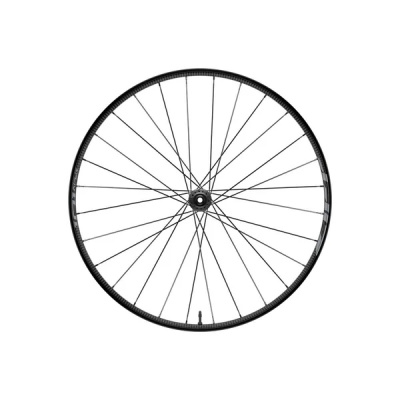
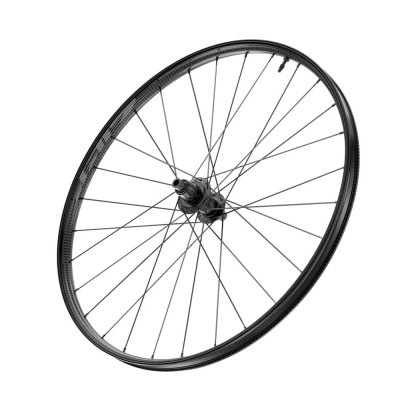
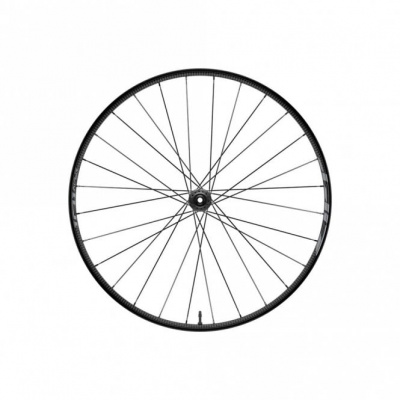
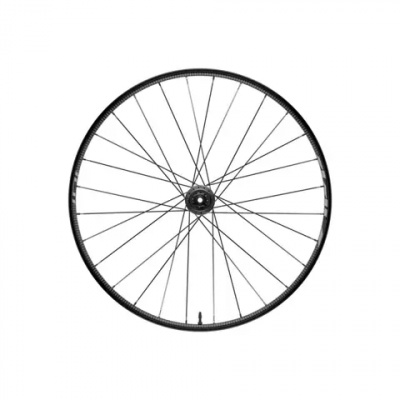
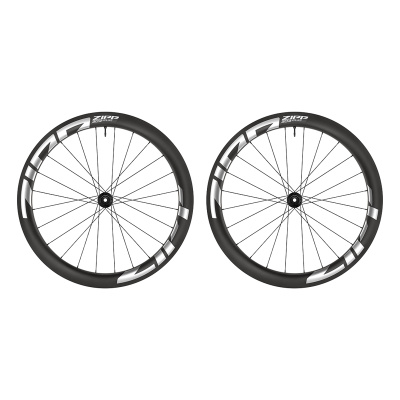
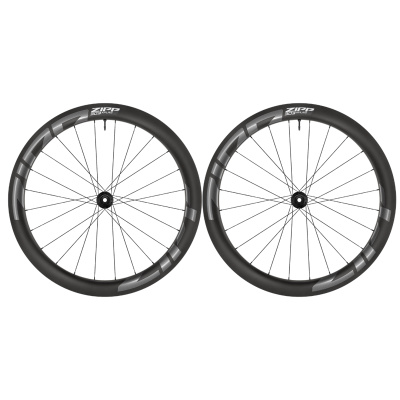
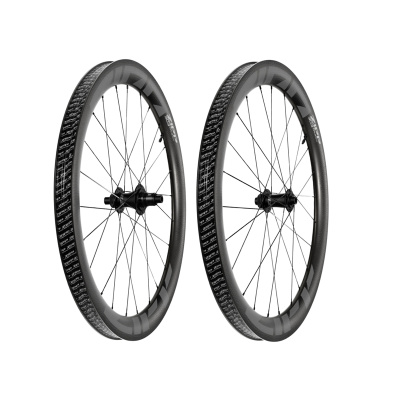
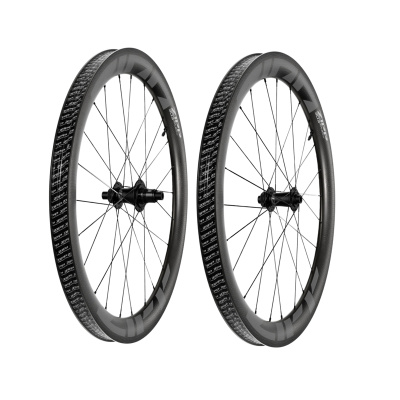
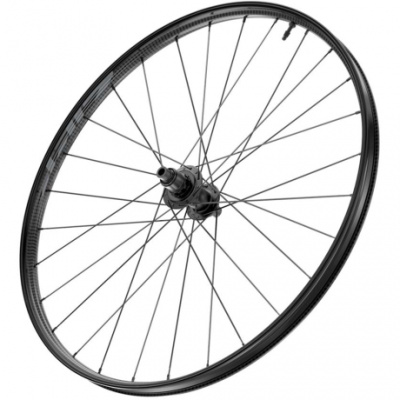
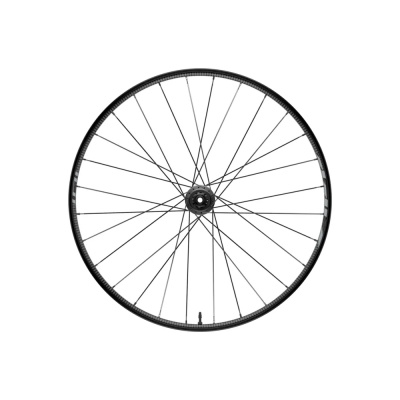
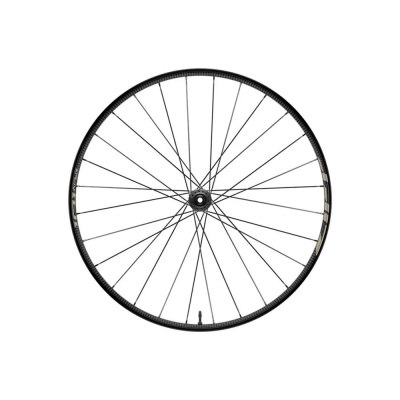
Zipp gravel wheels have come a long way from the aero-obsessed road rims that made the brand famous - and for UK riders picking their way across flint-strewn bridleways or punching through Peak District grit, that evolution genuinely matters. The current gravel lineup is built around two ideas that work brilliantly together: MOTO Technology, a single-wall rim design that lets the rim pivot slightly from either side of the spoke bed for real-world compliance, and TSS hookless rim profiles that allow you to run significantly lower tyre pressures without risking a blow-off. Lower pressures mean more traction on loose chalk or wet roots, and a more forgiving feel when the track turns rough. What makes Zipp worth serious consideration on a UK gravel bike is the lifetime warranty covering impact damage during intended use. Smack a hidden pothole on a Cotswold lane or drop into a rocky gully on a Scottish bridleway, and that warranty isn't just reassuring - it's practical. The ZR1 DB hubs with 66 points of engagement complete the picture, translating every pedal stroke into forward motion with minimal dead-band. These are carbon wheels built for riding, not just looking quick on a Strava segment.
Prices and availability can change quickly. Delivery charges are not always included in listed prices.
Final price, stock status and delivery terms are set by retailer. We may receive a commission on purchases made.
Hookless Compatibility and What You Need to Know Before You Buy
Zipp's TSS (Tubeless Straight Side) hookless rim design delivers a smoother tyre bead transition and lets you run pressures that a traditional hooked rim wouldn't tolerate safely - but it comes with non-negotiable rules. You must use tubeless-ready tyres that are explicitly approved by the tyre manufacturer for hookless rims. Not all tubeless tyres qualify. Check Zipp's published compatibility list before you mount anything, and never exceed 73 psi (5 bar) on any hookless rim in the range. That ceiling is there for a reason, and ignoring it risks a sudden bead separation. Not the kind of excitement you want at speed.
Axle spacing across the gravel range follows current standard practice: 12x100mm front and 12x142mm rear, so they'll drop straight into the vast majority of modern gravel frames without an adaptor conversation. Rotor mounting is Centerlock throughout, which is worth factoring in if your current rotors are six-bolt. Freehub options cover SRAM XDR and Shimano HG - check which your drivetrain needs before ordering, because swapping bodies later is an extra job you'd rather avoid on a wet Tuesday evening.
If you're looking at building a custom wheelset or need replacement components, our dedicated Zipp Hubs and Zipp Rims pages cover individual parts in detail - head there rather than trying to piece together specs from this page.
Which Zipp Gravel Wheel Actually Suits You: XPLR, Firecrest, or S?
There are three distinct tiers in Zipp's gravel-capable carbon range, and picking the wrong one is an easy mistake when the naming doesn't exactly telegraph the differences.
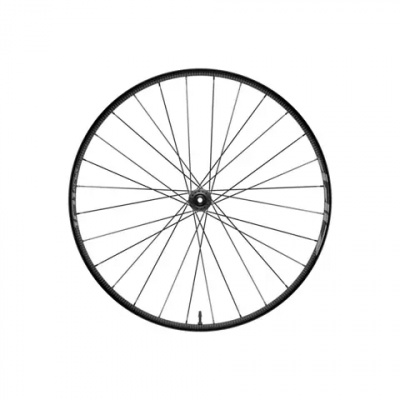
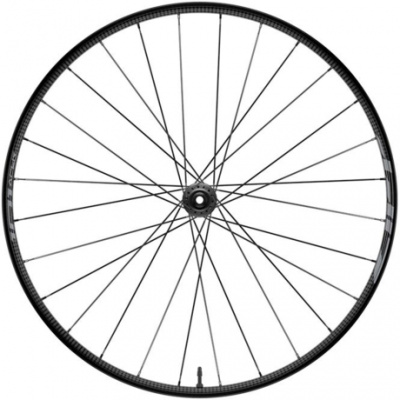
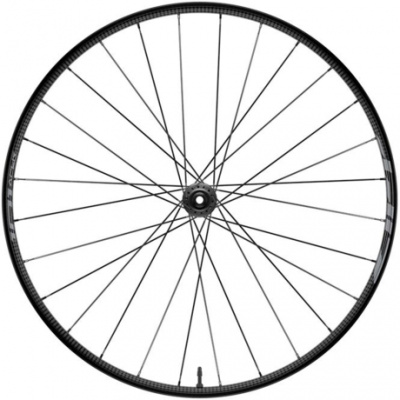
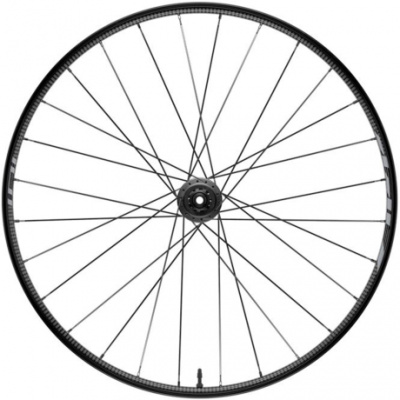
The 101 XPLR is the one purpose-designed for gravel from the ground up. It uses MOTO Technology - that single-wall carbon construction - to give the rim genuine lateral compliance. Think of it as the rim absorbing micro-impacts rather than transmitting them straight to your hands and backside. If you're regularly on rough bridleways, loose hardpack, or anything resembling singletrack on a gravel bike, this is the wheel that's been engineered for that kind of punishment. The internal rim width is wider to suit larger-volume tyres, and the whole package prioritises durability and comfort over outright aerodynamic efficiency. These are the Zipp gravel wheels for riders who genuinely go off-road rather than just occasionally leaving the tarmac.
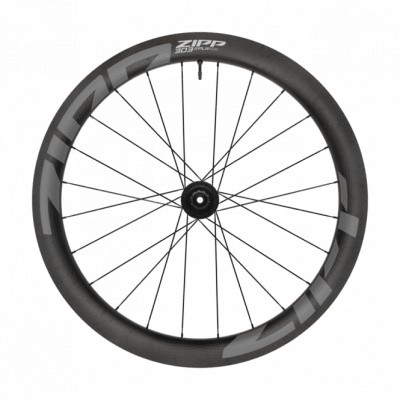
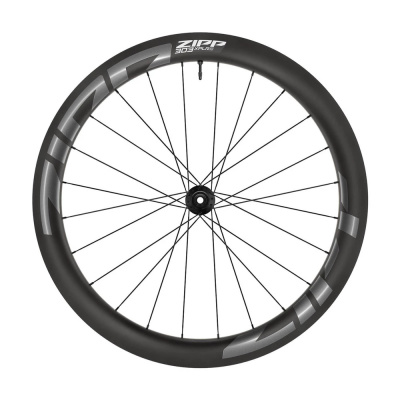
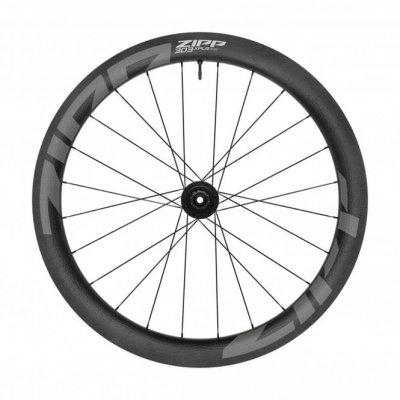
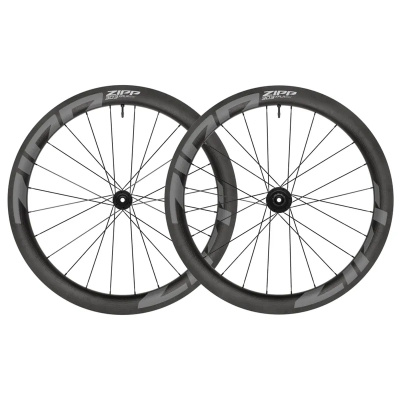
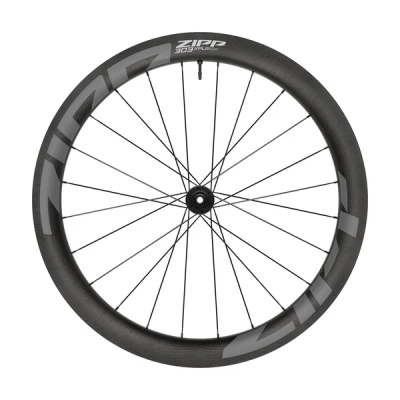
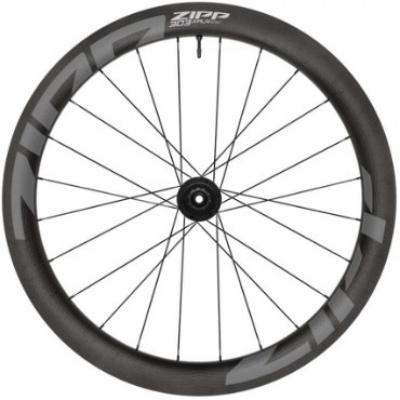
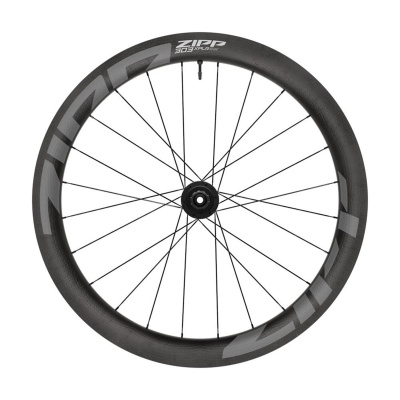
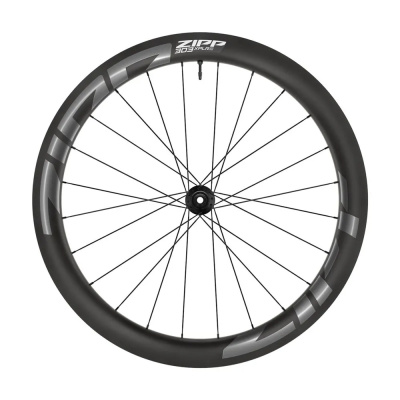
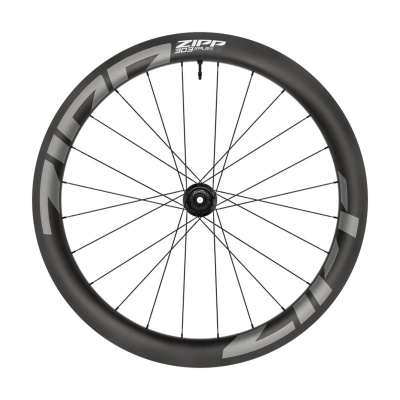
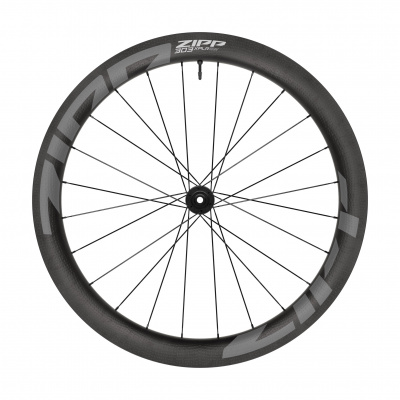
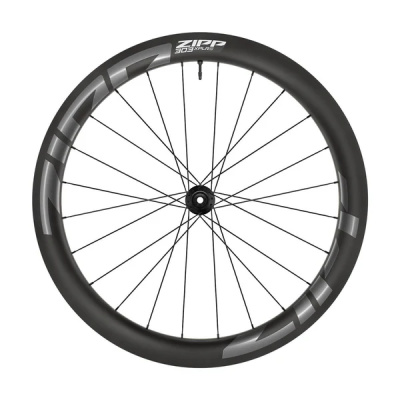
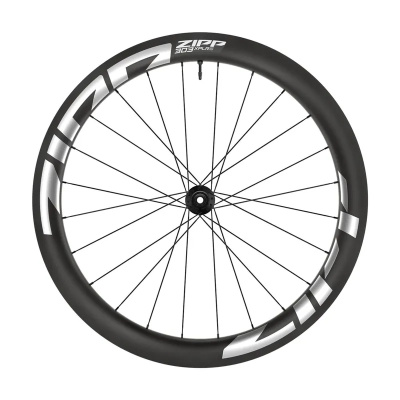
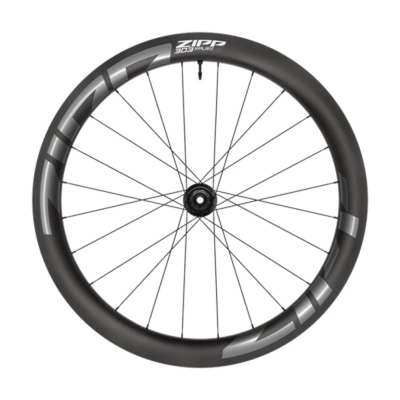
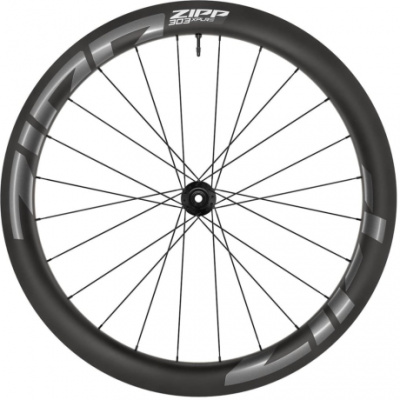
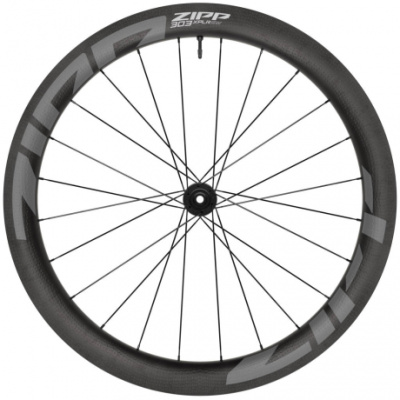
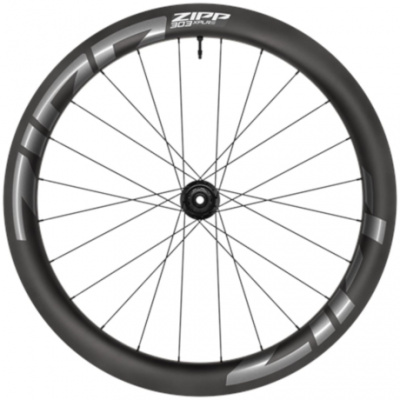
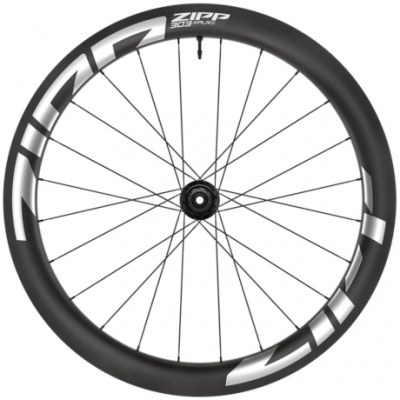
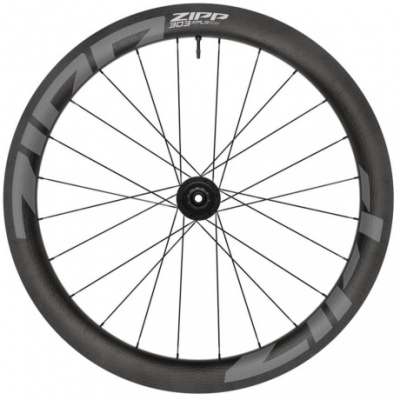
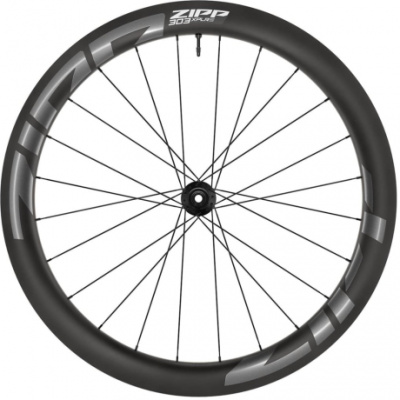
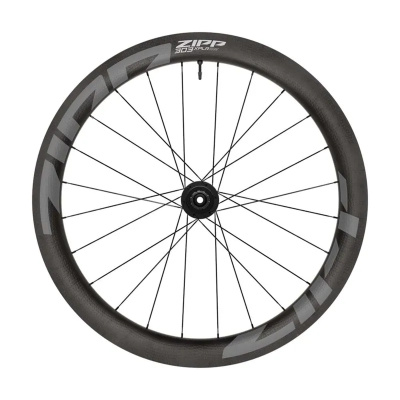
The 303 Firecrest sits in interesting territory. It's Zipp's most recognisable carbon road wheel, but with a 25mm internal rim width it handles tyres from 28mm up to around 40mm without complaint - which covers the majority of gravel tyre choices comfortably. The hookless TSS profile keeps that low-pressure advantage, and the aerodynamic rim shape means you're losing very little on fast hardpack or tarmac linking sections. If your gravel riding tends toward fast mixed-surface routes - the kind where you're doing 30-mile loops with 60% smooth lanes and 40% rougher stuff - the 303 Firecrest is a genuinely versatile option. It's also the obvious pick if you want one wheelset that does a capable job on both your road and gravel bikes. Compared to what ENVE gravel wheels charge for similar versatility, the Firecrest represents a competitive position in the carbon market.
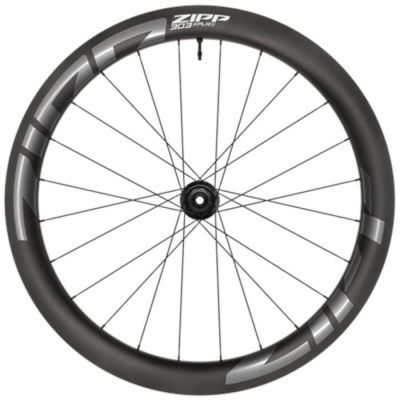
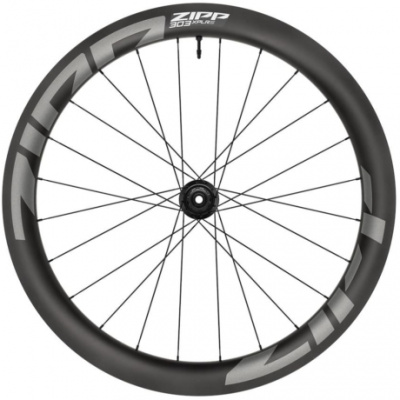
The 303 S is the entry point into Zipp carbon. The rim shape is still effective and the hookless hookless standard applies here too, but the hubs are heavier than the ZR1 units found higher up the range, and the overall build weight reflects the lower price point. For riders stepping up from aluminium who want carbon without spending at the top of the market, it's a reasonable gateway. Just don't expect it to feel identical to a Firecrest - the difference in hub engagement and overall stiffness is noticeable. Alternatives like DT Swiss gravel wheels are worth comparing at this tier, particularly if hub serviceability is a priority for you.
Keeping Zipp Wheels Running Through a UK Winter
British gravel riding is hard on equipment in ways that a dry Mediterranean sportive simply isn't. Flint chips, deep clay mud, and grit that works its way into every gap are the reality for most UK riders from October through to April. The ZR1 DB hubs address this with improved seal design - genuinely important when you're regularly riding through standing water and saturated bridleways. That said, no hub seal is fully maintenance-free. Give the freehub body a clean and a re-grease every few months if you're riding through winter regularly; the 66-point engagement mechanism rewards a bit of attention and will stay crisp for longer if you don't let grit build up inside.
Tubeless sealant needs more monitoring on hookless setups than on hooked rims. The bead fit is tight and reliable, but sealant does dry out, and a dry tubeless tyre on a hookless rim is more likely to burp when you hit a sharp edge at low pressure - exactly the scenario you're in on wet roots or loose gravel. Top up sealant every two to three months, or sooner if you've had a puncture that used up a significant plug of latex. Pair the wheels with Zipp gravel and cyclocross tyres that are confirmed hookless-compatible, and carry a tube as a backup - Zipp inner tubes are sized to work with the rim profiles and take the guesswork out of emergency repairs. Hope gravel wheels are often cited as the benchmark for low-maintenance hub durability in UK conditions - the ZR1's revised sealing is Zipp's direct answer to that reputation.
One practical note: if you're switching between XDR and HG freehub bodies, do it with the hub cold and clean. Warm aluminium freehub splines can seize if you force a change after a hard, muddy ride. A few minutes and the right tools saves a frustrating strip-down later.
Zipp Gravel Wheels FAQs
Can I use Zipp 303 Firecrest for gravel riding?
Yes, and it's a capable choice. The 303 Firecrest has a 25mm internal rim width that suits tyres from 28mm to around 40mm, and its TSS hookless design lets you run lower pressures for improved grip on loose or rough surfaces. It's at its best on fast mixed-surface routes rather than technical singletrack, but it handles gravel riding well.
What tyres are compatible with Zipp hookless wheels?
You need tubeless-ready or tubeless-specific tyres that the tyre manufacturer has explicitly approved for hookless (TSS) rims. Not all tubeless tyres meet this standard, so check Zipp's official compatibility chart before mounting. The hard limit across all Zipp hookless rims is 73 psi (5 bar) - don't exceed it.
What is the difference between Zipp 101 XPLR and 303 S?
The 101 XPLR is purpose-built for gravel, using single-wall MOTO Technology to give the rim genuine compliance and impact resistance on rough ground - it flexes slightly rather than transmitting every hit straight through. The 303 S is a more conventional deep-section carbon wheel focused on aerodynamic efficiency for faster, mixed-surface riding, with heavier hubs and less compliance off-road.