
Goodyear Road Tyres
Goodyear road bike tyres have re-entered the premium cycling market with serious intent, built around proprietary technology that puts them in genuine conversation with the best rubber out there. The Dynamic:GSR (Graphene-Silica-Road) compound is central to what makes these tyres interesting - it delivers lower rolling resistance and more predictable cornering grip than a conventional silica compound, particularly on cold or damp tarmac where you need confidence rather than crossed fingers.
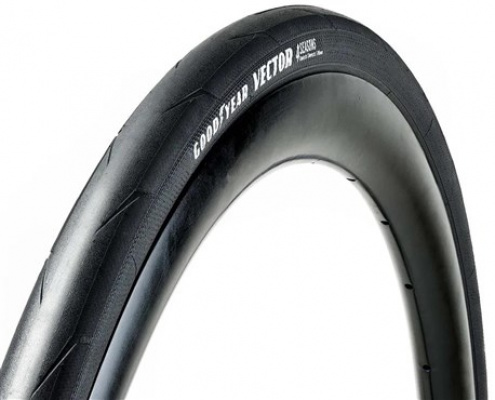
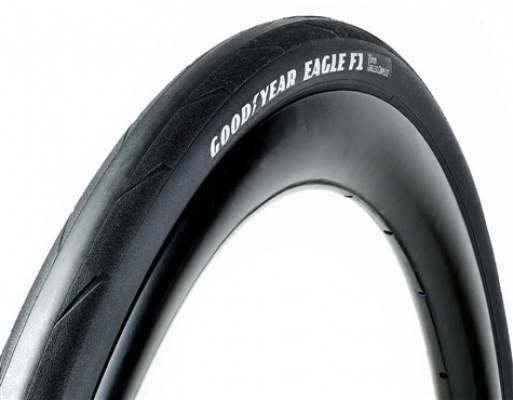
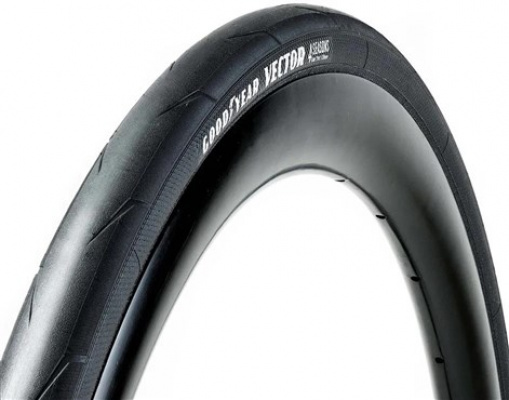
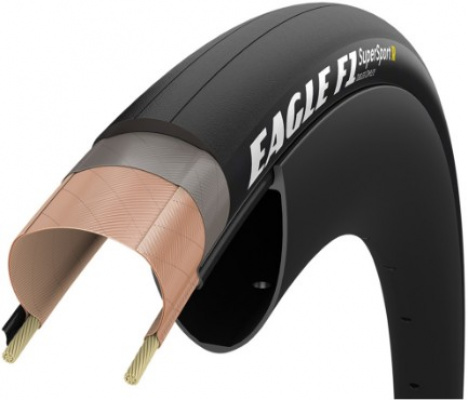
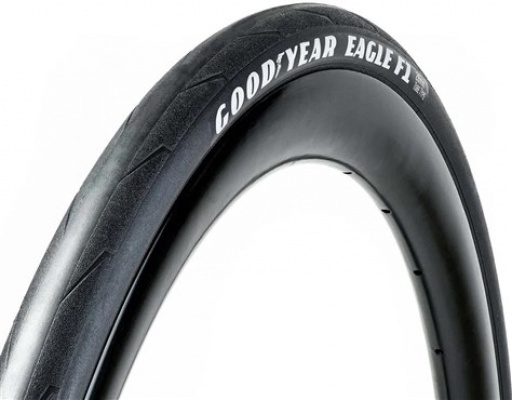
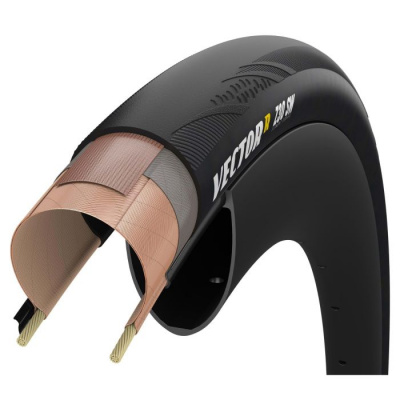
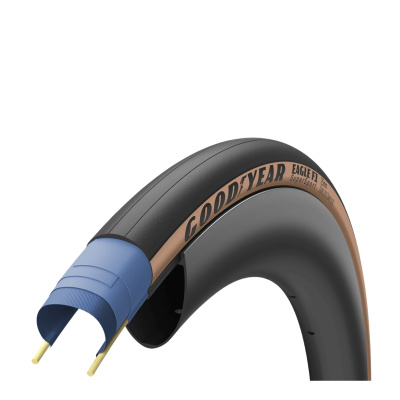
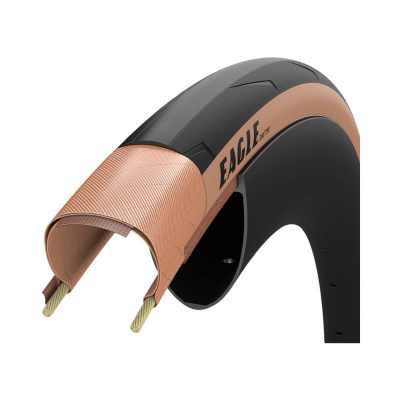
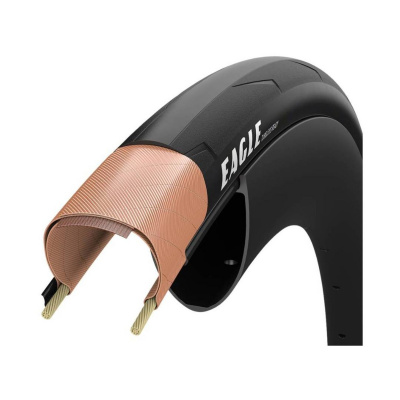
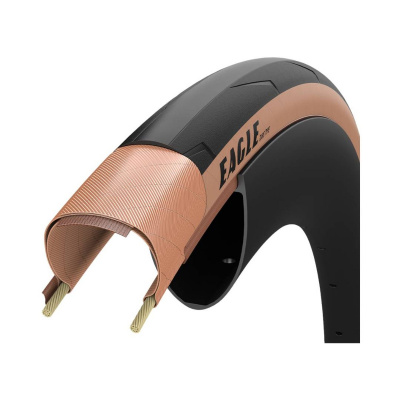
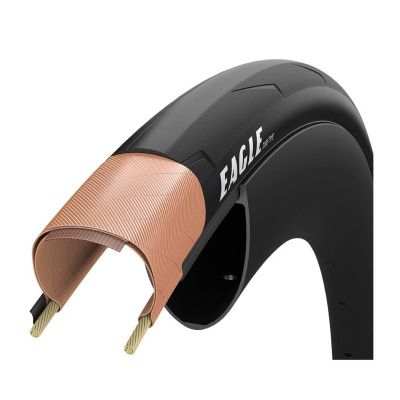
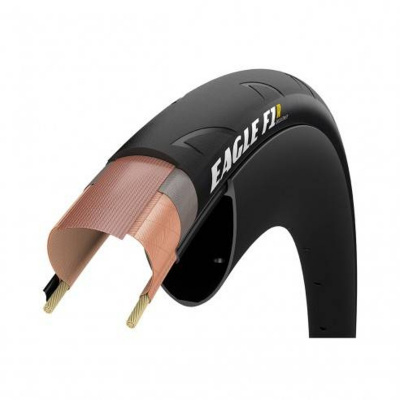
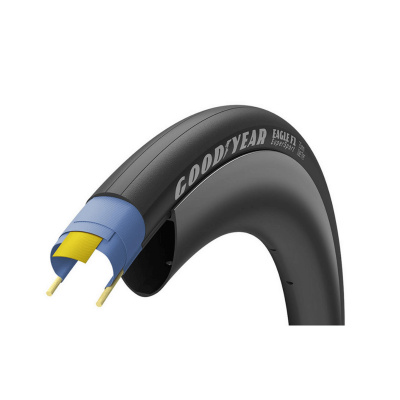
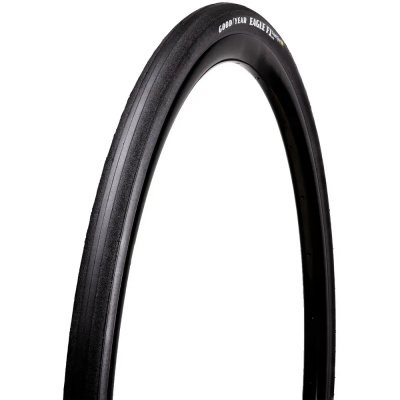
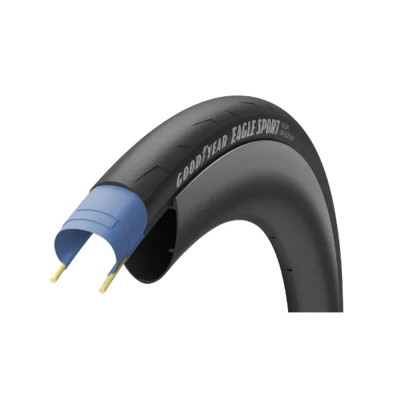
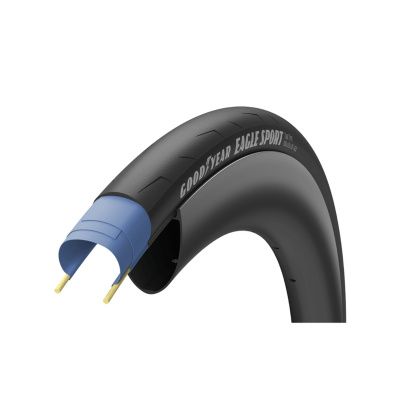
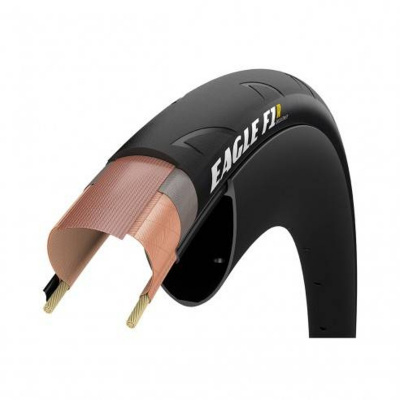
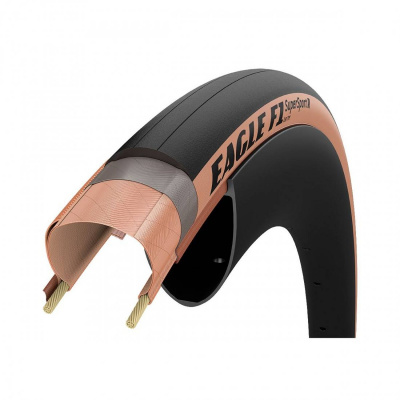
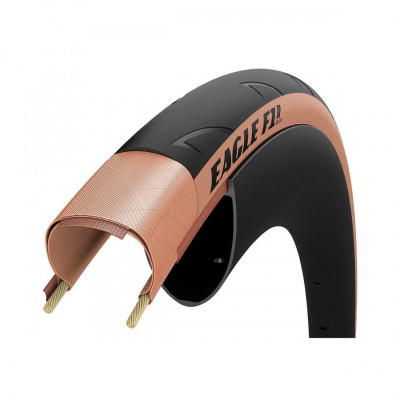
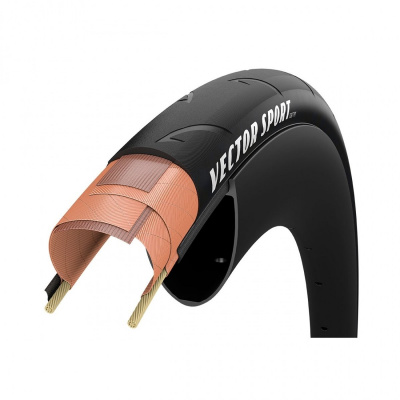
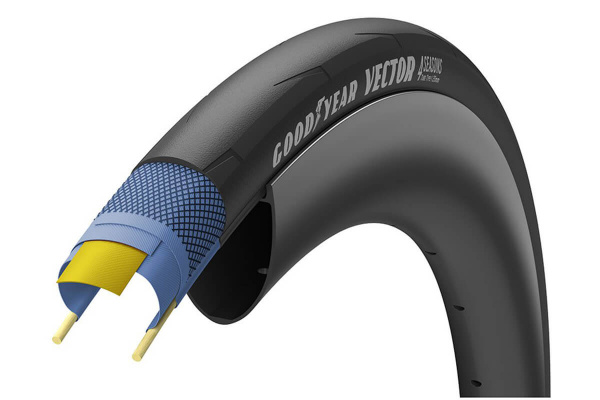
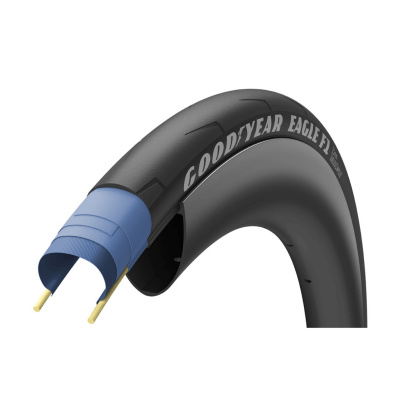
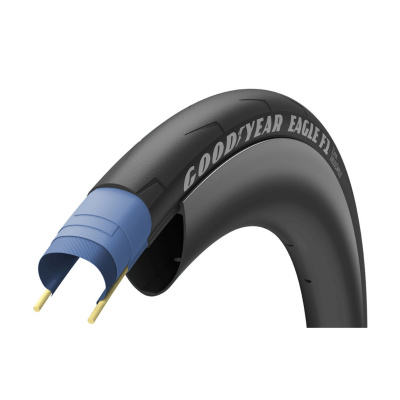
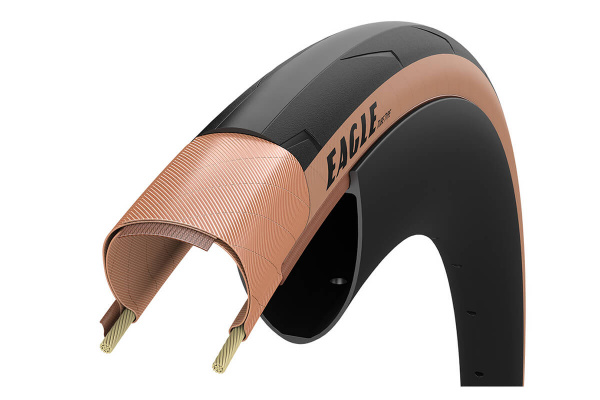
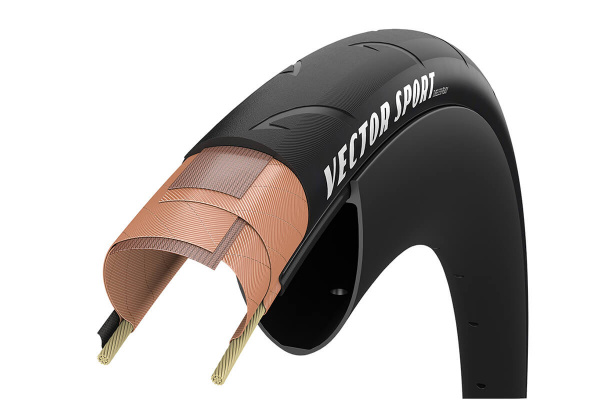
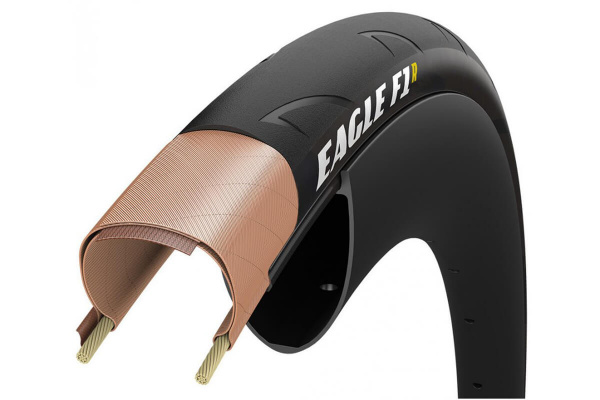
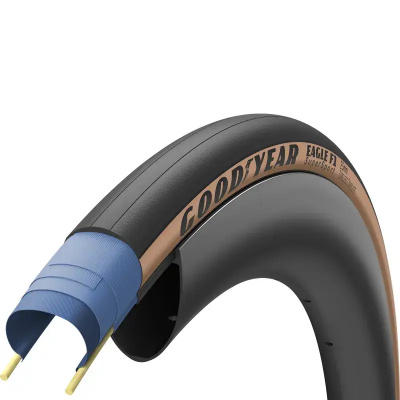
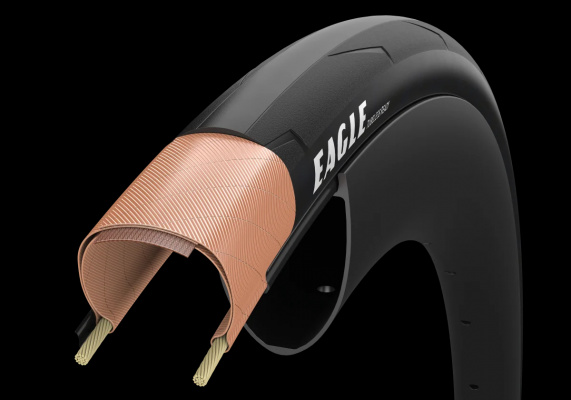
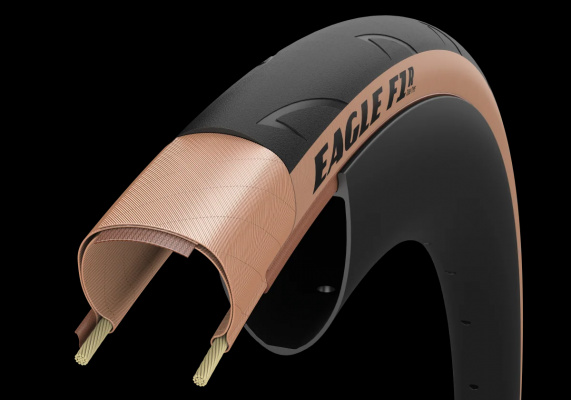
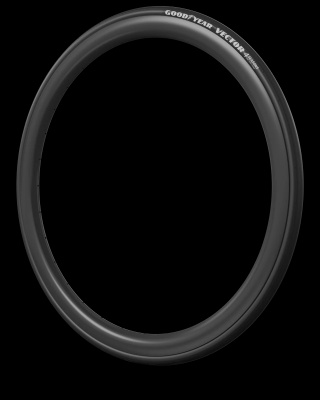
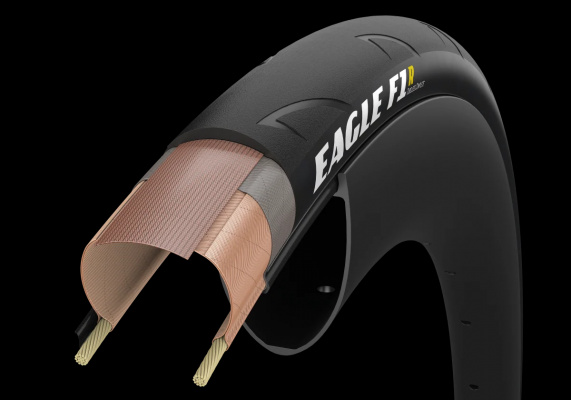
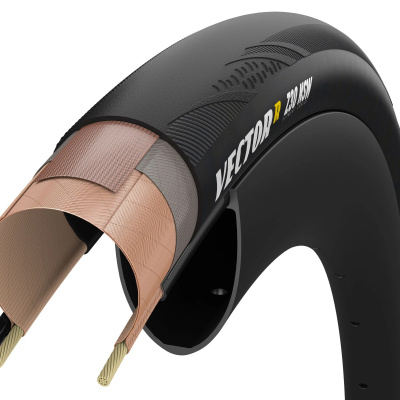
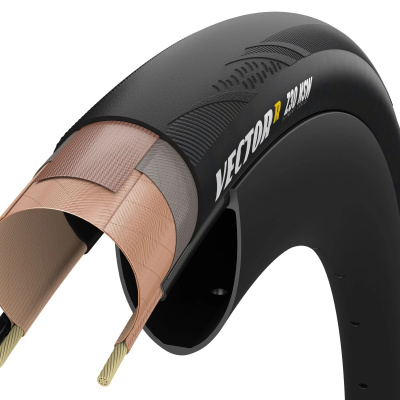
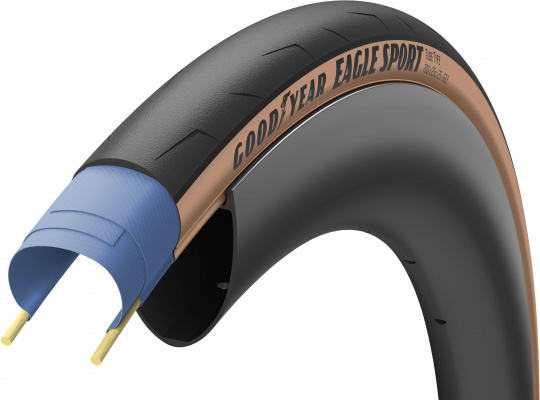
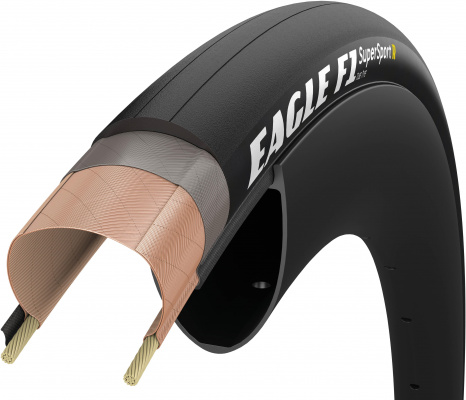
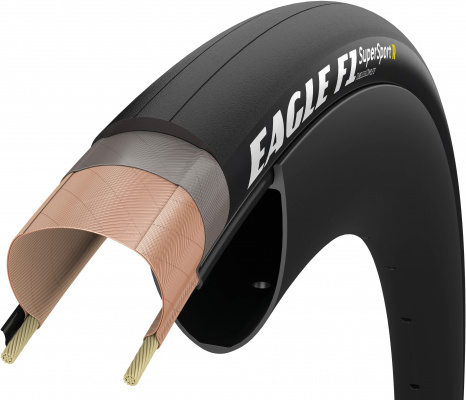
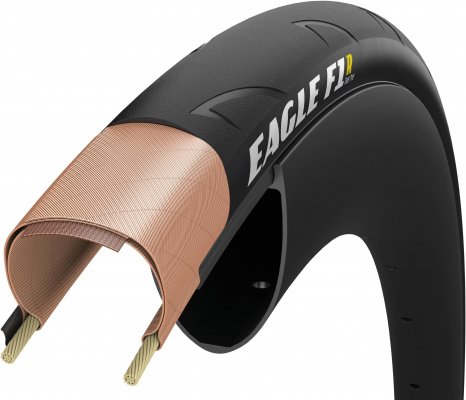
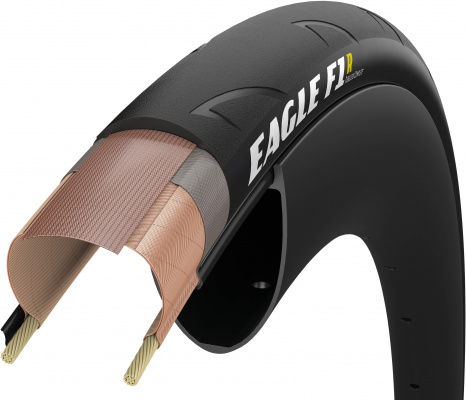
The range covers the full spectrum. The Eagle F1 SuperSport is a dedicated race-day tyre - featherlight, fast, minimal protection. The Eagle F1 sits in the middle ground, balancing speed with meaningful R:Shield puncture protection for riders who train on the same rubber they race. Then there's the Vector 4Seasons, which is arguably the most relevant tyre for anyone spending October to March on UK roads - reinforced, grippy, and built to shrug off the kind of debris that lines British B-roads after a wet autumn. The Eagle Sport rounds out the range as a dependable, affordable clincher for everyday miles.
The Tubeless Complete system threads through the range and is genuinely worth understanding before you buy. Compare prices across the full lineup below and find the right rubber for your wheels.
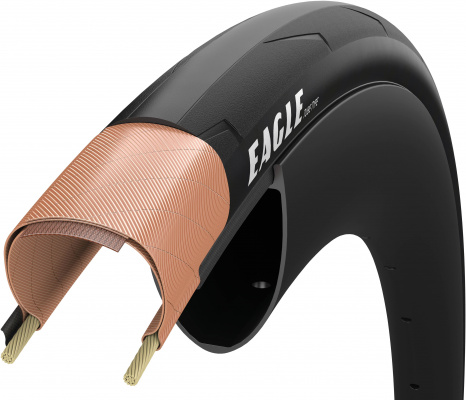
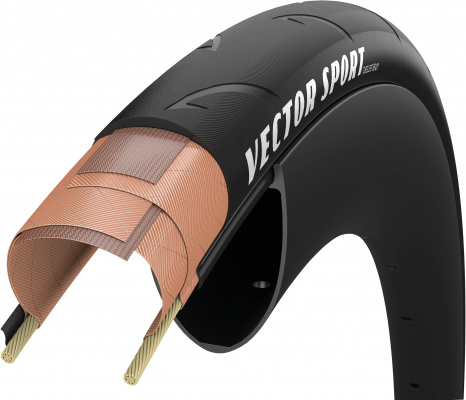
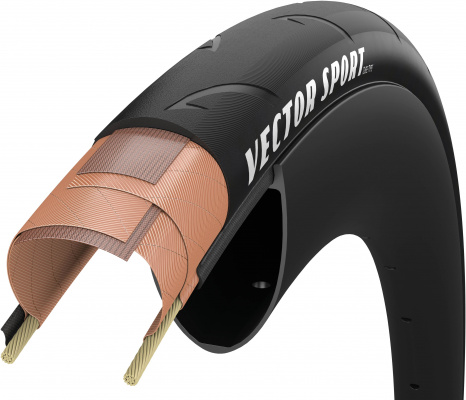
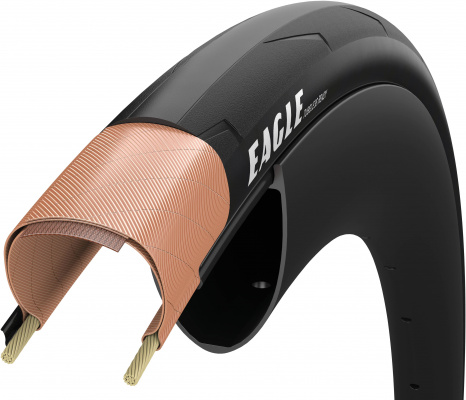
Prices and availability can change quickly. Delivery charges are not always included in listed prices.
Final price, stock status and delivery terms are set by retailer. We may receive a commission on purchases made.
Fitting Goodyear Tyres: Clincher, Tubeless Complete, and Rim Standards
Goodyear splits its road tyre range into two core constructions: standard clincher (Tube Type) models and Tubeless Complete versions. The clincher options work exactly as you'd expect - inner tube, bead onto the rim, done. The Tubeless Complete models are where things get more interesting, and where compatibility questions come up most often.
The Dual Angle Bead is the detail that makes Tubeless Complete tyres noticeably easier to seat on modern wide rims than most rivals. The bead geometry is engineered to pull tight and seal predictably, which matters if you've ever spent twenty frustrating minutes with a track pump and a bowl of soapy water trying to get a stubborn tyre to pop. That said, it still pays to check your internal rim width before ordering - Goodyear optimises tyre profiles for modern wider rims (internal widths of 19mm and above), so pairing a 25mm Tubeless Complete tyre with a narrow 15mm internal rim won't give you the right tyre shape or rolling characteristics.
On hookless compatibility: Goodyear's Tubeless Complete road tyres in 28mm and wider are generally approved for hookless (TSS) rims, but the ETRTO 72.5 psi (5 bar) maximum pressure limit is mandatory - not a suggestion. If you're running a hookless-rimmed wheelset and you're used to inflating to 90 - 100 psi, adjust your habits before you adjust your tyres. Always cross-reference your specific wheel manufacturer's approved tyre list before fitting anything new. If you're considering alternatives with similar hookless approvals, Pirelli road tyres and Continental road tyres are both worth comparing on that front.
Goodyear's Road Tyre Range: Matching the Model to Your Riding
Start at the top: the Eagle F1 SuperSport is Goodyear's purest expression of race performance. A high-TPI casing keeps weight down and compliance up, and the Dynamic:GSR compound rolls fast. Puncture protection is minimal - this tyre is built for race days and controlled conditions, not the kind of ride where you're threading through patches of gravel wash and hoping for the best. If a flat ruins your day more than it ruins your Strava segment, look at something else.
The Eagle F1 is the tyre most riders will actually want. The Dynamic:GSR compound is still present, so rolling resistance stays competitive, but Goodyear layers in R:Shield puncture protection to give you a fighting chance against the usual road debris. It's the tyre that makes sense for fast club rides, sportives, and training blocks where you want performance without constant anxiety about what's on the road surface. Think of it as the tyre that does the race-day job without requiring race-day conditions.
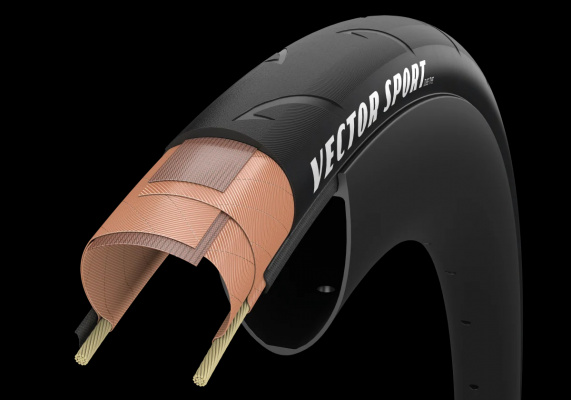
The Vector 4Seasons is where Goodyear's UK relevance is clearest. It uses a Dynamic:Silica4 compound specifically tuned for wet and cold grip, and the Armorlet casing reinforcement adds meaningful resistance to the kind of flint shards and hedge clippings you'll encounter on any rural B-road from October onwards. This is the right answer to the question of the best Goodyear tyres for UK winter use - not a compromise, but a tyre genuinely designed around those conditions. Riders after a comparable all-season option from a different stable could look at Michelin road tyres or Vittoria road tyres, but the Vector holds its own in this class.
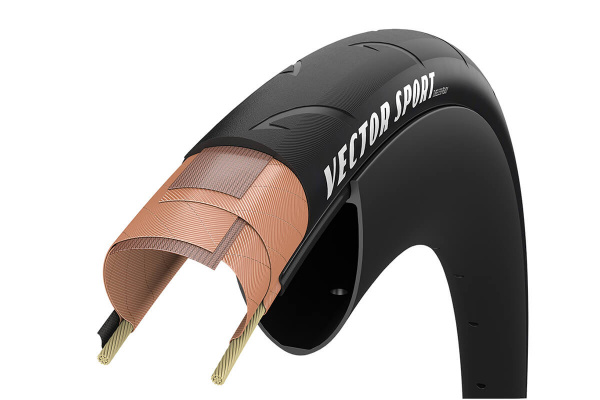
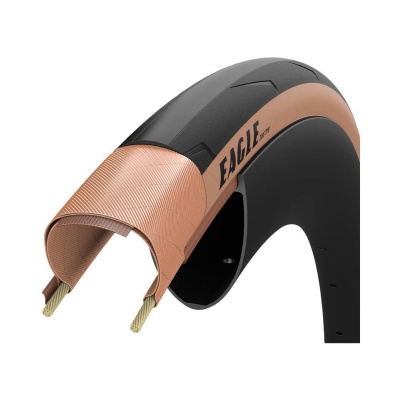
The Eagle Sport sits at the accessible end of the range - a robust clincher built for training volume and commuting mileage rather than outright speed. Higher rolling resistance than the Eagle F1, but the durability trade-off is worth it if you're putting in big base miles on roads you don't fully trust. If you ride mixed surfaces, it's also worth glancing at Goodyear's gravel and cyclocross tyres - some riders on rough British lanes find the crossover worth considering.
The cost difference between tiers buys you three things: a lighter, higher-TPI casing that improves compliance and reduces weight; a more advanced compound (Dynamic:GSR vs standard silica) that cuts rolling resistance measurably; and better puncture protection architecture where it's included. Whether those gains are worth the premium depends entirely on how and where you ride.
Keeping Goodyear Tyres Rolling Through British Conditions
If your riding year includes anything from October to March on roads outside major cities, the Vector 4Seasons deserves serious consideration. Flint is the persistent enemy on chalk downland and rural lanes - it washes out from field tracks and sits on the road surface waiting to slice through any tyre that isn't properly reinforced. The Armorlet belt makes a tangible difference here, and Goodyear road tyre puncture resistance in the Vector is among the better-performing options in the all-season category.
Running the Tubeless Complete system on the Vector or Eagle F1 is worth the setup effort. One thing to understand about Tubeless Complete vs standard tubeless ready: the proprietary bead construction and additional multi-compound layer mean the tyre holds air noticeably better out of the box, even before sealant is added. Standard TLR tyres can lose pressure quickly without sealant and often need more effort to seal. That said, don't skip the sealant entirely - 30 - 40ml of a quality latex-based sealant is still the right call for handling mid-ride punctures. The Tubeless Complete system reduces your baseline air loss, but sealant is what saves you when something sharp actually penetrates the casing.
In wet winter conditions, dropping tyre pressure by 5 - 10 psi compared to your summer setup is a straightforward way to increase the contact patch and get more from the silica compound's grip. It costs you a small amount of rolling efficiency but gains you predictability in corners on cold, wet tarmac - which is a sensible trade on a January morning. Keep valves clean, check sealant every couple of months (it dries out faster in cold weather), and inspect the casing for embedded debris after any rough ride. Goodyear's commuter and hybrid tyres share some of the same casing philosophy for riders who want year-round durability across different bike types.
Goodyear Road Tyres FAQs
Are Goodyear Eagle F1 road tyres hookless compatible?
Goodyear's Tubeless Complete road tyres (28mm and wider, generally from 2021 production onwards) are approved for hookless rims, but you must stay within the ETRTO limit of 72.5 psi (5 bar). Always check your wheel manufacturer's approved tyre list before fitting - hookless compatibility isn't universal across every rim and tyre pairing.
What is the difference between Goodyear Tubeless Complete and standard tubeless ready?
Tubeless Complete uses a Dual Angle Bead and an additional multi-compound layer that retains air pressure more effectively than a standard TLR tyre - even before sealant is applied. It also seats more easily on modern wide rims. Standard TLR tyres generally require sealant immediately to hold any pressure and can be harder to mount consistently.
Which Goodyear road tyre is best for UK winter riding?
The Vector 4Seasons is the clear choice. Its Armorlet-reinforced casing handles flint and road debris better than the race-focused Eagle F1, and the Dynamic:Silica4 compound delivers reliable wet grip on cold tarmac. Drop pressures by 5 - 10 psi in winter to maximise grip, and pair it with 30 - 40ml of sealant if running tubeless.