
Zefal Mini Pumps
Zefal mini pumps have been a familiar sight in jersey pockets and on frame tubes since the brand first started making bicycle pumps back in 1880 - and that experience shows in the details. Whether you're wrestling a clincher back to pressure on a January B-road or trying to seat a tubeless gravel tyre at the trailhead, these compact inflators are designed to get you back riding without a fuss.
Two features set Zefal apart from the crowd. The Z-Turn connection is a threaded, screw-on hose head that locks firmly onto both Presta and Schrader valves without torquing sideways - a small thing until cold, stiff fingers snap a Presta valve core on a dark November morning. The Z-Line technology inside the barrel keeps pumping effort manageable as pressure climbs, which matters more than you'd think when you're trying to hit 100 PSI with your gloves still on.
Across road, MTB, and gravel, Zefal offers a clear model hierarchy - from featherlight aluminium barrel pocket pumps to burlier MTB units with magnetic handle locks. Use the range below to find the right balance of max PSI, stroke volume, and weight for your setup.
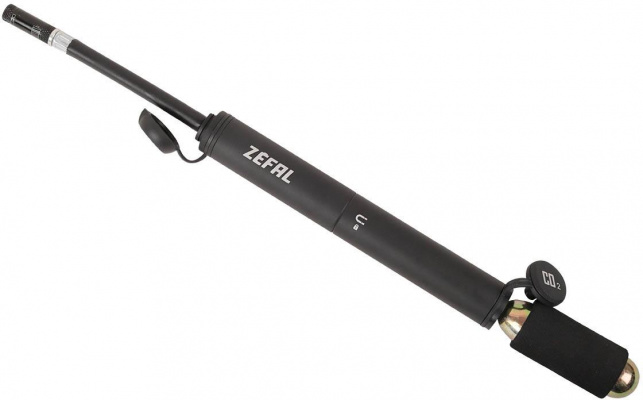
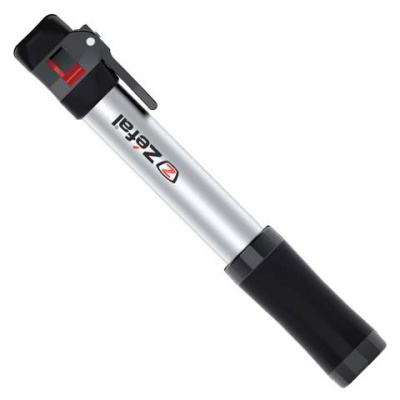
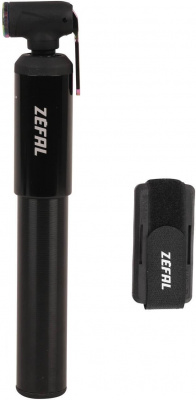
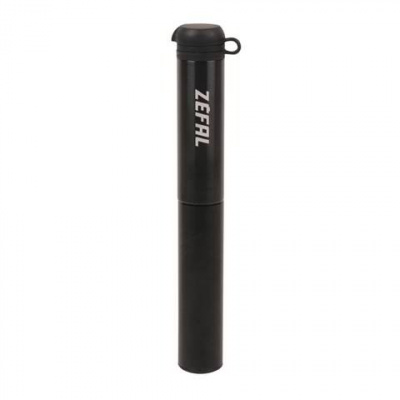
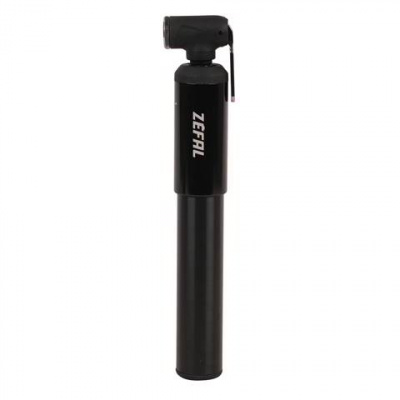
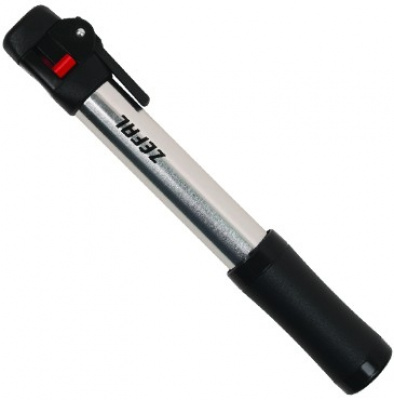
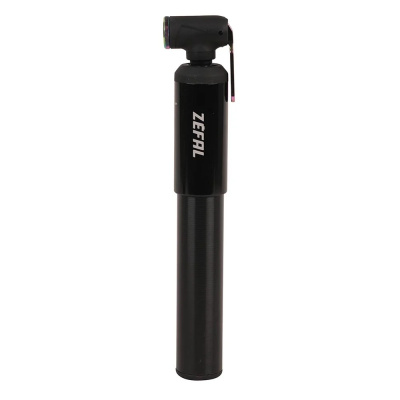
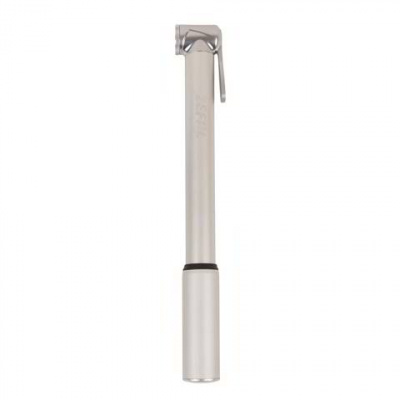
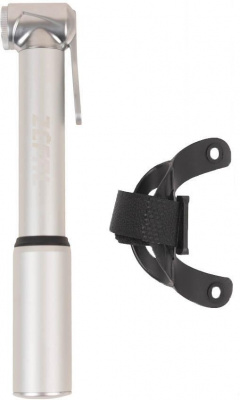
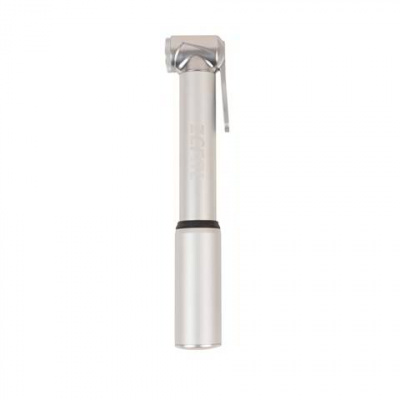
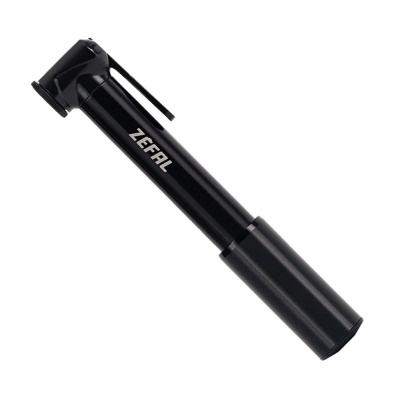
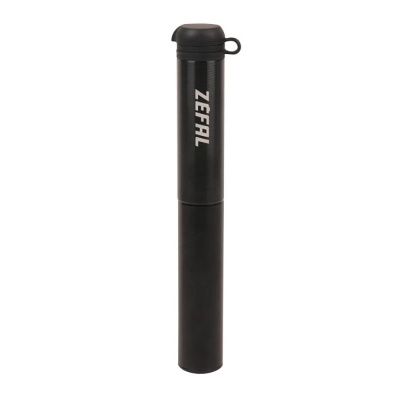
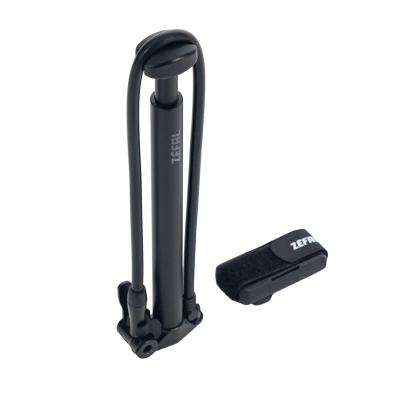
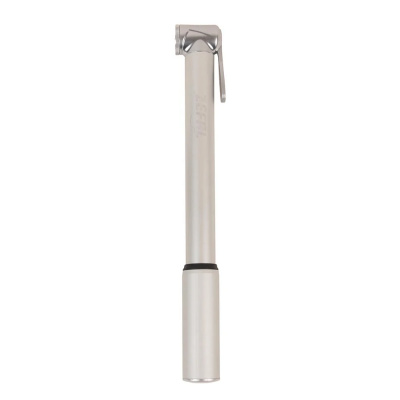
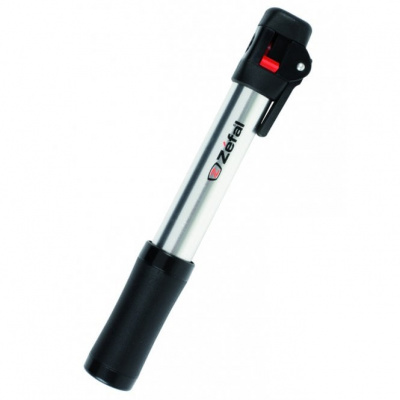
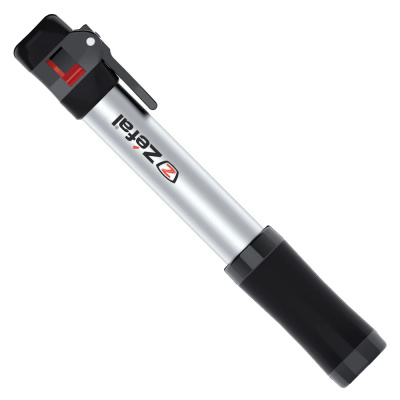
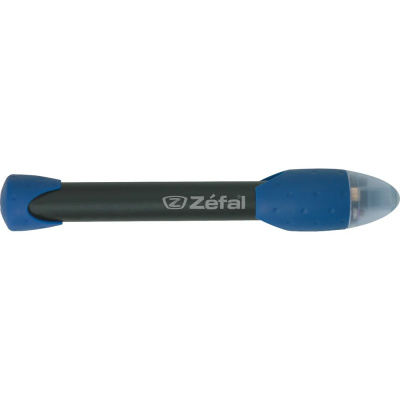
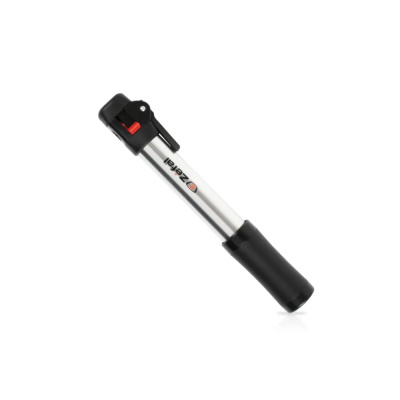
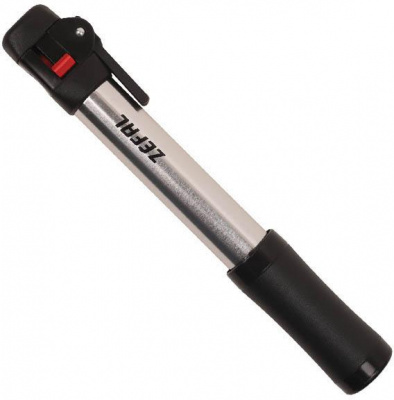

Prices and availability can change quickly. Delivery charges are not always included in listed prices.
Final price, stock status and delivery terms are set by retailer. We may receive a commission on purchases made.
HP vs HV: Choosing the Right Pump Mechanism for Your Tyres
The single most useful question to ask before buying any mini pump is: what are you inflating? Road tyres running 90 - 120 PSI need a high pressure HP pump with a narrow aluminium barrel. The smaller bore means each stroke moves less air, but the mechanical advantage lets you build pressure without feeling like you're trying to bench-press the bike. Hit 80 PSI on a road tyre with an HP pump and the effort is firm but manageable. Try the same with a wide-bore pump and you'll be there until lunchtime.
MTB and gravel tyres work the other way. Wide-volume casings running 20 - 40 PSI need air shifted quickly, not squeezed in incrementally. A high volume HV pump has a wider barrel that moves a meaningful slug of air per stroke, so you can get a 2.4-inch trail tyre to a rideable pressure before the rest of the group has finished their cereal bars. The trade-off is that HV pumps stall out well before road pressures - they're not the tool for 100 PSI.
Zefal's Z-Turn connection handles both Presta valve and Schrader valve compatibility through a reversible threaded head rather than a fiddly push-on rubber nozzle. That threaded engagement is what keeps the pump seated while you work, rather than popping off and letting your hard-won pressure escape. It also means the hose takes the flex load rather than the valve stem - a genuine benefit on Presta valves, which have all the structural integrity of a cocktail stick.
Looking for workshop inflation or rapid race-day fixes? Check out our Zefal Track Pumps, Zefal Frame Pumps, or Zefal CO2 Inflators and Cannisters.
Across the Range: Air Profil, Mt. Series, and Z Cross
Zefal organises its mini pump lineup into three broad families, and knowing which one matches your riding stops you buying the wrong tool.
The Air Profil series - including models like the Air Profil FC01 and the compact Air Profil Micro - is the road-focused end of the range. These are the best Zefal mini pump for road bikes: narrow HP barrels, full aluminium construction, and enough pressure ceiling to properly inflate a 25c or 28c tyre. The FC01 adds a flexible hose for more controlled pumping; the Micro strips things back to the barest essentials for weight-conscious riders. Spending a bit more here gets you a fully CNC-machined aluminium body rather than composite moulding - noticeable in the hand, and meaningfully more durable over years of jersey-pocket abuse.
The Mt. series is where Zefal's Magnetic Lock system appears. It's a magnetic closure that keeps the folded handle snapped shut against the body so it doesn't rattle loose on rough descents - the kind of thing you only appreciate after a non-magnetic pump has shed its handle somewhere on a rocky Dartmoor bridleway. These are HV pumps built for MTB use, with wider barrels and valve heads that cope with Schrader valves as standard. If you're running tubeless, pair one with a Zefal Tubeless Repair and Plug Kit in a Zefal saddle bag and you've got a self-sufficient flat-fix setup that weighs almost nothing.
The Z Cross sits between the two - a lightweight Zefal pocket pump with a moderate bore that works across gravel and cyclocross applications where tyre pressures sit in the 35 - 60 PSI band. It's the sensible choice if you ride a gravel bike on UK lanes and tracks where the pressure requirement changes by season and surface. Not as specialised as the Air Profil for road, not as voluminous as the Mt. for big-volume tyres, but genuinely useful across the middle ground.
For a different take on the same pocket-pump category, Lezyne mini pumps and Topeak mini pumps are worth a look - both offer comparable pressure ratings and some riders prefer their ergonomics. SKS mini pumps are another solid German-made option, particularly for commuters who want straightforward reliability.
Keeping a Mini Pump Working Through a UK Winter
A mini pump is only useful if it actually works when you need it. UK winters are hard on small inflation tools - road spray carries fine grit that works into push-on pump heads, and repeated freeze-thaw cycles degrade rubber seals faster than a dry summer ever would. Flint punctures on chalky B-roads mean your pump earns its keep more often here than in most countries.
The main maintenance job is the plunger O-ring. Every few months - more often if you're riding through winter - unthread the pump head, pull out the plunger, and apply a small amount of silicone grease to the O-ring. Don't use petroleum-based lubricants; they swell and degrade rubber. Silicone grease keeps the seal pliable, maintains compression at high pressures, and extends the working life of the pump significantly. It takes two minutes and costs almost nothing.
Zefal's flexible hose designs earn their keep in cold conditions specifically because of hand strength. Pumping with cold, wet hands means reduced grip and less control over the pump angle. A rigid direct-mount pump transfers every wobble straight into the valve stem. With a hose, the pump body moves independently of the valve, so a shivering arm doesn't shear the Presta valve core off inside the rim - which is a genuinely miserable trailside experience. If you're regularly riding the Peak District or Scottish Highlands in autumn and winter, that hose is not a luxury.
The Z-Line technology inside the barrel also helps in cold conditions by reducing the effort spike at higher pressures. The linear pumping system is designed so compression builds progressively rather than hitting a wall in the final strokes - which means you can keep control and maintain a consistent pump rhythm even when your hands are cold and your grip strength is down.
Store the pump somewhere it won't collect grit. Under a bottle cage is fine in dry conditions, but if you're riding muddy trails, a saddle bag is a cleaner option that keeps the pump head clear of debris between uses.
Zefal Mini Pumps FAQs
How do you use a Zefal mini pump on a Presta valve?
Start by unscrewing the Presta valve's brass tip a few turns to open it - don't remove it fully. Thread the Z-Turn pump head clockwise onto the valve until it's firm, then engage the locking lever if your model has one. Pump steadily, keeping the hose straight to avoid stressing the valve stem, then unthread the head and close the valve tip when you're done.
What is the difference between high volume and high pressure mini pumps?
High pressure HP pumps have a narrow barrel that builds pressure efficiently - designed for road tyres running 90 PSI and above. High volume HV pumps have a wider barrel that shifts more air per stroke, making them far quicker for MTB and gravel tyres running at lower pressures. Using an HV pump on a road tyre won't get you past 60 - 70 PSI; using an HP pump on a 2.4-inch MTB tyre will take an age.
How do I mount a Zefal mini pump to my bike frame?
Zefal mini pumps come with a plastic mounting bracket that fits beneath a standard bottle cage. Remove the cage bolts, position the bracket against the frame, refit the cage over it, and tighten both bolts evenly. On frames with a front derailleur band clamp near the lower bottle cage mounts, check clearance before tightening - the pump body should sit clear of the clamp or cable run.