
Zefal Frame Pumps
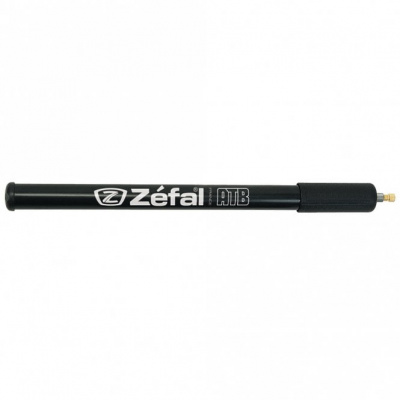
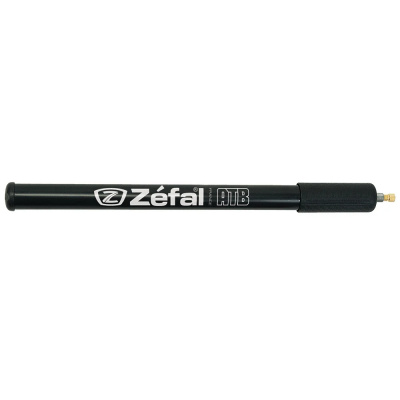
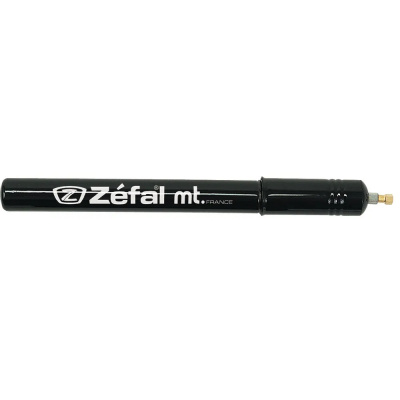
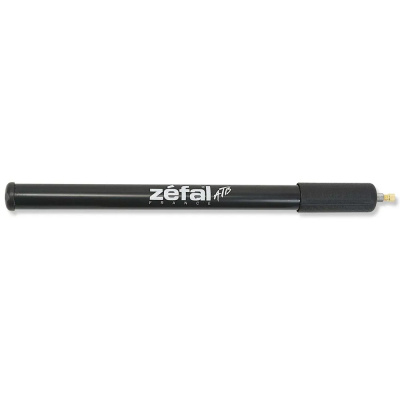
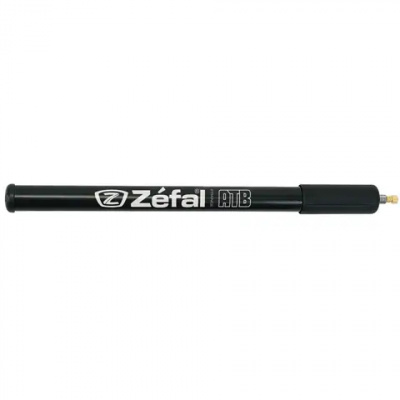
For audax, touring, and winter training rides, Zefal frame pumps have been the go-to choice for serious riders for decades - and the HPX in particular has earned that reputation the hard way. Where mini pumps leave you breathless and under-inflated at the roadside, a full-length frame pump delivers the volume and pressure your tyres actually need. The HPX series reaches up to 174 PSI (12 bar), which is the kind of number that matters when you're running 25mm clinchers in the rain outside Skipton with four miles left to the café.
The construction is all-aluminium barrel, with a proprietary spring-loaded handle that wedges the pump firmly against your frame tubes - no rattle, no slop. A reversible grommet inside the head covers both Presta and Schrader valves, so it works across your whole stable. Whether you're fitting out a new tourer, restoring a classic steel road bike, or simply want a roadside pump that won't let you down when your hands are cold and your patience is thin, Zefal frame pumps cover the brief. Browse our price-compared selection below and match the right size to your frame.


Prices and availability can change quickly. Delivery charges are not always included in listed prices.
Final price, stock status and delivery terms are set by retailer. We may receive a commission on purchases made.
Sizing a Zefal Frame Pump to Your Bike
Get this wrong and the pump rattles around on the frame, or worse, pops off mid-descent. Zefal's HPX range runs from Size 1 to Size 4, each covering a specific length range in millimetres. To find yours, measure the internal distance between the two frame tubes where you plan to mount the pump - typically along the top tube, down tube, or seat tube. Use a tape measure inside the tubes, not along the outside edge, and check that figure against Zefal's sizing chart before you buy.
The HPX system is what makes secure fitment possible. A spring-loaded handle presses against one tube while a pump peg hooks onto the other, creating enough tension to hold the pump rigid even on rough roads. If your frame has dedicated pump pegs - common on older steel tourers - you're sorted. If not, the spring tension alone is usually sufficient, though it's worth checking the fit on your specific frame geometry before committing to a size. Frames with compact or sloping top tubes can sometimes make sizing tricky; when in doubt, go longer rather than shorter.
The Z-Fli connection at the pump head and the reversible internal grommet handle valve compatibility. Unscrew the head cap, tap out the rubber and plastic insert, flip it over, and you've switched from Presta to Schrader - or back again. It takes thirty seconds and no tools. Most road and gravel riders will leave it set to Presta and forget about it.
If you need something that fits a jersey pocket instead of a frame, or a workshop floor pump for home use, we've got you covered elsewhere. Check out Zefal Mini Pumps, Zefal Track Pumps, or Zefal CO2 Inflators and Cannisters for those jobs.
HPX vs Rev 88: Which Pump Suits You?
Zefal's frame pump range sits across two clear tiers. The HPX is the serious tool - all-aluminium construction throughout, with a switchable spring-loaded handle that lets you lock out the spring mechanism for easier, more consistent pumping strokes when you're hitting high pressures. That matters when you're trying to get a 23mm tyre back to 100 PSI at the side of the road, cold-fingered and in a hurry. The aluminium barrel handles the pressure without flex, and the internals are fully rebuildable, so a worn O-ring doesn't mean a new pump.
The Rev 88 is a different proposition. Plastic body, lighter on the wallet, and it does what a basic frame pump needs to do. It suits commuters who want something on the bike as a backup, or riders building up a retro single-speed or older road bike where the pump is partly aesthetic. It won't reach the same max PSI as the HPX, and the body will flex slightly under hard pumping - that's the trade-off for the lower price point.
What does the extra spend on an HPX actually buy you? Higher pressure ceiling, zero frame rattle thanks to the stiffer barrel, and the ability to rebuild rather than replace. If you're regularly riding loaded touring routes or long-distance audax events - the kind of rides where a roadside flat genuinely disrupts your day - the HPX is the one to pick. For occasional urban use, the Rev 88 is perfectly adequate. Worth knowing: if you're comparing against alternatives, Silca frame pumps and Topeak frame pumps sit in similar territory at the premium end, but Zefal's pricing and parts availability in the UK make the HPX a strong choice for value-conscious riders who don't want to compromise on build quality.
Surviving UK Winters: Pump Head Care and Frame Protection
A frame pump lives in the worst possible spot on a wet winter road bike. The front wheel throws road spray, grit, and salt straight up into the pump head - and over a British winter, that adds up fast. Even quality rubber grommets and brass internals take a beating if you ignore them.
Strip the pump head at least once a season. Unscrew the head cap, pull the internals, and clean the reversible grommet and plastic insert with warm water. Check the main plunger O-ring while you're in there - if it's starting to crack or flatten, replace it before it fails at the roadside. A thin coat of silicone grease on the O-ring keeps the seal supple through cold weather and stops the barrel feeling notchy when you pump. Don't use petroleum-based lubricants; they'll degrade the rubber faster than the grit will.
Where the pump contacts your frame - particularly on the chainstay or top tube - fit a strip of Zefal Frame Protection tape to stop paint rub. It's a small thing, but on a bike you care about, it matters. Also worth having in your repair kit: a Zefal Tubeless Repair and Plug Kit alongside the frame pump, so you've got a proper fix for tubeless setups rather than just top-up air.
Cheap steel springs corrode quickly in wet conditions, which is another reason Zefal's aluminium and brass internals earn their keep on UK roads. Cold, wet hands are also a factor - the HPX handle gives you something to grip properly, rather than wrestling with a slippery plastic body while standing in a puddle somewhere on the North Yorkshire Moors. Keep the pump clean, grease the plunger, and it'll outlast several sets of tyres. If you're looking at how Brompton frame pumps handle the same conditions on folding bikes, the maintenance principles are broadly similar, though the fitment is specific to Brompton's unique frame geometry.
Zefal Frame Pumps FAQs
How do I measure my bike for a Zefal HPX frame pump?
Measure the internal distance between your frame tubes where you plan to mount the pump - typically the top tube or seat tube. Match that measurement in millimetres to Zefal's sizing chart (Size 1 to 4). The spring-loaded handle needs to engage with enough tension to hold the pump firm without rattling; too short and it'll be sloppy, too long and it won't fit.
Does the Zefal frame pump fit both Presta and Schrader valves?
Yes. Most Zefal frame pumps use a reversible internal rubber grommet and plastic insert inside the pump head. Unscrew the head cap, tap out the internals, flip them over, and you've switched valve compatibility. No tools needed and it takes under a minute. Most road riders will set it to Presta and leave it there.
What is the difference between the Zefal HPX and Rev 88?
The HPX is a premium all-aluminium pump with a switchable spring-loaded handle, rebuildable internals, and a higher max PSI ceiling - designed for touring, audax, and anyone who needs reliable high-pressure inflation at the roadside. The Rev 88 has a plastic body, costs less, and works well for basic commuting or retro builds where budget matters more than outright performance.