
Brompton Frame Pumps
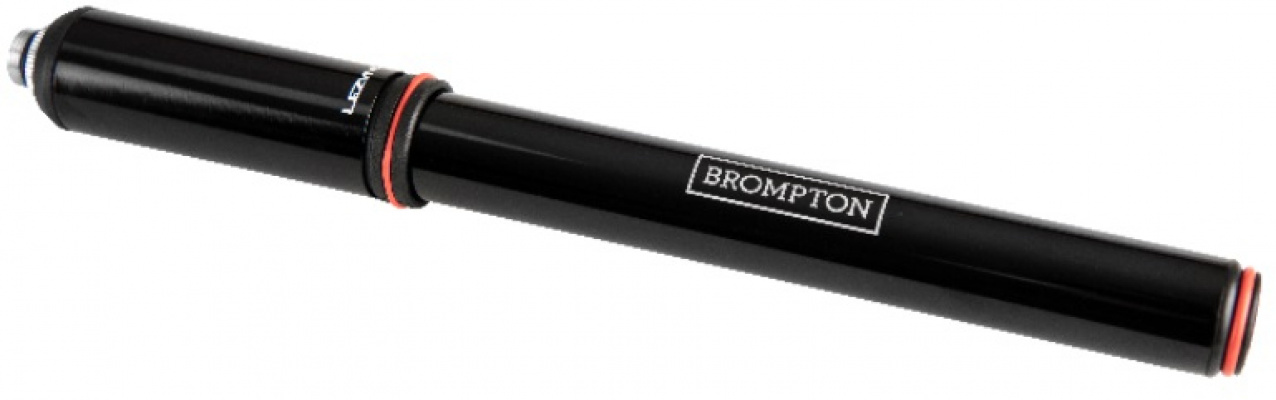
A flat tyre mid-commute is miserable enough without having forgotten your pump - which is exactly why Brompton frame pumps are worth thinking about carefully before you ride off. Designed to slot directly into the rear frame triangle of your Brompton, these pumps use a pair of dedicated mounting pegs to sit snug against the frame without rattling, wobbling, or adding anything to your bag. No afterthought bolt-on; the whole system is purpose-built for the bike.
Brompton's frame pump is manufactured in collaboration with Zefal, a brand with serious pump-making credentials. The partnership exists for a reason: Brompton's 16-inch wheels run at much higher pressures than a standard road or hybrid tyre, and you need a pump that can actually reach 90 - 100 PSI without your arms giving out after thirty strokes. The Zefal-built pump is sized and valved specifically for that job, using a Schrader valve head to match Brompton's standard inner tubes.
For UK commuters dealing with glass-strewn city streets and the general unpredictability of British roads, having a pump always on the bike - rather than at home on a shelf - is a straightforward win. If you're running a steel A Line or C Line, this is the inflation solution that just works.
Prices and availability can change quickly. Delivery charges are not always included in listed prices.
Final price, stock status and delivery terms are set by retailer. We may receive a commission on purchases made.
Which Brompton Frames Actually Take a Frame Pump
Before you buy, check your frame. The standard Brompton integrated bike pump system relies on two mounting pegs built into the rear frame triangle, and those pegs are only present on Brompton's all-steel frames - the A Line and C Line ranges. Fit the pump's spring-loaded ends over those pegs, and it locks in cleanly. Simple, reliable, done.
Here's the catch: if you're riding a P Line (Superlight) or T Line (Titanium) frame, the pegs aren't there. Those frames shed weight wherever possible, and the pump pegs didn't make the cut. A standard Brompton Zefal pump physically cannot mount to them. Worth double-checking your frame spec before adding one to your basket - it's a frustrating thing to discover on the doorstep.
Riders on peg-free frames aren't without options, but that's a different conversation. If you need a compact off-bike solution, our Brompton tools pages cover accessories suited to every model. For portable inflation that lives in your pocket or bag rather than on the frame, take a look at our dedicated mini pumps and track pumps collections instead.
What the Brompton Zefal Pump Actually Delivers
The Brompton Zefal frame pump uses a compressible, spring-loaded handle as its retention mechanism - compress it slightly, align the ends with the rear triangle pegs, release, and it's held fast. No straps, no clips, no zip ties. The spring tension keeps it wedged firmly enough that it doesn't rattle over cobbles or dropped kerbs, which is a more specific engineering challenge than it sounds when the pump is slung low and exposed on a city bike.
Valve compatibility is Schrader - the same format as a car tyre valve, and the type fitted to almost all Brompton inner tubes as standard. If you've ever inflated a car tyre at a petrol station, you already know how a Schrader valve works. It's a practical choice: robust, widely understood, and less fiddly with cold or wet hands than a Presta head.
Getting a 16-inch commuter tyre to high pressure - say 90 PSI - with a frame pump takes work. There's no getting around the physics: a small barrel means more strokes per unit of air, and the last 20 PSI on a stiff tyre is always the hardest won. Expect 40 - 60 strokes to get from flat to rideable, and another stretch beyond that to reach the recommended max PSI. It's not a track pump, and it was never meant to be. Think of it as a get-home tool rather than your primary inflation method. Pair it with Brompton puncture kit essentials and you've got a solid roadside repair setup that adds almost no weight or bulk to the bike.
If you want a benchmark from the wider market, Topeak frame pumps and Silca frame pumps offer alternative constructions and barrel volumes - but neither is designed around Brompton's specific peg spacing, so they'd need a separate mounting solution.
Keeping Your Pump Working Through a UK Winter
Mounted low on the rear triangle, the pump cop the worst of what British roads throw at a bike. Road spray, salt, fine grit, and the general filth of a wet November commute all land directly on the pump shaft and valve head. Left unchecked, grit works into the internal O-ring and dries it out; the pump starts to feel notchy, loses efficiency, and eventually the seal goes.
A few minutes of attention every couple of months keeps it honest. Wipe the pump shaft down with a damp cloth after riding in the wet, then apply a small drop of silicone lubricant to the O-ring - not WD-40, which strips rubber over time. Silicone spray or a dedicated rubber-safe lube is what you want. Before you attach the pump head to your valve, clear any visible grit from around the Schrader valve stem with a fingernail or cloth. Grit caught between the valve head and the stem can damage the valve core, and a damaged core means a slow leak that no amount of pumping fixes on the roadside.
If you're running Brompton commuter tyres with a higher-volume, puncture-resistant casing, you'll hit the recommended pressure range a little more easily - thicker tyres typically run at the lower end of the 85 - 100 PSI window, which takes some effort off that final push. Worth factoring in if you're speccing a new tyre and want the whole system to work with less drama.
A replacement Brompton pump is straightforward to source if the original has seen better days - the Zefal-built unit is a standard part across the C Line range, so compatibility isn't something you need to overthink. Just confirm your frame has the pegs before ordering, and you're sorted.
Brompton Frame Pumps FAQs
Does every Brompton come with a pump?
No. The frame pump is standard on C Line Explore models, which also feature the necessary rear triangle mounting pegs. A Line, P Line, and T Line models generally don't include a pump, and P Line and T Line frames don't have the pegs to mount one at all - worth checking before you buy.
How do you fit a pump to a Brompton bike?
The Brompton Zefal pump has a spring-loaded handle. Compress it slightly to shorten the pump, align the two ends with the dedicated pegs on the rear frame triangle, then release. The spring tension locks it against the frame securely enough to stay put without rattling. Takes about five seconds once you've done it once.
What valve type does a Brompton pump use?
The integrated Brompton frame pump is built for Schrader valves - the same car-tyre style found on almost all Brompton inner tubes as standard. It's a practical choice for commuting: robust, easy to attach in low light or bad weather, and compatible with petrol station air lines if you need a top-up on a longer ride.